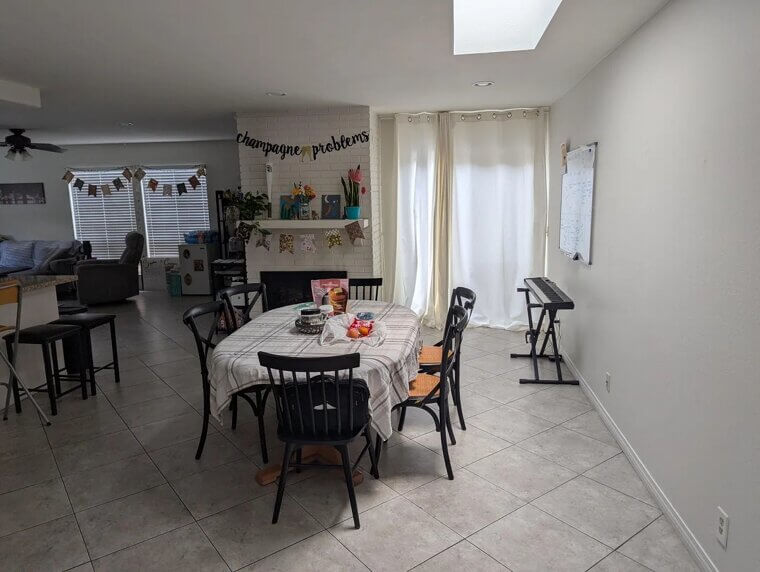
Lack of Zoning
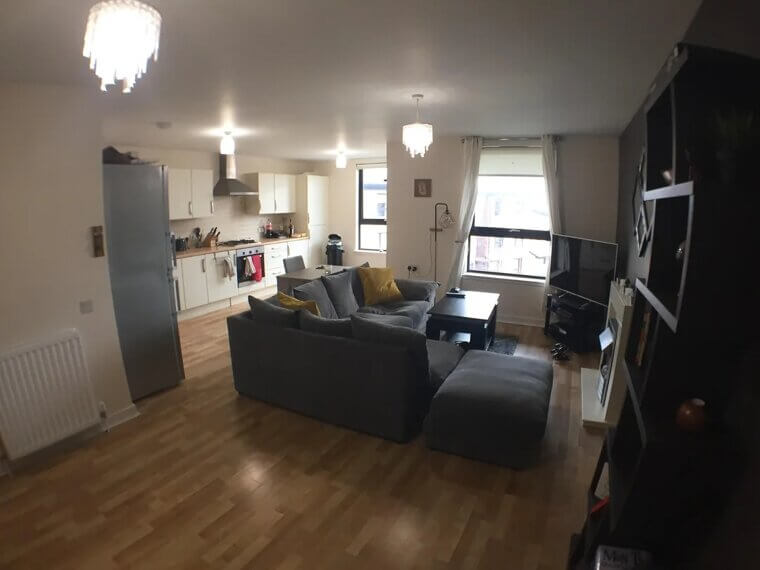
Open-concept homes don't have rooms; they have zones. The goal is to create a sitting room, kitchen, dining room, and other individual spaces in one big open area. Architects regularly see people try to force the space to become one big room, instead of separating it into zones to create a fully-fledged home.
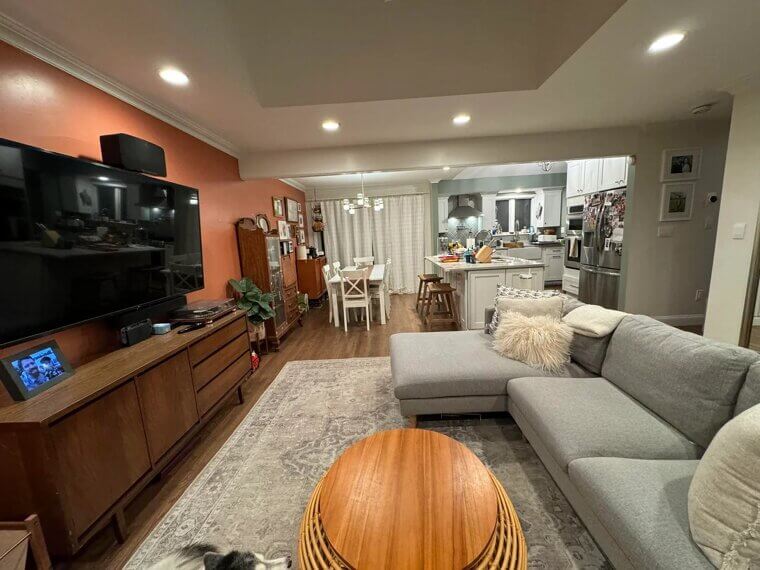
Wall-Bound Furniture
Any creative person will thrive in an open-plan house because the space has so much potential. But many still make the mistake of putting too much furniture on or against the walls, creating closed-off, uninviting areas, and leaving the center of the space bare. It also defines each zone poorly, with no full zones to enjoy.
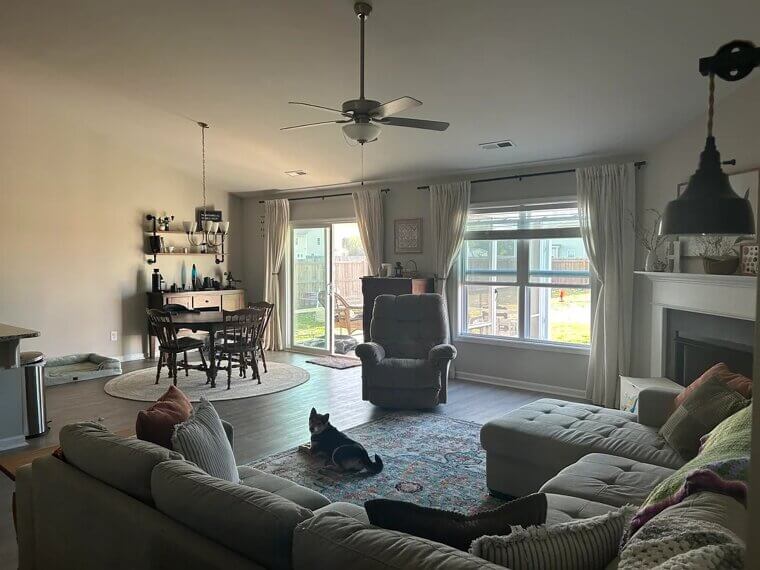
Mixed Flooring
In a closed-plan house, using different floorings isn't an issue because each room is an isolated zone with its own matching decor. However, mixed flooring in an open-concept house can look jarring or messy, ruining the natural flow of the space and creating “rooms” that don't work together.
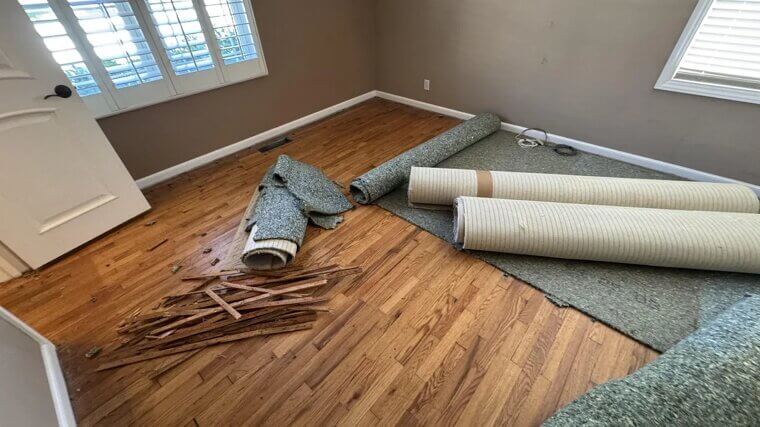
Insufficient Storage
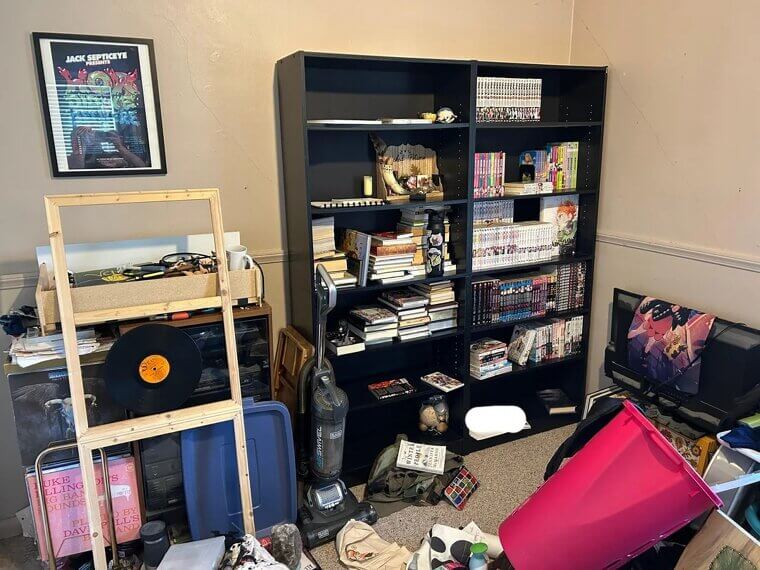
As a concept, a house without walls or doors seems like a sleek, sophisticated space, but architects know how quickly they become cluttered. Most people fail to fit enough storage units, leaving every zone full of items, and unless you clean every day, it quickly becomes messy. Without doors to close, there’s no way to hide it!
Poor Lighting
Lighting is essential, but many homeowners assume that an open-plan house needs fewer lighting fixtures than a typical home. But that’s not the case. Accent lighting should be used in each zone to ensure it is well-lit and ambient, creating definition and cohesion. Poor lighting makes the space look shadowy and cold.
Overcrowded Areas
In the planning stage, an open-concept house probably seems like an amazing way to maximize space and try out tons of different ideas. But the space fills up quickly, especially when you're using it all for multiple rooms, leading to overcrowded areas that look cluttered and don't flow through each other.
No Pathways
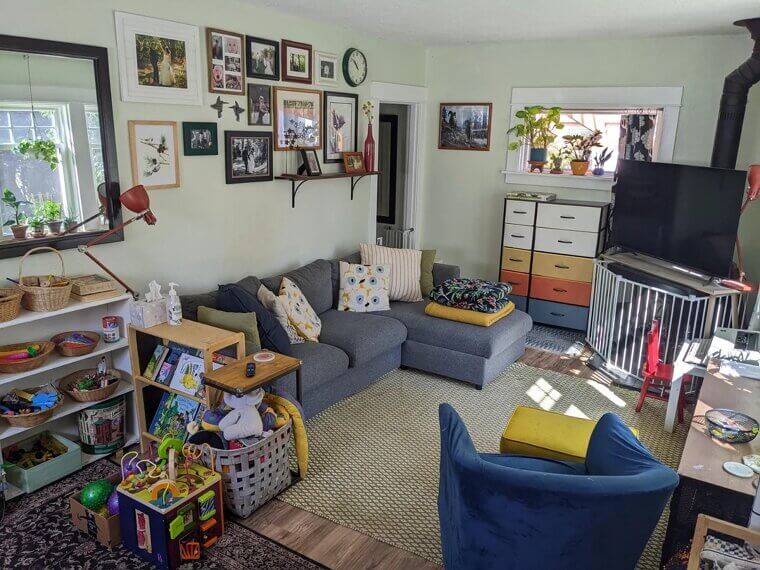
Speaking of flow, it's vital that an open-concept home creates natural paths and walkways from zone to zone, making each area obvious and accessible. It's difficult to strike the perfect balance between individual zones and one big open space that looks good as a unit. Without pathways, it becomes a chore to navigate the house.
Forgetting Electrical Outlets
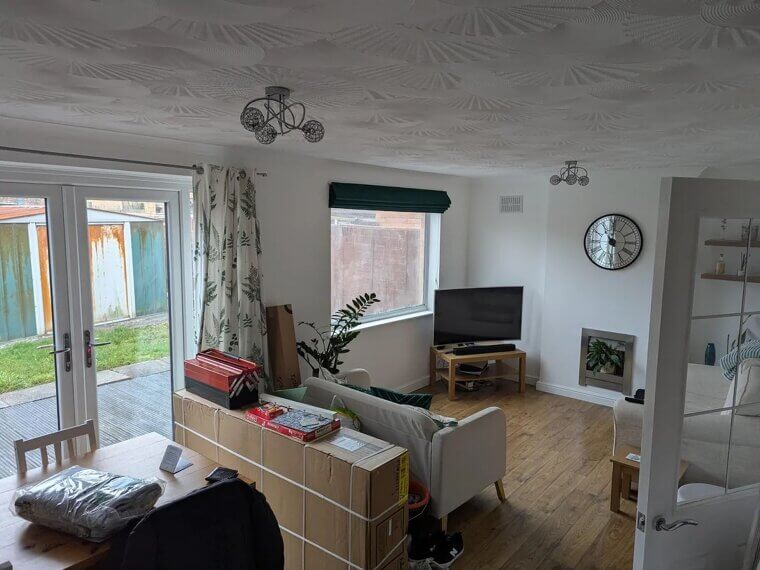
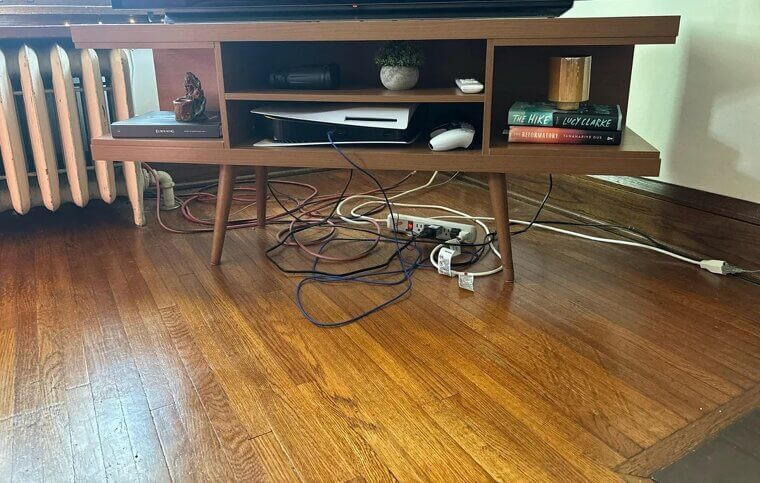
Extension cords all over the floor look unsightly, but lots of people find themselves with no other choice due to poor outlet placement in their open-concept homes, with electrical items too spread out. Floor outlets are an easy fix that means you don’t need to push devices against the walls to power them.
Poor Ventilation
Poor ventilation is bad enough in a regular house, but open-concept homes don’t have as many windows to open. Homeowners neglect to install extra windows and vents, leaving the house overly warm and moist, which can lead to mold build-up, condensation, and musty smells. Remember, airflow is everything.
No Visual Anchors
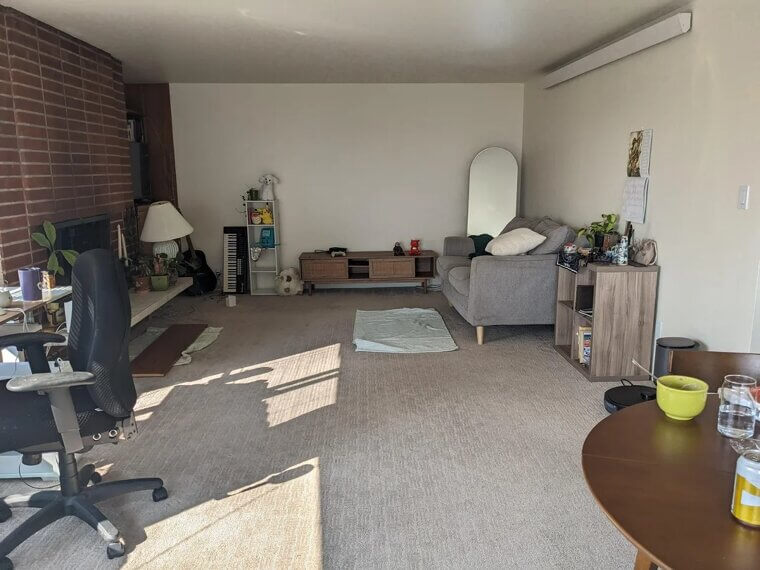
The problem with fitting so much into one open area is that it can be quite overwhelming when it's time to decorate. Architects always recommend having a few visual anchors to draw the eye first, allowing the rest of the space to fall naturally around them. Things like fireplaces, kitchen islands, rugs, and mirrors all work as focal points.
Underestimating Acoustics
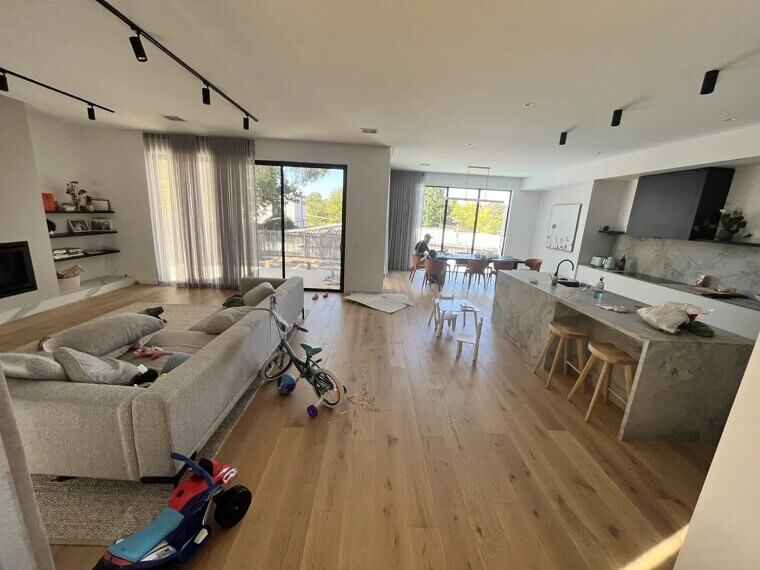
Ever wondered why every noise echoes in a cave? It’s because there are endless surfaces for it to bounce off. The same applies to an open-concept house. People who forget to add sound-absorbing materials, like rugs or curtains, or room dividers create loud, echoey rooms that they can’t fully relax in.
No Traffic Flow
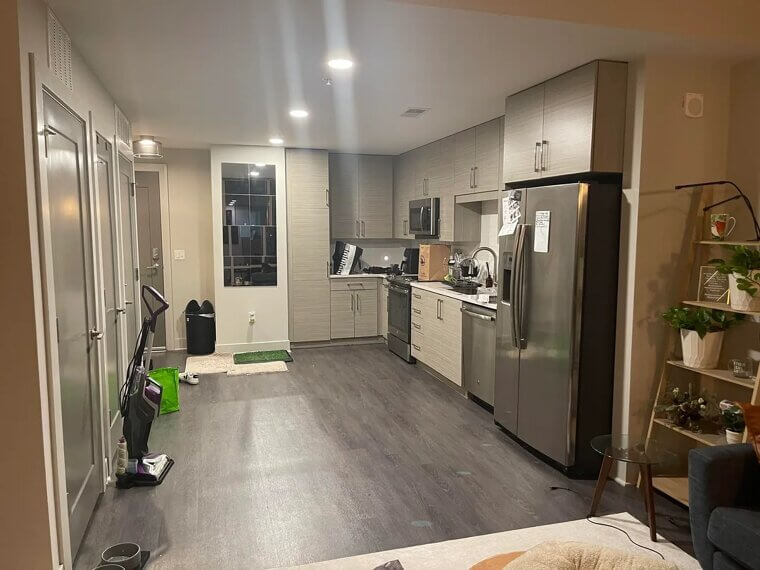
An open-concept house should be both cohesive and structured, and you can tell if you’ve achieved this by how well traffic flows through. Architects recommend forming zones around specific walkways and defining each space with its own pieces to allow people to move between the zones and use the space without rearranging it.
Lack of Privacy
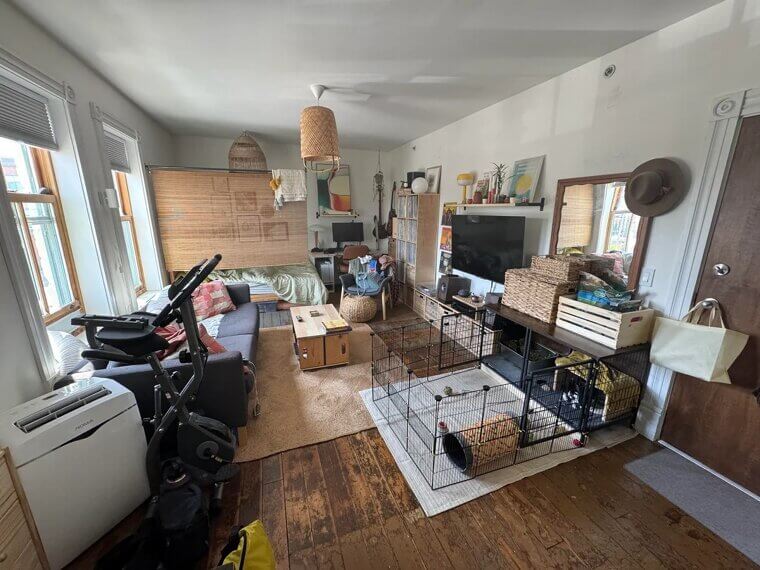
Picture this: you've got an important work video call coming up, your kids are playing nearby, and you can't close the door. That's what open-plan houses are like. Each room is part of a bigger whole, and most people fail to plan for privacy, even in more intimate spaces. They don't leave space for dividers or large furniture, leaving every zone exposed.
Oversized Decor
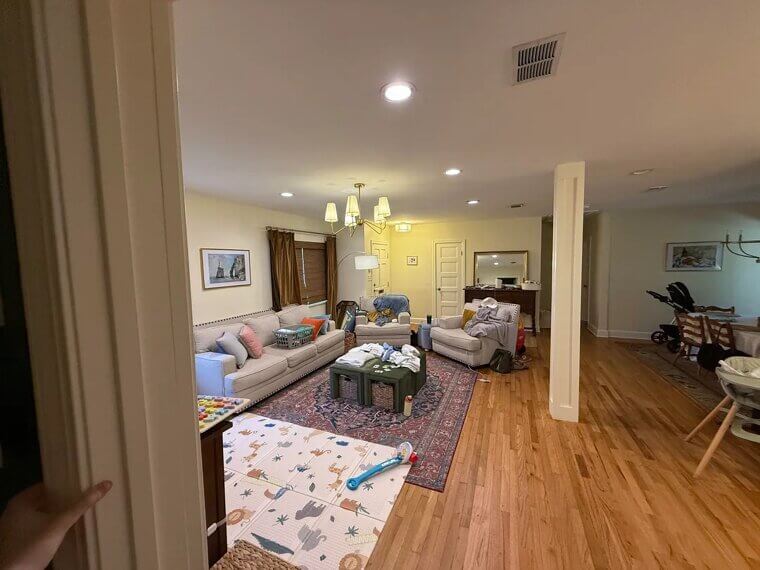
Open-concept decor is tricky because it shouldn’t be too small, or too big! While small decor can look cluttered, oversized decor is domineering and overwhelms the space. The openness is what makes these homes so special, and oversized decorations and furniture disrupt the flow and create an unbalanced look.
Poor TV Placement
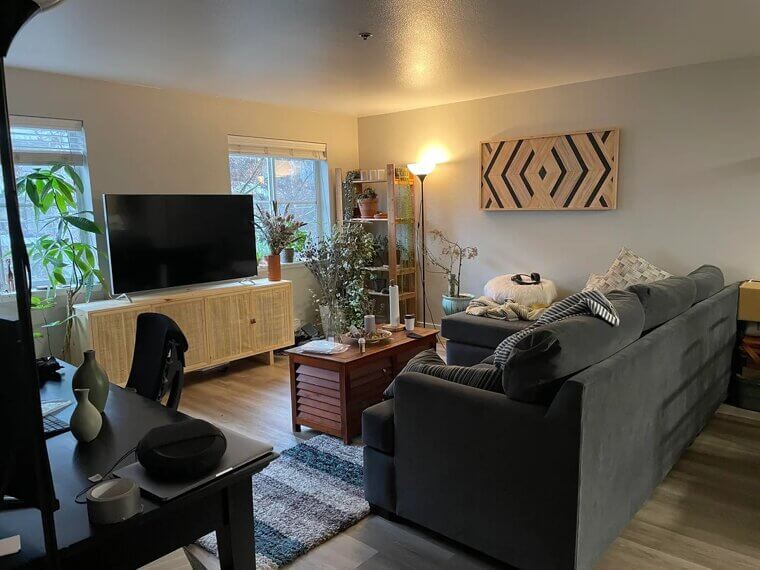
If there’s one mistake you don’t want to make, it’s misplacing your TV! In an open-concept home, the television should act as a focal point, with ideal placement to ensure good sightlines from all zones. Architects recommend adding a swivel mount so it can be adjusted, or not attaching it to the wall at all to keep it mobile.
Misjudging Scale
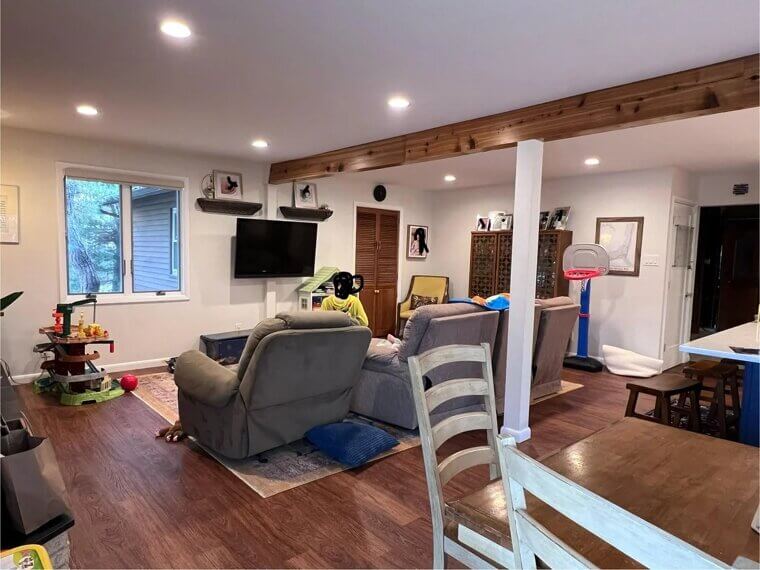
Architects admit that open-concept homes are the hardest to style because everything in them must be perfectly picked out to complement the entire area’s dimensions. Misjudging scale leads to a lack of clarity, furniture that doesn’t work together, and poor room curation that just feels “off”.
Clashing Sightlines
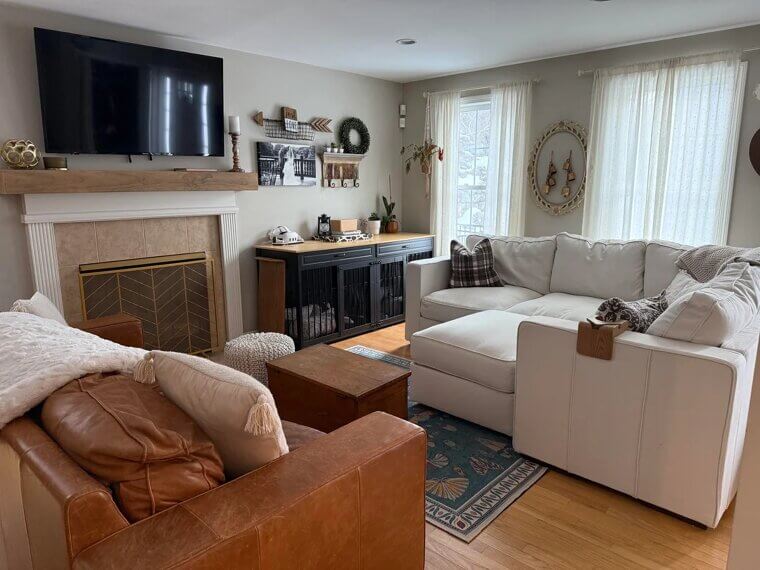
Sometimes, you know a room is messy and just close the door. But you can't do that in an open-concept house. Every zone is roughly within your line of sight, and many people come to find that they hate how much they clash. It's hard to make the sightlines flow as one without making the house look cold or boring.
Not Considering HVAC
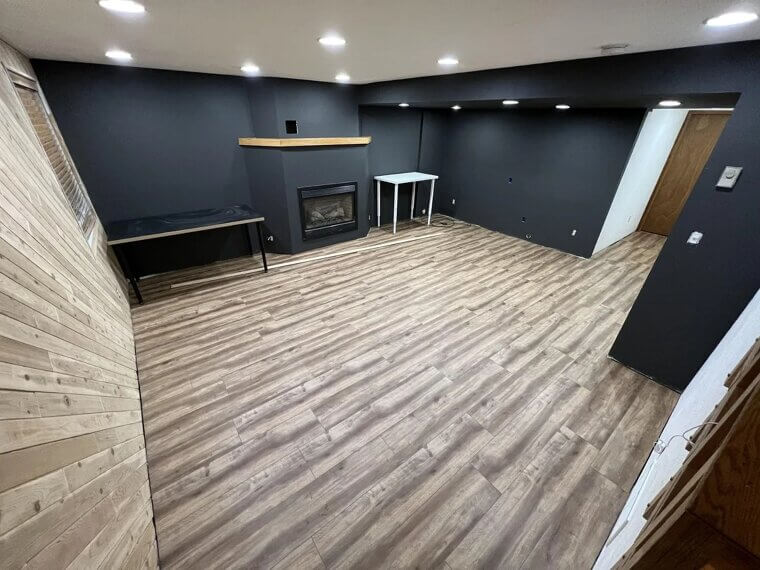
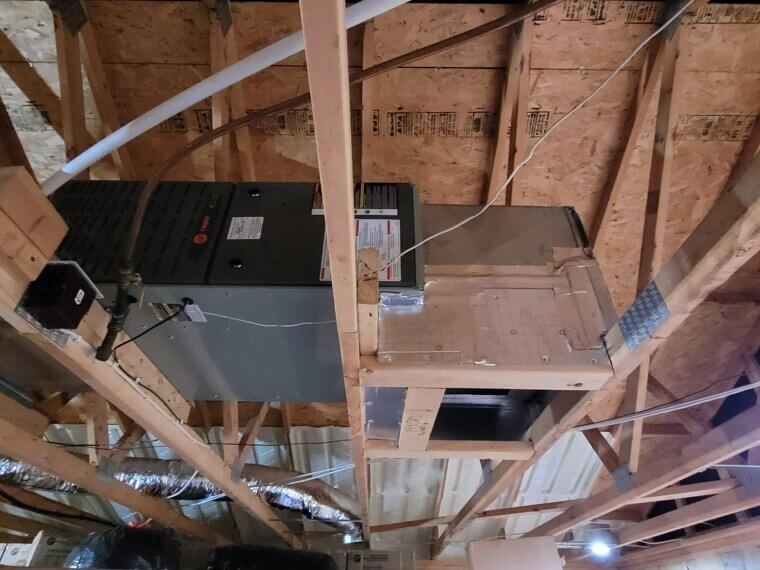
According to architects, there are several disastrous HVAC mistakes that people constantly make in open-concept homes. Removing walls and doors changes the volume of area needing to be cooled or heated, and systems often aren’t resized to accommodate that. The system may also be incorrectly positioned; a costly error that ruins your at-home comfort.
Too Much Clutter
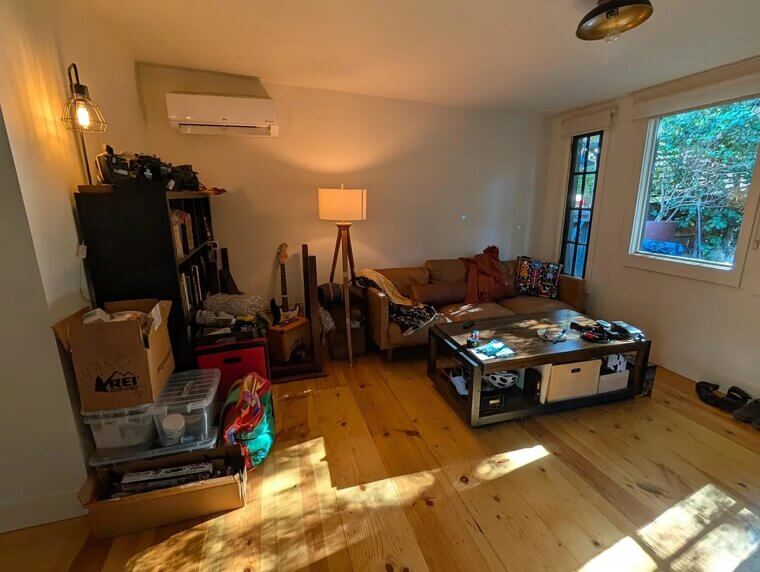
You don't want your home to look lifeless, but it's all about balance in an open-plan house. Some people use many smaller items, which clogs up the space and makes it feel messy. Each zone needs to be spaced-out and breathable, which is difficult to achieve if you've already cluttered it up with things.
Lack of Vertical Detail
In most homes, it’s easy to make a room look good and feel cozy. But in an open-concept home, the vertical space feels huge because it’s all one area, and many people forget to decorate upwards. Ripping out ceiling beams, leaving windows bare, and buying only short furniture leaves the space feeling unfinished and unwelcoming.