Decorative Ponds That Demand Constant Care
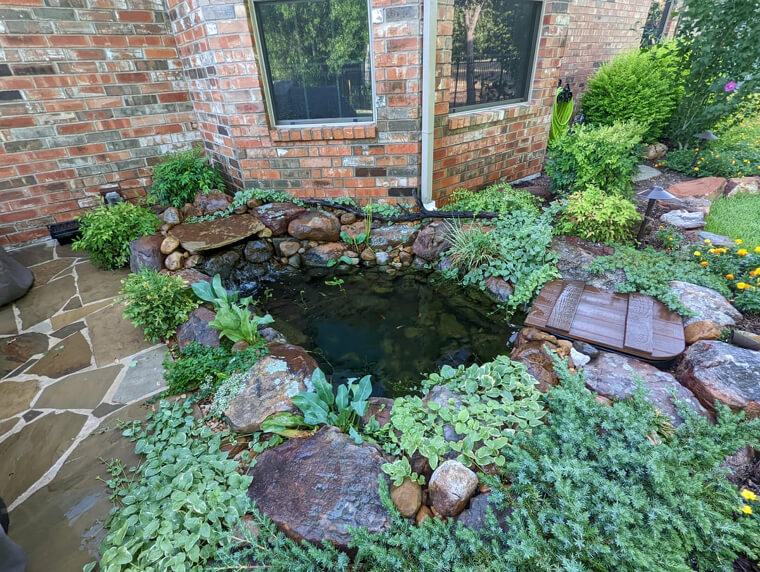
Garden ponds look peaceful, but they often require more upkeep than older adults expect. Water needs treatment to prevent algae, pumps must be maintained, and filters require regular cleaning. Leaves, insects, and debris accumulate quickly, especially near trees or shrubs. Ponds also attract mosquitoes if water circulation is not strong. Fish add even more responsibility. Many older adults regret installing ponds because they become a year round maintenance job instead of a relaxing feature. Draining, cleaning, and restarting the system each season is physically demanding, and professional help can be expensive. Without consistent care, ponds turn murky, smelly, and difficult to restore.
Gravel Pathways That Shift Constantly
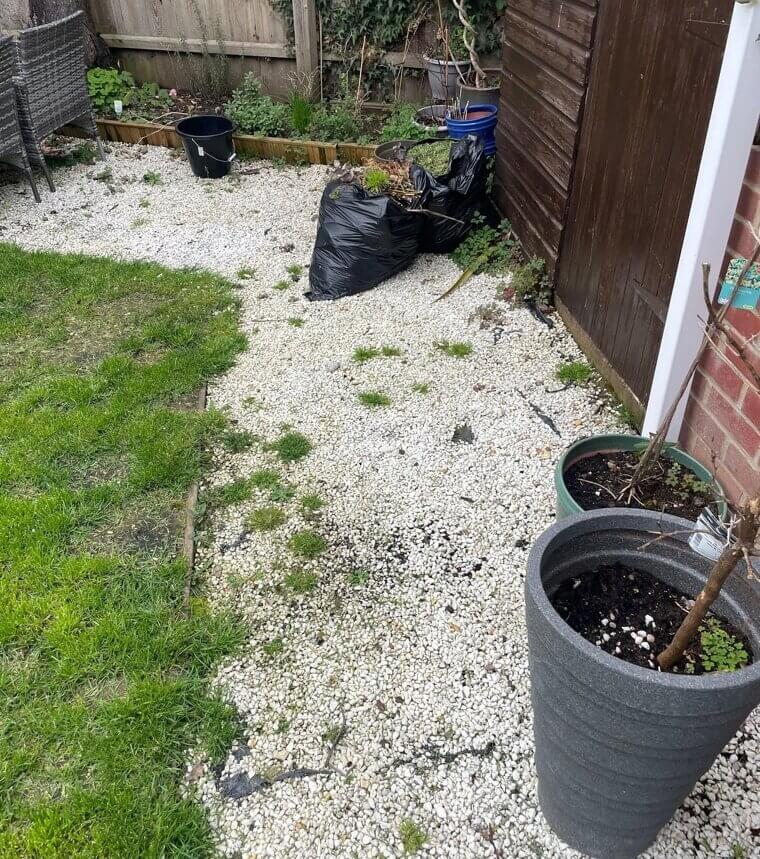
Gravel paths seem low maintenance, but many older adults find they require more work than expected. The stones move easily, especially after rain or foot traffic, which creates uneven surfaces that become difficult to walk on. Weeds also grow through the gravel unless a barrier is installed perfectly, and even then they return. Keeping the stones level takes regular raking, and gravel often scatters into lawns or garden beds where it becomes an ongoing nuisance. For older adults, maintaining a smooth and safe walking surface becomes tiring, and loose stones create tripping risks. Over time, many regret installing gravel paths because the upkeep becomes a recurring chore rather than a simple outdoor improvement.
Raised Garden Beds That Are Too High or Too Large
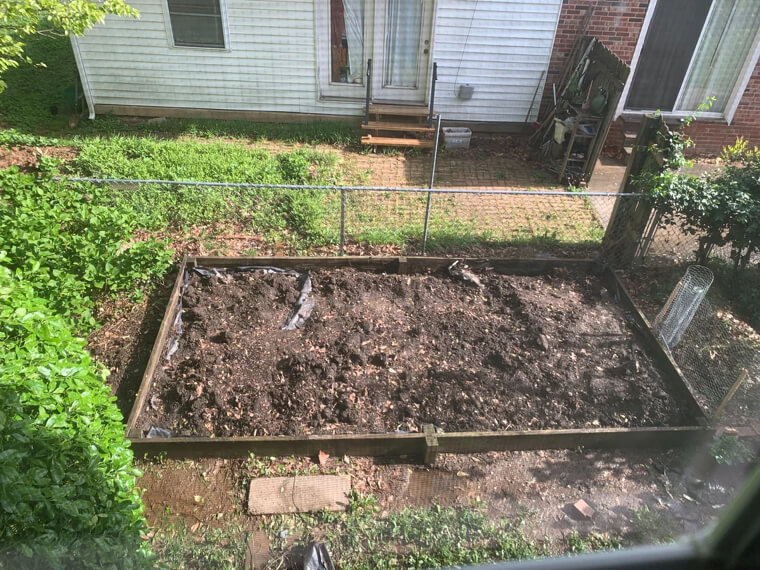
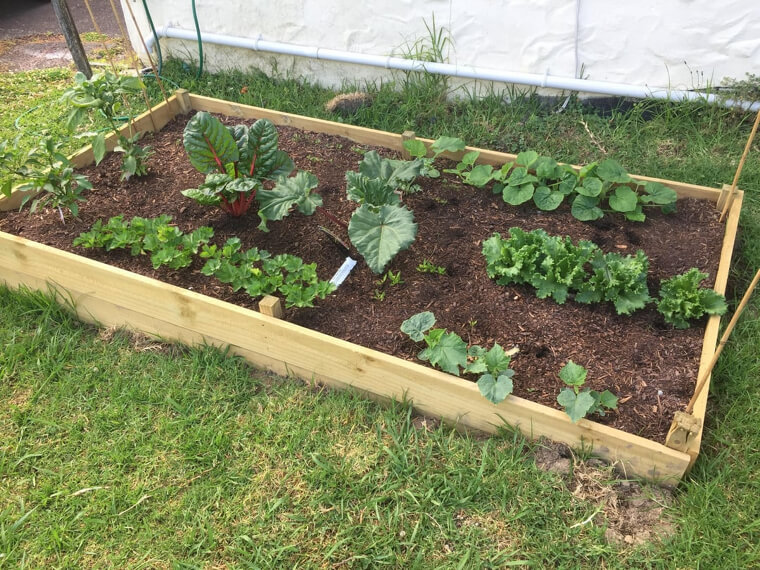
Raised beds are popular because they promise easier gardening, but many older adults regret building them too tall or too wide. A bed that is even a few inches too high becomes difficult to lean over, and large beds require reaching farther than expected. This leads to back strain and limits the ability to maintain the bed properly. Soil in raised beds also dries out faster, requiring more watering. If the bed is built from untreated wood or inexpensive materials, it may deteriorate quickly, forcing repairs that are hard to manage. What seemed like a helpful upgrade often becomes a demanding project that requires more bending, lifting, or maintenance than originally planned.
Large Vegetable Gardens That Outgrow Their Owners
Starting a large vegetable garden seems rewarding, but older adults often underestimate the amount of daily work involved. Planting is simple compared to the ongoing tasks of watering, weeding, pruning, harvesting, and preventing pests. Summer heat makes upkeep harder, and vegetables often ripen all at once, requiring time and energy to manage. Soil amendments, fencing, and seasonal cleanup add to the workload. Many older adults regret creating large gardens because the labor becomes overwhelming, and the area quickly becomes overgrown if not maintained. A smaller, more manageable plot or container garden often provides the same satisfaction with far less stress.
Mulch Beds That Require Constant Refreshing
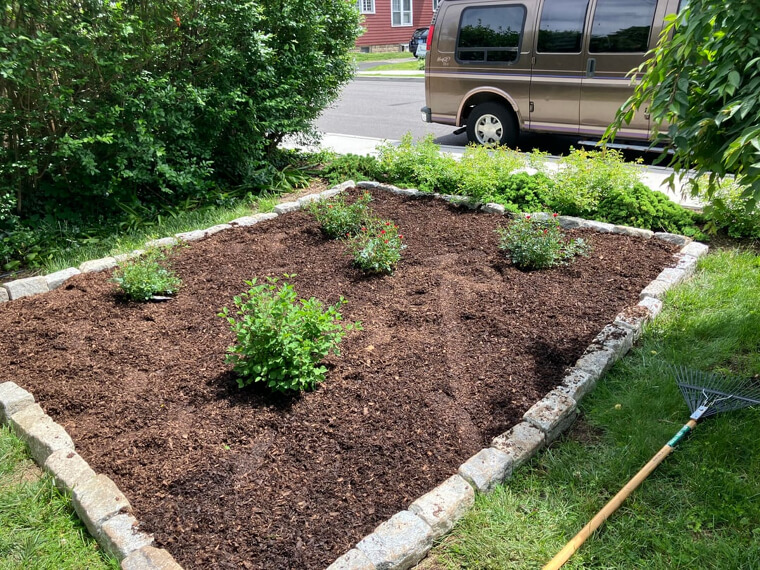
Mulch beds appear low maintenance, but many older adults regret using them extensively. Mulch fades, breaks down, and shifts, especially after storms or heavy foot traffic. This means replacing or topping up mulch every season. It also attracts insects in some climates, and wind can scatter it into unwanted areas. If placed too close to the home, mulch traps moisture and encourages pests near the foundation. Older adults often find the ongoing cost and physical work of maintaining mulch beds far higher than expected. What starts as a neat landscaping choice becomes a recurring cycle of hauling bags, spreading mulch, and cleaning up the areas where it drifts.
Stone Patios That Become Uneven Over Time
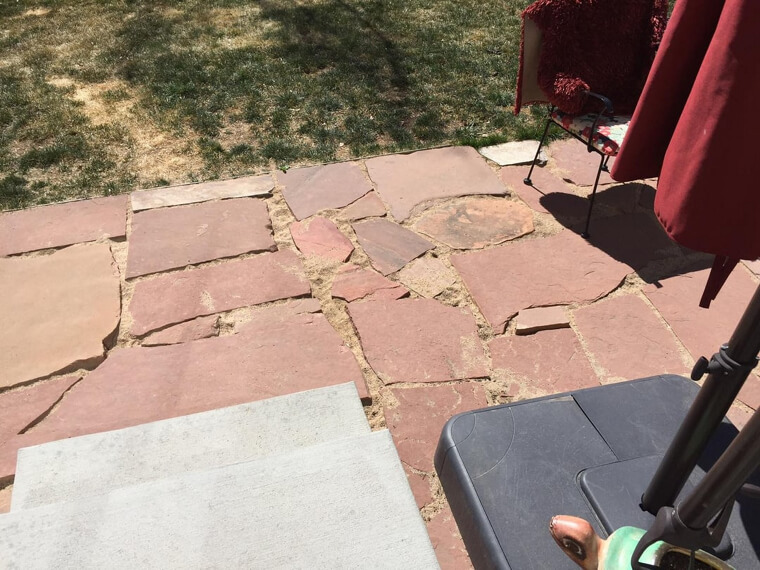
Stone patios look durable, but older adults often regret installing them when shifting ground or freezing temperatures cause stones to become uneven. This leads to tripping hazards and areas where water pools after rain. Resetting individual stones requires lifting heavy pieces and leveling the base, a job that becomes harder with age. Cleaning moss or algae from stone surfaces also requires scrubbing or power washing, which is demanding. While stone patios offer aesthetic appeal, many older adults find that the long term upkeep outweighs the benefits, especially when compared to simpler, more stable surfaces.
Dense Hedges That Demand Frequent Trimming
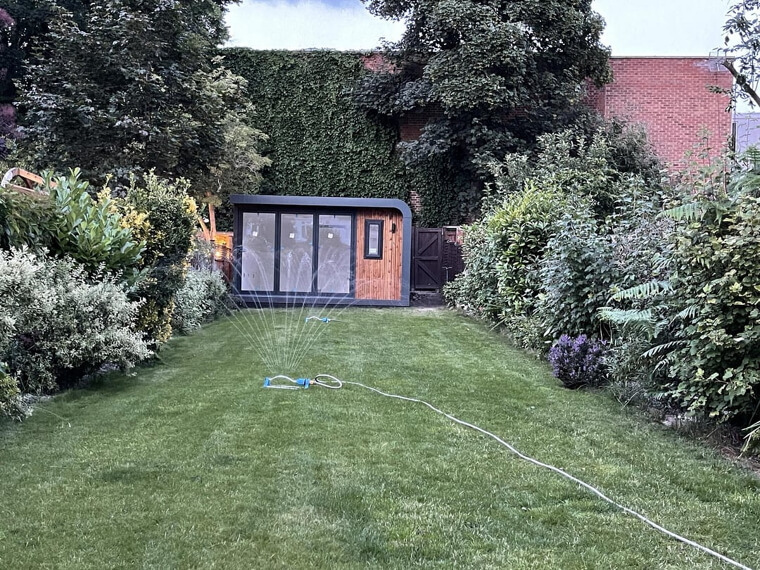
Hedges create privacy, but many older adults regret planting fast growing varieties. These hedges require constant trimming, shaping, and cleanup. The work often involves ladders, extended reach trimmers, and dealing with heavy branches. Overgrown hedges also block sunlight and reduce airflow around the yard. If trimming is delayed, restoring the shape becomes even harder. What seemed like an attractive privacy solution turns into a labor intensive routine that is difficult to keep up with. As strength and mobility change over time, many older adults find hedges impractical to maintain.
Trendy Outdoor Lighting That Needs Regular Adjustments
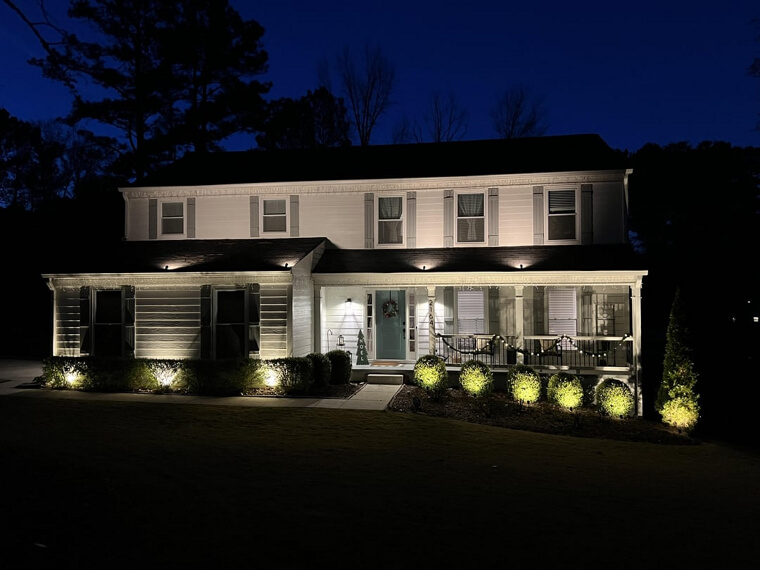
Decorative lighting looks charming at first, but older adults often regret the upkeep that comes with it. Solar lights require regular cleaning and frequent replacements. Battery powered lights dim quickly and need constant monitoring. Wired lighting demands maintenance whenever bulbs burn out or weather affects connections. Strings of lights sag, knot, or break during storms. Older adults often find that the charm of decorative lighting disappears when faced with the constant upkeep. What seems like a simple enhancement becomes a repetitive task involving adjustments, part replacements, or troubleshooting wiring issues.
Composite or Plastic Garden Edging That Warps
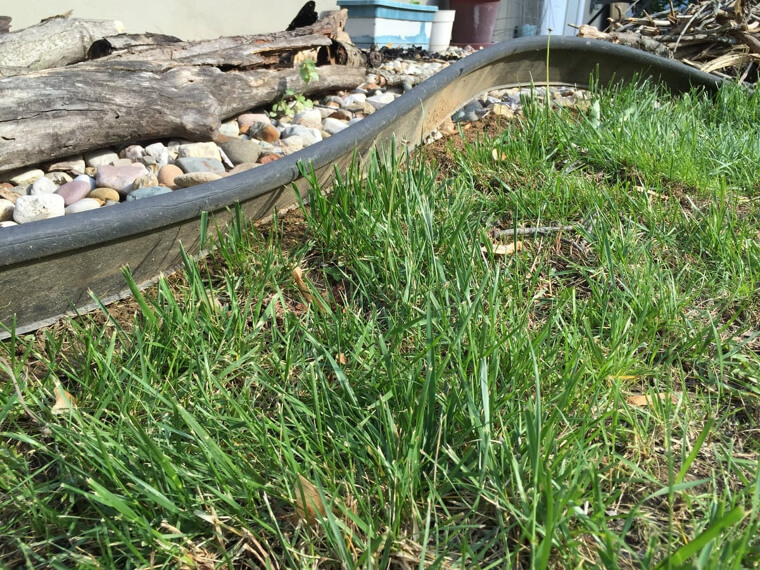
Plastic or composite edging appears easy to install, but many older adults regret choosing it once it starts to warp, loosen, or heave with seasonal temperature changes. As it shifts, it becomes uneven and allows grass or weeds to invade garden beds. Fixing edging requires kneeling, digging, and reinstalling sections, which becomes a physically demanding task. The material can also become brittle and crack over time. While marketed as low maintenance, these products often create recurring problems that require more effort than expected.
Raised Deck Platforms That Become Slippery
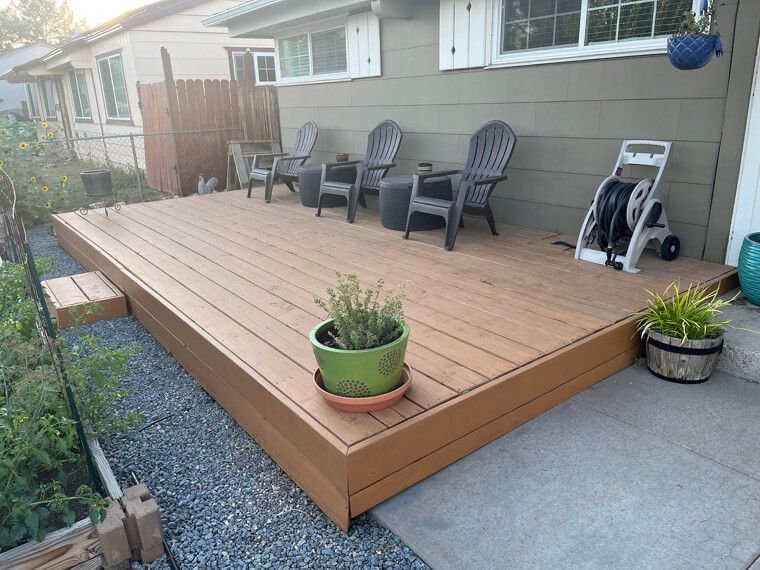
Small backyard platforms and decorative deck tiles are common DIY upgrades, but older adults frequently regret them once they become slick with rain, algae, or mildew. Lightweight materials shift underfoot, creating instability. Cleaning these surfaces requires scrubbing or power washing, which becomes time consuming and difficult. When tiles become uneven, they create tripping hazards. Older adults often find that what began as an easy, attractive outdoor improvement becomes a maintenance concern that compromises safety and comfort.