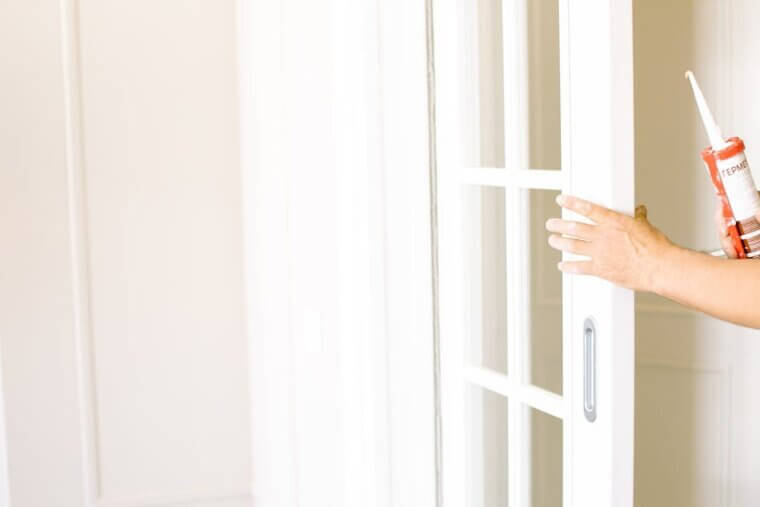
Seal Air Leaks Around Windows
Those tiny gaps around your windows are costing you real money every month. Cold air sneaks in during winter, and cool air escapes in summer, forcing your furnace and air conditioner to work overtime. A simple tube of caulk costs around five bucks and takes maybe an hour to apply around a few windows. You just run a bead along the seams where the window frame meets the wall, smooth it with your finger, and let it dry. Most homeowners see their heating bills drop noticeably after sealing up these leaks. The return on investment is fast, usually paying for itself within the first season. This tackles the gaps around the frame itself, the spots where air physically leaks through cracks. It's different from adding insulation to the glass, which addresses heat transfer through the window pane. Both matter, but this one stops actual drafts.
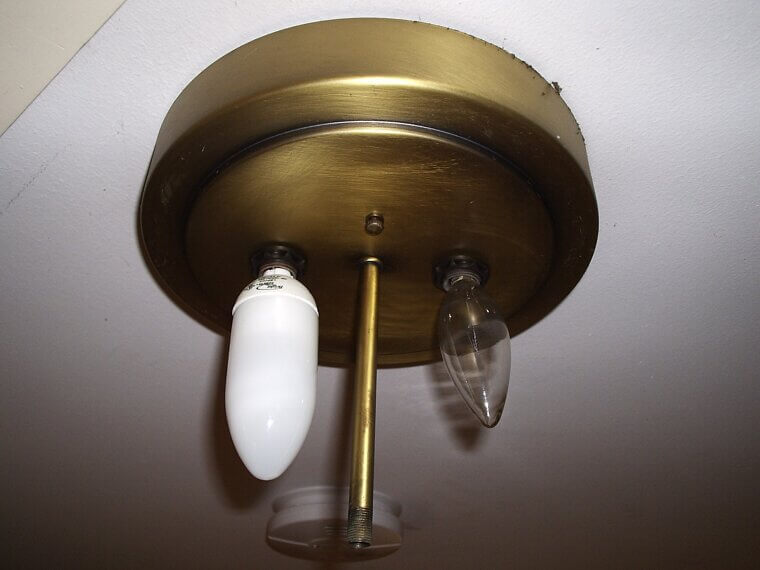
Upgrade to LED Light Bulbs
Swapping out your old incandescent bulbs for LEDs is one of the easiest upgrades you can make. LEDs use about 75% less electricity than those traditional bulbs most of us grew up with, and they last 25 times longer. That means fewer trips up the ladder to change bulbs in ceiling fixtures. A typical LED bulb costs around $2 to $5, but it pays for itself in energy savings within the first year. If you replace just 10 bulbs in your home, you could cut your lighting costs noticeably, with some households saving $50 or more annually. The light quality has come a long way too. Today's LEDs give off warm, natural light that feels just like the old bulbs. You can find them at any hardware store, and installation is as simple as screwing in a regular bulb.
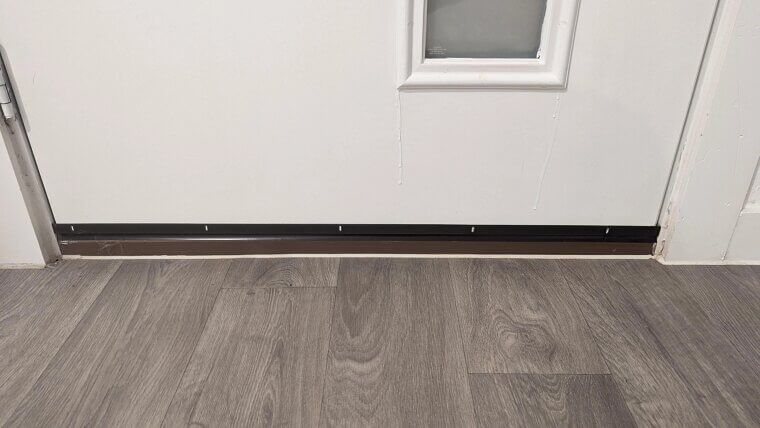
Add Door Sweeps and Thresholds
That gap under your door might look tiny, but it's like leaving a window cracked open all winter. Cold air sneaks in, warm air leaks out, and your furnace works overtime trying to keep up. A door sweep is just a strip of rubber or brush material that seals that space. You can install one in about ten minutes with a screwdriver. Thresholds do the same job at the bottom of the doorframe, creating a tight seal when the door closes. Together, they cost maybe twenty bucks at the hardware store. The difference is instant. You'll feel less draft when you walk past the door, and your heating bill drops because your system isn't fighting against constant air exchange. It's one of those fixes that pays for itself in a single season.
Insulate Your Water Heater Tank
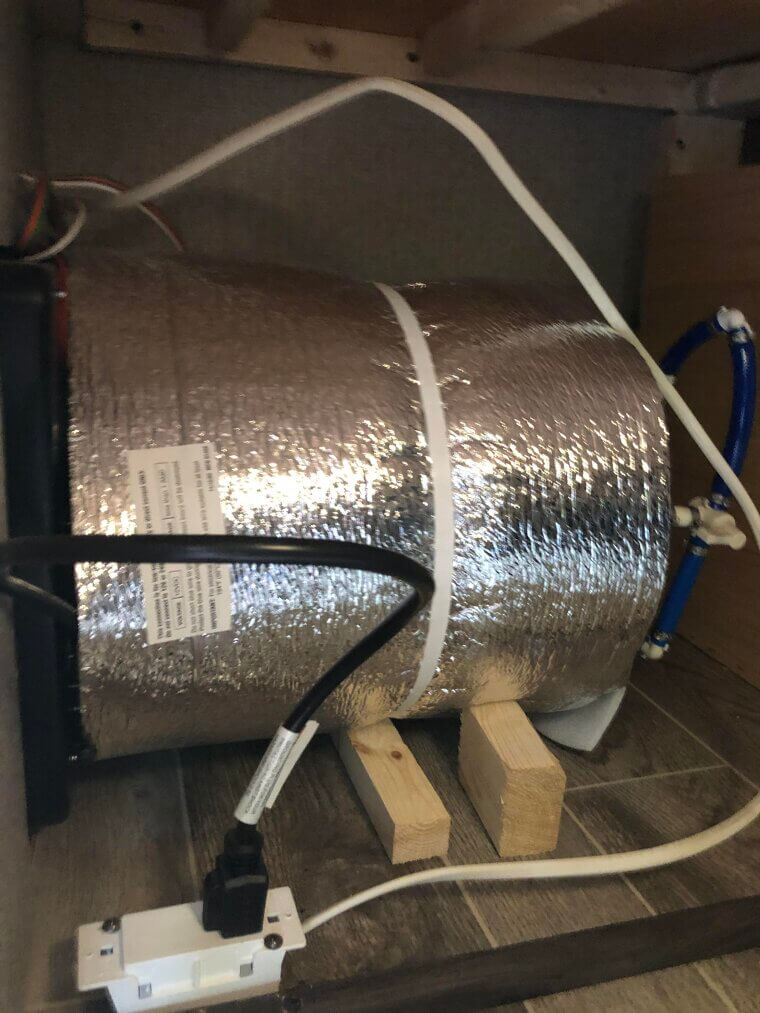
Your water heater works hard to keep a tank full of hot water ready whenever you need it. But if that tank isn't insulated, it's losing heat through the walls all day and all night. That means your heater has to fire up more often just to maintain the temperature, which drives up your gas or electric bill. A simple insulation blanket wraps around the tank and costs about $20 to $30 at any hardware store. Installation takes maybe half an hour with basic tools. You'll feel the difference right away when you touch the tank—it stays warmer longer between heating cycles. Over a year, this small upgrade can cut your water heating costs by 7 to 16 percent. That's real money back in your pocket for almost no effort. This focuses on keeping the stored water hot.
Install Ceiling Fans for Air Circulation
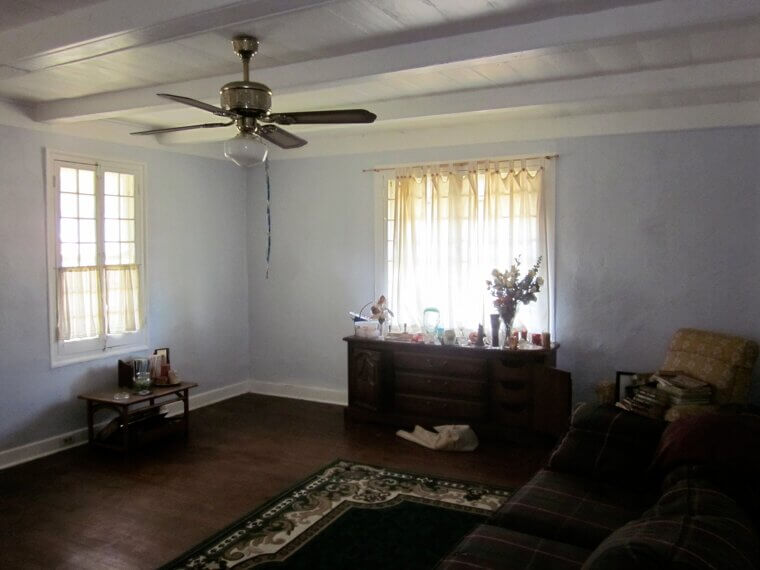
A ceiling fan can cut your air conditioning costs by about 40 percent during summer months. The trick is understanding how they work. Fans don't actually cool the air, they just move it around. That breeze across your skin makes you feel 4 to 6 degrees cooler, so you can set your thermostat higher without feeling uncomfortable. Most people don't realize fans have a switch that reverses the blade direction. In winter, flip that switch so the blades spin clockwise. This pushes warm air down from the ceiling where it tends to collect. You can lower your heating bill too. A basic ceiling fan costs around $75 to $150 and takes an hour or two to install. The payback comes fast when you're running your furnace and AC less often throughout the year.
Add Insulation to Your Attic
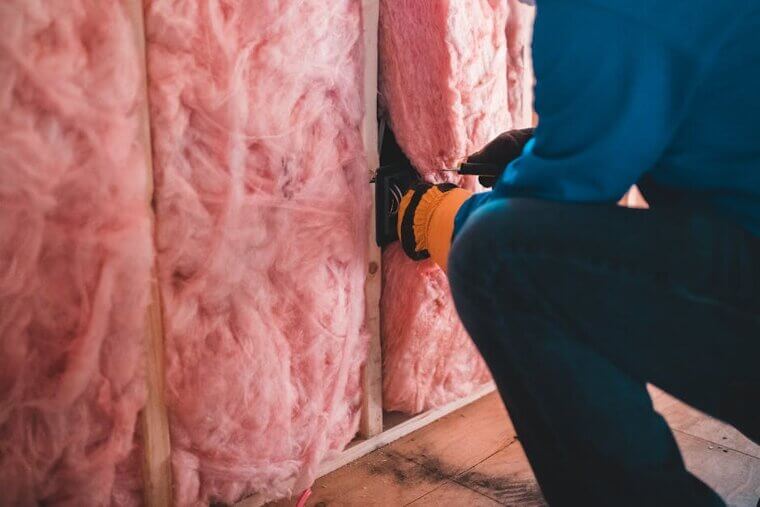
Heat rises, and if your attic isn't properly insulated, all that warmth you're paying for just floats right out through the roof. Most homes built before 1980 have far less insulation than what's recommended today. The Department of Energy suggests R-38 to R-60 for attics in most climates, but many older homes sit at R-19 or less. Adding insulation is one of those projects that pays for itself faster than almost anything else. You can hire a contractor to blow in loose-fill insulation, which typically runs between $1,500 and $3,000 for an average attic, or tackle it yourself with batts from the hardware store for a few hundred dollars. Either way, you'll notice the difference on your next heating bill. Your furnace won't have to work nearly as hard to keep the house comfortable.
Install a Programmable Thermostat
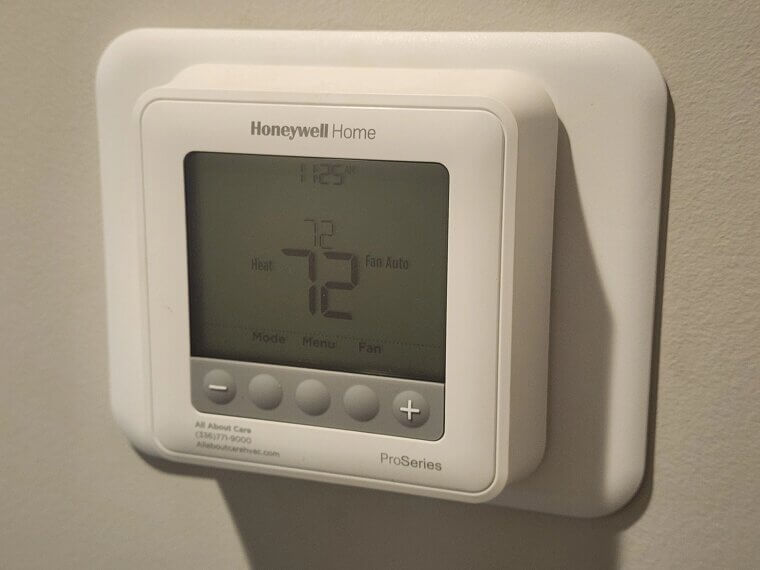
A programmable thermostat lets you set different temperatures for different times of day without touching it every few hours. You can tell it to drop the heat while you're at work or asleep, then warm things up before you get home. The old manual thermostats just sat there at whatever temperature you last set them to, which meant you were heating or cooling an empty house all day long. Most programmable models cost between $30 and $150, and installation is usually straightforward if you can follow the wiring diagram. The Department of Energy says setting your thermostat back 7 to 10 degrees for eight hours a day can cut your heating and cooling costs by around 10 percent a year. That adds up fast when you're running the furnace or air conditioner several months out of the year.
Install Low-Flow Showerheads
Your old showerhead might be dumping five gallons of water down the drain every minute. Low-flow models cut that in half while keeping the pressure strong enough to rinse shampoo. You won't notice much difference in your shower, but you'll definitely notice the drop in your water and heating bills. A family of four can save around 20,000 gallons a year just by switching out a few showerheads. That's less water to heat, which means your water heater runs less. Installation takes about ten minutes with a wrench and some plumber's tape. Most hardware stores sell decent models for under twenty bucks. If your current showerhead is original to a house built before 1992, you're probably using twice as much water as you need to.
Insulate Hot Water Pipes
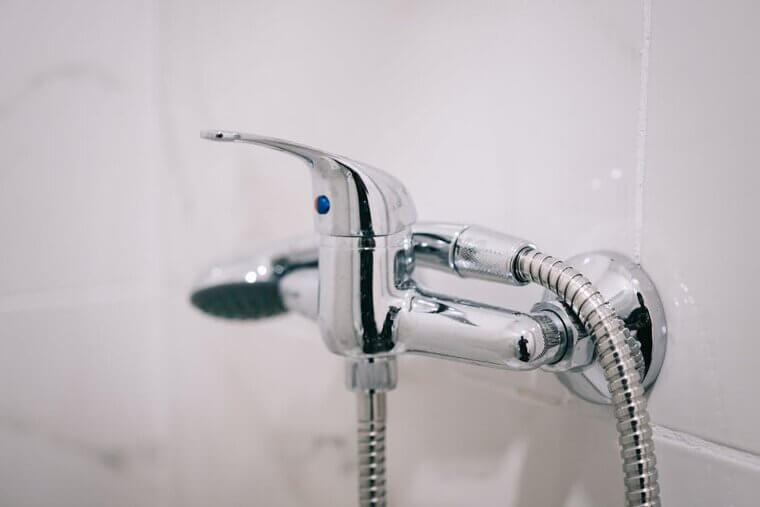
Even with a well-insulated tank, you're still losing heat if your pipes aren't wrapped. Hot water loses temperature as it travels from the heater to your faucet, especially through unheated basements or crawl spaces. Wrapping hot water pipes with foam insulation sleeves costs about $20 for a whole house worth of materials. You can pick them up at any hardware store and install them yourself in an hour or two. The payoff is immediate. Your water stays hotter longer as it travels through the pipes, so you don't have to run the tap as long waiting for hot water. That cuts down on wasted water and wasted energy. Your water heater won't cycle on as often, and that adds up to real savings over time. This addresses the delivery system, not the storage.
Apply Window Film for Insulation
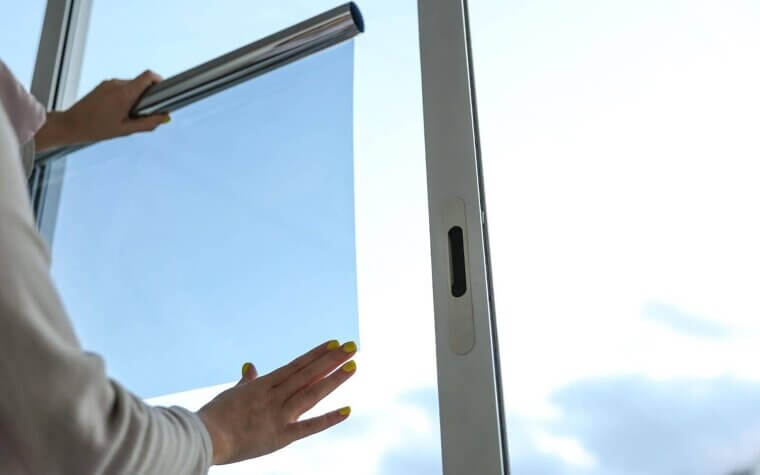
Window film is one of those upgrades you can do yourself in an afternoon, and it makes a real difference. These thin sheets stick right to the glass and add an extra layer of insulation without blocking your view. Unlike caulk that seals gaps in the frame, film addresses heat transfer directly through the glass itself. In winter, it helps keep warm air inside instead of radiating out through cold panes. In summer, it reflects heat before it even gets in. You can pick up a kit at the hardware store for about $20 to $40 per window, and all you need is a spray bottle, a squeegee, and a little patience. The film cuts down on drafts and reduces the strain on your heating and cooling system. Over time, that adds up to lower bills every month.
Clean or Replace HVAC Filters
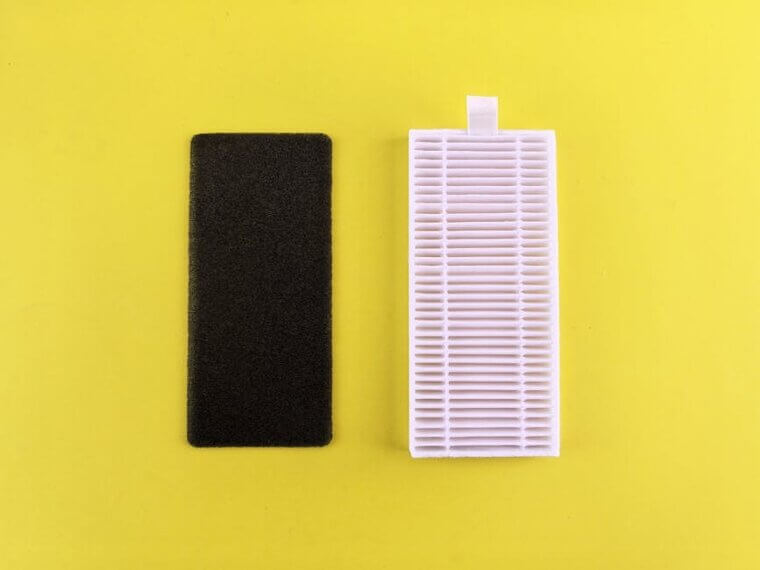
Your heating and cooling system works harder when the filter is clogged with dust and pet hair. A dirty filter blocks airflow, making your furnace or air conditioner run longer to reach the temperature you set. That extra runtime shows up on your electric or gas bill every month. Replacing a standard filter costs about $5 to $15, and it takes maybe two minutes to slide the old one out and pop in a new one. You should check it every month and swap it out when it looks gray or fuzzy. Some people set a phone reminder so they don't forget. If you have pets or live on a gravel road, you might need to change it more often. Clean air moves freely, your system cycles less, and your wallet stays fuller.
Caulk Around Exterior Penetrations
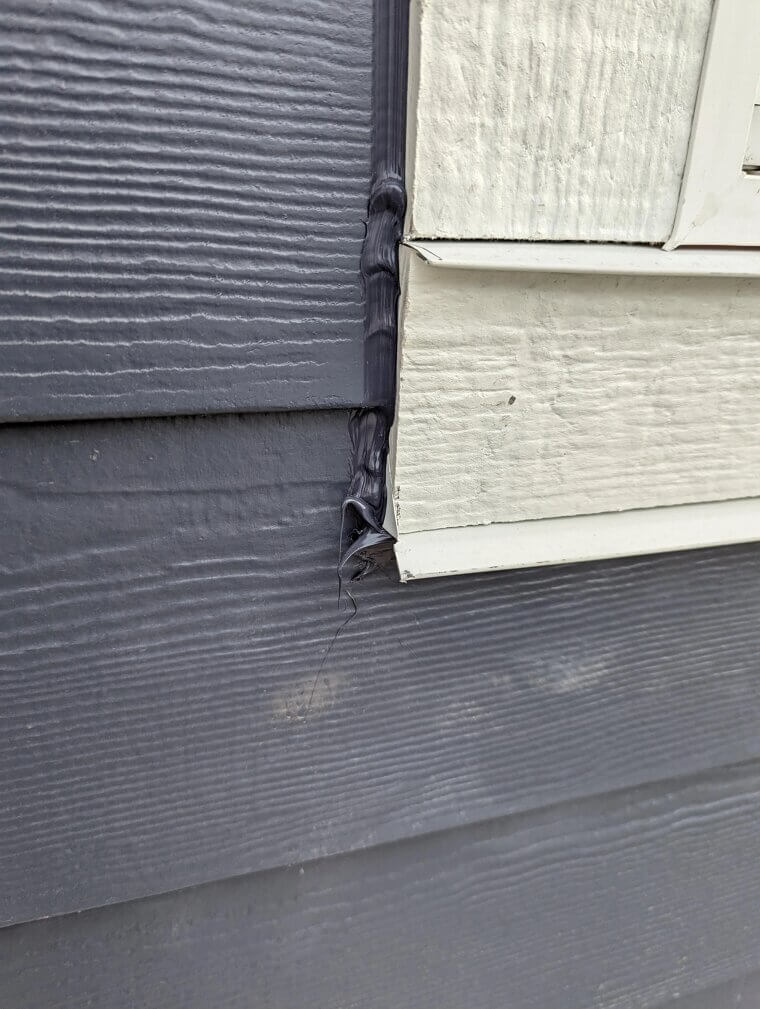
Every place a pipe, vent, or wire pokes through your exterior walls is a potential air leak. Over time, the caulk around these spots cracks and pulls away from the surface. Cold air sneaks in during winter, and your AC-cooled air escapes in summer. You're basically heating and cooling the outdoors. A tube of exterior-grade caulk costs about five bucks and takes maybe an hour to apply around your whole house. Walk around the outside and look for gaps around dryer vents, outdoor faucets, electrical boxes, and cable lines. Clean the area, squeeze in fresh caulk, and smooth it with your finger. That small effort can cut your heating and cooling costs by 10 to 15 percent. You'll feel the difference the next time a strong wind blows.
Install Reflective Radiator Panels
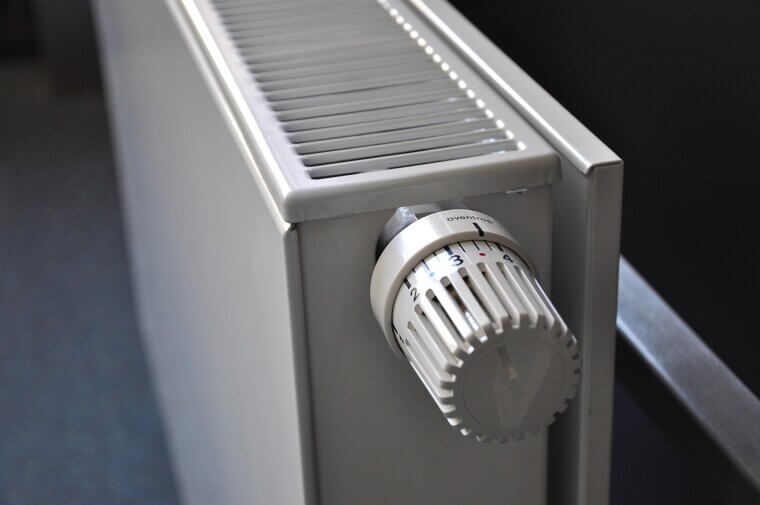
If you have old radiators along exterior walls, you're probably heating the wall more than the room. A simple reflective panel behind each radiator bounces that heat back into your living space instead of letting it soak into the plaster and studs. You can buy ready-made panels at most hardware stores for around ten to fifteen dollars each, or make your own with foil-faced foam board. Just cut it to size and slide it between the radiator and the wall. The difference is noticeable within a day or two. Your room warms up faster, your thermostat doesn't work as hard, and you stop paying to heat the inside of your walls. It's one of those fixes that takes ten minutes but keeps paying you back all winter long.
Add Thermal Curtains or Blinds
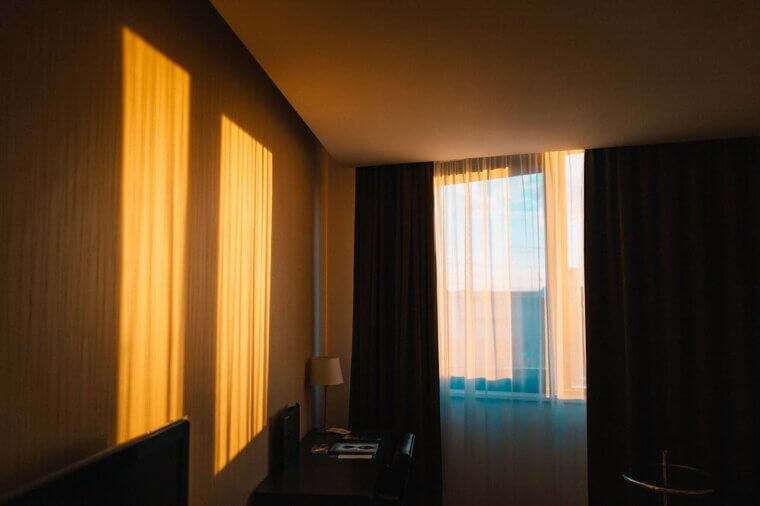
You might not think of your windows as energy leaks, but that's exactly what they are without proper covering. Thermal curtains or insulated blinds create a barrier between your room and the cold glass. They trap air in the fabric layers, which keeps heat from escaping in winter and blocks it in summer. You can find decent thermal curtains for $20 to $40 per window, and they install just like regular curtains. The difference shows up fast. A room with thermal coverings stays warmer without cranking the heat, and your furnace doesn't have to work as hard. Close them at night when temperatures drop, and open them during sunny winter days to let natural warmth in. It's one of those fixes that pays for itself within a year or two.
Seal Ductwork with Mastic
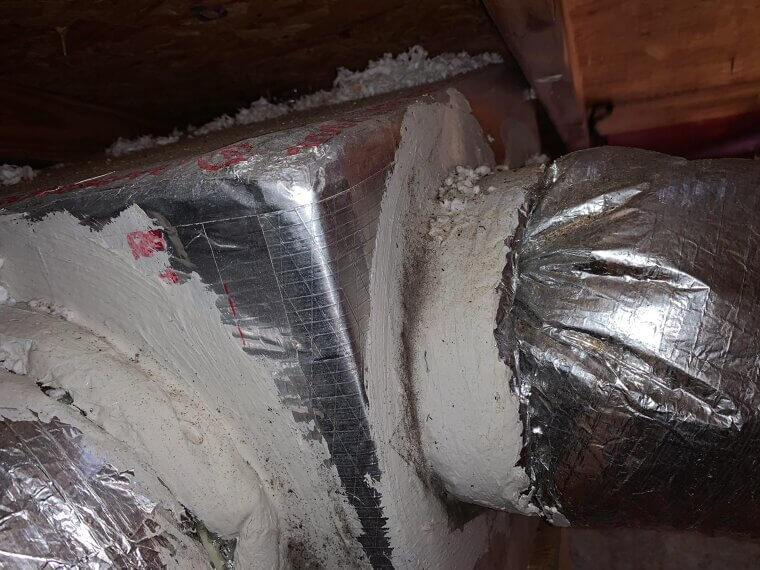
Your heating and cooling system works hard, but a lot of that effort gets wasted if your ductwork has gaps and leaks. Air escapes through tiny cracks at the seams, especially where ducts connect or change direction. You're paying to heat or cool air that never makes it to the rooms you actually live in. Mastic sealant is a thick paste you brush onto those joints and seams. It dries into a flexible, airtight seal that holds up way better than duct tape ever could. You can find it at any hardware store for about $15 a tub, and it goes a long way. Sealing your ducts can cut your heating and cooling costs by 20 percent or more. That's real money back in your pocket every month, just from spending an afternoon in the basement or attic with a brush.
Install Faucet Aerators
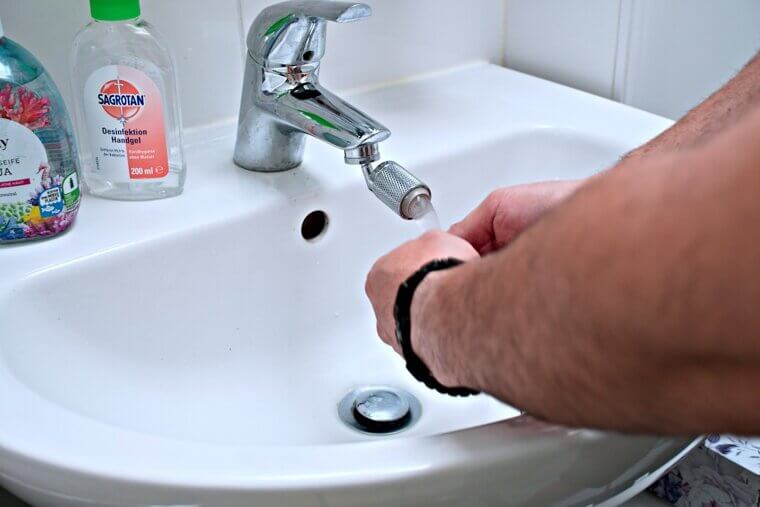
You might be surprised how much water slips through your faucets every minute. Without an aerator, a standard faucet can push out two and a half gallons per minute. That's a lot of heated water going down the drain while you rinse dishes or wash your hands. Aerators cost about three to five dollars at any hardware store, and they screw right onto your existing faucet in under a minute. No tools needed. They mix air into the water stream so it feels just as strong but uses way less water. Most cut the flow down to around one gallon per minute. That means less water to heat, which drops your gas or electric bill. Over a year, that little metal piece can save you fifty to a hundred dollars depending on how much hot water your household uses.
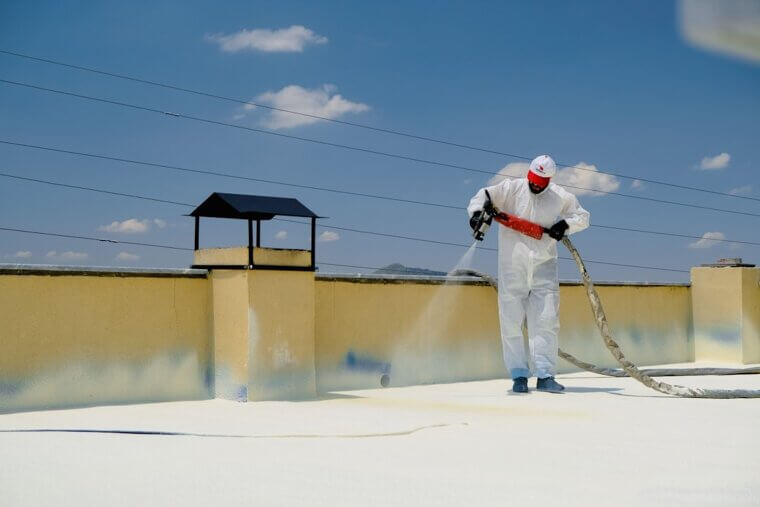
Add Reflective Roof Coating
A white or silver reflective coating on your roof can drop your attic temperature by 30 to 50 degrees on a summer day. That means your air conditioner doesn't have to work nearly as hard to keep the house comfortable. The coating reflects sunlight instead of absorbing it, which is especially helpful if you have a dark-colored roof. You can apply it yourself with a roller or sprayer for around $300 to $500 in materials, or hire a contractor for $1,500 to $3,000 depending on your roof size and pitch. The coating typically lasts 10 to 15 years before it needs a touch-up. In hot climates, homeowners report cutting their cooling costs by 10 to 25 percent after adding a reflective coating. It's one of those upgrades that pays for itself faster than you'd expect.