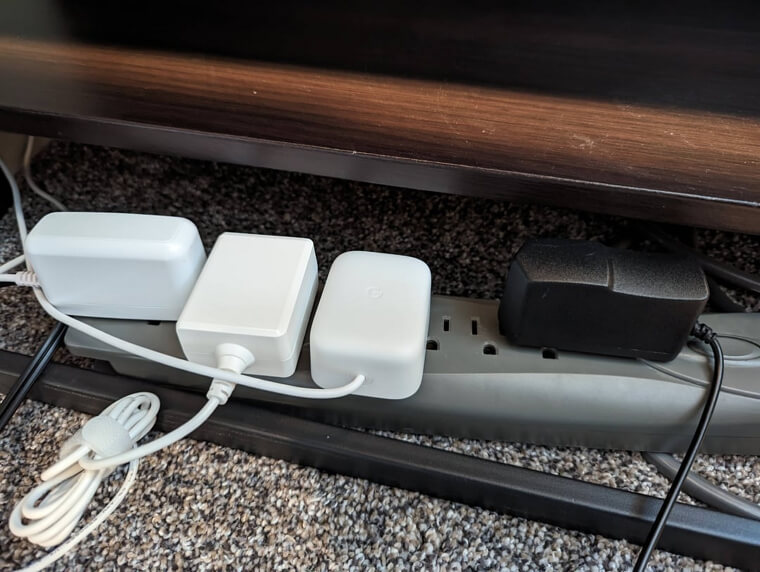
Understanding the Phantom Energy Drain
The concept of "vampire power" or "phantom load" refers to the electricity consumed by devices when they are turned off but still plugged in. Modern electronics rarely achieve a true "off" state; they often remain in standby mode, waiting for a remote signal or keeping an internal clock running. This continuous draw, typically between 1 to 5 watts per device, happens 24 hours a day, seven days a week. While a single phone charger consumes negligible power, the cumulative effect of dozens of devices across an entire home can surprisingly impact your monthly utility bill. The question is whether the resulting savings justify the daily hassle of physically unplugging everything.
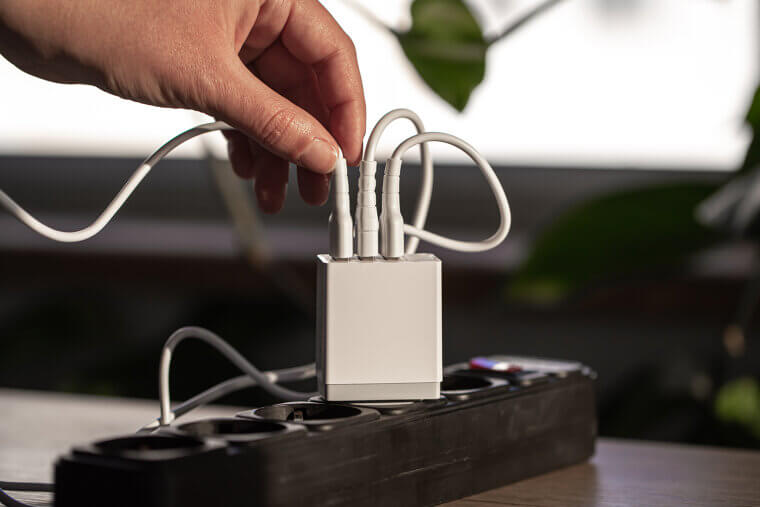
The Biggest Vampire Culprits
Not all devices are created equal when it comes to draining power. The worst offenders are often older electronics or devices designed to be instantly ready. Top energy villains include cable or satellite television boxes, desktop computers, large screen TVs with instant-on features, and gaming consoles. These items maintain a significant standby mode to download updates or wait for a remote command, costing several dollars per month, per device. In contrast, modern battery chargers, such as those for laptops and phones, have become highly efficient and draw almost zero power when the device is fully charged or disconnected from the cord. Knowing which devices matter most allows you to focus your energy saving efforts where they actually count.

Calculating the Real-World Savings
For a typical household with twenty to thirty electronic items, the total annual cost of vampire power usually ranges from $100 to $200. This saving is real and measurable. However, the true cost effectiveness depends on the effort. Unplugging a single major culprit, like an old cable box, is clearly worthwhile. Systematically reaching behind furniture to unplug every clock, microwave, and small appliance, however, becomes inconvenient and unsustainable for most people. The financial benefit exists, but the inconvenience often outweighs the mental effort. It is cheaper to unplug everything, but practicality suggests a strategic approach is better.
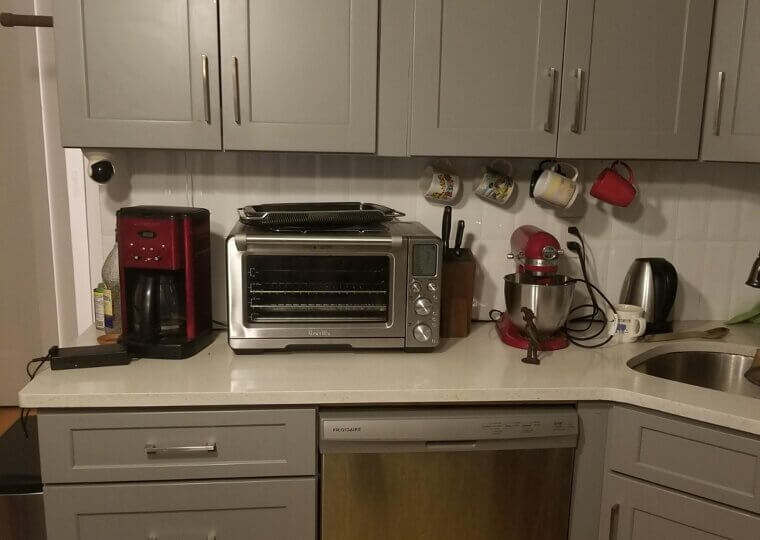
Strategic Alternatives to Constant Unplugging
Fortunately, you do not have to become a slave to your wall sockets to save money. The most efficient strategy involves using smart power strips. These strips cut power to peripheral devices (like speakers and gaming systems) when the main device (like the TV or computer) is turned off. Another excellent option is installing simple, remote-controlled smart plugs. These devices allow you to cut power to an entire entertainment center with a single click from your phone or a remote control, eliminating the phantom load without requiring you to constantly bend and reach behind furniture. This strikes the perfect balance: realizing the savings without sacrificing modern convenience.
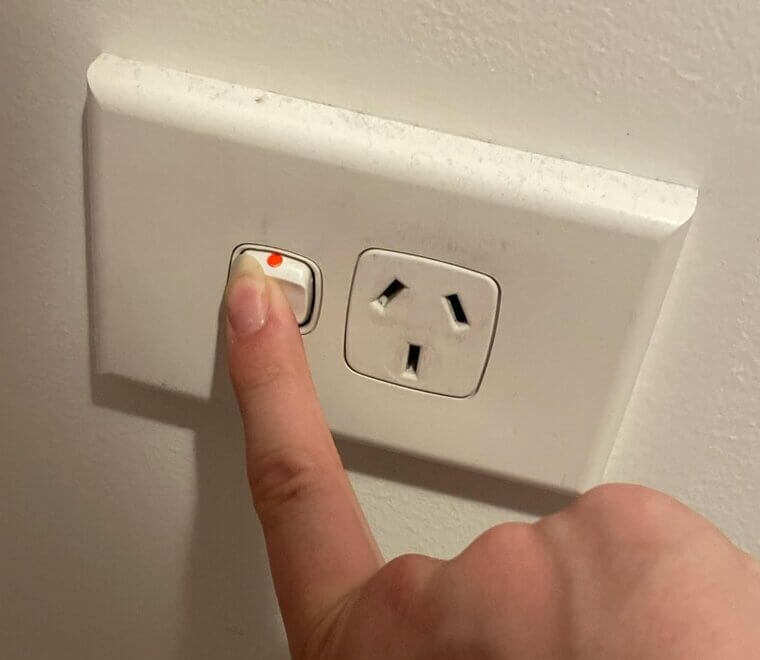
The Verdict: Balancing Savings and Sanity
While the simple answer to the question is yes, it is financially cheaper to unplug every device when not in use, the more practical answer demands balance. Chasing every single milliamp of phantom power by manually unplugging every appliance is not a sustainable habit for the modern home. The minimal savings offered by low-draw devices do not warrant the time and effort. The real money is saved by targeting the biggest culprits like cable boxes and old monitors. By strategically using power strips and smart plugs, you capture the vast majority of the vampire energy savings with almost zero daily inconvenience. Focus your efforts on automation, not aggravation, to keep your utility costs down effectively.