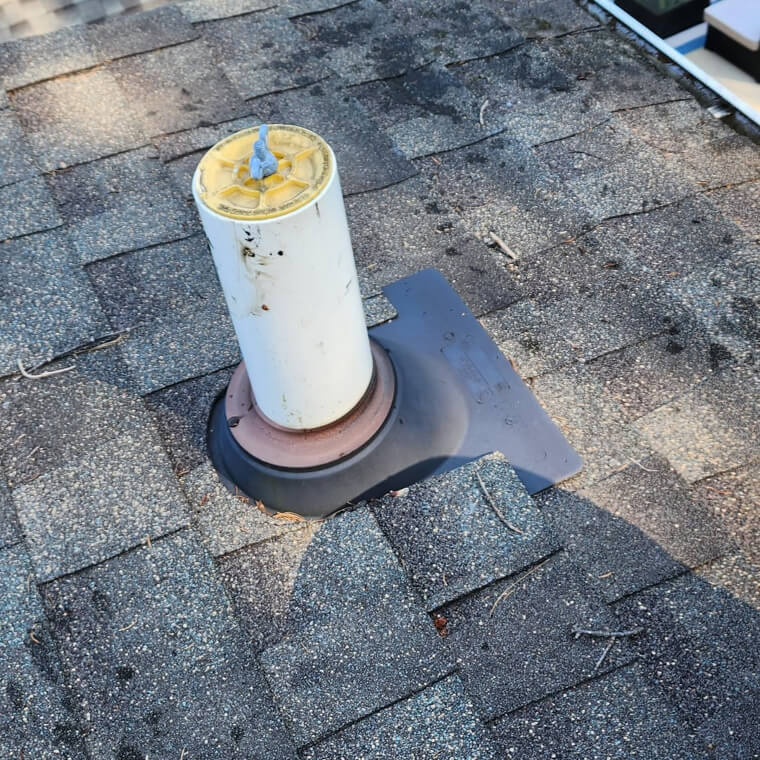
The "Too Many Wires" Problem in Electrical Boxes
You know how you try to cram too many groceries into one bag? That's what happens when you stuff too many wires into a small junction box. Electrical boxes have strict limits on the number of cables and connectors they can safely hold. Overstuffing them prevents heat from escaping, which can lead to overheating, melted wiring, and eventually, a fire. The Fix: If the box is cramped, you need a bigger box or you need to split the circuit into two. Also, always double-check that the crucial ground wire is correctly connected, it's your home's main safety net against shocks.
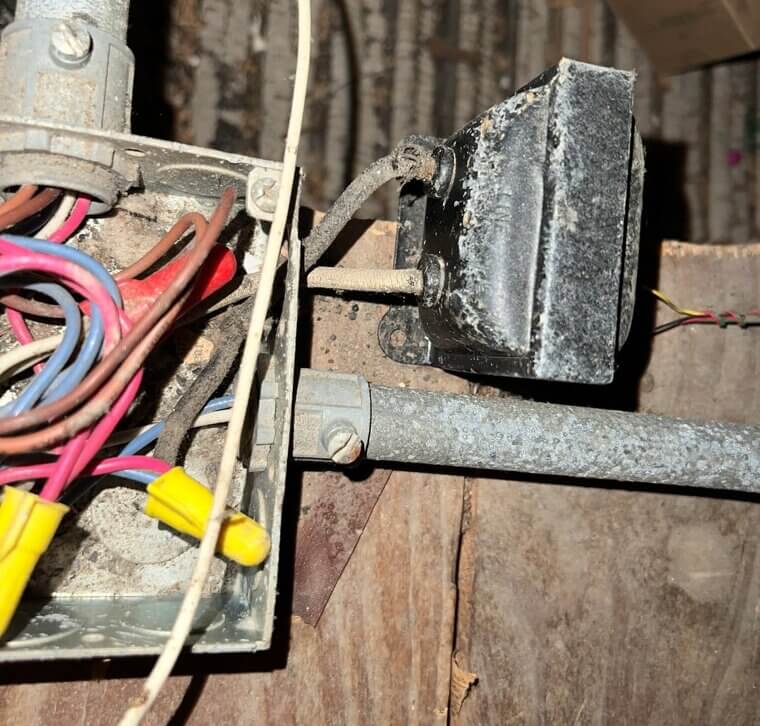
Using Plastic Hoses for the Dryer Vent
This is one of the biggest fire hazards in older homes! While cheap, thin plastic or vinyl hoses might seem easy to install behind the dryer, they are fire waiting to happen. Lint collects easily in the ridges, and the plastic itself isn't fire-resistant. The Fix: Always use smooth, rigid aluminum or galvanized metal ductwork for your dryer vent. It allows lint to pass through easily, and it won't burn if the heating element overheats.
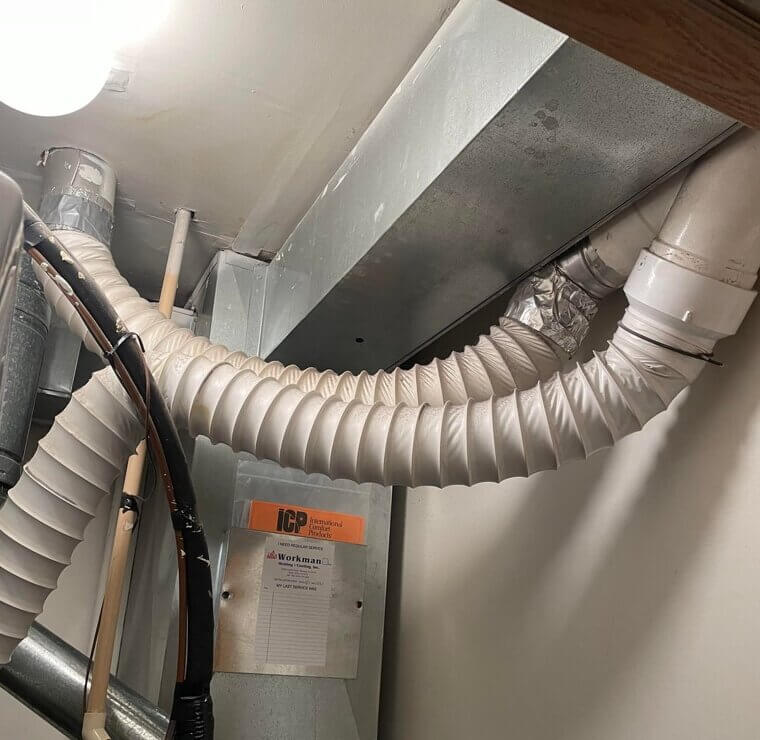
Cutting Through a Load-Bearing Wall
This is the big one that can literally make your floors sag! You might see a wall and think, "I'll just take that out to open up the kitchen." If that wall is holding up the floor or roof above it (a "load-bearing" wall), removing it without installing a massive steel or wooden support beam (a header) will cause major structural damage over time. The Fix: Never assume a wall is non-structural. Consult a professional or use online resources to determine if a wall is load-bearing before you even pick up a sledgehammer.
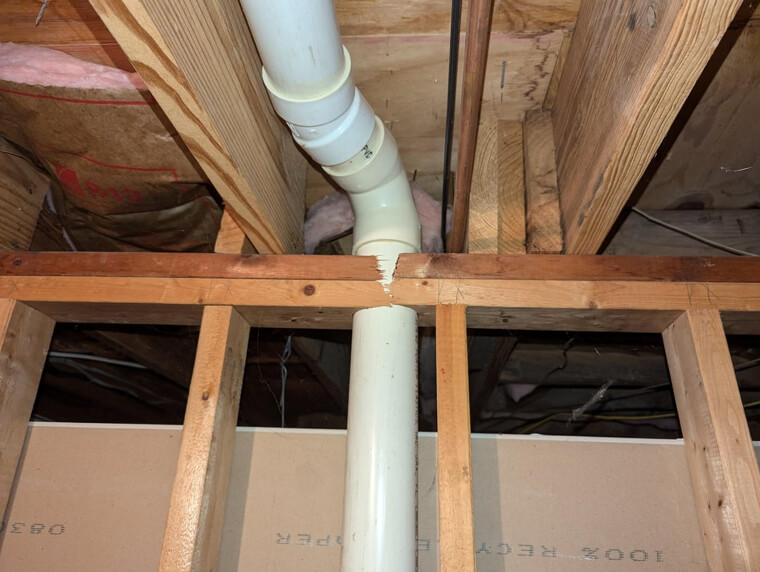
Venting Bathroom Fans Into the Attic
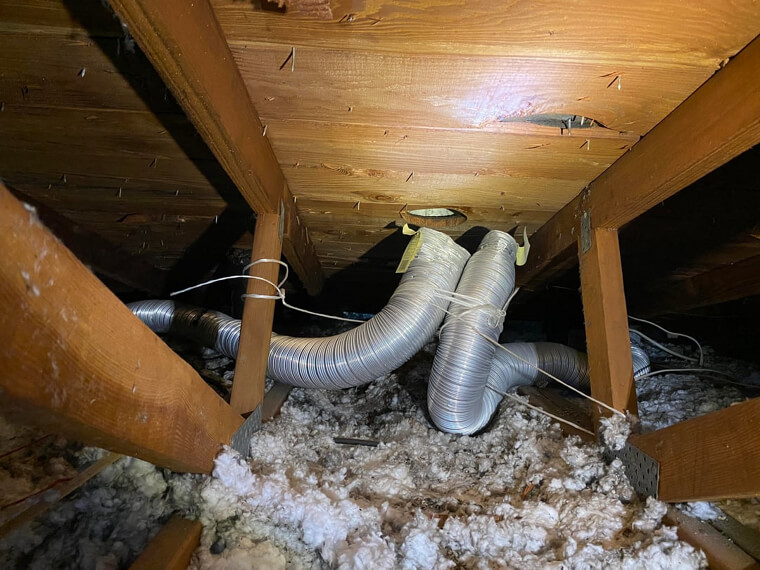
A bathroom fan's job is to pull humid, steamy air out of your house, but where does that moisture go? If you simply vent it into your attic space, all that damp air gets trapped. In the winter, that moisture condenses, soaks the wood framing and insulation, and creates the perfect environment for mold and rot. The Fix: The vent hose must always run all the way to a dedicated, weather-sealed cap on the exterior of the house (the roof or a side wall).
Installing Basement Windows That Are Too Small
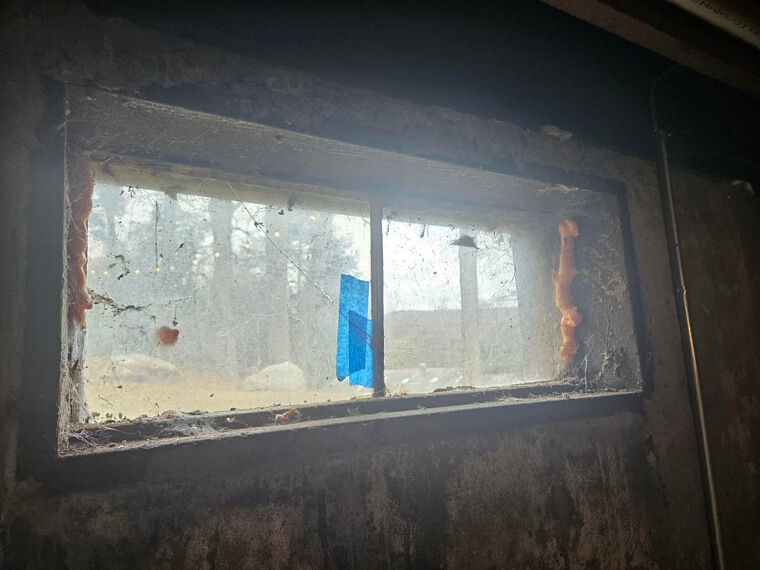
If you turn your basement into a cozy guest bedroom or a rental unit, you need a "means of egress"—a code-compliant way for a person to escape in case of a fire. Many DIYers install windows that are too small or too high off the floor to meet these strict safety rules. The Fix: If you're turning a basement area into a sleeping space, the window you install must be large enough for an adult to climb through and must have an easily accessible escape ladder or window well.
Attaching a Deck Directly to the House Siding
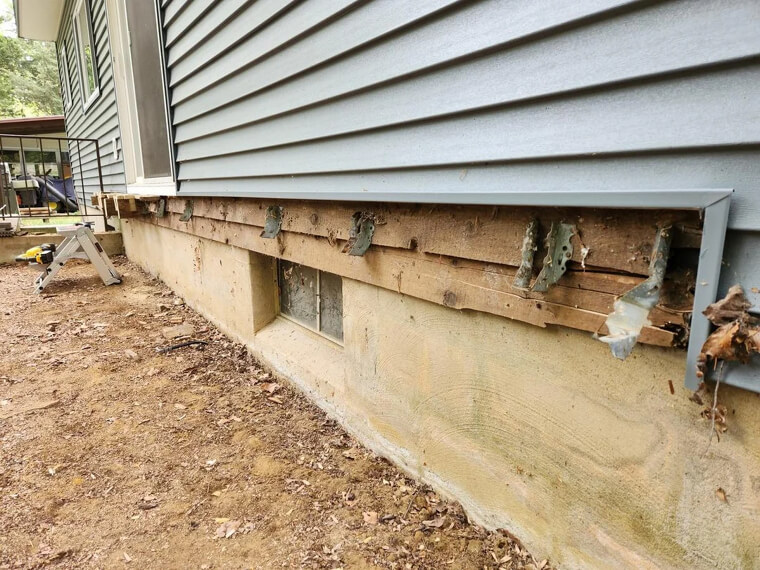
Building a deck is a popular DIY project, but a shockingly high number of deck collapses happen because the ledger board (the main board connecting the deck to the house) wasn't attached correctly. Simply nailing it to the siding or using weak screws is not safe. Water also gets trapped behind it, rotting the main structure of your home. The Fix: The ledger board must be attached directly to the house's band joist using heavy-duty bolts and proper flashing (a waterproof shield) to prevent water from entering the wall structure.
Making Stair Risers Uneven
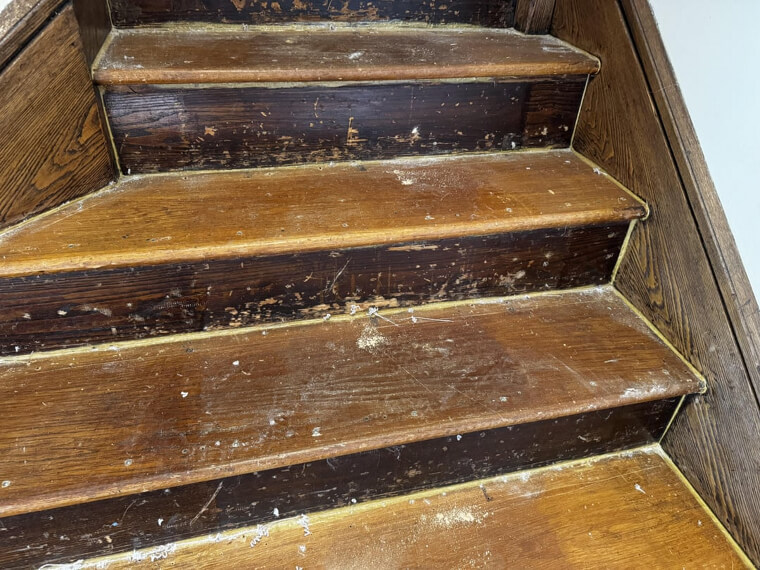
Have you ever walked up a set of stairs where one step is just slightly shorter or taller than the others? It's a major tripping hazard, especially for older joints. Building codes require the height of every stair riser (the vertical part) to be almost perfectly uniform, usually within a fraction of an inch. The Fix: When building or remodeling stairs, measure every single riser height before installing the final tread boards. Consistency is the key to stair safety.
The Missing (or Wrong) Plumbing Vent Pipe
This one causes those embarrassing gurgling noises in the sink or, worse, stinky sewer gas backing up into your bathroom. All plumbing traps (the U-shaped pipe under the sink) need a vent pipe that connects to the roof. This allows air in, helping the water drain properly and preventing sewer gas from being pulled into your home. The Fix: If you install a new sink or fixture, make sure it is connected to a proper DWV (Drain-Waste-Vent) system. Ignoring the vent will lead to slow, noisy drainage and unpleasant smells!