Scented Detergents and Dryer Sheets
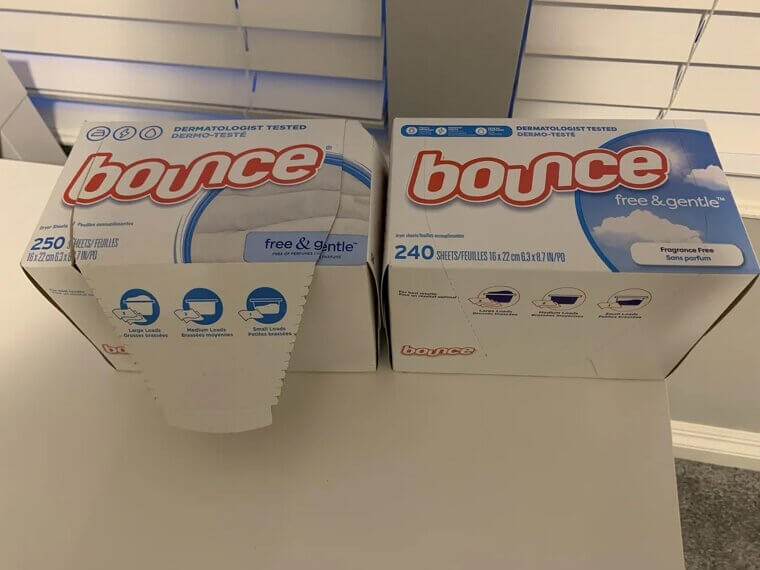
Many people associate the smell of "fresh laundry" with a clean home, but scented detergents and dryer sheets are often major contributors to indoor air pollution. These products frequently contain volatile organic compounds (VOCs) and synthetic fragrances that vent directly into your living space.
Chemicals like acetaldehyde and benzene found in some scented laundry products can irritate the lungs or trigger asthma attacks. Because these toxins linger on fabrics, you breathe them in all day and night. Switching to fragrance-free or plant-based alternatives is a simple and effective way to clear the air in your home immediately.
Chemicals like acetaldehyde and benzene found in some scented laundry products can irritate the lungs or trigger asthma attacks. Because these toxins linger on fabrics, you breathe them in all day and night. Switching to fragrance-free or plant-based alternatives is a simple and effective way to clear the air in your home immediately.
Bleach and Ammonia-Based Cleaners
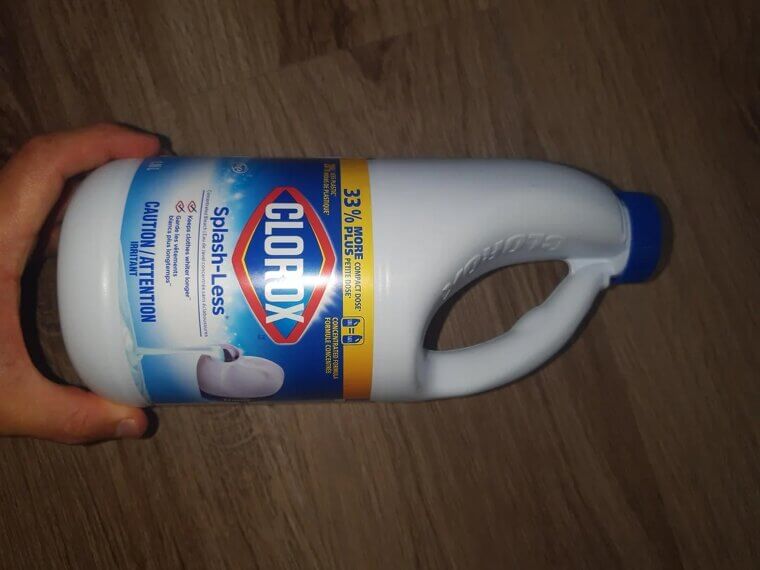
These types of cleaners smell “clean” but hit your nose like a punch. When you use bleach or ammonia, they release strong gases that irritate your throat, eyes, and lungs. And if you accidentally mix them? Even worse. Many people don’t realize these fumes linger long after you’re done cleaning. It’s like inviting a tiny invisible cloud to hang around your home and annoy your breathing.
Disinfectant Sprays
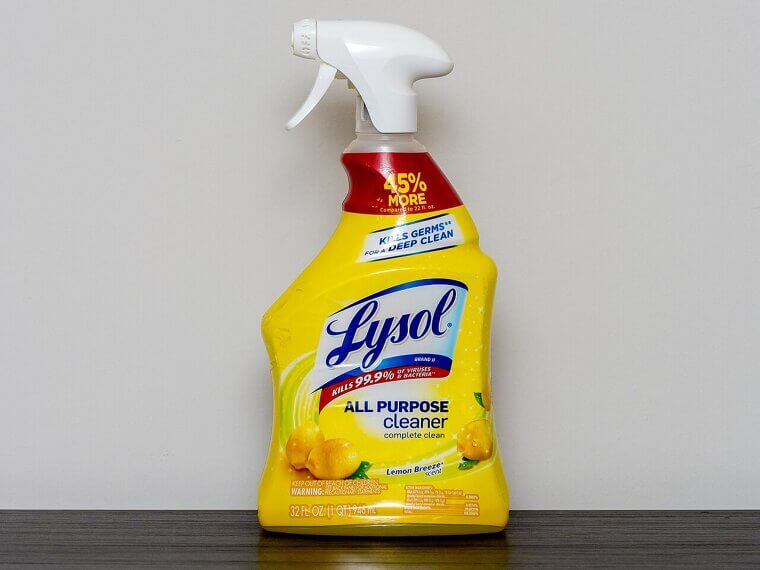
Disinfectant sprays look super convenient. Just spray and walk away, right? But the chemicals inside don’t disappear into thin air. They float around and get into your lungs. Experts warn that these sprays can inflame your airways, especially if you already deal with allergies or asthma. So you think you’re cleaning, but you might actually be irritating your lungs instead.
Plug-In Air Freshener, Sprays, and Scented Gels
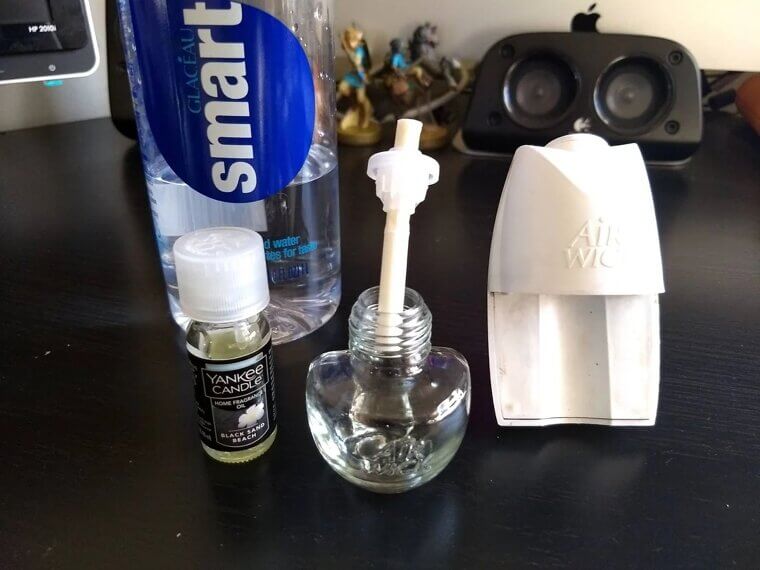
Air fresheners may seem harmless because they smell so nice, but the scents come from chemicals like VOCs and phthalates. They slowly release into the air all day, every day. You don’t notice it at first, but your body does. Some people get headaches, stuffy noses, or scratchy throats, so it feels like your air freshener is always betraying you with that false promise of “freshness.”
Paraffin Wax and Scented Candles
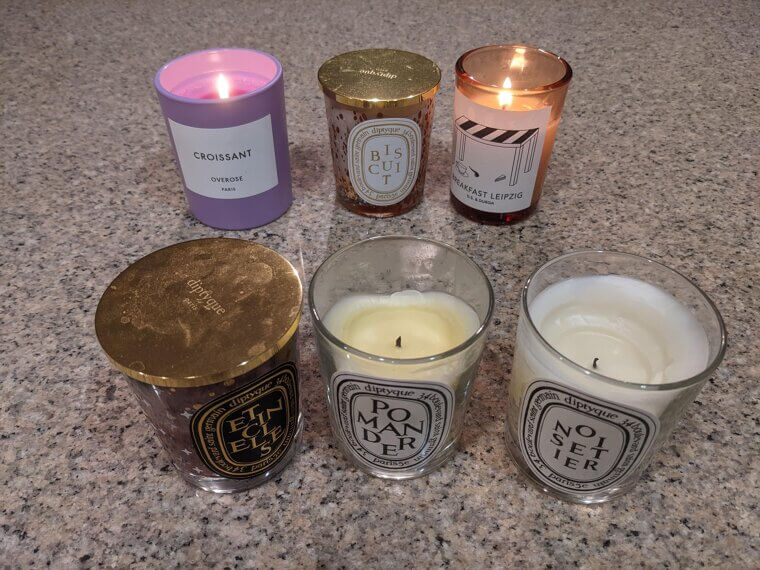
Candles are cozy. But many are made from paraffin wax, which isn’t the cleanest thing to burn. When you light them, they release soot, tiny particles, and even things like benzene. And those strong fragrances? They’re usually synthetic. So while your living room smells like “Ocean Breeze Bliss,” the air might not be so blissful for your lungs.
Incense Sticks and Cones
Incense smells super calming, but burning it creates a surprising amount of smoke. Experts say that smoke contains fine particles that can get deep into your lungs, along with chemicals that aren’t great to breathe in. If you burn it often in a closed space, it’s almost like having a mini campfire indoors.

Bug Sprays and Flea Bombs
Bug sprays and flea bombs are basically little pesticide bombs for your house. They kill bugs, sure, but the chemicals don’t magically evaporate. Instead, they settle on surfaces and float in the air long after the bugs are gone. Breathing in these fumes can irritate your lungs and make your indoor air feel heavy and chemical-y.
Oil-Based Paints and Wood Varnishes
When you paint or varnish something, that new-paint smell isn’t your friend. Oil-based products release a ton of VOCs, and they continue releasing them even after the paint dries. This can go on for days or even weeks. So you think your project is done, but your air quality is still paying the price.
New Furniture and Synthetic Carpets
That “new couch smell” or “new carpet smell” is basically chemicals escaping from the materials. They also often release formaldehyde and flame retardants into the air. You don’t notice them because the scent blends in, but your air quality definitely does. It’s one of those hidden indoor pollution sources people don’t think about.
Dry-Cleaned Clothes
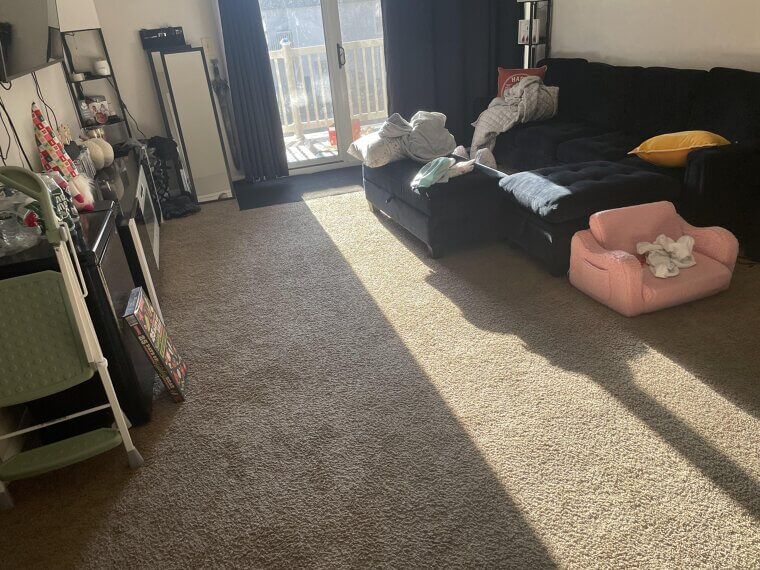
When you bring home clothes from the dry cleaner, they can release a chemical called perchloroethylene. It’s strong, it’s stubborn, and experts warn it’s not great to breathe in. You might notice a sharp smell if you put the clothes right into your closet. That smell? It’s the fumes escaping and spreading through your home.

Furniture Polish and Shoe Polish
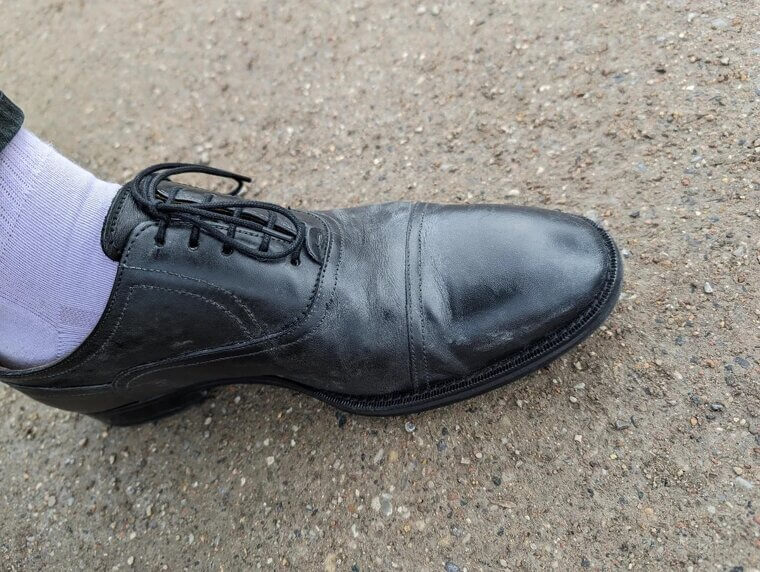
Polishes make things shiny, but many contain petroleum distillates and VOCs that evaporate into your air. You can smell it instantly - that strong chemical scent usually means your lungs are getting a tiny workout they didn’t sign up for. The fumes become even more noticeable when you use them in small spaces.
Hair Sprays and Nail Polish Remover
Beauty products can be sneaky. Hair sprays and nail polish removers release chemicals like acetone and toluene, which evaporate fast and float everywhere. You breathe them in without realizing it. They can irritate your eyes, nose, and lungs, especially in bathrooms with poor airflow. It’s crazy to think that such small products create such strong fumes.
Cigarettes and Cigars
It’s no surprise that cigarette and cigar smoke is one of the biggest indoor air pollutants. It fills your home with tiny particles that linger for hours. The smell sticks to furniture, walls, and even your hair and clothes. It also releases chemicals that are really harmful to breathe in. Experts warn that it affects everyone in the home, not just the smoker.

Wood-Burning Stoves and Fireplaces
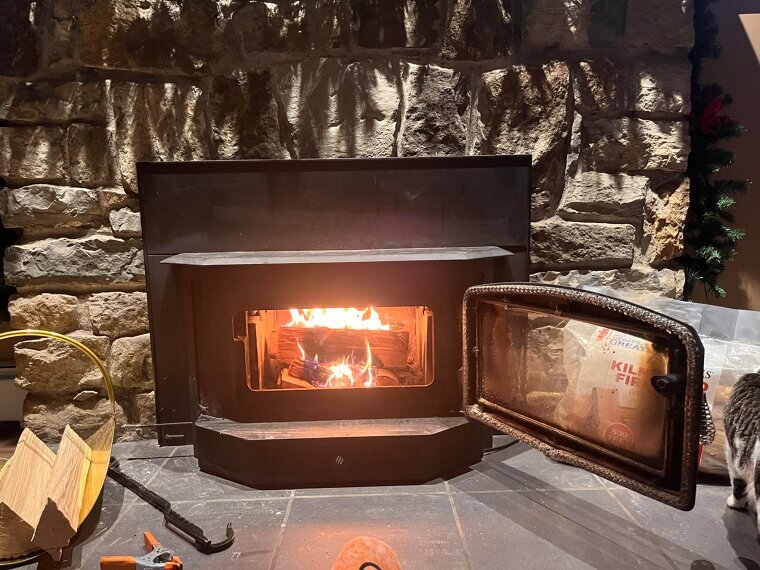
Fireplaces feel cozy, but the smoke they create isn’t great for indoor air. Even small leaks or imperfect ventilation can let fine particles and carbon monoxide into the room. These particles go deep into your lungs. So while the fire crackles, the air might be quietly getting dirtier.
Cooking Oils
Frying foods at high heat means the oil breaks down and releases tiny particles and aldehydes into the air. You can’t see them, but they spread fast. That lingering cooking smell is often a sign that your air has lots of little particles floating around. Good ventilation helps, but frying still makes indoor air a bit messy.

Vacuum Cleaners Without HEPA Filters
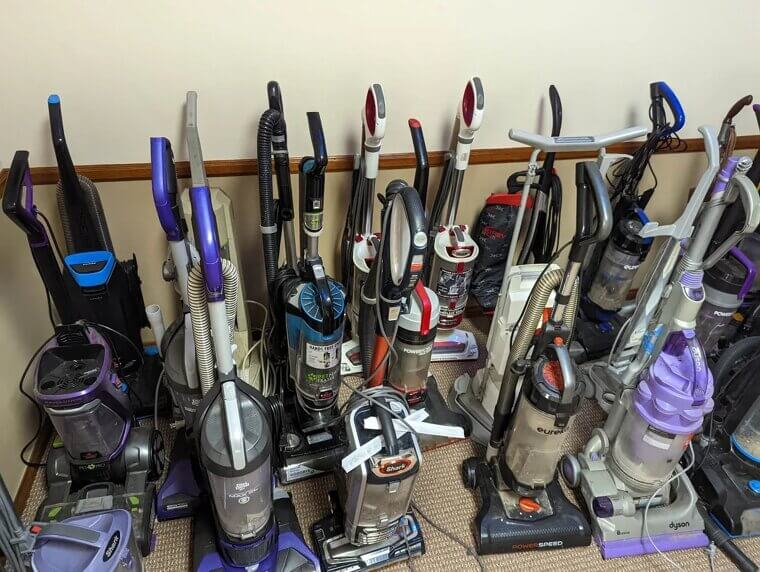
A vacuum without a good filter doesn’t trap dust - it just redistributes it. You vacuum and think you’re cleaning, but the vacuum blows fine dust, allergens, and even microbes back into the air. It’s like giving your house a dust storm every time you clean. A HEPA filter makes a huge difference.
Craft Supplies
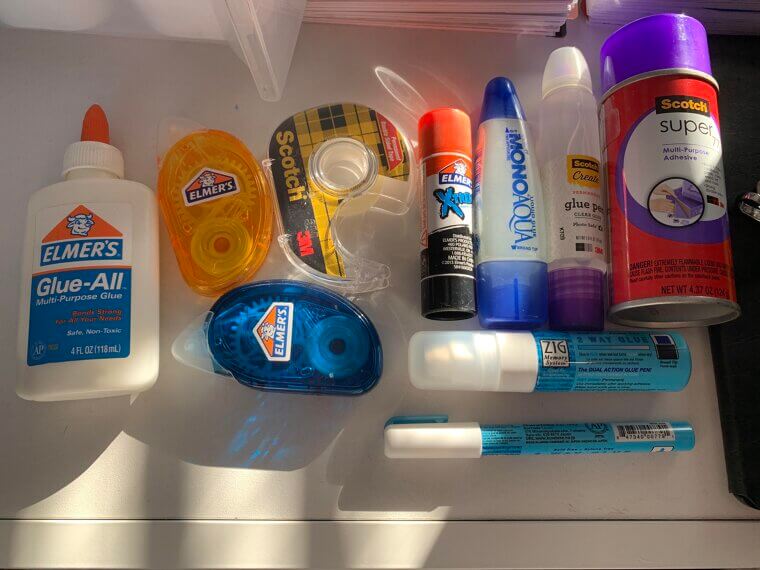
Crafting is super fun, but many crafting supplies contain strong VOCs. When you use glue, markers, or spray paint indoors without good airflow, the fumes hang around. The smells can give you headaches or make your throat scratchy. It’s surprising how quickly the air gets heavy when you’re working on a little project at the kitchen table.
Plastic Storage Bins and Containers
New plastic items often release chemicals like BPA and phthalates. You might notice a “plastic smell” when you open the packaging - that smell is chemicals escaping into your air. It’s not super harmful in tiny amounts, but over time, it adds up. Experts say it’s better to let new plastic items air out before using them.

Printers and Copiers
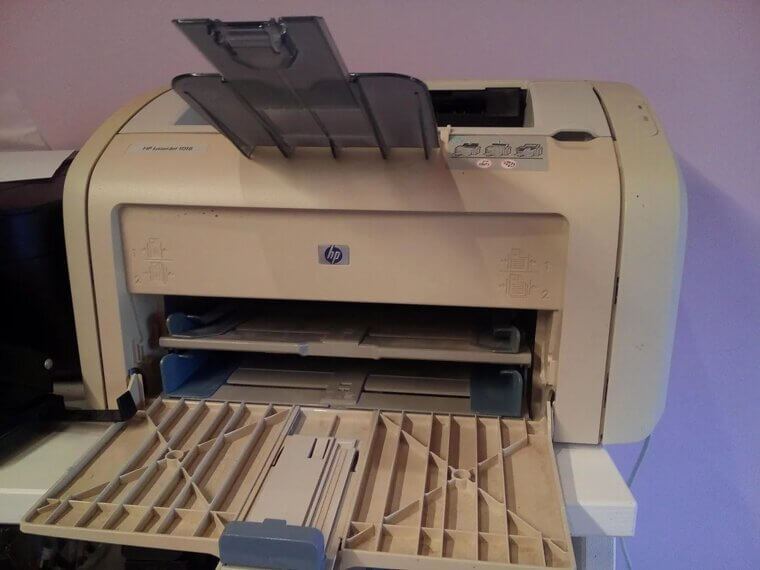
When printers and copiers run, they can release ozone and ultrafine particles. You don’t see it, but the air feels stuffy after a long printing session. In small rooms, it becomes really noticeable fast. That warm printer smell? It’s actually a sign of chemical particles drifting through the air.
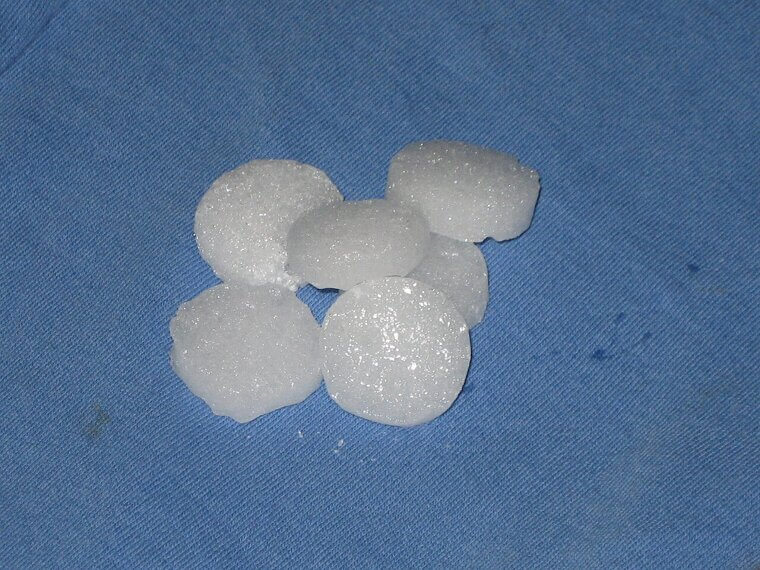
Mothballs
Ah, Granny’s favorite insect deterrent. Mothballs have a very strong smell because they release fumes continuously. Those fumes contain chemicals like naphthalene, which experts warn can irritate the lungs and may even be linked to long-term health risks. They evaporate slowly, so the smell spreads into closets, bedrooms, and anywhere nearby.