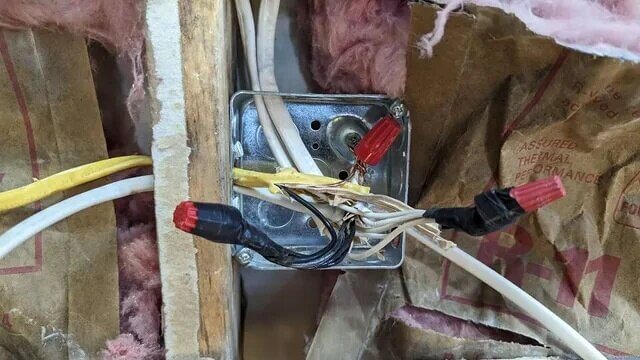
DIY Electrical Work Without Permits
Handy electrical fixes might work fine on an average day, but buyers and inspectors notice exposed wiring, messy panels, or non standard outlets that raise safety concerns. Even if nothing is technically wrong, the lack of permits creates doubt. That doubt often leads to longer inspections, more questions, and requests for repairs or credits. Buyers may worry about what else was done without approval, even if the rest of the house looks well maintained. Inspectors tend to flag unpermitted work clearly in reports, which can stall negotiations or scare cautious buyers away. What felt like a money saving DIY project can quietly turn into a liability when it comes time to sell, reducing confidence and overall value.
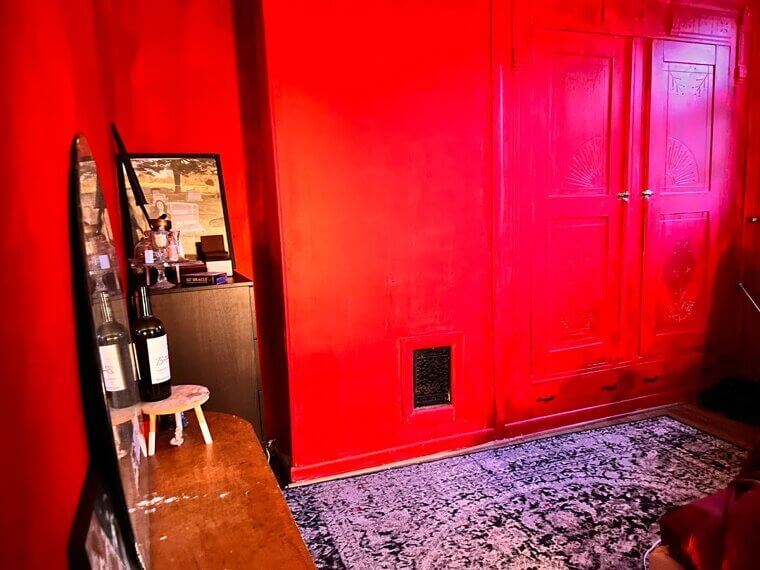
Painting Everything a Super Bold Color
While using neon green, fire truck red, or bright purple for your walls may make you feel creative and unique, future buyers may be scared away by the bold paint choice. Most home buyers want to see a neutral palette that they can imagine living in right away. Bold colors make rooms appear smaller, making it difficult for buyers to envision what they could do with the space. What feels like a creative painting choice now can become an expensive repaint job later.
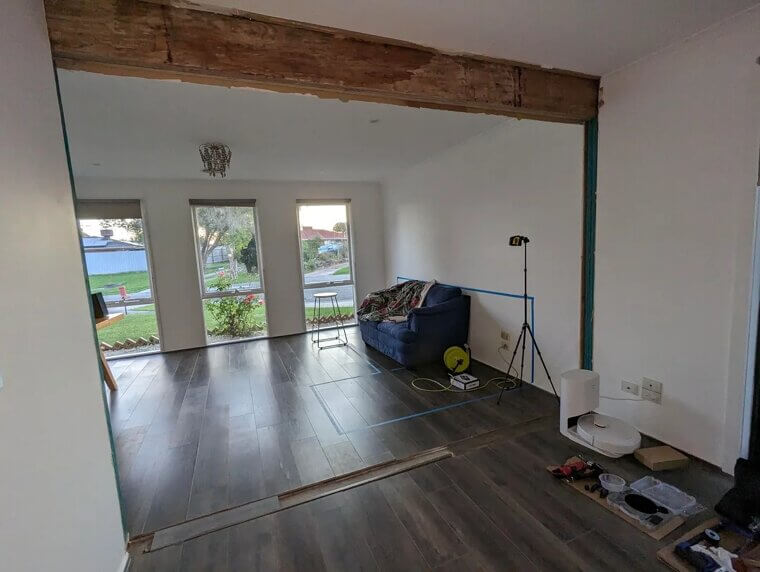
Removing a Bedroom to Make One Huge Room
Although knocking down walls to create a single large room seems like an upgrade, it usually backfires. Most buyers care more about bedroom count, not about large rooms. Even though you may appreciate the luxury of a large room, potential buyers will see it as a decrease in functionality and an inconvenience.
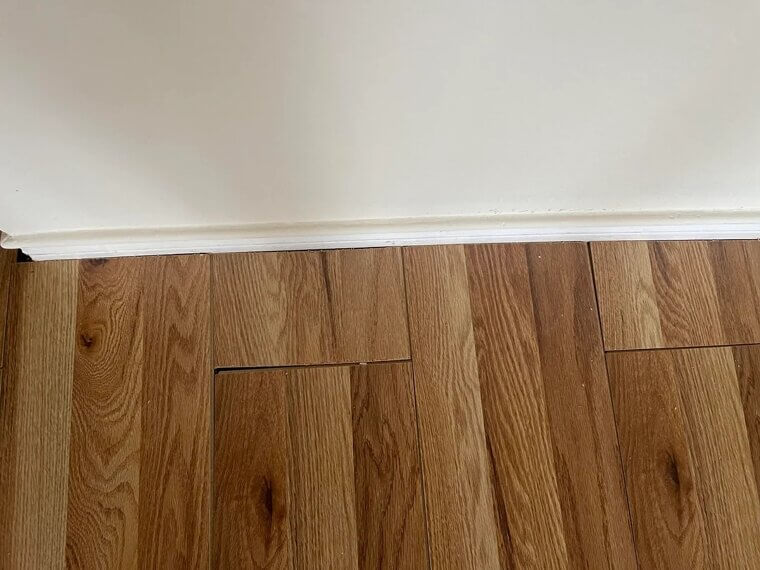
Cheap Laminate Flooring Installation
If you install low-quality laminate flooring yourself, you may instantly devalue your home. Buyers will notice the gaps, uneven edges, and hollow sounds of low-quality laminate flooring, leading them to believe the homeowner cut corners in other areas of the home. In most cases, buyers will use rushed flooring jobs and poor-quality flooring to negotiate a lower sale price.
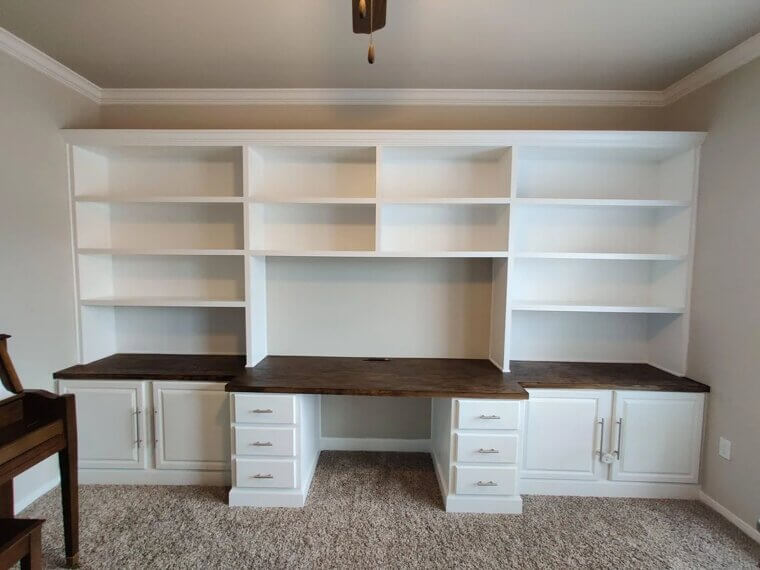
Over-The-Top Built-In Furniture
Built-in desks, shelves, or benches limit how the next owner can use that space. Just because the built-in furniture works well for you doesn't mean it'll work well for the next person. Many buyers view this furniture as obstacles instead of features.
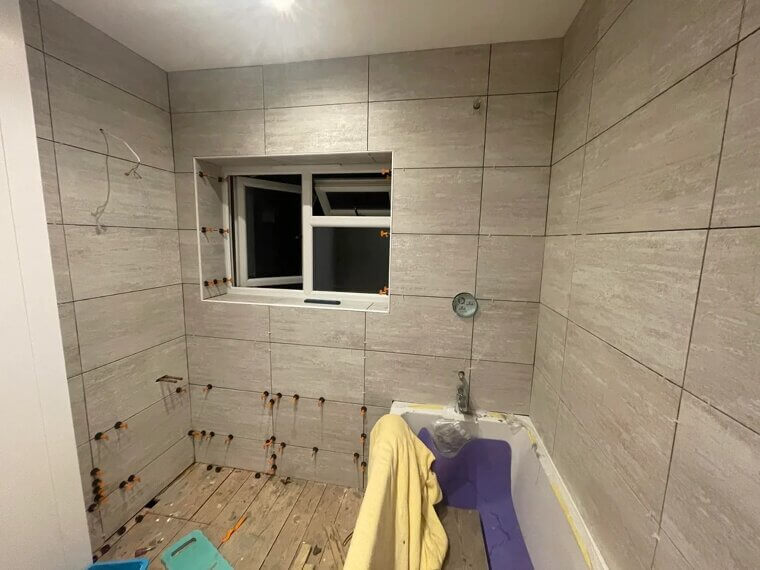
DIY Bathroom Tile Without Proper Planning
Bathroom tile looks easy until grout lines wander and cuts get sloppy. Uneven tile work stands out immediately and signals amateur renovation. Since bathrooms are high-value rooms, mistakes here hurt more than elsewhere.
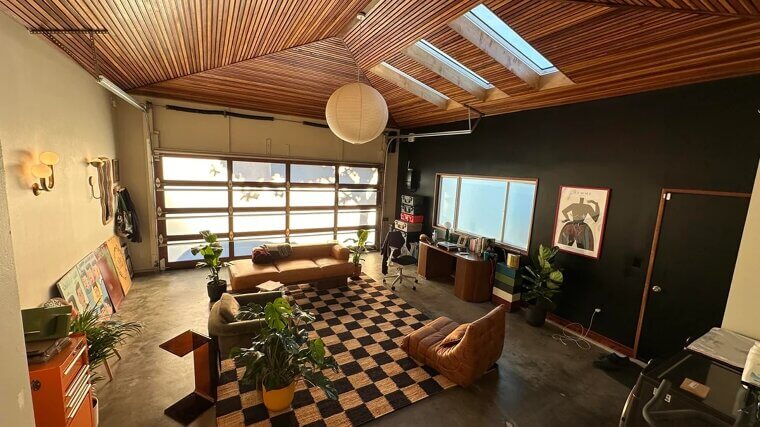
Turning the Garage Into a Living Space
Converting a garage into a bedroom or hangout room may make you feel like you’re gaining square footage, but many home buyers actually prefer buying a home that has a garage. Removing the garage limits parking options, limits storage space, and decreases resale expectations.
Installing Carpet in Kitchens or Bathrooms
Installing carpets in areas that typically get wet always makes buyers cringe. The carpets absorb odours, easily become stained, and signal outdated thinking. Even if it was installed recently, most people assume it will need to be ripped out right away. That replacement cost gets mentally deducted from the offer price before negotiations even begin.
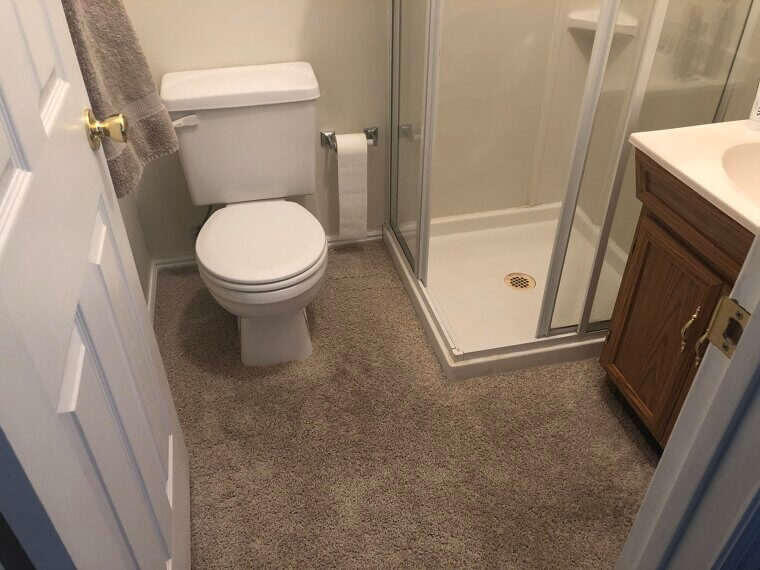
Removing Closets to Make Rooms Bigger
Taking out closets to gain floor space seems smart until buyers start counting storage. Closets are a big deal, especially in older homes where storage is already limited. A bedroom without a closet may not even qualify as a bedroom in some markets. That change can quietly reduce value more than most people expect.
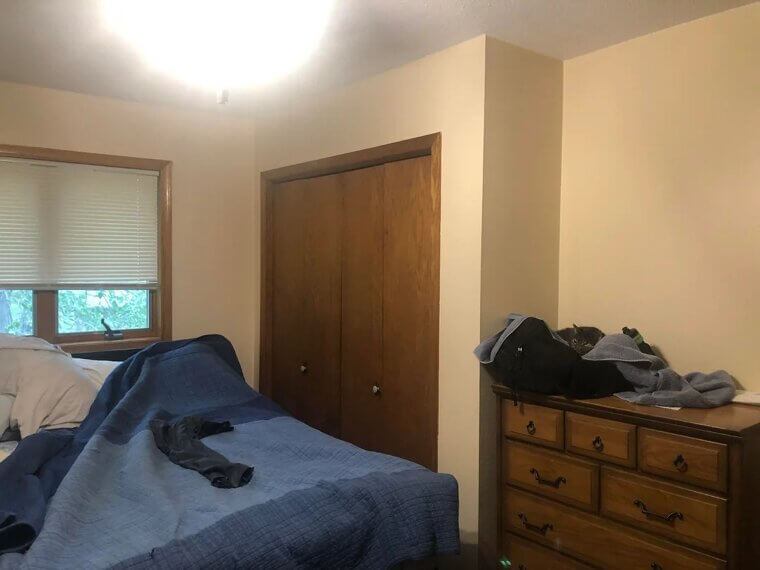
Overpersonalized Accent Walls
Accent walls that are customized using heavy textures, faux finishes, or bold patterns may look stylish when installed, but they end up reducing the appeal of the property. Many prospective buyers view these walls as additional labour, rather than something that exhibits character.
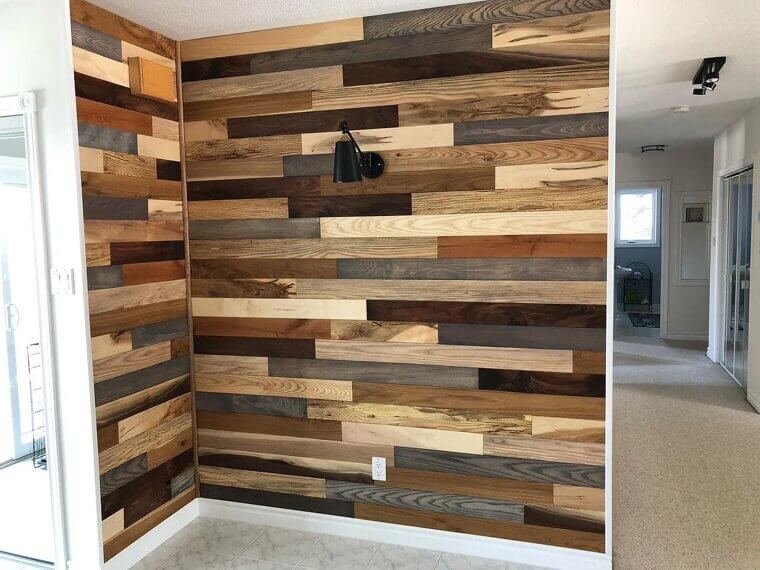
Converting a Bathtub Into Only a Shower
Removing a tub from a bathroom to install a large walk-in shower can be detrimental to the value of a property. Most buyers with children prefer to have a tub in the bathroom, and see its absence as a problem. Even beautiful showers cannot replace the basic functionality of a bathtub.
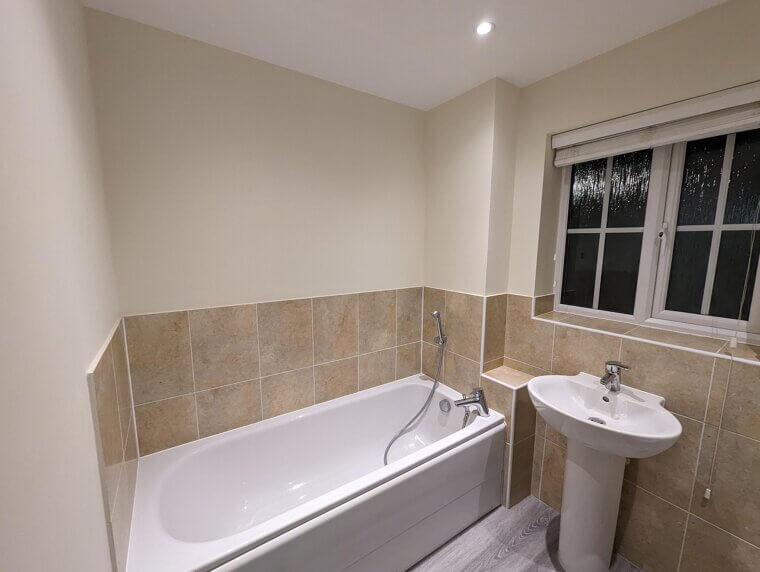
DIY Kitchen Cabinet Painting
While a painted cabinet looks fantastic when done by professionals, most DIY painted cabinets usually show brush lines and peeling edges. Kitchens typically have the highest value to potential buyers, and kitchen cabinets that are in poor condition may result in substantially lower offers than otherwise would have been expected.
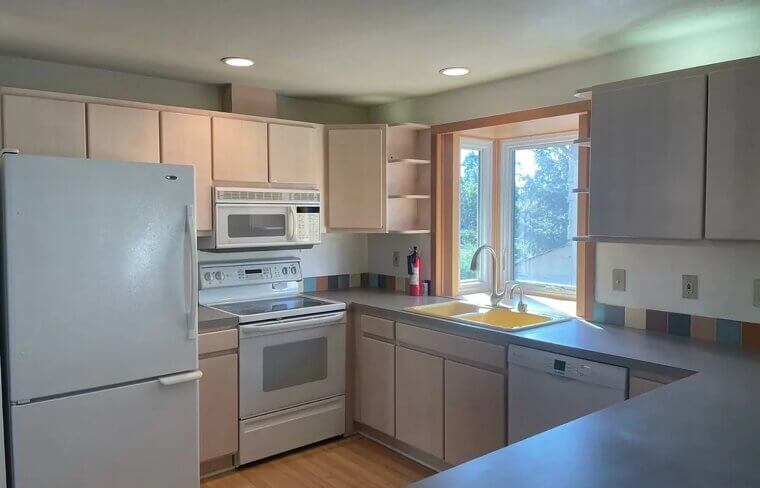
Installing Trendy Fixtures That Age Fast
Ultra-modern faucets, lighting, or hardware can look cool for a moment, but date a home quickly. When trends shift, buyers see replacement work instead of upgrades. If fixtures also clash with the home’s style, it feels even worse. Timeless choices usually protect value better than bold statements that lock the house into one short-lived look.
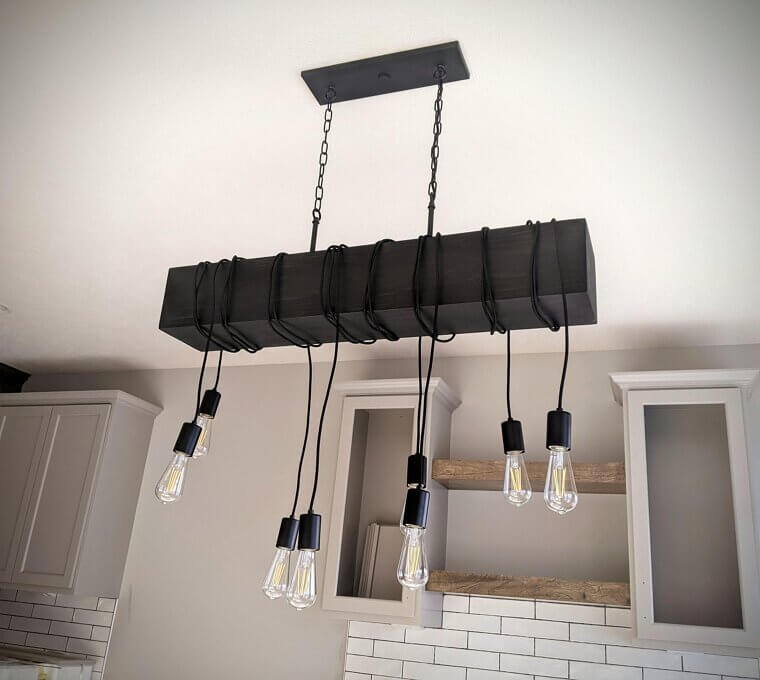
Closing Off Rooms to Create Specialty Spaces
Turning a bedroom into a home gym, theater, or craft room by closing doors or walls reduces flexibility. Buyers want rooms that they can easily adapt to their own needs. Specialty layouts feel limiting and sometimes awkward. Even if the work is neat, people mentally price in the cost of undoing it to restore a more standard floor plan.
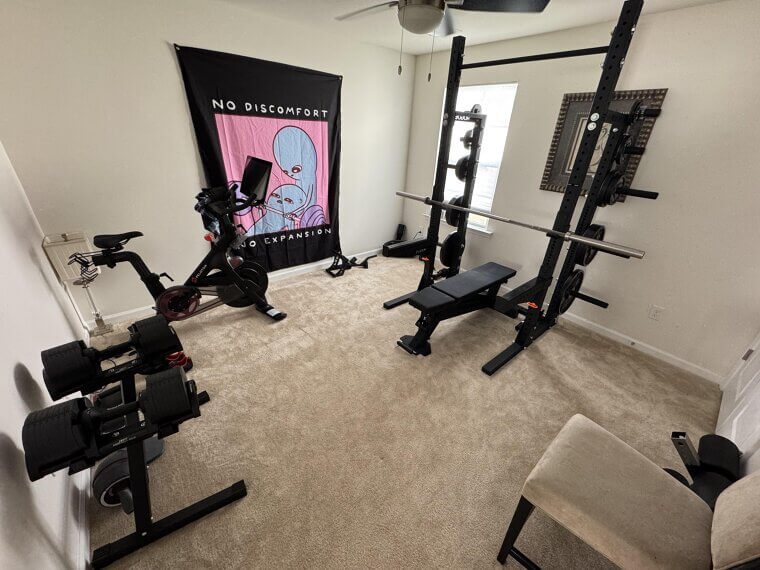
Poorly Installed Peel and Stick Materials
Peel and stick flooring, backsplashes, or tiles can look fine at first, but often peel, bubble, or shift over time. When installation is sloppy, it becomes very obvious. Buyers usually assume these will need removal. Instead of seeing a quick upgrade, they see extra labor and mess waiting for them after closing.
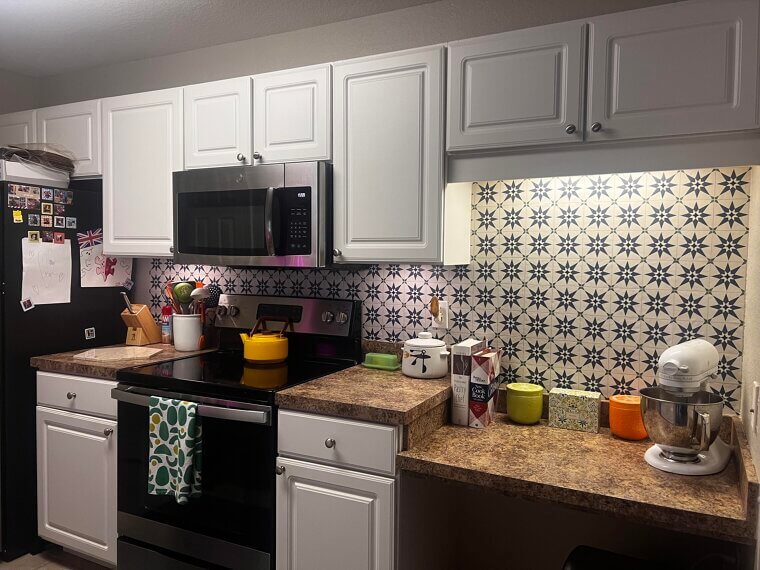
Removing Mature Trees for a Cleaner Look
Cutting down mature trees may seem like a way to modernize the yard, but many buyers value shade, privacy, and established landscaping. Once trees are gone, they cannot be replaced quickly. A bare yard often feels hotter and less inviting. Instead of boosting curb appeal, removing healthy trees can quietly lower a home’s perceived value.

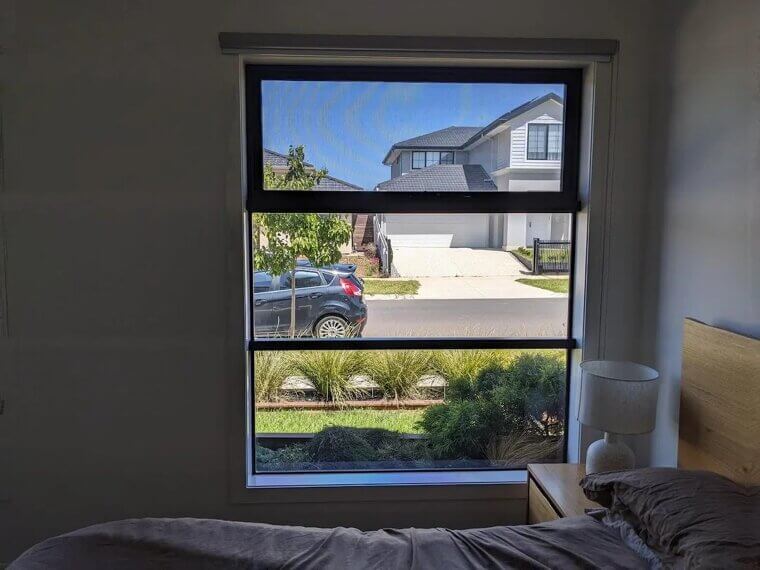
DIY Window Tinting or Film Installation
Applying window film yourself often results in bubbles, peels, or an uneven look from the street. It can make rooms feel darker and raise questions about what the tint is trying to hide. Professional solutions are one thing, but DIY tint jobs usually come across as cheap fixes that need removal.
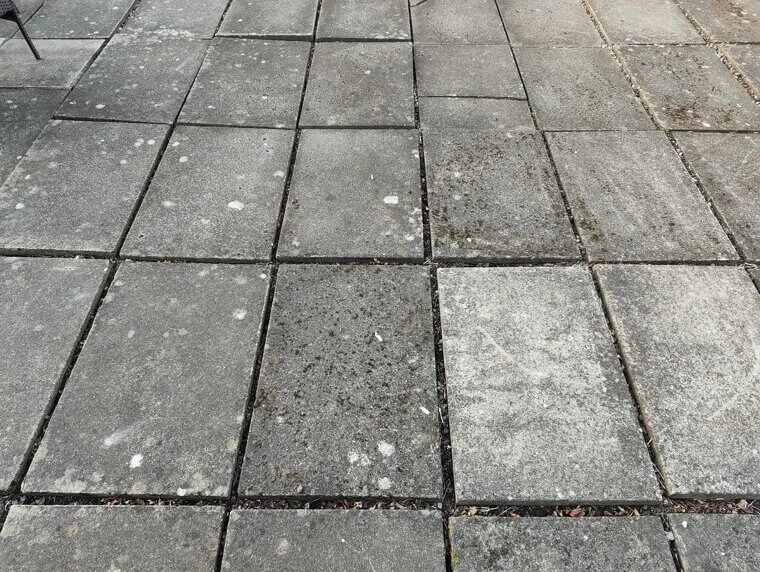
Converting Lawn Space Into Permanent Hardscaping
Replacing grass with large concrete slabs or heavy stone might reduce maintenance, but it also removes flexibility. Many buyers want outdoor green space for pets or kids. Permanent hardscaping can feel harsh and uninviting. When landscaping limits how a yard can be used, people start calculating the cost to undo it rather than appreciating it.
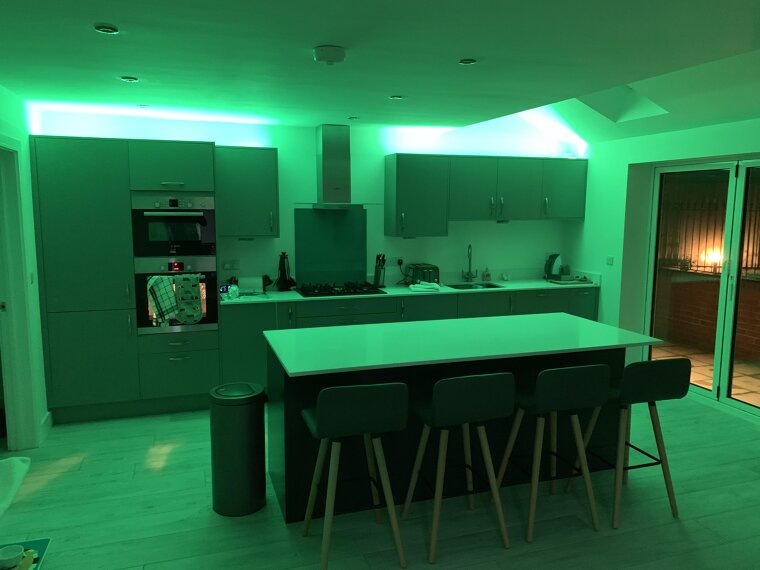
Installing DIY Accent Lighting Everywhere
Too many LED strips under cabinets, along ceilings, and behind furniture can overwhelm a space. What feels fun at night can look chaotic during the day. Exposed wires and mismatched lighting temperatures are especially distracting.
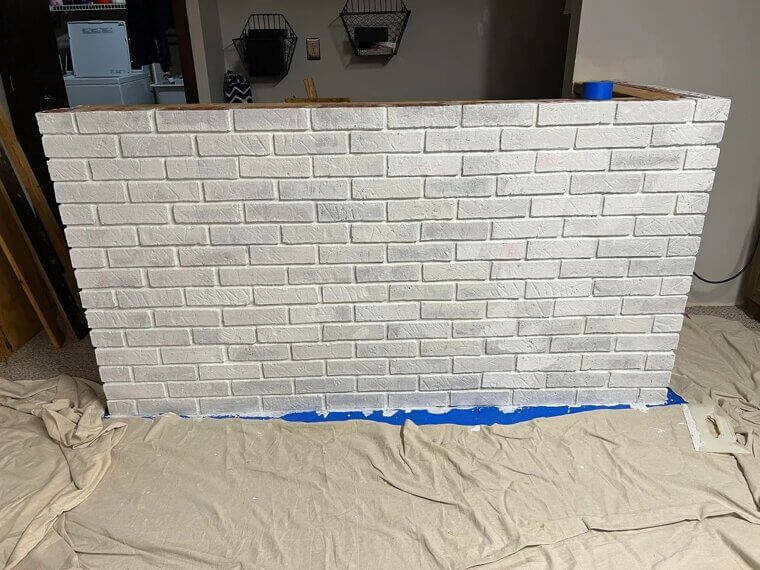
Painting Brick That Was Meant to Stay Natural
Painting natural brick is permanent and not always welcome. Once painted, returning to the original look is nearly impossible. Anyone who loves classic brick often sees painted versions as lost character. If the paint chips or weathers poorly, the exterior can look tired. That one design choice can quietly turn off a lot of potential buyers.