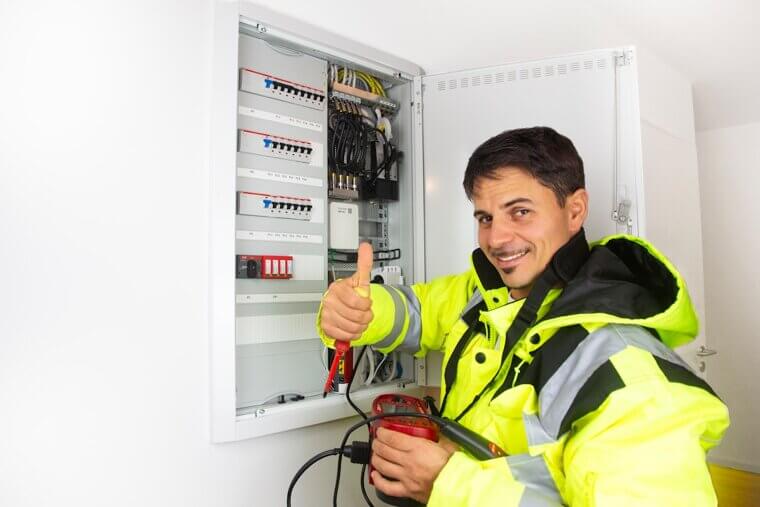
Rewiring an Entire Room or Home
Homeowners have faced massive bills to completely redo unpermitted electrical work discovered during home sales—work that had to be torn out and redone by licensed electricians. What seemed like a money-saving project turned into a nightmare when inspectors flagged code violations. Some sellers had to reduce their asking price significantly to account for the necessary repairs. Rewiring involves understanding load calculations, proper wire sizing, circuit layouts, and dozens of code requirements that change based on room type. Kitchens need different circuits than bedrooms. Bathrooms require special ground-fault protection. Every connection point needs to be accessible for future inspections. Getting any of this wrong creates fire hazards hidden inside your walls. Licensed electricians spend years learning these requirements—and your homeowner's insurance policy probably requires their work, not yours. One mistake could void your coverage entirely.
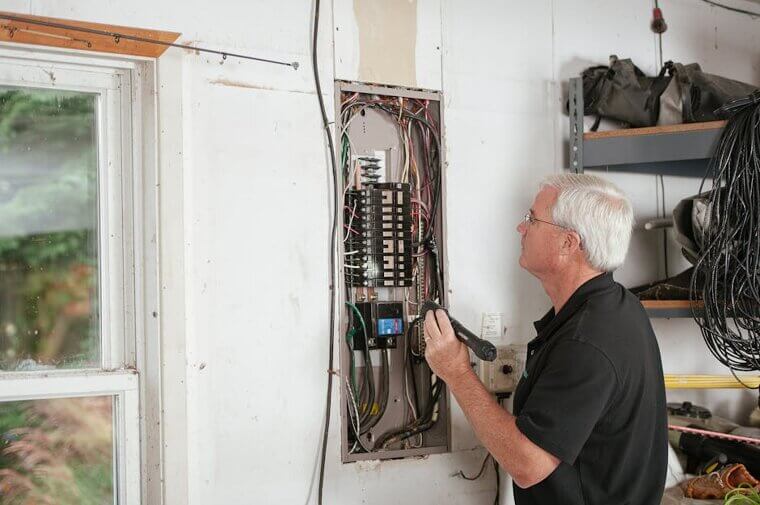
Opening Up Your Electrical Panel
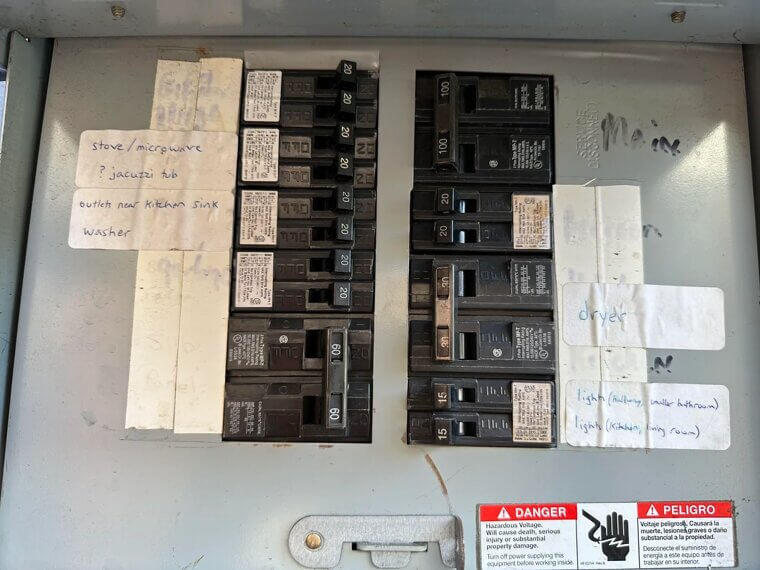
Arc flash explosions have left homeowners with third-degree burns and six-figure medical bills. The moment a screwdriver slips inside a live panel, it can create an electrical explosion reaching 35,000 degrees Fahrenheit—four times hotter than the surface of the sun. Even experienced electricians wear full protective gear when working inside panels. Your electrical panel contains live voltage on bus bars even when individual breakers are off. Only the main breaker stops the incoming power, but utility voltage still sits right behind it. Electricians use specialized tools, understand proper breaker installation sequences, and know how to test for dangerous conditions before touching anything. They also understand which breaker brands work with which panels—mixing incompatible breakers creates fire hazards. The few hundred dollars you'd save doing this yourself isn't worth your life or your family's safety.
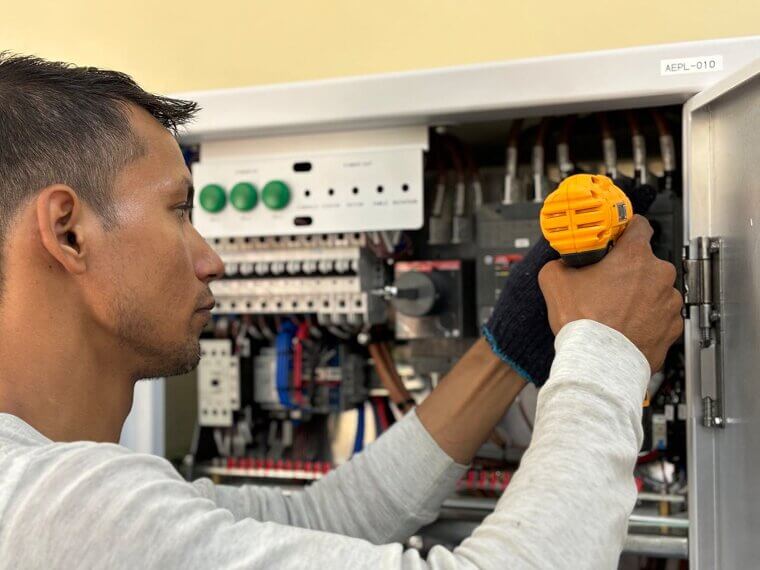
Installing 240-Volt Circuits
240 volts can stop your heart instantly—double the voltage means no second chances if something goes wrong. One homeowner installing a new electric dryer outlet made a wiring mistake that energized the metal dryer cabinet. When his wife touched the dryer while standing on the damp basement floor, the shock threw her backward into the wall. She survived, but spent three days in the hospital with heart rhythm problems. Electric ranges, dryers, air conditioners, water heaters, and EV chargers all run on 240-volt circuits. These require thicker wire, specialized breakers, and proper load calculations to ensure your electrical service can handle the additional demand. The circuit needs its own dedicated pathway back to the panel—you can't just tap into an existing circuit. Professional electricians use proper torque specifications when tightening connections, understand wire sizing requirements, and know how to balance loads across both legs of your electrical service.
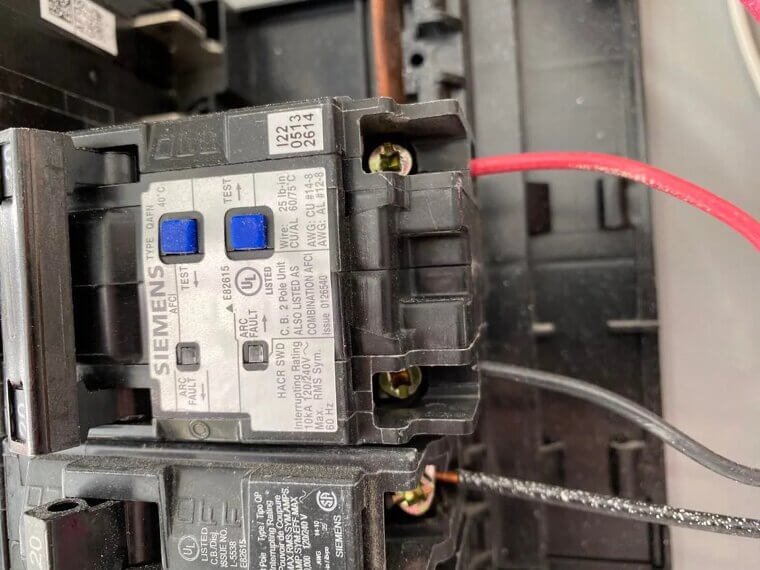
Replacing Aluminum Wiring
Homes with aluminum wiring are 55 times more likely to have electrical fires according to safety research. One family lost everything when aluminum wire connections overheated inside their walls and ignited the insulation. The fire started behind a wall outlet in the middle of the night, and by the time they smelled smoke, half the house was already burning. Aluminum expands and contracts more than copper when electricity flows through it. Over years of heating and cooling cycles, connections work loose. Loose connections create resistance, resistance creates heat, and heat starts fires. You can't just replace aluminum wiring like you would copper—it requires special techniques like pigtailing with copper wire using approved connectors, or complete replacement with copper throughout the house. Electricians trained in aluminum wire remediation know which methods meet current code. Trying to "fix" aluminum wiring yourself often makes the fire hazard worse.
Upgrading Your Home's Electrical Service
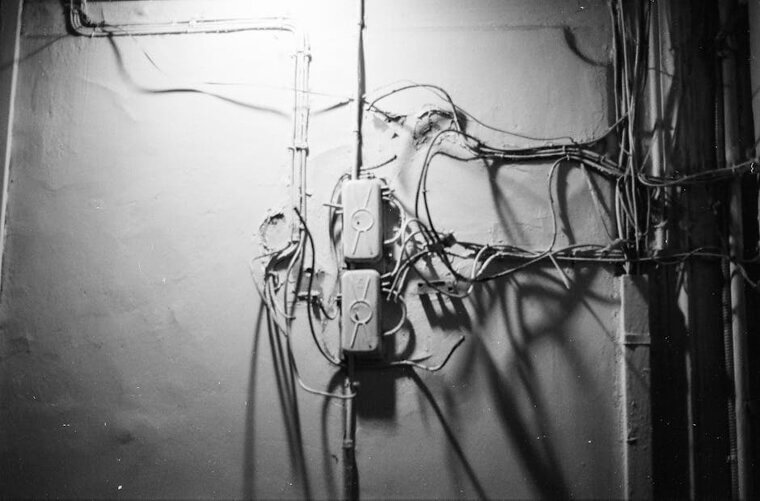
One homeowner's DIY service upgrade caused a neighborhood power outage and resulted in a $12,000 utility company bill when equipment was damaged. He thought he could upgrade his home from 100 amps to 200 amps by installing a bigger panel and didn't realize the utility company owns everything from the street to the meter. When he disconnected the old service, he created a dangerous situation requiring emergency utility response. Service upgrades require coordination with your utility company, who must disconnect incoming power before any work begins. The project involves installing a new meter base, new service entrance cables rated for higher amperage, a new panel, proper grounding systems, and complete load calculations. Most jurisdictions require multiple inspections throughout the process. Electricians maintain relationships with utility companies and inspectors, understand the sequencing, and carry insurance covering potential damage if something goes wrong.
Installing Electric Vehicle Charging Stations
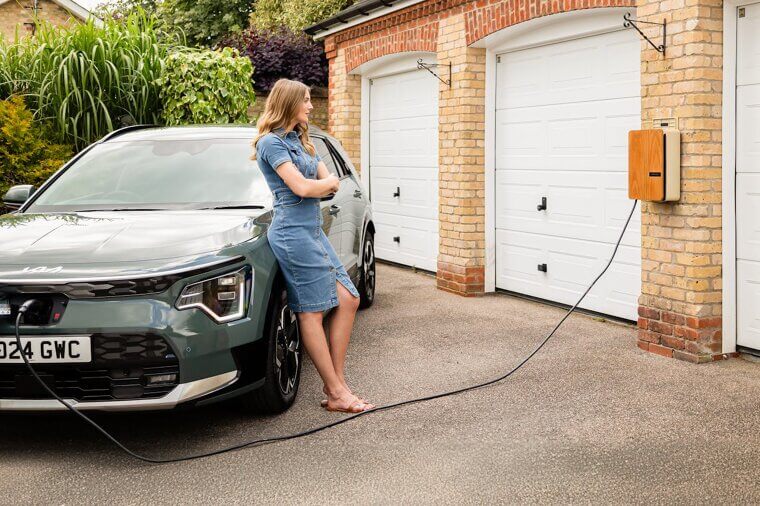
Undersized wiring for EV chargers has caused house fires while cars charged overnight in attached garages. One family woke up to smoke alarms as flames spread through their garage wall—the circuit supplying their new charger was overloaded because the wire was too small for the continuous load. Their Tesla was fine, but $40,000 in fire damage to their home wasn't covered by insurance because unpermitted electrical work voided their policy. A 40-amp charger requires #8 copper wire, while a 50-amp charger needs #6 copper wire—using the wrong size is dangerous. These circuits must be dedicated lines running directly back to the panel with nothing else connected. Your entire electrical service needs evaluation to ensure it can handle this major new load. Professional electricians perform load calculations, verify your service capacity, obtain required permits, and ensure installation meets your EV manufacturer's warranty requirements.
Running New Circuits Through Walls
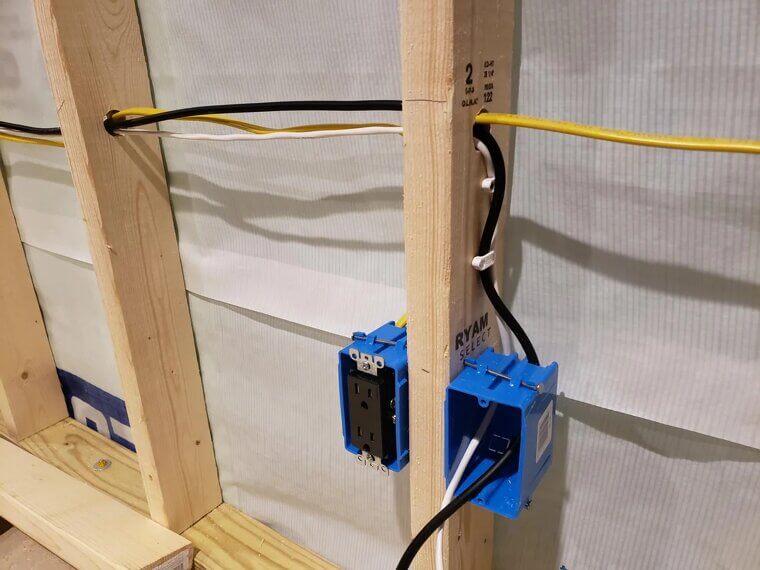
Undersized wire hidden inside walls sparked a fire that destroyed a family's home while they slept. The homeowner had added several new outlets to his garage workshop using wire that was too thin for the power tools he plugged in. For months the wire heated up every time he used his table saw, gradually degrading the insulation inside the wall. One night the damaged insulation failed, wires shorted together, and the resulting fire spread through the wall cavity undetected. Every circuit requires wire sized correctly for the amperage it will carry, with calculations based on the length of the wire run and the type of load. Longer runs need thicker wire because resistance increases with distance. The wire must be protected inside walls according to specific code requirements. Every junction box must remain accessible; you can't bury connections inside walls. Professional electricians understand these requirements and how to fish wire through walls without creating structural problems.
Installing Whole-House Generators Without Transfer Switches
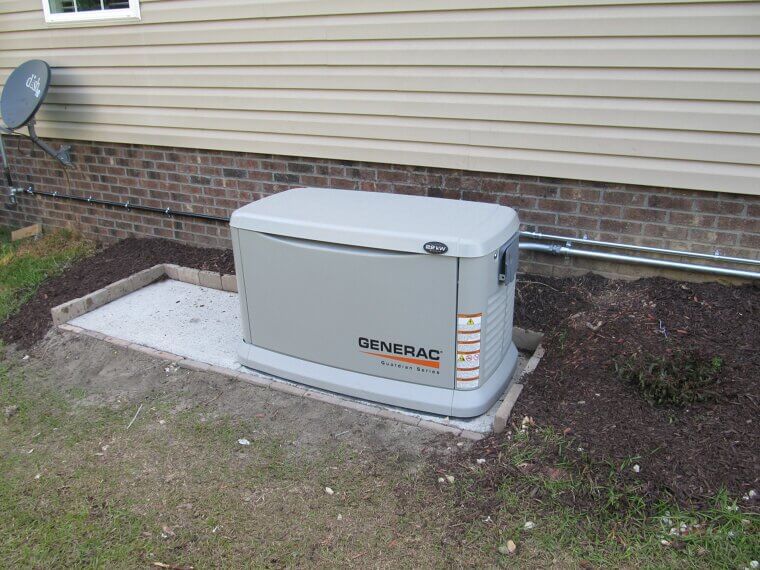
Improper generator hookups have killed utility lineworkers trying to restore power to neighborhoods after storms. When homeowners backfeed generators into their home's electrical system without a transfer switch, that power flows backward through the neighborhood lines. What seems "off" to you is actually energized with lethal voltage, and workers touching those lines expecting them to be dead get electrocuted. Transfer switches physically disconnect your home from the utility grid before generator power flows into your circuits. This protects workers, prevents your generator from being damaged by returning utility power, and stops your home's circuits from overloading the generator. Professional installation ensures proper sizing—your generator needs to handle your home's actual electrical load. Many jurisdictions require licensed electricians to install transfer switches and permits to ensure the work meets life-safety codes.
Repairing Knob-And-Tube Wiring
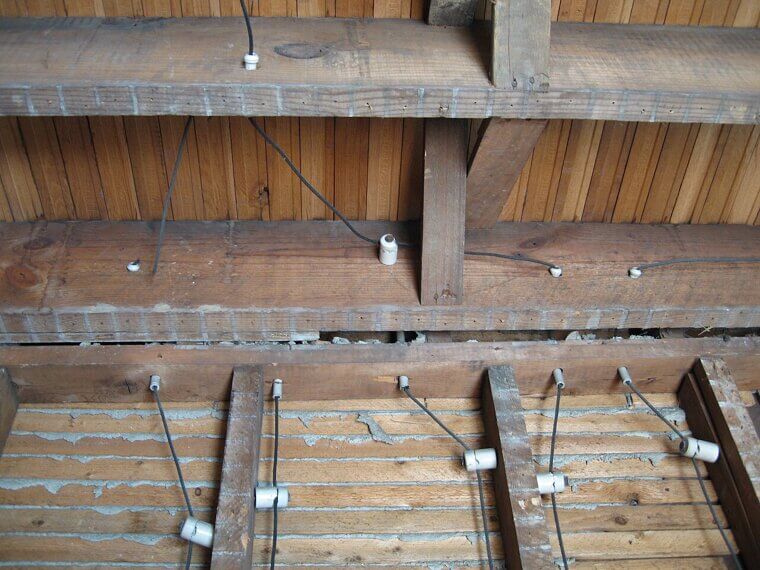
Homeowners trying to "fix" knob-and-tube wiring have started attic fires from improper insulation contact. One couple added blown insulation to their 1920s home's attic to save on heating costs, not realizing their old wiring couldn't be covered safely. Six months later, an overloaded circuit sparked a fire inside the insulation that smoldered for hours before breaking through the ceiling. The entire attic and second floor were destroyed. Found in homes built before 1950, knob-and-tube wiring has no ground wire, uses outdated insulation that becomes brittle with age, and can't safely handle modern electrical loads. Insurance companies often refuse coverage or charge much higher premiums for homes with active knob-and-tube wiring. You can't just patch it or connect modern wiring to it—the entire system needs complete replacement with modern cable. Licensed electricians know how to safely remove knob-and-tube systems and replace them with grounded circuits.
Installing Rooftop Solar Systems
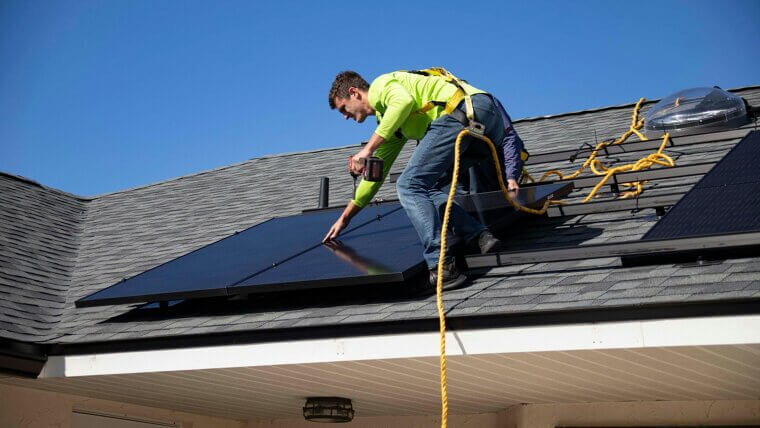
Solar panels produce up to 600 volts of direct current even when your house power is completely shut off—enough to kill instantly if you touch the wrong connection. One DIY solar enthusiast was rushed to the hospital after receiving a severe shock while working on his roof installation. He thought turning off his main breaker made everything safe, but solar panels generate electricity whenever sunlight hits them, regardless of what's happening in your house. Professional solar installers deal with high-voltage DC systems, grid connection requirements, specialized inverter equipment, structural roof load calculations, and utility interconnection agreements. Your system must be designed to shut down rapidly in emergencies, properly grounded to prevent electrocution, and connected to the grid in a way that protects utility workers. Most utilities require extensive paperwork and inspections before allowing grid connection. Solar installation companies employ licensed electricians who specialize in photovoltaic systems.
What You CAN Safely Do Yourself
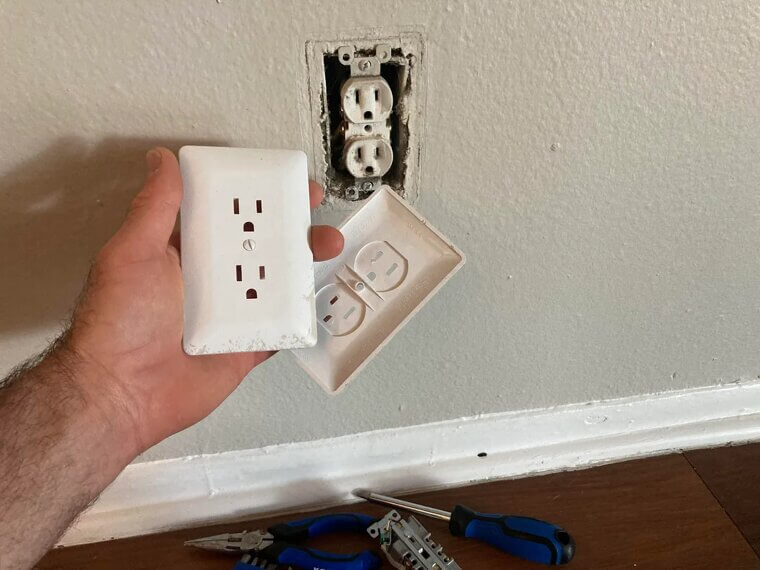
Not everything electrical needs a professional—some jobs are genuinely safe for homeowners to handle. You can replace worn outlet and switch covers, which only requires a screwdriver and no contact with wiring. Changing light fixtures is safe if you turn off the breaker, verify power is off with a voltage tester, and the existing electrical box is properly mounted. Replacing old outlets and switches with modern ones works the same way—power completely off, one wire at a time, matching what was there before. The key is that you're not adding new circuits, changing wire sizes, working inside panels, or dealing with 240-volt power. Always turn off the power at the breaker, not just the switch. Always test that power is truly off before touching any wires. Take photos before disconnecting anything so you can wire it back exactly the same way. If you open a box and find a confusing mess of wires, call a professional.
Warning Signs That Mean Call a Pro Now
Several warning signs tell you there's a dangerous electrical problem developing in your home. Flickering lights that aren't caused by a loose bulb often mean loose connections somewhere in the circuit. Outlets or switch plates that feel warm to the touch indicate dangerous resistance heating. A burning smell near any outlet, switch, or your electrical panel means something is actively overheating. Frequent breaker trips signal circuits that are overloaded or a breaker that's wearing out. Buzzing or crackling sounds from your electrical panel, outlets, or switches indicate arcing electricity, which creates extreme heat and starts fires. Discolored outlets show scorching from overheating. If you have an old Federal Pacific or Zinsco brand electrical panel, many electricians recommend replacement because these panels have known safety defects. Any of these signs means stop using the affected circuit immediately and call a licensed electrician. Don't wait—electrical problems only get worse over time.