Hand Sockets and Wrenches
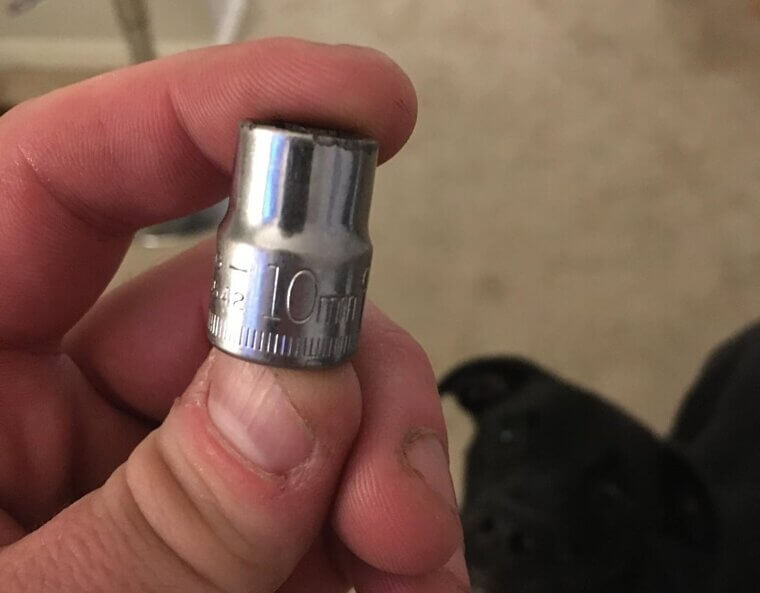
When it comes to mechanics, the temptation is always to purchase famous tool truck brands, but the truth is, the metallurgy in standard chrome vanadium steel has been perfected across the industry. For general home and automotive repairs, a mid-range set of sockets, wrenches, and ratchets offers incredible durability and value. Sockets either fit or they do not, and for 95% of tasks, the cheaper set handles the torque perfectly fine. The area where you should focus your quality check is the ratchet mechanism; ensure it has a good tooth count for fine movements and feels solid in your hand. However, the sockets and open-end wrenches themselves are largely commodities. Paying double or triple the price is often for the lifetime "no questions asked" warranty service, which is rarely needed for the home DIYer. Instead of a single high-end set, a better strategy is to buy a durable, budget-friendly base set and only replace individual pieces with premium brands if they consistently break on a specific, high-torque application.
Measuring and Layout Tools
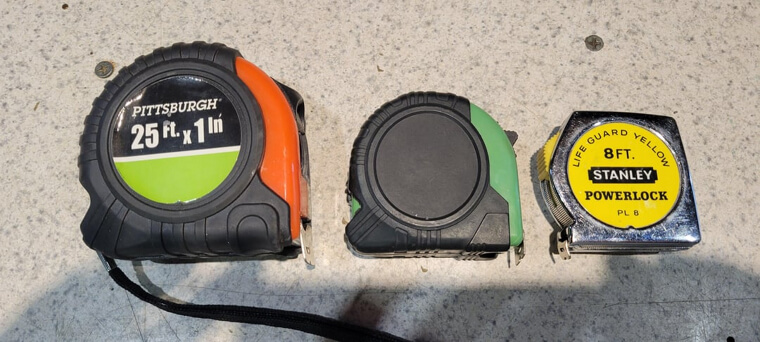
Precision is key in any project, yet the actual mechanics of a tape measure or a basic square do not require a luxury brand name. Many budget brands offer professional-grade tape measures with thick blades, strong returns, and clear markings that perform identically to models costing three times as much. The critical features to look for are a durable case, a clear coating on the blade to prevent wear, and a reliable lock mechanism. Similarly, for tools like combination squares or speed squares, spending more only nets marginal gains in calibration that most home projects will never utilize. The crucial factor here is consistency: once you find a budget brand with accurate markings, stick with it. Overspending on these items often pays for marketing or exotic metal alloys that do not translate into better performance for cutting lumber or squaring cabinets. Save the premium budget for complex powered machinery, not for these simple, foundational accessories.
Clamping Devices and Vises
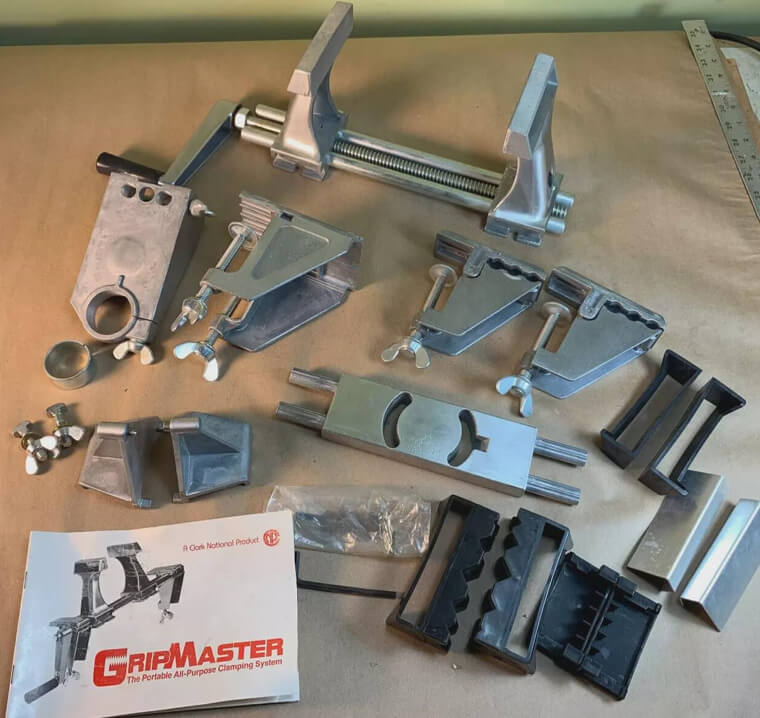
Clamps are the extra pair of hands every DIYer needs, but their core function is simple: mechanical force. Whether you are using simple spring clamps, quick-release bar clamps, or specialized edge clamps, you do not need to overspend. The premium price on high-end clamps often buys slightly better ergonomic grips or a marginal increase in clamping force, neither of which is necessary for gluing wood, holding a frame, or securing material to a workbench. Instead of spending fifty dollars on one high-end bar clamp, you can typically purchase three equally functional, mid-tier clamps. Three clamps are always more useful than one expensive clamp, as woodworking and fabrication often require simultaneous pressure across multiple points to prevent bowing or separation. Similarly, a solid cast iron bench vise from a value manufacturer will perform flawlessly for securing materials, shaping metal, or holding pipes, provided the jaw action is smooth and the base is heavy. Prioritize quantity and basic material quality over brand name here.
Utility Knives and Scrapers
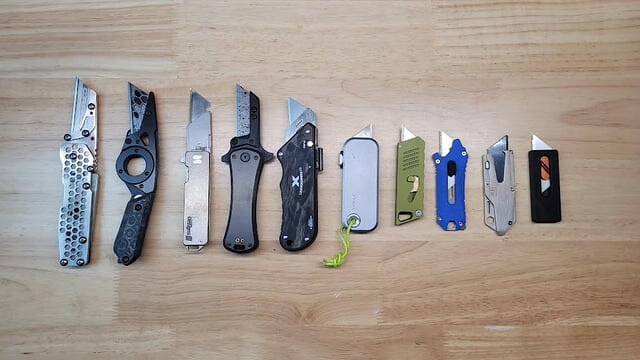
These are the consumable workhorses of the shop, designed to take abuse and be easily replaced. Overspending on a utility knife with fancy features, complicated blade storage, or specialized materials is wasteful. The core function is holding a razor-sharp blade safely, and almost every model on the market achieves this adequately. Look for comfort in the grip and an easy blade-change mechanism, but do not buy into marketing hype. Similarly, painters' five-in-one tools and simple handheld scrapers need only be durable and resistant to rust. Their job is brutal: scraping paint, spreading putty, and opening cans. You should expect to replace them periodically. By purchasing multi-packs of quality utility blades from a value brand and pairing them with a simple, solid handle, you save significant money over a year while maintaining peak sharpness for clean, safe cuts on drywall, carpet, and vinyl.
Safety Glasses and Hearing Protection
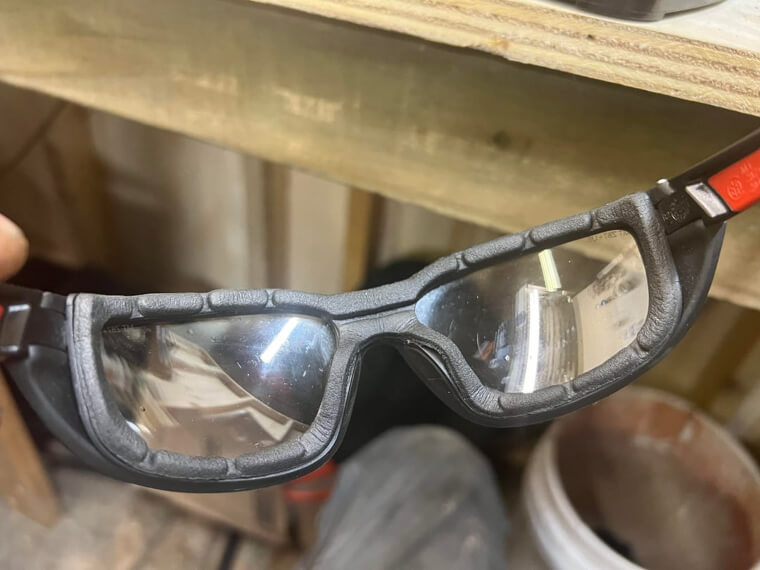
Safety should never be compromised, but high quality does not equate to high cost in the world of personal protective equipment (PPE). Safety glasses must meet specific ANSI standards for impact resistance, and many inexpensive options meet or exceed these requirements while offering better features like anti-fog coatings and adjustable arms. Overspending on branded eyewear simply pays for the logo. You should purchase multiple pairs of affordable, certified safety glasses and scatter them throughout your shop and toolbox, ensuring a pair is always within reach. The same principle applies to hearing protection. Simple foam earplugs provide excellent noise reduction for power tool use, and even budget-friendly over-the-ear muffs meet the necessary Noise Reduction Rating (NRR). Invest in comfort and compliance, ensuring the gear fits well so you actually use it, rather than paying a premium for a brand name that offers no additional protection.