The Impossible Challenge of Noise and Acoustics
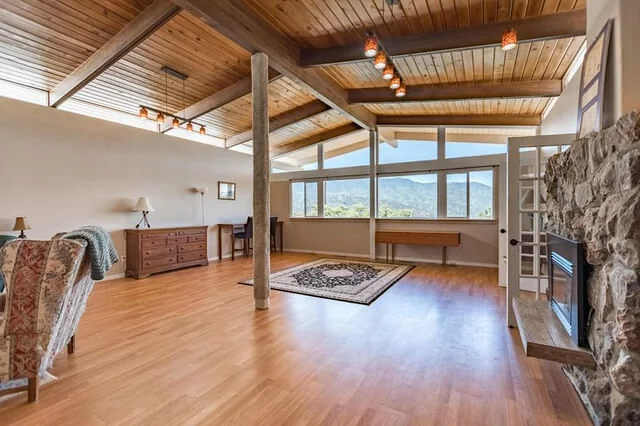
Open floor plans inherently create a massive acoustic problem that most homeowners underestimate. Without walls or doors to absorb, reflect, or block sound waves, noise from the kitchen: a running dishwasher, a blender, or even pots and pans, is amplified and travels unimpeded into the living and dining areas. This creates a perpetually noisy environment where simultaneous activities are nearly impossible. Trying to watch television while someone is doing laundry or having a phone call while dinner is being prepared leads to continuous irritation. DIY solutions like area rugs and heavy curtains help with echoes, but true sound separation requires walls. For practical living, the lack of quiet zones in an open design makes the house louder, not more communal.
The Complete Loss of Functional Wall Space
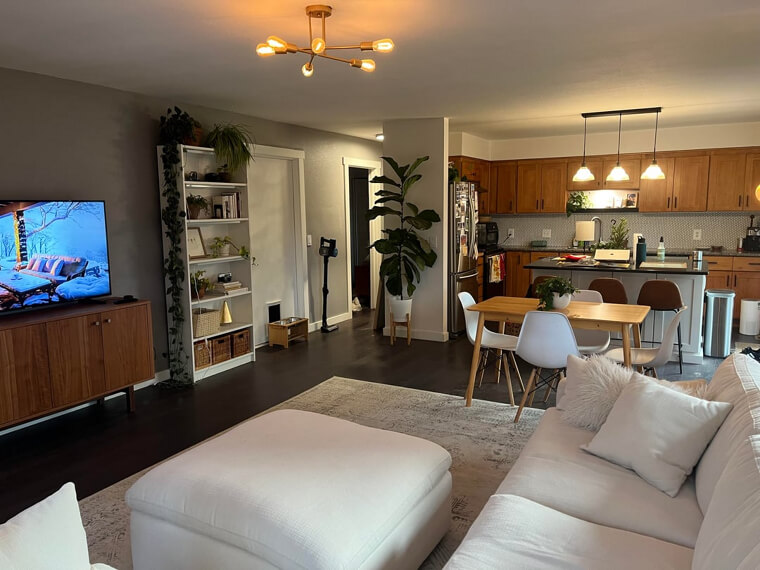
For the DIY enthusiast, an open floor plan poses a significant functional dilemma: where do you put things? Every internal wall that is removed is a loss of potential storage, shelving, electrical outlets, and dedicated spaces for large furniture like entertainment centers or hutches. Modern living still requires vertical space for art, photographs, and most importantly, electrical and media connections. When the only available walls are external, they are often broken up by windows or doors, drastically reducing layout flexibility. This forces homeowners to rely on island storage and floor-level consoles, contributing to a sense of perpetual visual clutter and making organization projects unnecessarily difficult.
Hidden Costs in Heating and Cooling Efficiency
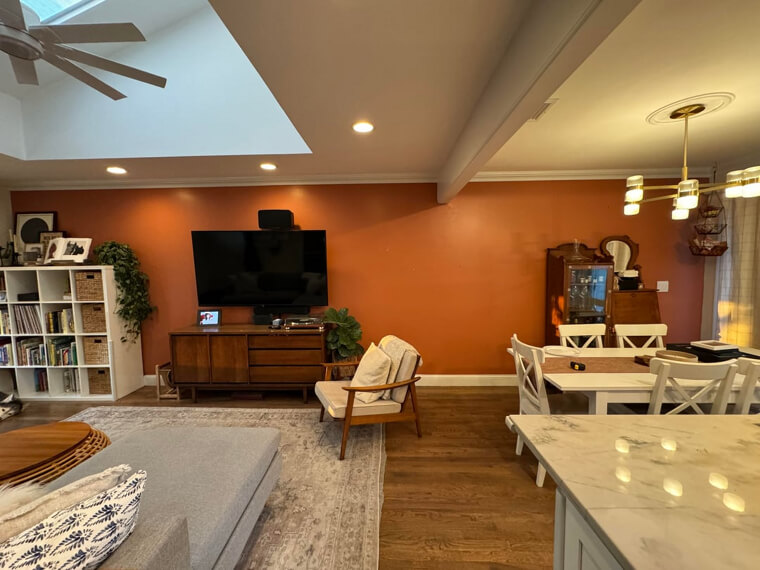
While an open floor plan might look sleek, it is a nightmare for HVAC systems and energy efficiency. Traditional home design relies on zoning, where smaller, enclosed rooms are easily heated or cooled individually. In an open concept, you are forced to condition one massive volume of air, meaning the furnace or AC unit must work harder and longer to achieve a consistent temperature across the entire space. This often results in "hot spots" near windows and "cold spots" near entryways, even with high-efficiency systems. Homeowners frequently see their energy bills spike because they cannot selectively heat the kitchen without overheating the adjacent living room. Properly insulating and sealing an open space to achieve efficiency requires specialized and expensive materials and labor.
The Endless, Exhausting Cleaning Effort
In a traditionally sectioned home, a sudden mess in the kitchen can be contained by simply closing the door until cleaning can be done. In an open floor plan, a mess in one area immediately impacts the entire shared volume. Cooking splatter, dropped crumbs, and general dirt have no barrier, making localized cleaning impossible. Homeowners discover that because the kitchen, dining room, and living room are one space, cleaning must be treated as a single massive, high-stakes chore. Every dust bunny, dirty dish, or toy left out is immediately visible from all primary vantage points, increasing the stress and frequency of mandatory, comprehensive cleaning cycles.
The Visual Chaos of Constant Clutter
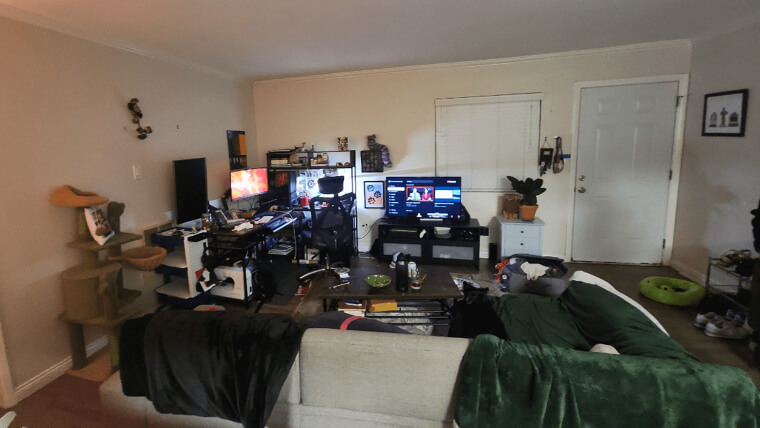
Open concepts are beautiful only in staged photos where all items are perfectly curated. In real-world, daily use, they are prone to visual chaos. Every object, from a pile of mail on the counter to a school backpack by the sofa, is constantly on display. The lack of interior walls means there are no visual breaks or hidden corners to temporarily place belongings, creating a constant feeling of visual overwhelm. This forces DIYers to invest heavily in built-in, concealed storage solutions just to manage the basic clutter of family life, adding significantly to the initial budget and defeating the purpose of a seemingly "minimalist" design.
Lack of Structural Flexibility for Future Remodeling
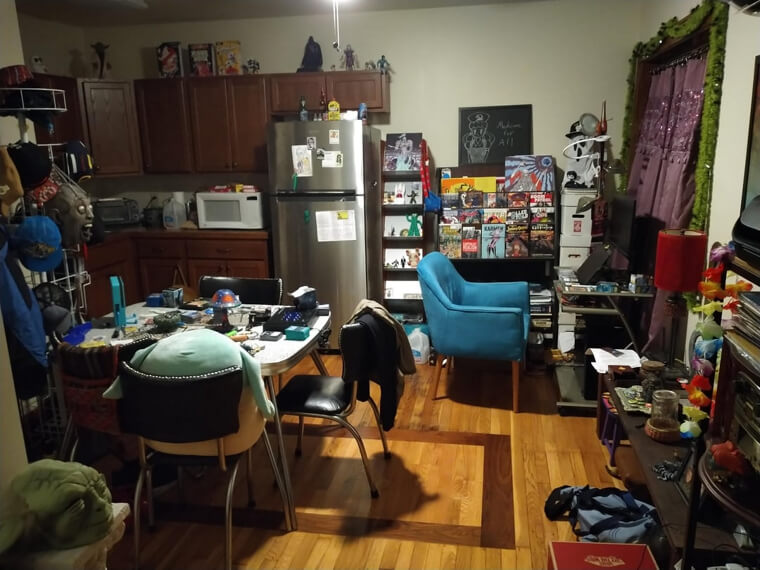
While removing walls opens up space, it severely limits future remodeling potential. Homeowners looking to add an office, a pantry, or a dedicated play area find that reinstating walls or modifying the layout is vastly more complex and costly than modifying a traditionally enclosed space. In an open concept, any new structural addition often involves complex ceiling transitions, rerouting load-bearing support, and difficult flooring matching across large areas. This lack of flexibility locks the home into a single layout for its entire lifespan, making it difficult to adapt to changing family needs without undertaking a major, expensive structural overhaul.
Cooking Odor Transmission Is Unavoidable
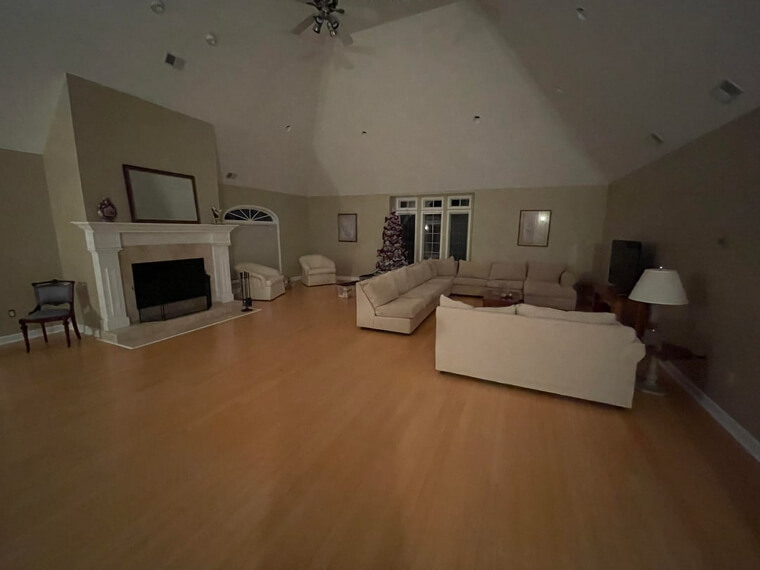
One major practical drawback of combining the kitchen and living areas is the unavoidable transmission of cooking odors. A strong-smelling meal, like frying fish or sautéing garlic, will permeate every soft surface in the combined space, including sofas, curtains, rugs, and throw pillows. Even with a powerful exhaust hood, the lingering scent is virtually impossible to contain because there are no walls or doors to trap the air. This forces homeowners to limit their cooking choices or dedicate significant resources to powerful air filtration systems, a problem that is entirely solved by having a dedicated, closed-off kitchen space.
The Critical Failure of Privacy and Separation
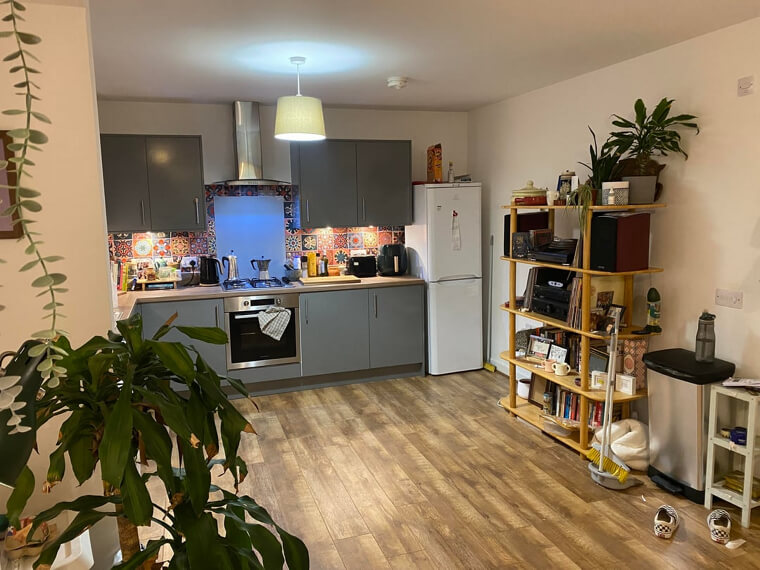
An open floor plan eliminates casual privacy. If one person is working, reading, or needs a moment of solitude, the combined space offers no refuge from the activities of others. There is no simple way for a child to complete homework quietly, for a spouse to take a confidential work call, or for a couple to argue without the entire household being privy to the event. This constant "togetherness" can lead to tension and frustration. Seasoned DIYers and family planners understand that a home needs both shared and private zones to function effectively, and the open plan sacrifices psychological separation for a dubious aesthetic goal.
The Installation Nightmare of Proper Lighting
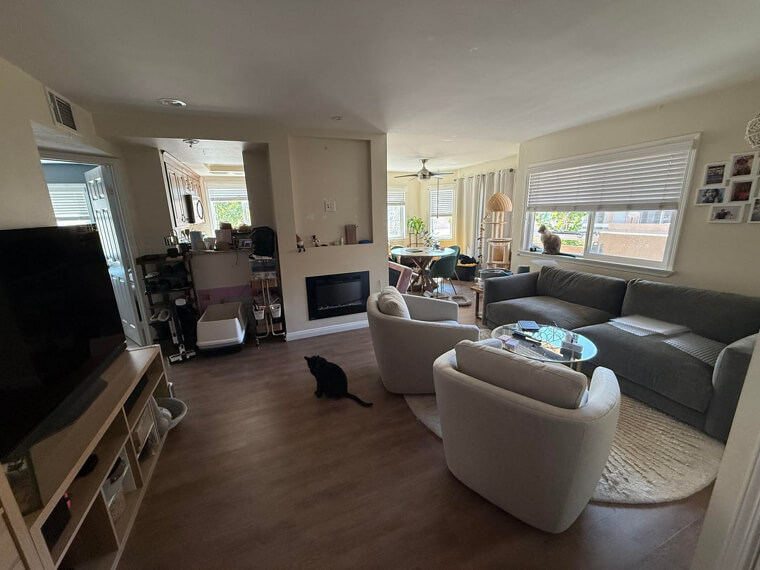
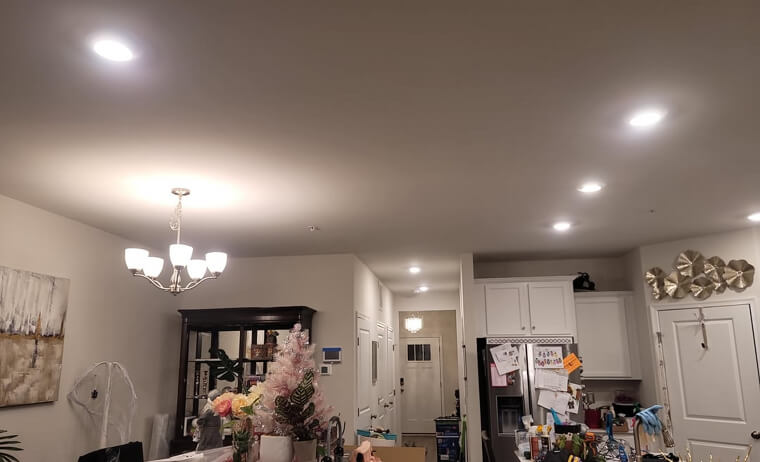
Lighting an open floor plan correctly presents a significant installation and design challenge. Since the ceiling is continuous, achieving the right balance of task lighting (kitchen), ambient light (living room), and accent light (dining area) requires complex wiring, multiple switches, and often large, expensive fixtures. Simple DIY fixes are challenging because placement is critical. A standard ceiling light in one area will feel too bright or too dim in the adjacent area. The entire design must be treated as a single, large project, often requiring extensive recessed lighting and track systems to define zones that walls would have naturally separated.
The Excessive Cost of Structural Engineering
The core principle of an open floor plan is removing load-bearing walls. This is not a simple DIY project; it requires expensive professional consultation from a structural engineer and often necessitates the installation of costly steel beams (or large glulam beams) and structural columns. These supportive elements must be disguised or integrated into the design, adding significant labor and material costs that far exceed the price of simply building a traditional wall. Homeowners often find that the initial cost of achieving the open look outweighs the perceived benefits, locking them into a highly engineered, and therefore difficult-to-modify, shell.