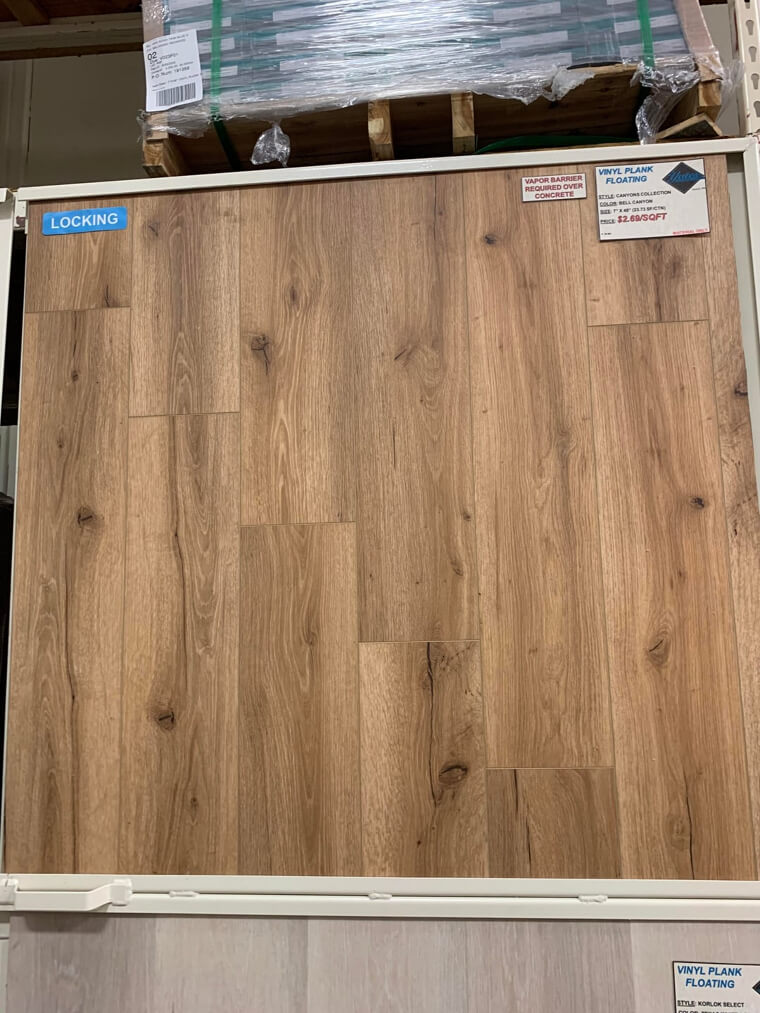
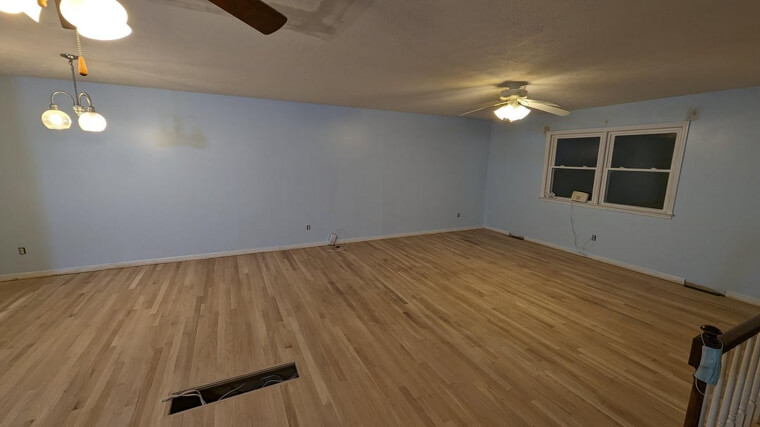
Natural Hardwood Floors
Natural hardwood floors are often seen as a long term investment, but they come with maintenance costs that add up over time. Wood is sensitive to moisture, temperature changes, and daily wear. Scratches from shoes, pets, and furniture are common and often require professional refinishing rather than simple touch ups. Many hardwood floors need to be sanded and refinished every few years to keep them looking presentable, which can be expensive and disruptive. Spills must be cleaned quickly to avoid staining or warping, and certain cleaning products can damage the finish. Area rugs and felt pads help, but they are an added expense. While hardwood floors age beautifully when cared for properly, that care requires ongoing attention and budgeting. The initial beauty often hides the long term cost of keeping the surface looking good and structurally sound.
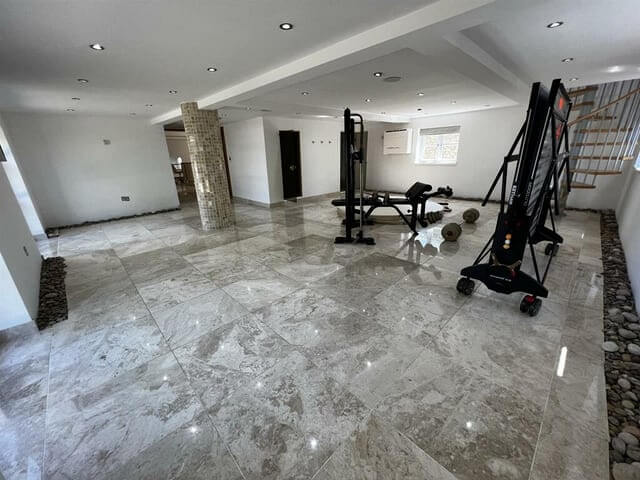
Marble Flooring
Marble flooring looks elegant and timeless, but it is one of the most demanding surfaces to maintain. Marble is porous, which means it easily absorbs spills and stains if not sealed regularly. Even water can leave marks if it sits too long. The stone is also soft compared to other flooring materials, making it prone to scratching and etching from everyday foot traffic. Cleaning requires special products, since common household cleaners can dull or damage the surface. Resealing marble is an ongoing expense that many homeowners underestimate when choosing it. Repairs can be costly and often require professional stone specialists. While marble makes a strong visual impression, its upkeep costs and sensitivity make it far more expensive to live with than it initially appears.
Solid Bamboo Flooring
Bamboo flooring is often marketed as durable and eco friendly, but solid bamboo can be surprisingly high maintenance. Like hardwood, it reacts to humidity and temperature changes, which can lead to swelling, shrinking, or cracking. Scratches show easily, especially on lighter finishes. Cleaning must be gentle, since excess moisture can damage the material. Not all bamboo floors can be refinished, and those that can may require specialized contractors. Lower quality bamboo products are especially vulnerable to wear, which can shorten their lifespan and increase replacement costs. While bamboo can look modern and appealing, the reality is that maintaining its appearance often requires more care and expense than many homeowners expect at the time of installation.

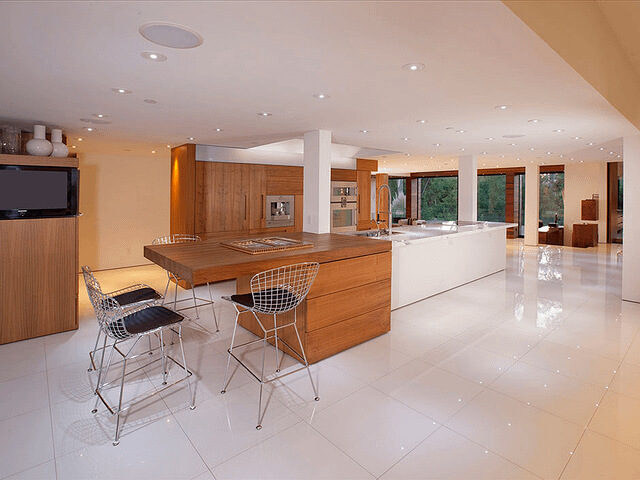
High Gloss Tile Floors
High gloss tile floors create a clean and polished look, but they tend to show everything. Dust, footprints, water spots, and smudges are highly visible, which leads to more frequent cleaning. Keeping the shine intact often requires specialty cleaners and regular mopping. Grout lines can also stain and discolor, adding to maintenance time and cost. Slipperiness is another concern, sometimes leading homeowners to add rugs or treatments for safety. Over time, scratches and dull spots may appear, especially in high traffic areas, requiring professional polishing or tile replacement. The sleek appearance of high gloss tile often hides the reality that it demands constant attention to look its best.
Cork Flooring
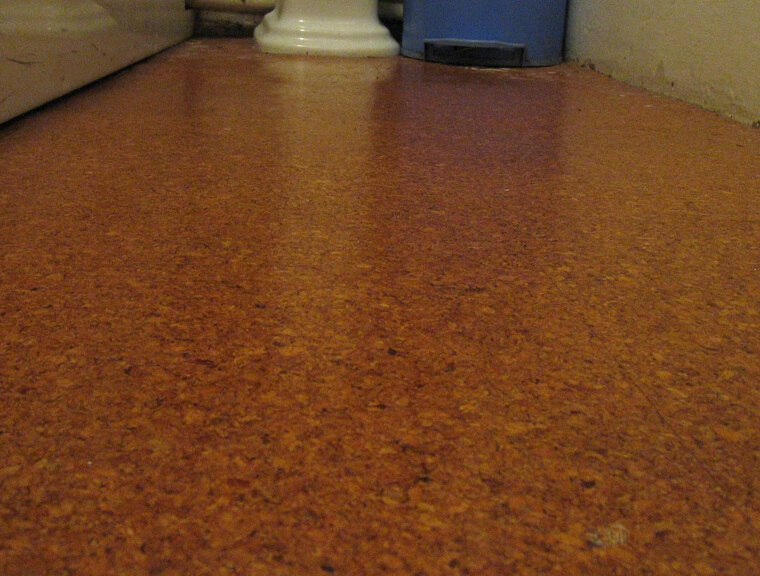
Cork flooring is comfortable underfoot and offers sound insulation, but it requires consistent care. Cork is soft and can dent easily from furniture or heavy foot traffic. It is also sensitive to moisture, making spills and humidity a concern. Protective finishes wear down over time and need to be reapplied to prevent damage. Without regular sealing, cork can stain or discolor. Sunlight can also fade cork flooring, which may require rearranging furniture or adding window coverings. While cork appeals to homeowners looking for warmth and sustainability, maintaining its appearance and durability can be more expensive and time consuming than expected.
Natural Stone Tile Floors
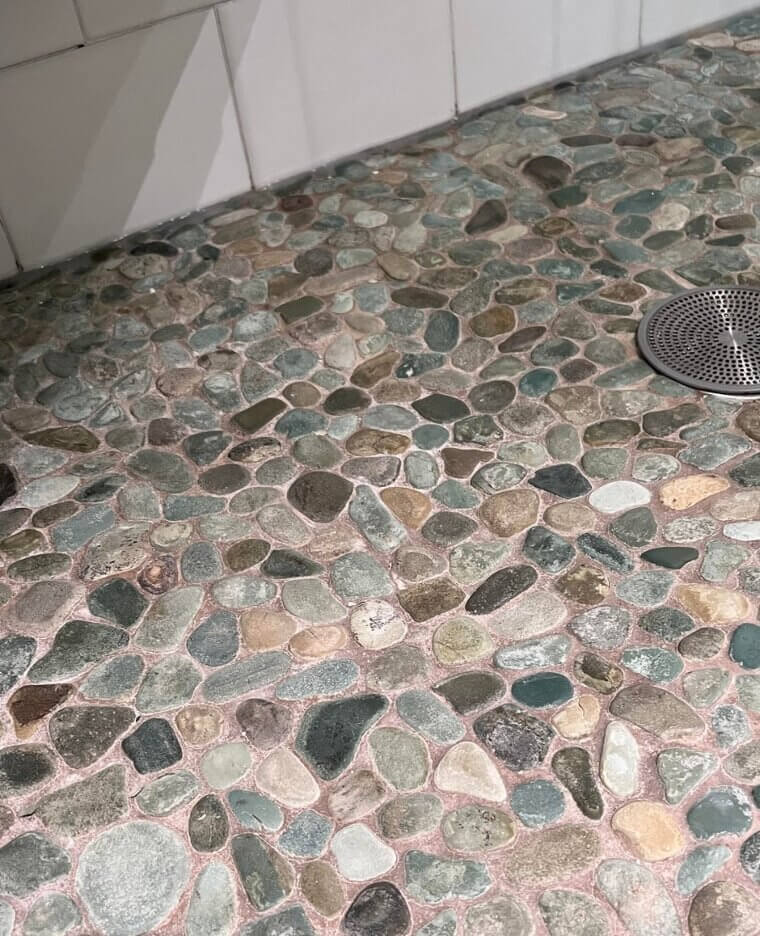
Natural stone tiles such as slate, limestone, and travertine offer a rich, textured look, but their upkeep costs can surprise homeowners. These materials are porous and require regular sealing to protect against stains and moisture damage. Without proper care, dirt and liquids can penetrate the surface, leading to discoloration that is difficult or impossible to remove. Cleaning products must be chosen carefully, since harsh chemicals can erode the stone. Over time, uneven wear can cause tiles to look dull or patchy, sometimes requiring professional refinishing. Repairs can be complicated because matching replacement tiles is not always easy. While natural stone flooring adds character, its long term maintenance demands often exceed what many homeowners anticipate.
Engineered Hardwood in High Moisture Areas
Engineered hardwood is often chosen for its stability, but it still has limitations. In kitchens, basements, or entryways, moisture exposure can lead to warping or separation over time. The top wood layer is thinner than solid hardwood, which limits how many times it can be refinished. Once that layer wears through, replacement may be the only option. Regular cleaning and humidity control are necessary to avoid damage. Repairs can be costly and may require replacing entire sections rather than individual planks. While engineered hardwood looks appealing and is marketed as durable, its maintenance and replacement costs can climb quickly in less forgiving environments.