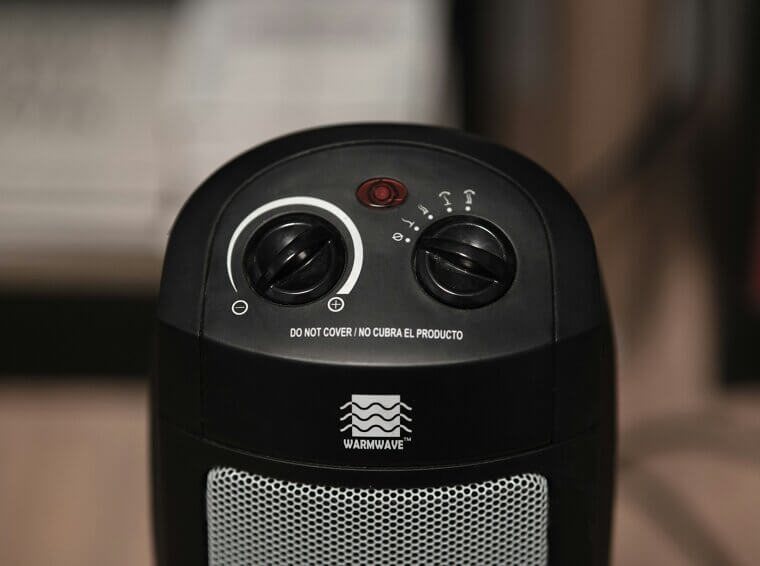
Leaving Phone Chargers Plugged In All Day
Even when your phone isn't connected, chargers continue drawing phantom power from the outlet. That little transformer stays warm because it's pulling electricity around the clock, converting AC power to DC whether anything's charging or not. This is especially true for older chargers. Multiply this by every charger, power adapter, and device in your home and you're wasting money on literally nothing. Modern homes have dozens of these vampire devices - phone chargers, laptop adapters, electric toothbrush bases, and those cube-shaped power supplies for various gadgets. The fix is simple: unplug chargers when not actively in use, or plug multiple chargers into a power strip you can switch off with one button. Your grandparents never had to think about phantom power draws, but they also didn't have a dozen transformers running constantly. A few seconds of unplugging saves money that adds up over months and years.
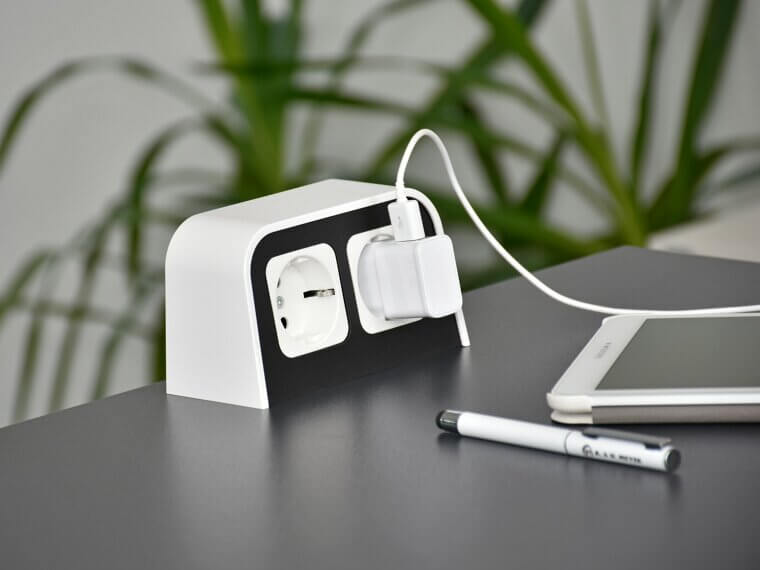
Running the Dishwasher Half-Empty
Waiting until the dishwasher is completely full before running it can cut your water heating costs significantly. Those partial loads waste both water and energy, since your dishwasher uses roughly the same amount whether it's half-full or packed properly. Modern dishwashers have internal heating elements that boost water temperature to the 140-150°F needed for proper cleaning, but they still need to heat that water starting from your water heater's supply. Running the dishwasher twice as often with partial loads doubles your energy costs. Most dishwashers are remarkably efficient when fully loaded but wasteful when used for convenience washing. If you're running your dishwasher daily with plenty of empty space, you're spending money unnecessarily. Wait an extra day or two until it's actually full - your dishes will be fine stacked in there, and your power bill will reflect the savings.
Setting the Water Heater Too High
Most water heaters come factory-set at 140°F, but 120°F handles all household needs safely while costing significantly less to maintain. Those extra 20 degrees mean your water heater works constantly to keep water unnecessarily hot. Every degree costs money, and most people never notice the difference in daily use. Showers feel identical, dishes get just as clean, and clothes wash perfectly at 120°F. The only exception is if you have a compromised immune system or need higher temperatures for medical reasons. Check your water heater's temperature dial - it's usually accessible without tools. Turning it down takes two minutes and starts saving money immediately. Your parents probably kept theirs at 140°F because that was the standard advice decades ago, but modern understanding of energy efficiency and safety recommends the lower setting. This one simple adjustment can significantly reduce your water heating costs.

Ignoring Your Refrigerator's Temperature Settings
Your fridge doesn't need to run at maximum cold to keep food safe. The recommended 37-40°F for the refrigerator and 0-5°F for the freezer provide perfect food storage while using less energy than colder settings. Many people never check these settings after buying their fridge, letting it run at whatever the factory default happens to be. Some models come set colder than necessary, and the compressor works harder than needed. Buy an inexpensive refrigerator thermometer to verify your actual temperatures. If your fridge is running at 32°F, you're wasting electricity keeping food colder than necessary while risking lettuce and other produce freezing in the back. The compressor cycles on more frequently at colder settings, using more power and wearing out faster. A simple temperature adjustment takes seconds and immediately reduces how often your fridge runs.
Leaving Ceiling Fans Running in Empty Rooms
Ceiling fans cool people, not rooms, by creating a wind-chill effect on skin. Running them in unoccupied spaces wastes electricity without any benefit since there's nobody there to feel cooler. The fan doesn't actually lower the room temperature - it just makes people feel cooler through air movement. Many homeowners leave fans running all day thinking they're cooling the house, but they're just spinning motors and using power. Turn off ceiling fans when you leave the room, just like you would lights. The exception is if you're using fans to help circulate air from your AC throughout the house, but even then, they only help when someone's in the room to benefit. This misconception probably comes from the fact that entering a room with a running fan feels cooler, but that's just the immediate air movement, not actual temperature reduction.

Using the Heated Dry Cycle on Your Dishwasher
That heated dry cycle adds 15-20 minutes of high energy use to every load without providing better results than air drying. Opening the door and letting dishes air dry overnight costs nothing and works just as well for everything except maybe plastic containers. The heating element at the bottom of your dishwasher draws substantial power to blow hot air around, yet dishes dry naturally just fine given time. Most modern dishwashers have a setting to disable heated dry - look for "air dry" or "energy saving" options. If your model doesn't have this feature, simply crack the door open when the wash cycle completes. Your dishes will be dry by morning using zero additional electricity. This is one of those conveniences that seems worth it until you realize how much it costs over a year of daily dishwasher use. Your grandparents dried dishes with a towel and didn't waste any energy at all.
Running Multiple Small Loads of Laundry
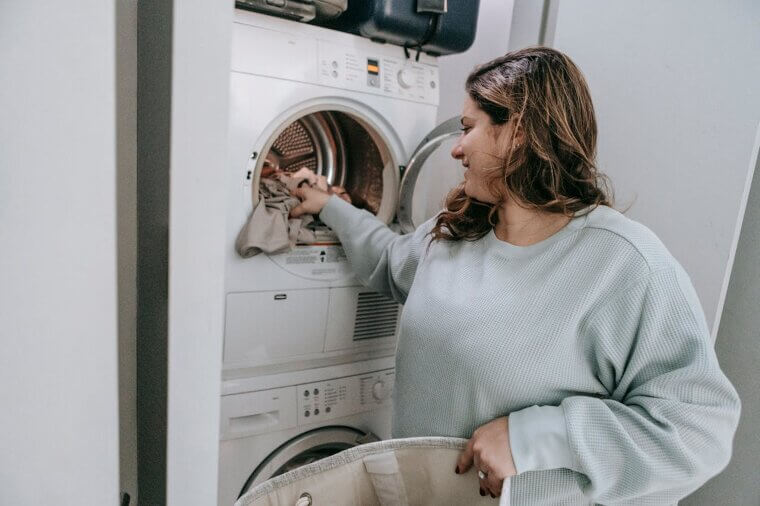
Washing machines use similar amounts of water and energy whether half-full or completely full. The motor runs the same, water needs heating to the same temperature, and the cycle takes the same time regardless of load size. Waiting to run full loads can cut your laundry energy costs nearly in half compared to doing twice as many small loads. Modern washers do have load-sensing features, but they don't scale down energy use proportionally. A half-full load might use 70-80% of the water and energy of a full load, not 50%. The savings come from reducing the total number of loads you run weekly. If you're doing laundry every day with small loads, you're spending far more than necessary. Wait until you have enough for a full load, especially for hot water washing. Cold water reduces costs further, but load size matters regardless of temperature. This approach requires a bit more planning but pays off consistently.
Keeping Your Computer Running All Day and Night
Leaving computers and monitors on continuously costs far more than the minimal power needed to start them up. Modern computers boot in seconds, and sleep modes use a fraction of active running power. That old advice about startup power surges harming computers applied to machines from the 1980s and 1990s, not current equipment. Today's computers are designed for frequent power cycling. Monitors draw substantial power too - turn them off or let them sleep during inactive periods. If you're worried about waiting for startup, use sleep mode instead of full shutdown. Your computer enters a low-power state and wakes almost instantly. Those screen savers your parents used? They don't save energy - they keep the monitor running at full power while showing pretty pictures.

Opening the Oven Door Repeatedly While Cooking
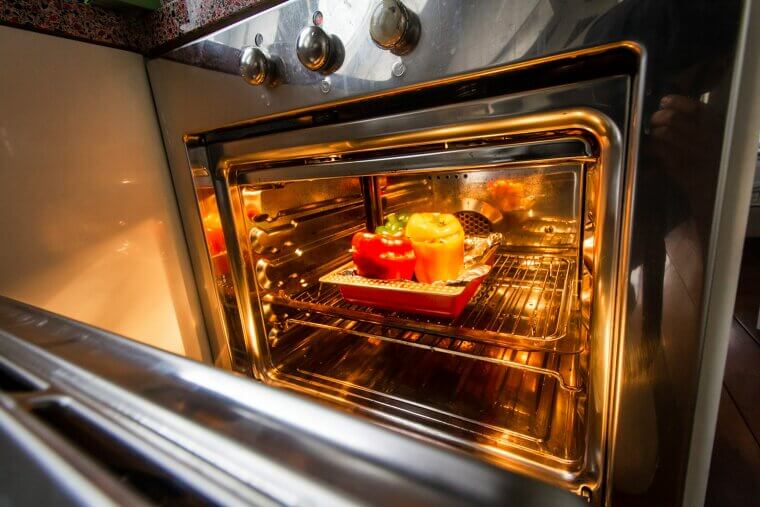
Every time you open the oven door to check on food, heat escapes and the temperature drops. Your oven then works overtime to recover that lost heat, using extra electricity each time. The heating element stays on longer, and each peek costs you money. Modern ovens have glass doors and interior lights specifically so you can check food without opening. Use the light and window instead of opening the door repeatedly. If you must open it, do so quickly and close it completely. This habit of constant checking probably comes from older ovens without windows or reliable thermostats, where you needed to monitor food closely. Today's ovens maintain temperature accurately - trust the thermostat and timer rather than repeatedly opening the door. Your grandmother might have opened the oven frequently, but her electricity rates were a fraction of today's costs, and energy conservation wasn't the concern it is now.
Setting Your Thermostat Too Low in Summer
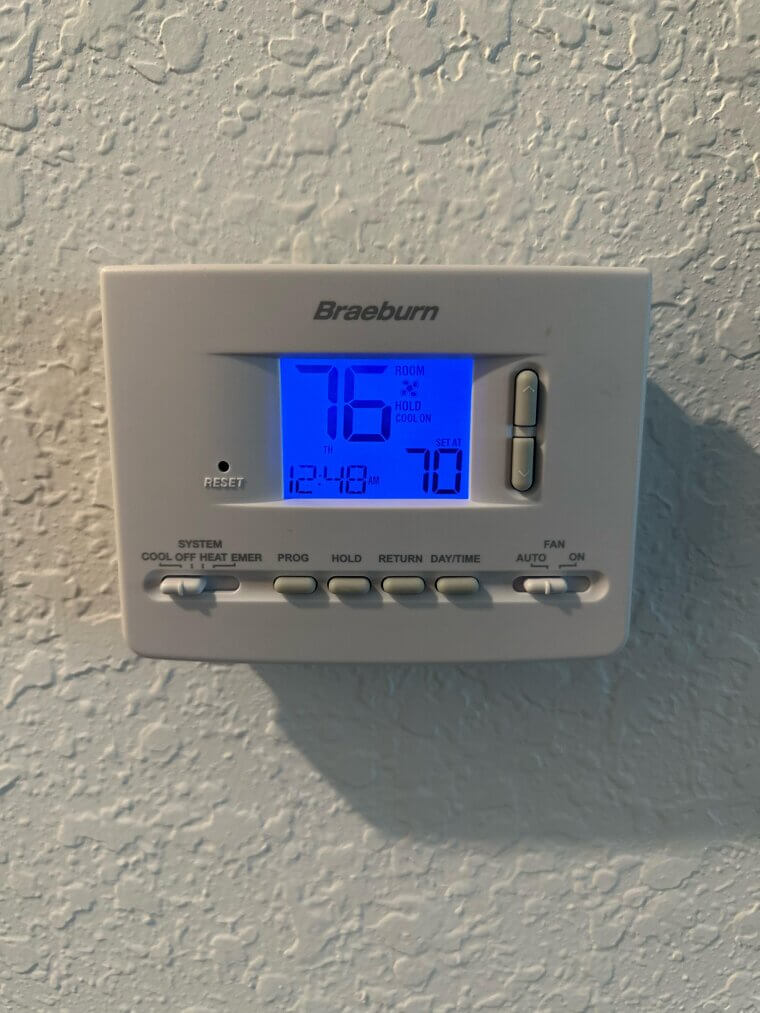
According to Department of Energy guidelines, each degree below 78°F can increase your cooling costs by approximately 3%. That temptation to set it to 68° on hot days costs significantly more than adjusting to a moderate temperature and using fans for additional comfort. Your air conditioner works harder and runs longer to maintain extreme indoor temperatures. The greater the difference between outdoor and indoor temperatures, the more energy required to maintain that gap. Setting your thermostat to 78°F and using ceiling fans creates comfortable conditions at lower cost than setting it to 70°F. If 78°F sounds too warm, remember that's with proper humidity control and air movement. Many people find it perfectly comfortable once they adjust. Your parents probably kept their homes warmer in summer because AC was expensive to run - that wisdom still applies today.
Using Incandescent Bulbs Instead of LEDs
If you're still using those old-style bulbs your parents had, you're paying about five times more for the same amount of light. Incandescent bulbs convert most of their energy into heat rather than light, wasting electricity while making your AC work harder in summer. LEDs use a fraction of the power, last for years instead of months, and have dropped dramatically in price. The energy savings add up quickly across all the bulbs in your house. Yes, LEDs cost more upfront, but they pay for themselves within months through reduced electricity bills. Replace your most-used bulbs first - kitchen, living room, bathrooms - where the savings accumulate fastest. Those warm incandescent bulbs feel nostalgic, but they're wasting your money every hour they're lit. Modern LEDs even come in warm color temperatures if you prefer that traditional glow.
Blocking Air Vents With Furniture
When sofas, beds, or storage boxes block heating and cooling vents, your HVAC system runs longer to reach the desired temperature. That restricted airflow forces the system to work harder, using more electricity to achieve less effective climate control. Many people arrange furniture for aesthetics without considering vent locations. Walk through your home and check every vent - if furniture sits directly against or over them, rearrange for better airflow. Even partially blocked vents create problems. Your system is designed to distribute air evenly throughout the house, and blocking vents disrupts that balance. Some rooms get too hot or cold, so you adjust the thermostat, making the system run even more. Moving furniture just a few inches away from vents improves efficiency significantly. This is especially common with beds against walls, entertainment centers, and storage in closets. Take five minutes to ensure every vent has clear space for air circulation - your electricity bill will reflect the improvement.

Running Space Heaters as Primary Heat Sources
Space heaters seem economical for heating single rooms, but they're actually expensive to operate compared to central heating systems. A typical space heater draws 1,500 watts, making them expensive to operate for extended periods. Running one for several hours daily can significantly increase your monthly power bill. Most central heating systems heat your entire home more efficiently than multiple space heaters heat individual rooms. Space heaters also create fire hazards when placed near curtains, bedding, or left unattended. They're useful for temporary supplemental heat in rooms you're actively using, but not as primary heating sources. If your central heat seems too expensive, the solution is better insulation and thermostat management, not space heaters in every room. Your grandparents might have used space heaters because central heat was less common, but today's forced-air systems or heat pumps cost less to operate for whole-house heating.