
Permits and Code Compliance
Flippers sometimes skip permits in order to save money. As a buyer, this could end up costing you money down the line, as changes may need to be made to the home if you ever decide to sell. To avoid this, you could even hire an inspector to give the home a once-over before you make any commitments.

Foundation Cracks
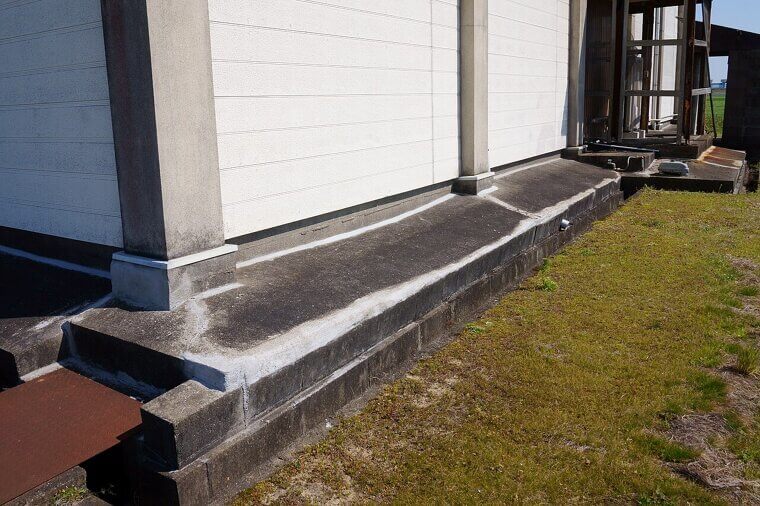
In many homes, owners try to patch up cracks with epoxy or other cosmetic fillers. While it may look repaired, the underlying issues still exist. Over time, as the soil shifts, the cracks are likely to reappear and can cause serious damage to the home. To avoid this, keep a look out for stair-step cracks in brick or horizontal cracks in cement walls.
Basement Moisture
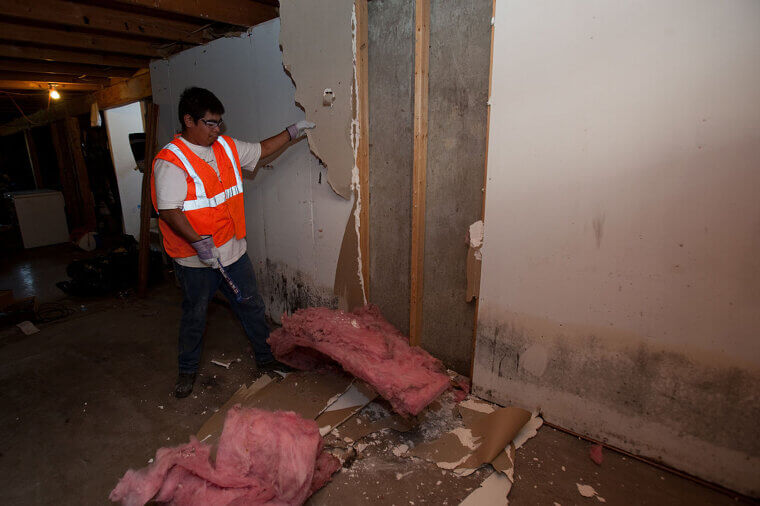
A freshly painted basement can hide all sorts of things, including water stains or efflorescence. However, the paint doesn't actually solve the problem. If you are considering buying a house with a freshly painted basement, be sure to first look out for other signs of water damage. This can be done using moisture detectors, which detect hideen dampness.
Load-Bearing Walls
It's easy to come up with a renovation plan in your head, but actually pulling it off is a whole different story. If you are thinking about an open concept for your new home, you may want to check exactly which walls are load-bearing before making the purchase. Otherwise, you may just compromise the structural integrity of the property.

Roof Condition
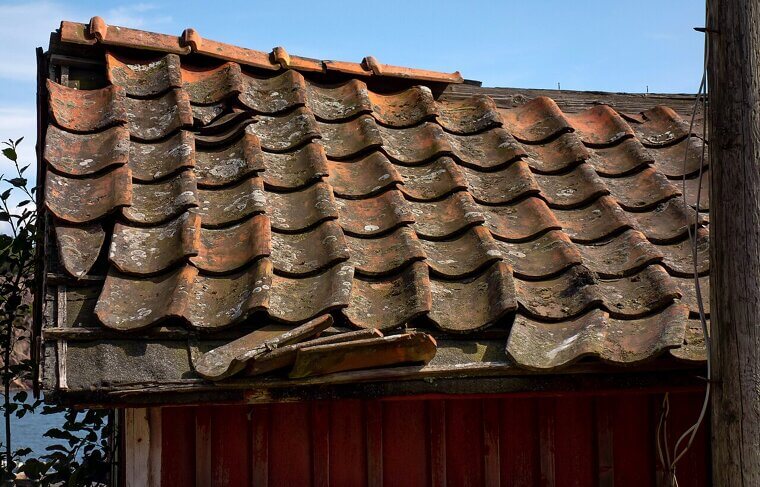
Shingles may look good, but it's also important to double check the condition of the roof before making a purchase. Many sellers try to hide damage by layering new shingles on top structurally questionable framework. If you decide to take on the project without knowing exactly what you are in for, you may end up spending more than you bargained for.
Electrical Panel and Wiring
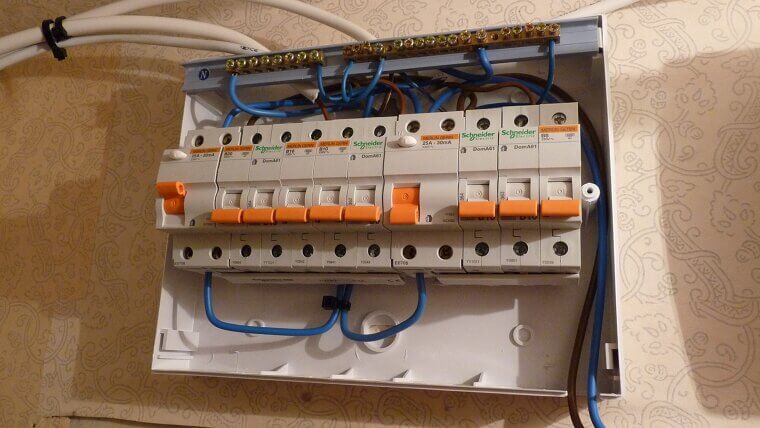
Many sellers swap out fixtures in order to make the electrical framework of the home look new and up-to-date, but leave the outdated wiring network behind. Before making a purchase, be sure to double check for aluminum wiring, double-tapped breakers or undersized panels, as these components usually can't handle modern-day electrical needs.
Plumbing Leaks
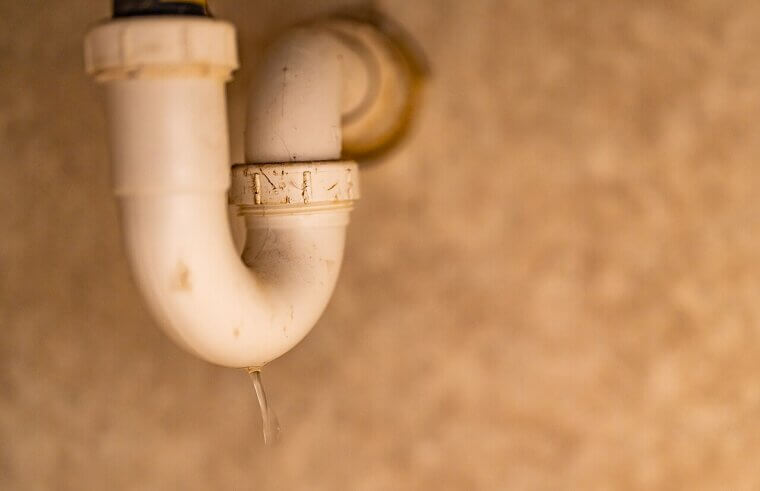
While a newly renovated bathroom may look good to the naked eye, it may just hide a few expensive repairs that you, as the buyer, will eventually need to take care of. Before purchasing anything, look out for old galvanized pipes or poor soldering. Home inspectors recommend paying close attention to the sink and toilet areas, as these fixtures are often overlooked.
Water Heater Age
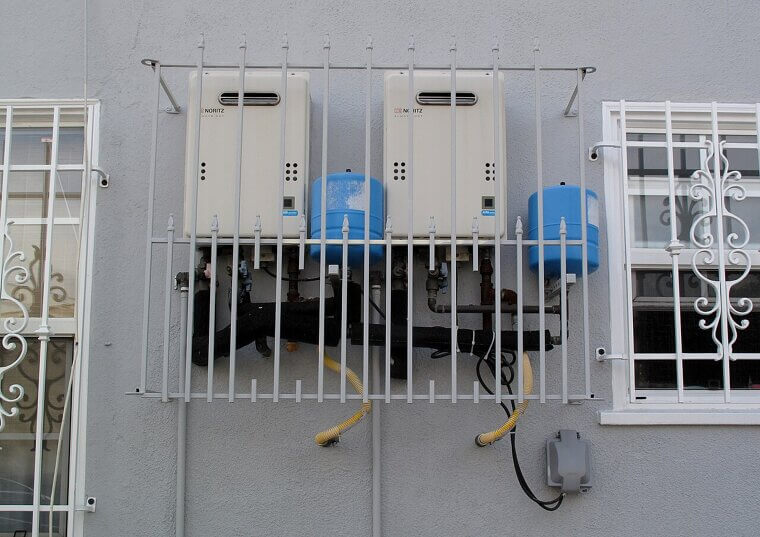
While many flippers clean up the water heater to make it look new, there's no hiding the fact that old heaters simply won't last you very long. Luckily, it's pretty easy to identify an old heater, as they all come with serial numbers that showcase exactly when they were made.
HVAC System
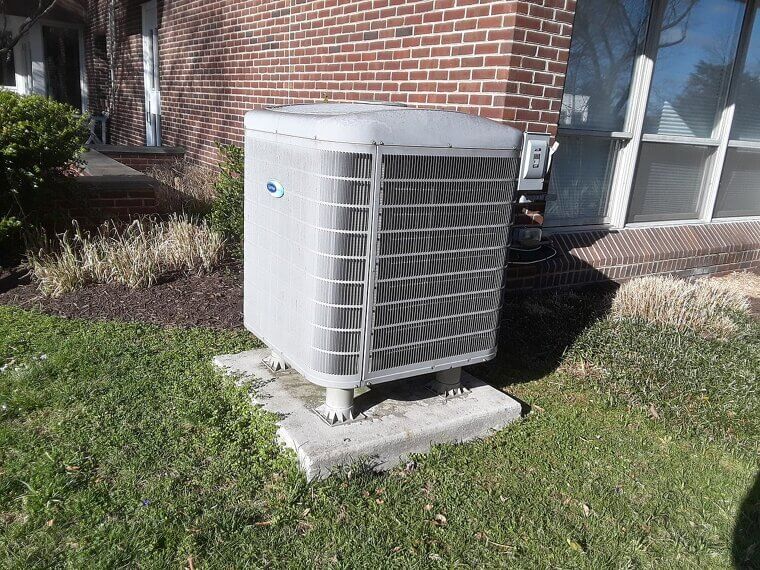
Like water heaters, many flippers clean or paint HVAC systems to make them look newer. However, no amount of paint will help it work better. Old systems are less effective and likely to give up on you at some point, meaning that they will need to be replaced - which isn't cheap. To avoid this, check the service records and manufacturing date of the system before making any offers on the home.
Sump Pump and Drainage
You'd be surprised by how many flippers have a sump pump fitted, but leave it unoperational in order to save themselves time and money. For this reason, if you are considering buying a home with a sump pump, be sure to test it beforehand. A home with improper drainage is prone to flooding, which can cost a fortune in repairs down the line.
Exterior Grading
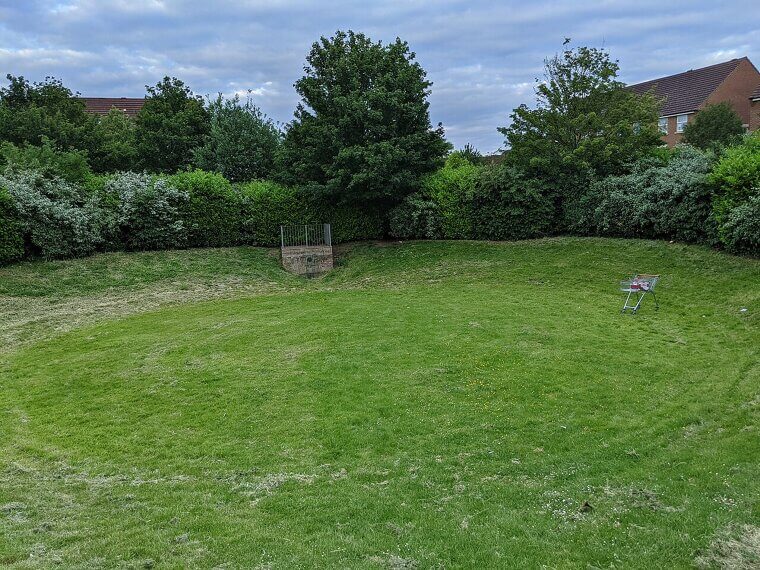
When inspecting the landscaping of a potential buy, keep in mind that it should always slope away from the home. If it slopes towards the foundation, flooding is inevitable, which will lead to costly repairs down the line. Additional signs of frequent flooding include pooling water in the basement and erosion in the garden.
Window Installation
While it's always nice having new things, new windows can actually be a bad things. Oftentimes, especially when a house has been flipped, they are installed as quickly as possible, leaving behind gaps that cause drafts and water leaks. To avoid this, keep a look out for caulking and flashing. Additionally, ensure that the window frames are actually square.

Door Frames
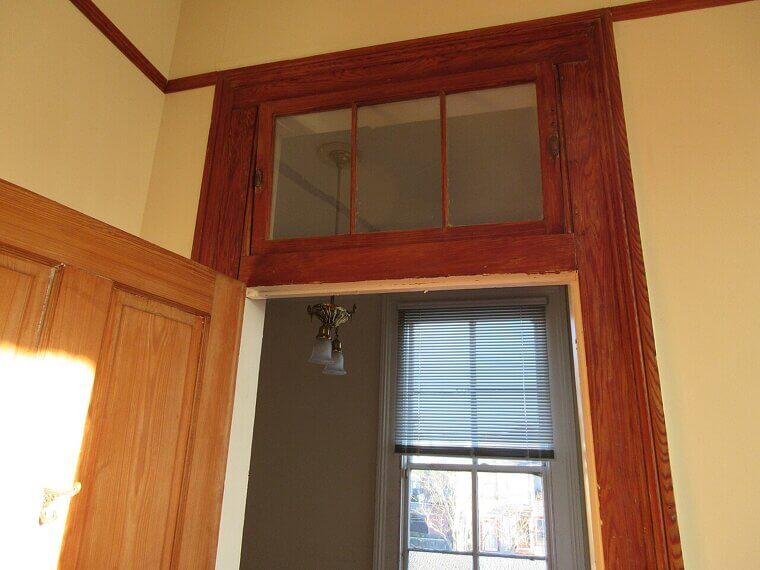
One of the biggest issues that a new home owner can encounter is a shifting foundation. This will cost an absolute fortune to repair, making it essential that you identify the warning signs before committing to anything. Misaligned door frames are a clear indicator. Keep an eye out for gaps, sticking doors or frames that seem to be pulling away from the walls.
Drywall Patches
Oftentimes, in order to avoid spending money on fixing the real issues, flippers simply use paint or drywall to cover it up. Luckily, flashlights can be used to identify any underlying issues, including cracks or moisture. You can also keep an eye out for mold or water stains on the floor.
Floor Leveling
Uneven floors are not only annoying, but they can also be a sign of a more serious underlying issue. Many flippers simply don't want to deal with such things and try to hide the issue with new laminate flooring or carpet. If you notice that new flooring has been installed, be sure to inspect it closely for dips or gaps.
Ceiling Stains
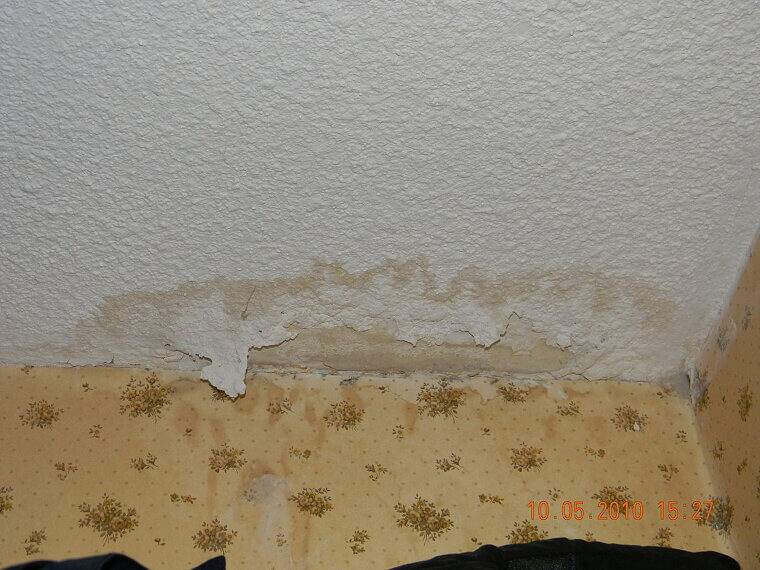
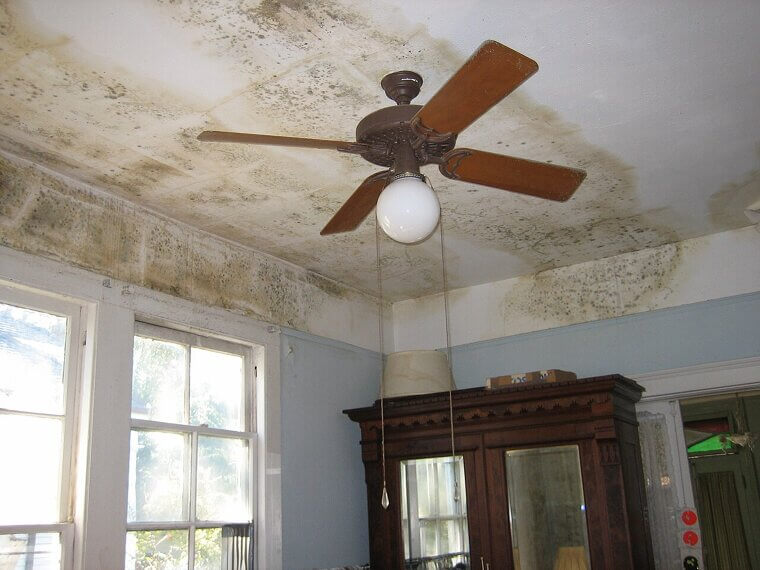
A simple coat of paint can be used to hide major plumbing problems - at least until you sign the ownership papers. To avoid purchasing a home with hidden problems, inspect the ceiling closley, as water damage is likely to show signs of discoloration, bubbling paint or soft spots.
Decks and Porches
Many flippers chose to build decks or porches without the necessary permits, as they add a lot of value to a home. However, because of all the corners cut, these platforms aren't always safe. Before buying a newly flipped home with a porch, be sure to look out for unevenly spaced panels, as they indicate a rushed job.
Garage and Driveway
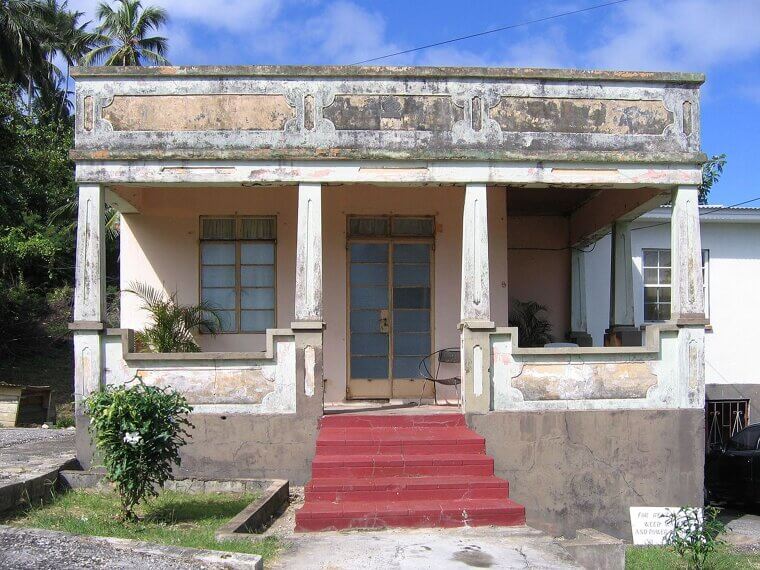
If a property is prone to flooding, there will usually be signs in the driveway or garage. Cracks in the concrete are sometimes caused by poor drainage or water pooling and can result in serious structural damage.
Insulation and Ventilation
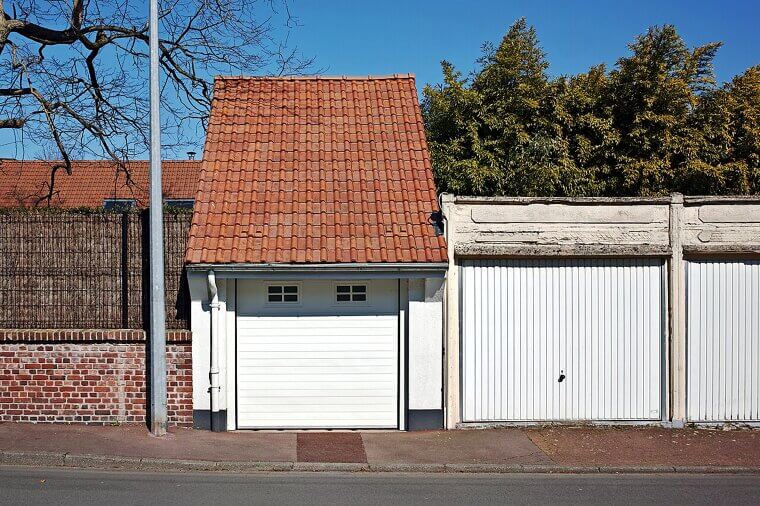
Attics should always have adequate insulation and airflow. If you notice that there is poor ventilation, chances are you will struggle with condensation, mold and even roof damage down the line - all of which can be expensive to repair.
Pest Damage
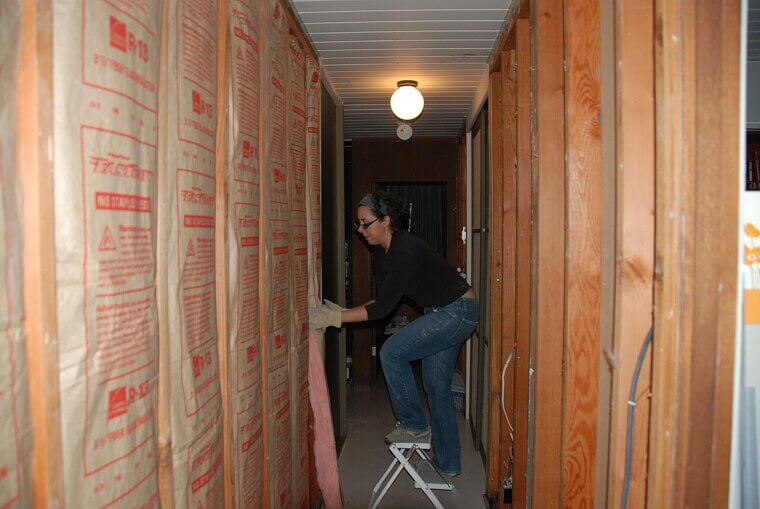
Many flippers try to hide termite damage or rodent infestations with simple cosmetic repairs. To avoid an unpleasant surprise as a buyer, be sure to look out for mud tubes, chewed wood and droppings in hidden areas.