Change Your HVAC Filter Every Month
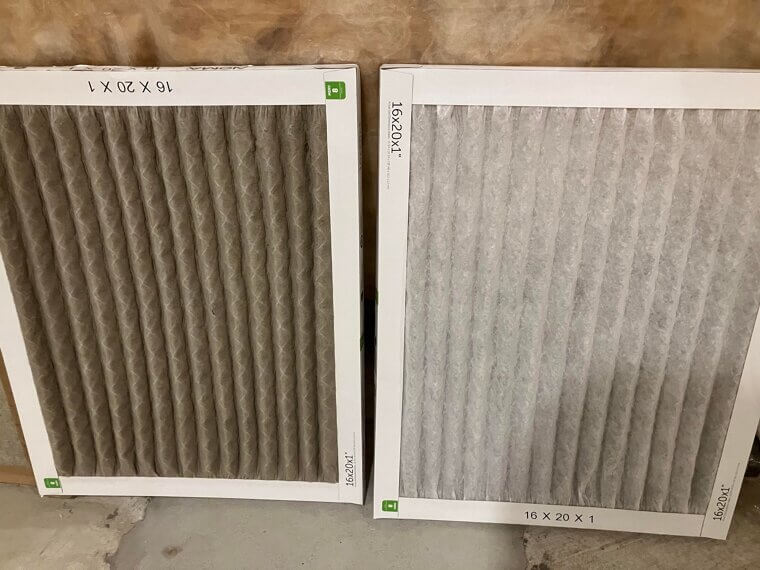
The standard advice to change HVAC filters monthly works for some homes but wastes money for many others. If you have pets that shed heavily, severe allergies, or live in a dusty area, monthly changes make sense. However, homes without these factors can typically run standard 1-inch filters for 60-90 days, and premium pleated filters can last even longer. The key is checking your filter regularly rather than following a rigid calendar schedule. Look at the filter itself - if it's visibly caked with dust and debris, replace it. If it still looks relatively clean, it's still doing its job. Many homeowners replace filters on schedule regardless of actual condition, throwing away perfectly functional filters. Your parents probably changed theirs monthly because that was the universal recommendation, but modern filters are more efficient and homes are better sealed. Focus on actual filter condition rather than arbitrary monthly replacement that the filter packaging often suggests.
Close Vents in Unused Rooms to Save Money
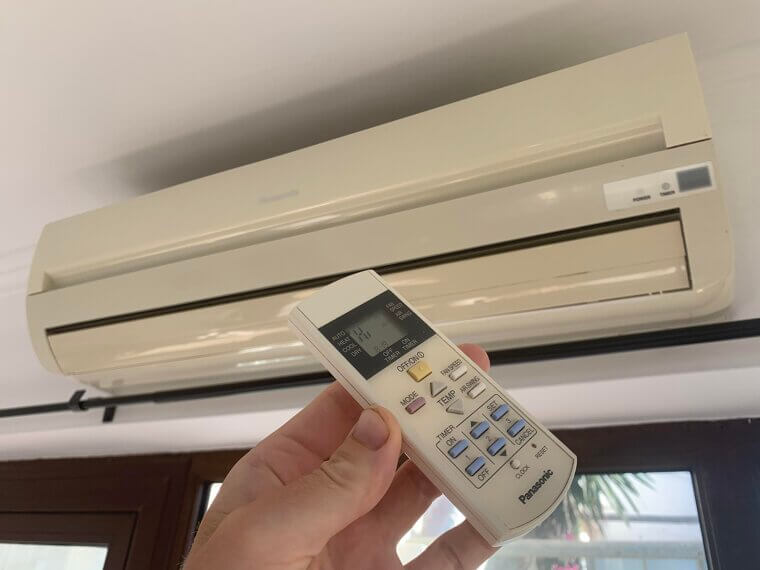
This common practice actually forces your HVAC system to work harder and can damage your ductwork over time. Your heating and cooling system is designed and balanced to distribute air evenly throughout the entire house. When you close vents, you create pressure imbalances that strain the blower motor and can cause air to leak through duct seams. The system doesn't know you've closed vents—it keeps trying to push the same amount of air through a restricted space. This can lead to frozen coils in summer or cracked heat exchangers in winter. Modern HVAC systems aren't like the radiators and steam heat your grandparents had, where closing a valve actually saved energy. If certain rooms are consistently too hot or cold, the solution is proper system balancing by a professional, not closing vents and hoping for the best.
Use Bleach to Clean Everything
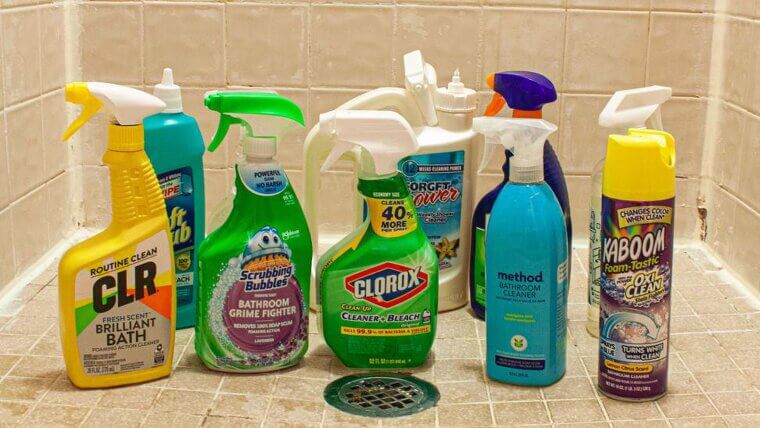
Your parents reached for bleach for nearly every cleaning job because options were limited and bleach was affordable. While bleach remains effective for genuine disinfecting needs like sanitizing after raw meat preparation or remediating mold, it's overkill and potentially harmful for routine cleaning. Bleach discolors grout over time, weakens fabric fibers, corrodes metal fixtures, and creates dangerous fumes when accidentally mixed with ammonia-based cleaners. For most household cleaning, soap and water work just as effectively without the harsh chemical risks. When properly stored in a cool, dark place, bleach retains effectiveness for 6-12 months after opening, but it does gradually lose potency. Modern homes have better cleaning alternatives - baking soda paste handles most stained surfaces, and hydrogen peroxide works for many sanitizing tasks. Save bleach for situations requiring serious disinfection rather than using it as your default cleaner for everything from counters to floors.
Rake Leaves the Moment They Fall
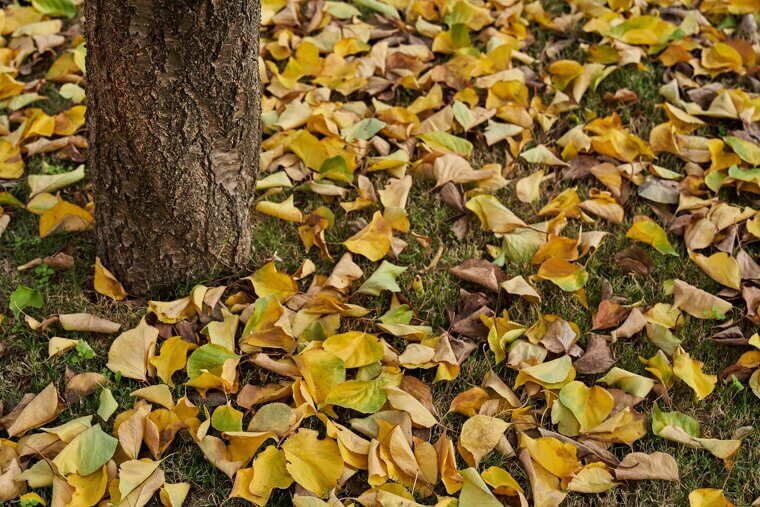
Your parents probably spent every fall weekend clearing leaves immediately, but this urgent approach wastes time without benefiting your lawn. A moderate layer of leaves actually insulates grass roots through winter and breaks down into natural fertilizer. The panic to rake constantly comes from neighborhood aesthetics and outdated lawn care advice. Your grass won't suffocate under a reasonable leaf covering - it's dormant in fall anyway. However, thick mats of wet leaves from large trees can smother grass and promote fungal disease, so heavy accumulation does need attention. Instead of multiple weekend raking marathons, wait until most leaves have fallen, then mulch them with your mower in one or two passes. Chopped leaves decompose quickly and feed your lawn for free. If leaves pile too heavily in spots, rake or blow them into thinner layers rather than removing everything. Those perfectly bare lawns your neighbors maintain require constant work for no real benefit to the grass itself.
Power Wash Everything for Deep Cleaning
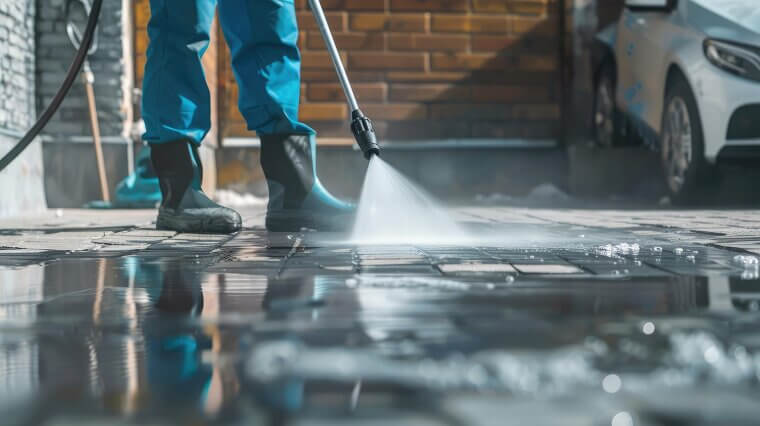
Power washers seem like magic for cleaning siding, decks, and driveways, but too much pressure creates expensive problems. High pressure forces water behind siding and into walls, causing hidden rot and mold. It strips paint that's still serviceable, requiring premature repainting. Power washing damages wood deck fibers, actually making them trap more dirt afterward. It can crack vinyl siding, blow out window seals, and destroy the factory finish on composite materials. Many cleaning jobs need only garden hose pressure with appropriate cleaners. That grimy siding? A soft brush and mild detergent work safely. Deck cleaning? Lower pressure settings or manual scrubbing protect wood fibers. The repair bills from overzealous power washing often exceed years of gentle cleaning costs. Your grandfather's approach of scrubbing with a brush might have seemed old-fashioned, but it didn't cause damage.
Wash Clothes in Hot Water to Get Them Really Clean
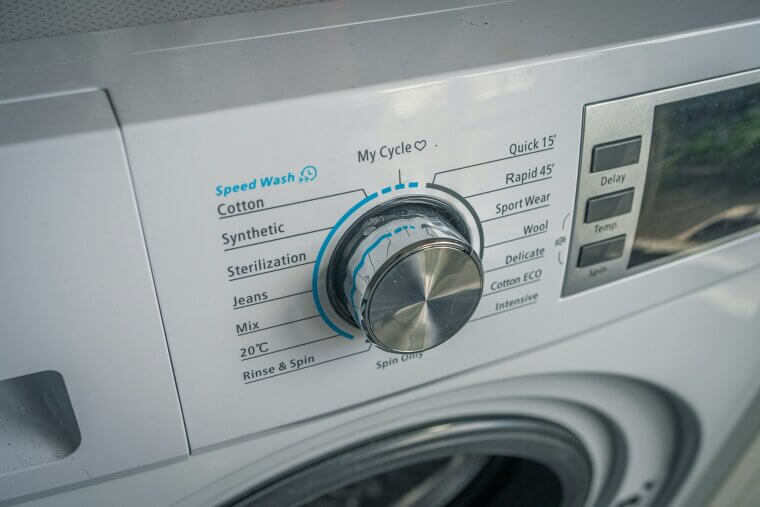
Your parents washed nearly everything in hot water because that was the rule for getting clothes truly clean. Detergents from that era needed hot water to activate properly and dissolve effectively. Modern detergents are formulated to work in cold water, using enzymes and surfactants that function at lower temperatures. Washing in cold saves substantial energy since water heating accounts for about 90% of the energy used in a typical wash cycle. Cold water also prevents colors from fading, keeps fabrics from shrinking, and extends clothing life. Those delicate care labels suggesting cold water aren't just being cautious - cold washing actually protects your investment in clothing. The only items that truly benefit from hot water are heavily soiled work clothes, cloth diapers, or items needing sanitization. For regular laundry, cold water cleans effectively while cutting your energy costs and preserving your clothes. This one simple change can reduce your laundry energy use by half.
Use Duct Tape to Fix Duct Leaks
Despite its name, duct tape fails quickly on actual heating and cooling ducts. Temperature changes, humidity, and the adhesive's breakdown mean your repair won't last more than a season or two. The tape dries out, loses adhesion, and falls off—often inside walls where you can't even see the failure continuing to waste energy. Proper foil tape costs only slightly more but maintains its seal for years. Mastic sealant, a paste applied with a brush, creates even longer-lasting repairs. Professional HVAC technicians never use fabric duct tape on actual ducts because they know it's temporary at best. That roll of duct tape in your garage works great for temporary repairs around the house, just not on the one application its name suggests. Invest a few extra dollars in proper sealing materials and do the job once instead of repeatedly patching the same leaks.

Turn the Thermostat Way Down to Cool Faster
Your parents might have cranked the thermostat to extreme settings thinking it would cool the house faster, but most standard air conditioners work at exactly the same speed regardless of the setting. The compressor runs at full capacity whether you set it to 60° or 75° - there's no "turbo mode" activated by extreme temperatures. What happens instead is your system overshoots your comfortable temperature, then cycles repeatedly trying to maintain an unnecessarily cold setting. This wastes energy and money while creating temperature swings. Variable-speed systems in newer homes do modulate output, but most homes with older equipment have single-stage compressors that operate at one speed. The thermostat is a target temperature, not an accelerator. Set it to your desired comfort level and let the system work steadily toward that goal. Modern programmable thermostats can start cooling before you arrive home, which actually does save energy compared to extreme manual adjustments your parents might have used.

Use Chemical Drain Cleaners First for Clogs
Those bottles of powerful drain cleaner seem like quick fixes, but they often create more problems than they solve. The harsh chemicals damage pipes, especially older metal plumbing and the rubber seals in modern fixtures. They don't always work on stubborn clogs, leaving you with a pipe full of caustic chemicals and still needing a plumber. The fumes can be dangerous in enclosed spaces like bathroom cabinets. A simple drain snake costs about $15 and solves most clogs mechanically without any chemical risks. A plunger works for many drain issues with just elbow grease. For kitchen sinks, the clog usually sits in the P-trap right under the sink—a bucket and wrench let you clear it in five minutes. Save chemical cleaners as a last resort before calling a plumber, not as your first attempt. Your pipes will last longer and you'll save money on repeat purchases.
Paint Over Water Stains and Cracks
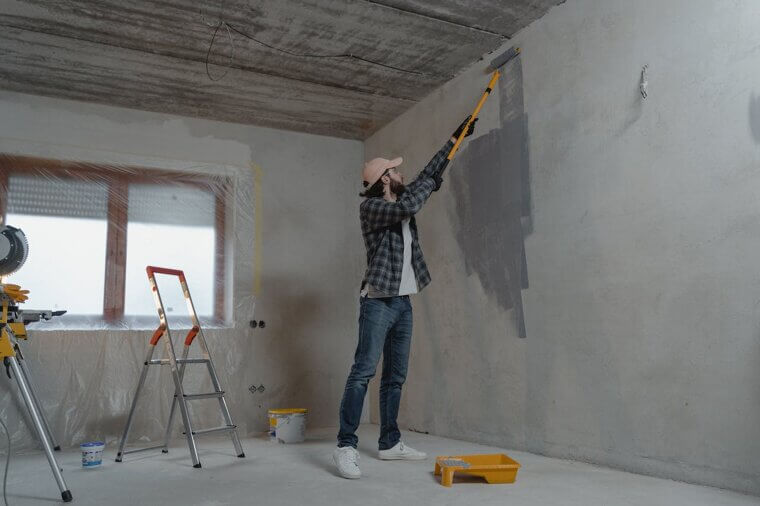
That water stain on your ceiling or crack in your wall won't disappear under a fresh coat of paint. Moisture damage, structural settling, and underlying issues continue worsening beneath the surface. Eventually the problem breaks through your paint job—stains bleed through, cracks reappear wider, and paint starts peeling or bubbling. You end up repainting multiple times while the root cause gets worse and more expensive to repair. Water stains indicate active or past leaks that need investigation and repair. Cracks suggest foundation movement or structural issues requiring attention. Surface preparation and primer help paint adhere, but they don't fix why the problem exists. Address the underlying issue first, then paint. This approach costs more initially but saves money compared to repeatedly painting over problems. Your house is trying to tell you something when these issues appear—covering them up just delays the conversation.
Leave Lights On Instead of Turning Them Off
Your parents probably told you leaving lights on used less energy than the power surge from turning them on and off frequently. This advice applied to old incandescent bulbs that experienced minor stress during startup, though even then the energy waste from leaving them on exceeded any bulb life extension. Modern LED bulbs make this advice completely obsolete - startup power is negligible and the bulbs are rated for tens of thousands of on-off cycles. Turn off LED lights when leaving rooms, even briefly. The energy saved adds up quickly over weeks and months. If you still have CFL bulbs in some fixtures, those are the exception - leaving CFLs on makes sense if you'll return within 15 minutes, since frequent cycling does reduce their lifespan. However, most homes have switched to LEDs by now. Your electricity bill will reflect real savings when you adopt the simple habit of flipping switches as you leave rooms rather than following outdated advice from a different era of lighting technology.
Caulk Everything to Stop Air Leaks
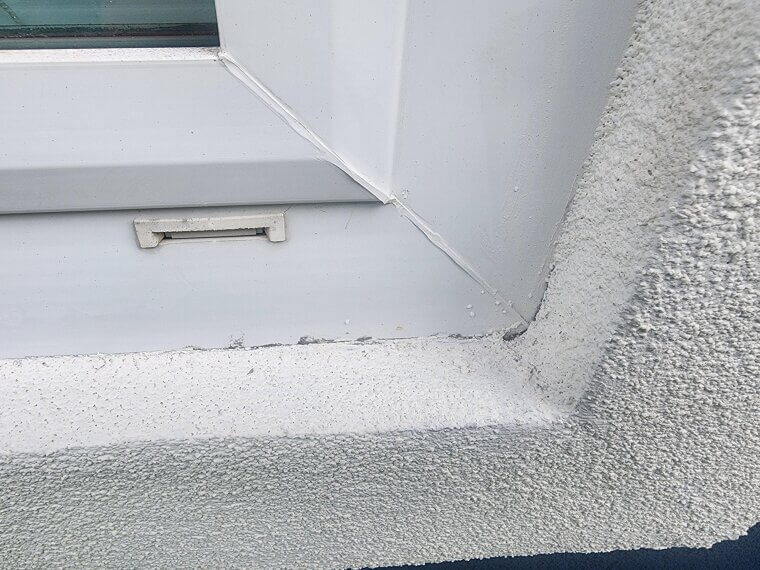
Sealing every crack and gap in your home seems logical for energy efficiency, but over-caulking creates serious problems. Homes need to breathe in specific areas—moisture must escape from wall cavities, attics need ventilation, and certain gaps allow necessary air circulation. Sealing everything traps moisture inside walls, leading to mold growth, wood rot, and insulation deterioration. These hidden problems often cost thousands to repair and create health hazards worse than any energy loss from proper ventilation. The key is strategic caulking around windows, doors, and penetrations where conditioned air escapes, while leaving intentional ventilation paths alone. Older homes especially were designed with natural airflow patterns that modern over-sealing disrupts. If you're unsure where to caulk, focus on obvious drafts you can feel and visible gaps around fixtures. Leave attic vents, soffit vents, and weep holes in brick alone—they're there for important reasons.
Cleaning Gutters Once a Year Is Enough
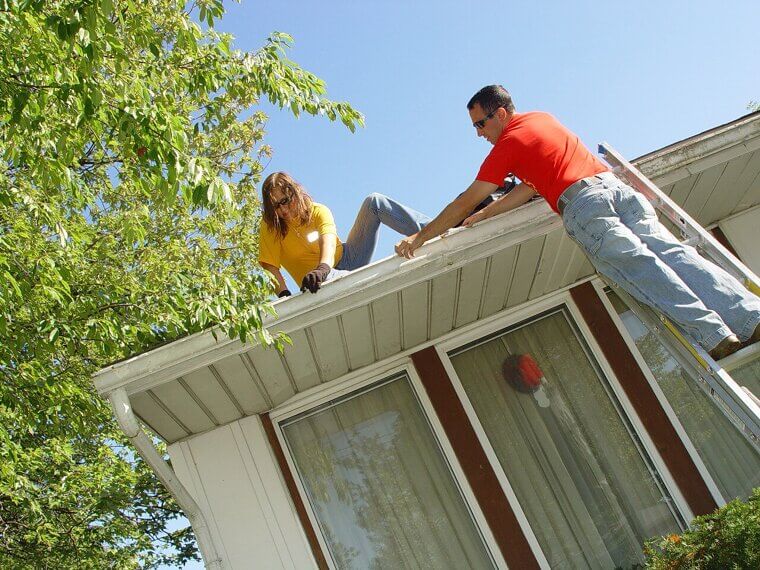
Most homes need gutter cleaning at least twice annually—once in late spring after trees finish dropping seeds and debris, and again in late fall after leaves finish falling. Homes surrounded by trees may need quarterly cleaning to prevent clogs. Clogged gutters cause water to overflow and pool against your foundation, leading to basement flooding, foundation cracks, and structural settling. Water backing up under shingles causes roof rot and leaks. The fascia boards holding gutters rot from constant moisture exposure. Ice dams form in winter when clogged gutters trap water. These problems cost thousands to repair—far more than regular gutter maintenance. A single cleaning might have sufficed for your parents' generation with fewer trees nearby, but modern landscaped properties require more attention. Gutter guards reduce but don't eliminate cleaning needs. Budget time and money for proper gutter maintenance rather than dealing with water damage repairs.