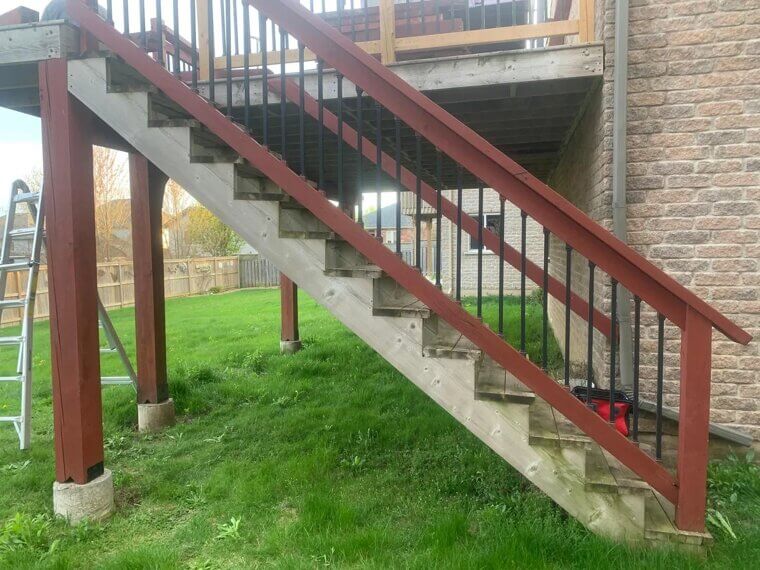
Cracked Foundation or Small Wall Cracks
Tiny cracks in the foundation can look harmless, like normal settling. However, some cracks widen over time, signaling drainage issues or pressure buildup around the house. Monitoring them with a pencil mark or tape will provide a quick way to track movement and stop small issues from becoming structural problems.
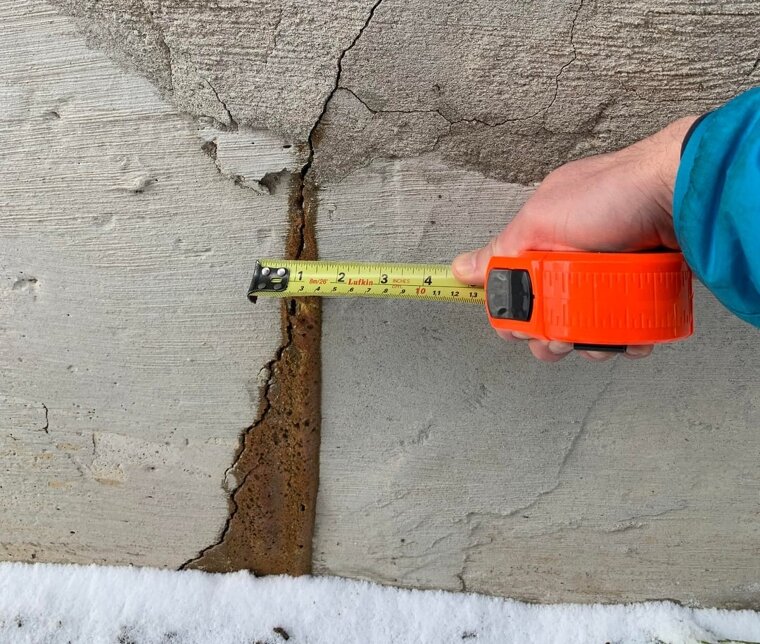
Clogged Sink or Shower
You know that slow drain is mocking you, right? Instead of waiting for it to stop completely, just buy a cheap hair catcher or run a "zip-it" tool down there now. It takes five seconds. Ignoring it, on the other hand, means you’ll eventually be knee-deep in murky water, trying to explain to a plumber how the whole situation could have been avoided.
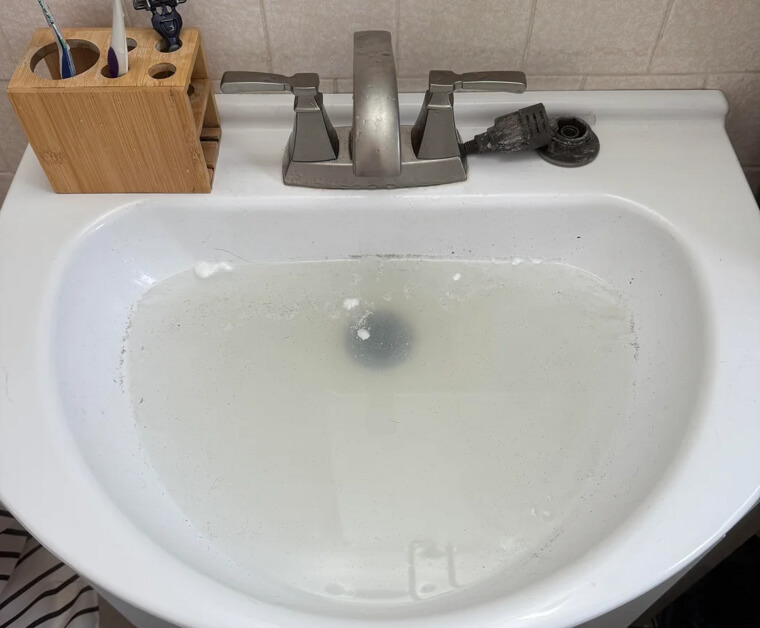
Overflowing Toilet / Toilet Not Flushing
Most toilet problems start inside that tank nobody wants to open. A floppy flapper or a float set too low can turn a strong flush into a sad swirl. People often ignore it because the toilet still “technically” works. Fix it there and then, or prepare for the panic dance when the water starts rising toward the rim during a dinner party.
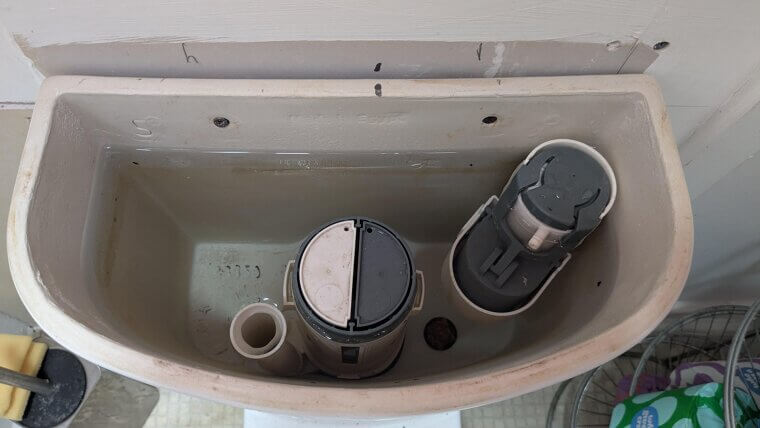
Leaky Faucet
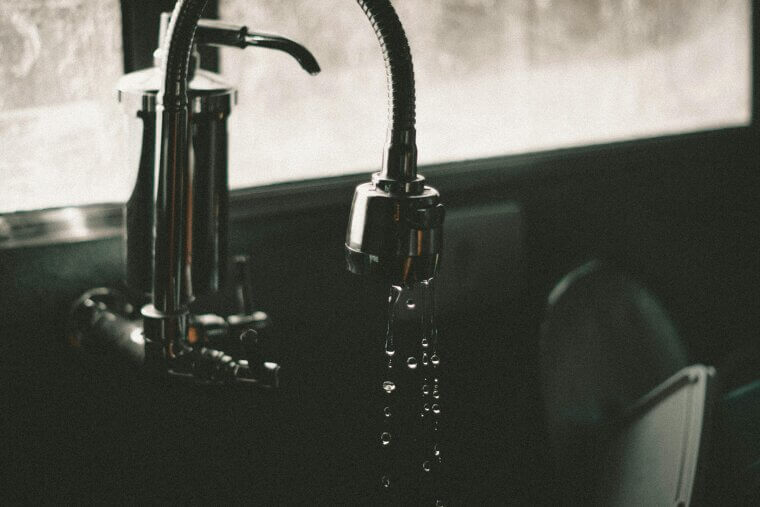
That steady plink into the sink usually means a worn washer or loose part. It sounds harmless, but over time, that small leak will waste water and wear down fittings. A quick peek at the handle or cartridge will help prevent corrosion, which can lead to expensive repairs.
Water Heater Failure / Cold Water
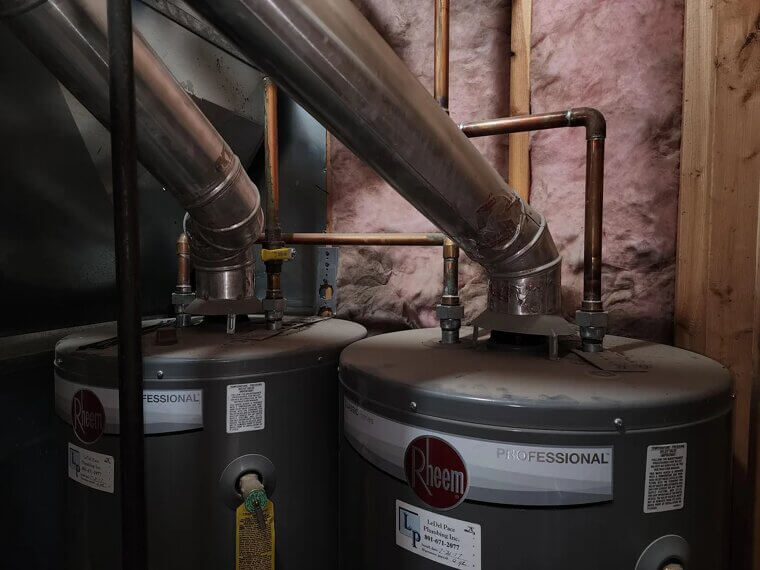
These tanks are like elephants; they never forget, especially when it comes to sediment building up at the bottom. Drain a gallon out of the spigot at the base once a year to clear the gunk. If you don't, the tank will rust out, flood the basement, and leave you taking ice baths in January! You certainly do not want that.
Frozen or Burst Pipes
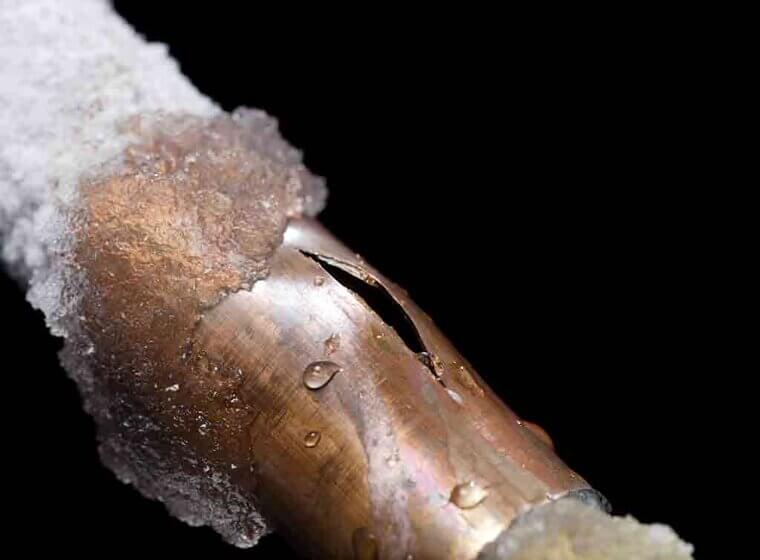
When the weatherman starts talking about a "polar vortex," it is time to insulate those exposed pipes in the garage or crawlspace. A pool noodle will only cost you a buck; a burst pipe will cost you your sanity and savings account. Dealing with a flooded house because you didn't buy foam insulation is a rookie mistake, sport.
Squeaky or Loose Floorboards
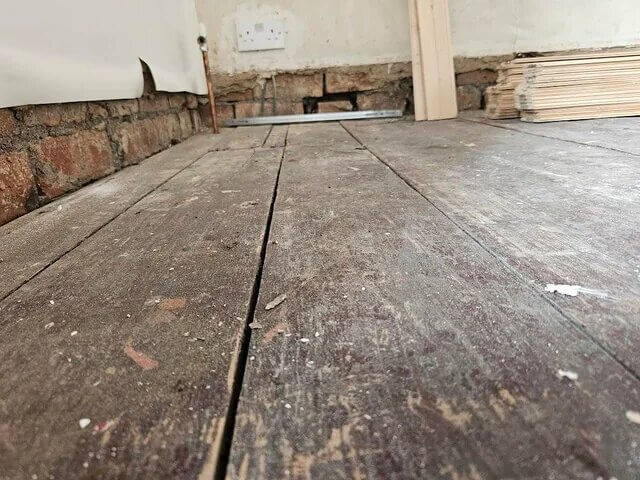
Do you find your hallway announcing your midnight snack runs to the whole house? That squeak is movement, and movement means nails are pulling loose. Sprinkle some talcum powder in the cracks and drive a finishing nail into the joist, or be prepared to create wear on the wood and make your house sound like it's haunted.
Peeling Paint / Wood Rot on Exterior Trim
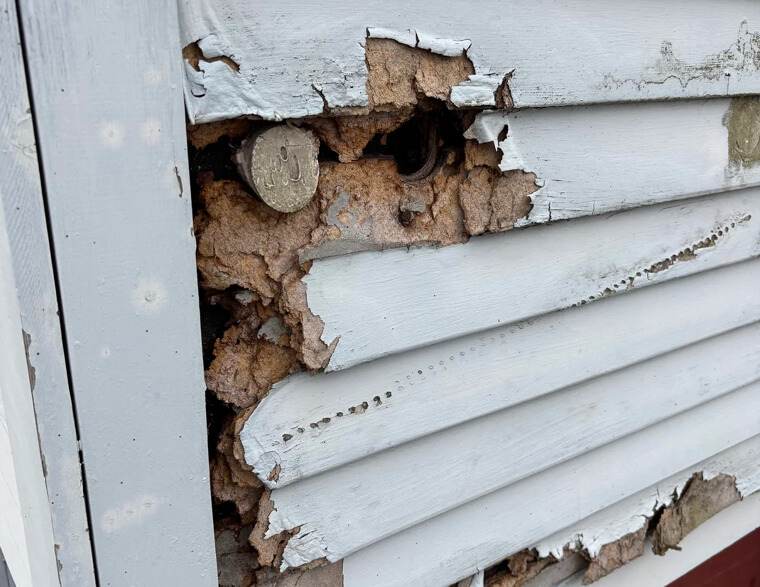
Paint is more than just decoration. It protects your wood from soaking up moisture. When it starts peeling, even in a tiny area, water gets in. Soon, the wood will soften, rot, and spread damage across the trim. Catching those first flakes and repainting the small patch will prevent the expensive process of replacing entire boards or frames.
Roof Leaks
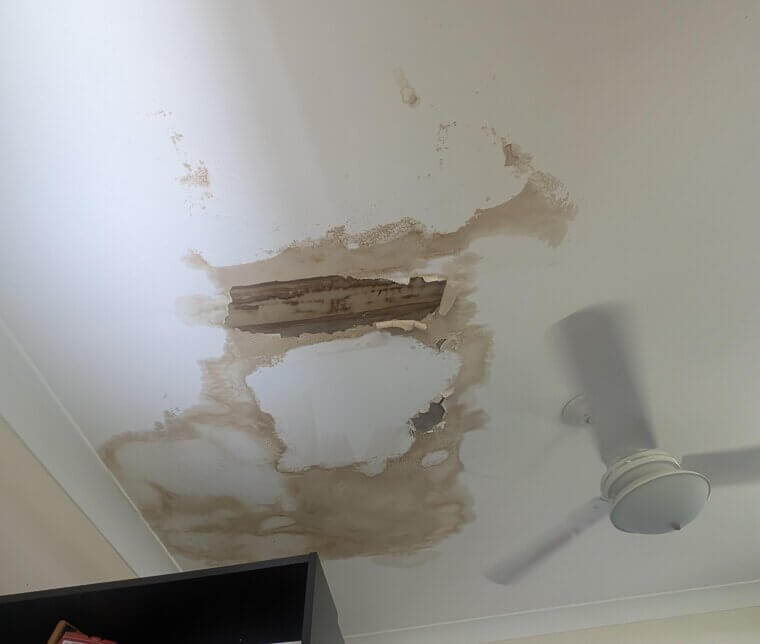
You don't need to climb up there and break a hip. Just grab some binoculars and scan your roof from the yard. Look for curled, cracked, or missing shingles. Once you spot one missing tab, you can get it fixed immediately for twenty bucks, or wait until you see a water stain on your bedroom ceiling. The choice is yours.
Clogged Gutters Causing Water Damage
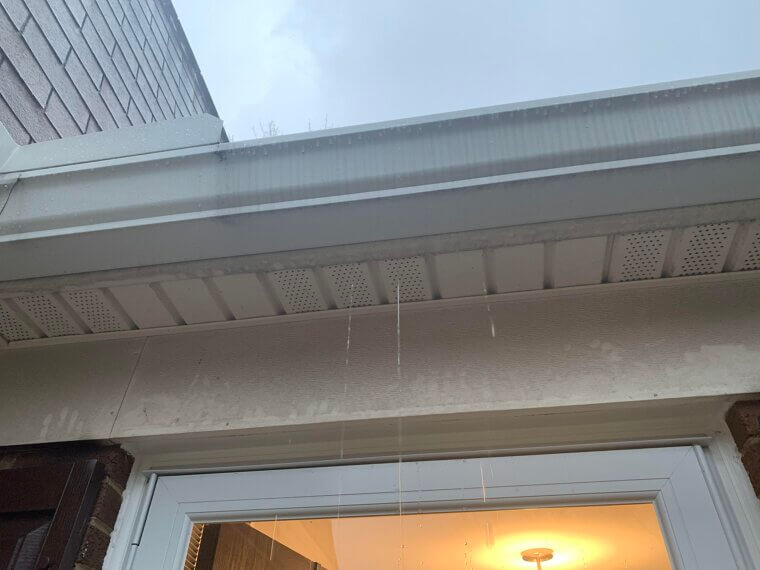
Cleaning gutters is not exactly the ideal scenario you want to be in, but neither is a flooded basement. When gutters clog, water pours right over the edge and pools against your foundation. Get the ladder, put on some gloves, and scoop out that muck. Think of it as free fertilizer for the garden.
Sump Pump Failure / Basement Flooding
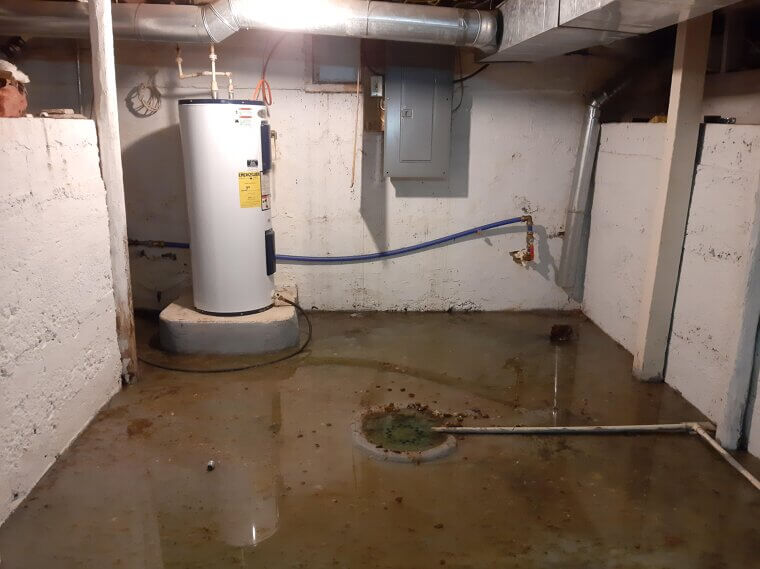
People usually forget that their sump pump even exists until the storm of the year arrives and the basement starts to flood. The truth is that most failures are preventable. Simply dump a bucket of water into the pit to make sure it turns on. If the pump reacts slowly or not at all, you need to get it fixed.
HVAC Poor Performance / High Energy Bills
If your furnace is wheezing like a person in their mid-30s after a 5k run, you need to check the filter. A clogged filter can choke the system and spike your electric bill. Just hold it up to the light, and if you can’t see through it, toss it. It’s the easiest maintenance task in the world, yet people ignore it until the heat dies on Christmas.
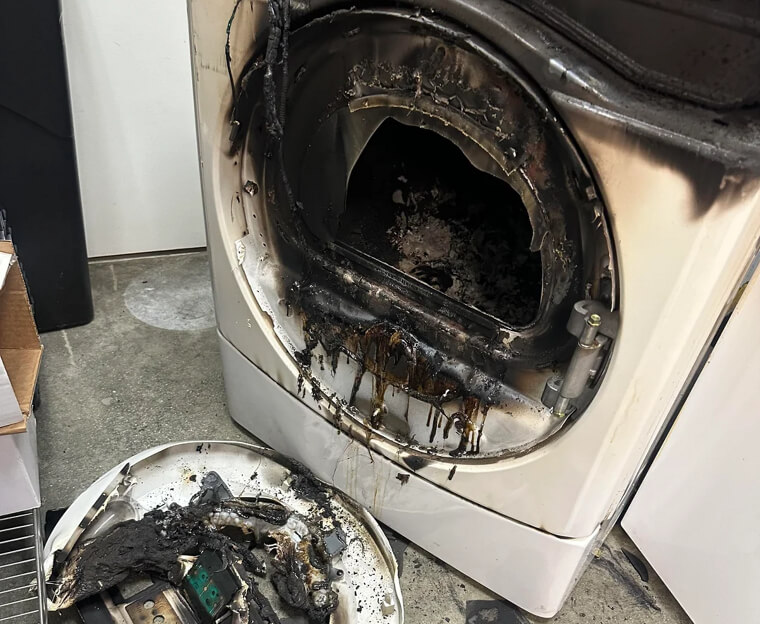
Clothes Dryer Not Drying / Lint Fire Risk
Most people think cleaning the little screen is enough, but unfortunately, it isn’t. If your towels take two cycles to dry, your exhaust vent is likely clogged with lint, posing a significant fire hazard. Disconnect the hose and vacuum it out. You’ll save electricity, dry your jeans faster, and significantly lower the odds of a visit from the fire department.
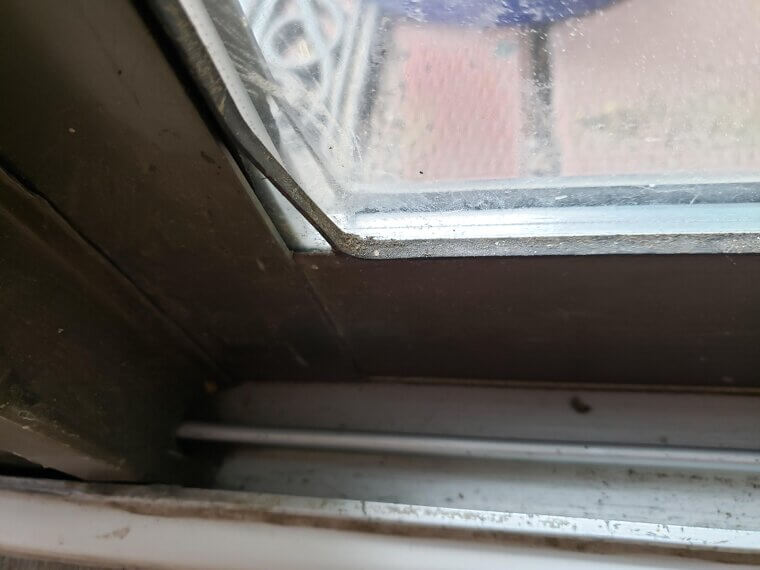
Door/Window Drafts and Failing Seals
Drafty frames or fog between glass panes is a signal for a failing seal. It may not appear dangerous, but the energy loss adds up, forcing your heating or cooling system to work harder. You can easily stop the problem before it even happens by checking the weatherstripping or replacing the failing seals.
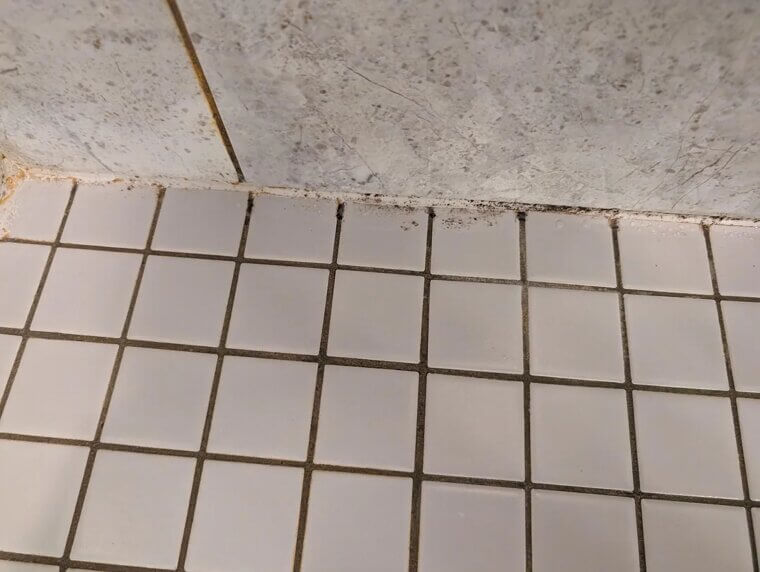
Peeling Caulk and Grout in Bathrooms
Bathrooms are full of moist air and running water, so the tiniest gap in the caulk invites water into places you definitely do not want it to be. Moisture can sneak behind tiles and into walls, leading to rot or mold. Re-caulking will only take a short afternoon and cancel out what could become a major repair involving wall removal. Get on it!
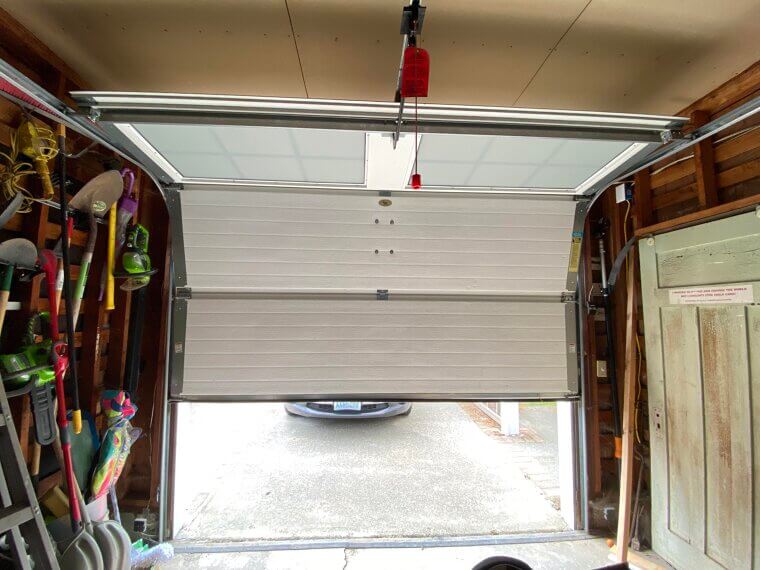
Garage Door Not Operating Smoothly
Sorry to break it to you, but that screeching noise your garage door makes is not normal. Give it some relief by spraying the rollers and hinges with lithium grease (not WD-40, which attracts dirt), and check the sensors to ensure they aren't misaligned. A little lube now will prevent the motor from burning out later.
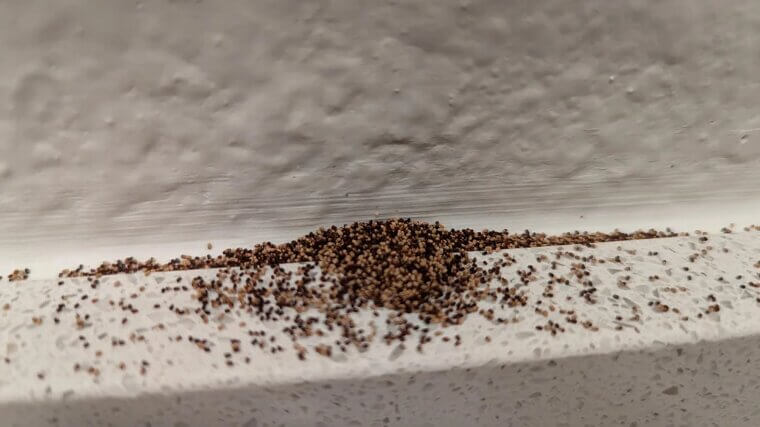
Pest Infestations (Rodents, Termites)
Droppings in a corner or a bit of sawdust near wood might not attract much attention, but these are early warnings. Termites, mice, and other pests do far more damage when left undetected. A quick look at crawlspaces and cabinets each month is usually enough to catch a problem early and avoid expensive extermination and repairs.
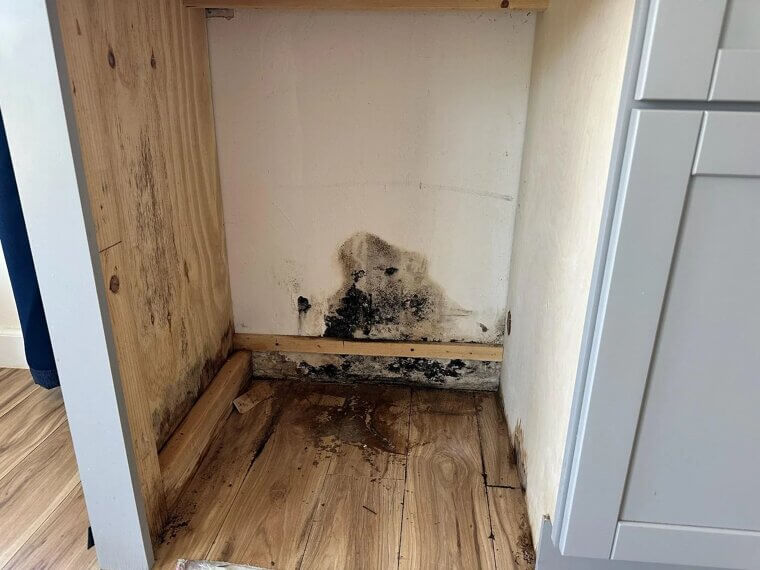
Water Stains Under Kitchen Appliances
Moisture around the dishwasher or fridge often starts from a slow drip where a hose meets a valve. It can go unnoticed until the wood floor warps or the cabinet base softens. Pulling the fridge and dishwasher out once a year and checking for dampness will hardly take five minutes, and keep you ahead of unexpected leaks.
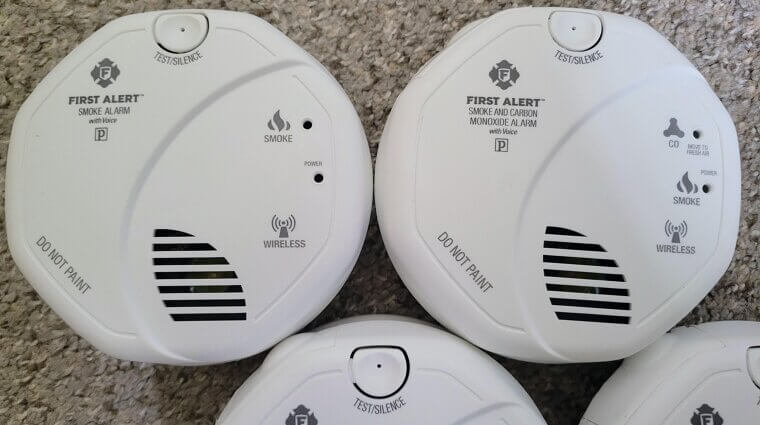
Dead or Silent Smoke Detectors
It can be easy to forget about smoke detectors, but those test buttons exist for a reason. A silent or outdated device will fail when you need it most. Replace the batteries annually, and the entire unit every seven to ten years to ensure it works properly. This will help avoid safety risks and damage from fires detected too late.
Loose Railings or Wobbly Steps
Grab your deck railing and give it a shake. If it wiggles back like a loose tooth, it can mean two things: either the bolts have loosened, or the wood has begun to separate, and neither scenario ends well. Tightening screws or adding new anchors should resolve most issues right away.