
The Nutty Furniture Fixer
If you have a pesky scratch on your mahogany coffee table or oak flooring, don't rush to the hardware store for expensive wood fillers just yet. Reach into your pantry for a plain walnut instead. Simply crack the shell and rub the meat of the nut directly over the scratch in a circular motion. The natural oils in the walnut penetrate the wood, effectively masking the blemish and blending it back into the original finish.
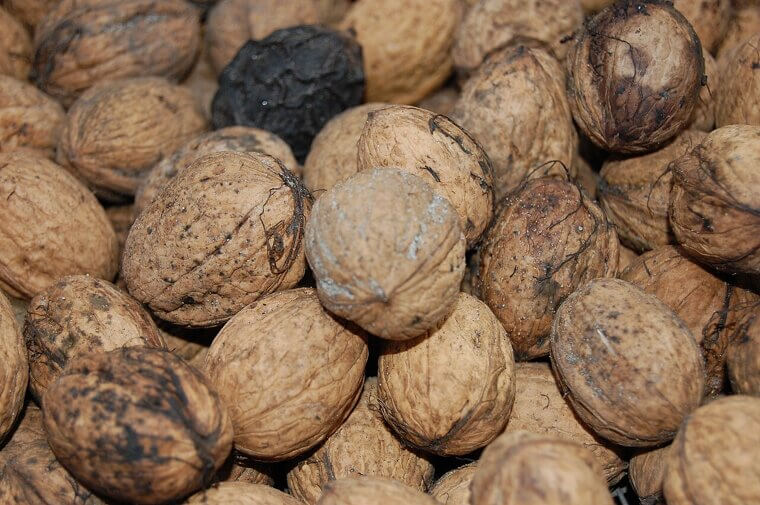
It’s a gentle, chemical-free way to restore the beauty of your heirlooms without spending a single dime on professional refinishing services.
Toothpaste for Crystal Clear Vision
Over time, car headlights can become cloudy and yellowed, which is both an eyesore and a safety hazard. Instead of buying a specialized restoration kit, try using a bit of non-gel white toothpaste. Apply a generous amount to a soft cloth and scrub the plastic surface in firm, circular motions. The mild abrasives in the paste gently buff away the oxidation and grime that build up over the years.
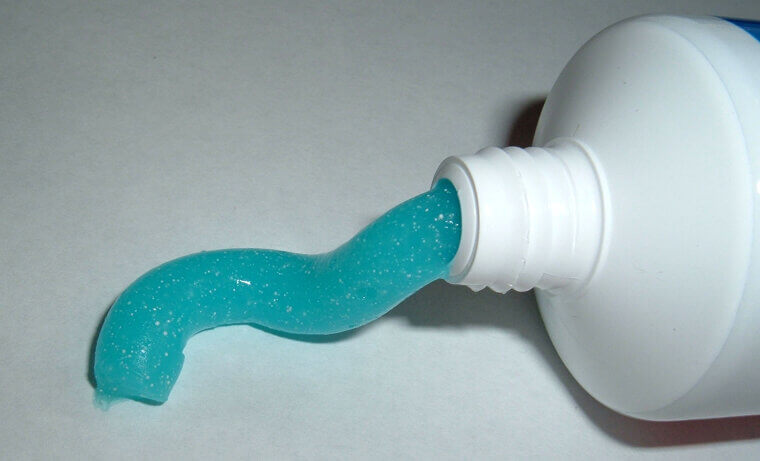
Rinse with water and dry to reveal headlights that look almost brand new, saving you a significant amount on replacement parts.
Pool Noodles for Perky Boots
Tall boots have a frustrating habit of flopping over in the closet, which creates unsightly creases in the leather and makes your storage space look cluttered. A simple and incredibly cheap solution involves those foam pool noodles left over from summer. Cut the noodles to the height of your boot shafts and tuck them inside. They provide just enough structure to keep the boots standing tall and proud. This preserves the shape of your footwear.
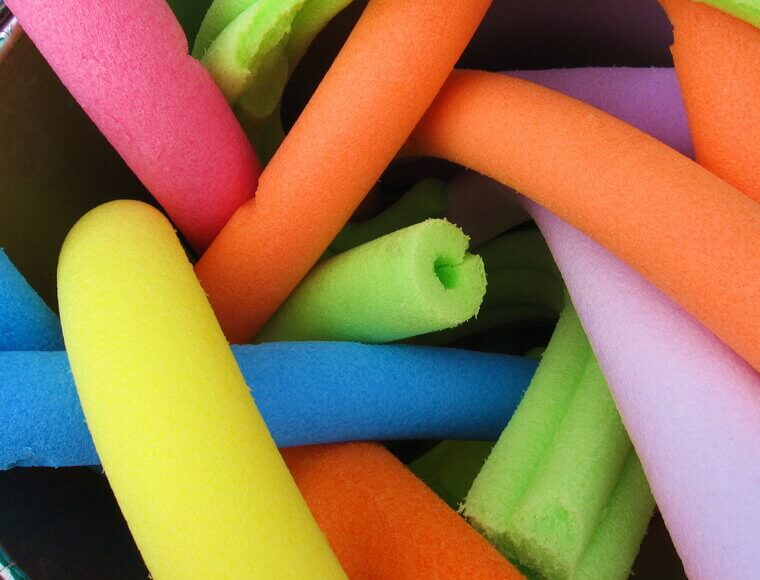
And it ensures they last for many more seasons, preventing the need for frequent, costly replacements.
Bread as a Glass Magnet
Breaking a glass is a stressful ordeal, especially when tiny, invisible shards scatter across the kitchen floor. While a broom gets the big pieces, the microscopic slivers are often left behind. To safely pick up every last bit, take a slice of fresh white bread and press it firmly onto the area where the glass shattered. The soft, porous texture of the bread acts like a magnet, trapping the smallest fragments deep within the dough.

It is a brilliant way to ensure your kitchen is safe for bare feet without using expensive sticky rollers.
Vinegar’s Secret Shower Power
Hard water stains and lime scale can make a showerhead look ancient and significantly reduce water pressure. Rather than replacing the fixture or using harsh industrial cleaners, grab a plastic bag and some white vinegar. Fill the bag with vinegar, submerge the showerhead in the liquid, and secure it with a rubber band. Let it soak overnight to dissolve the mineral deposits naturally. In the morning, run the water to flush out the debris.

You will be amazed at the restored flow and the sparkling shine, all for the cost of a few pennies.
Rubber Bands for Stripped Screws
We have all dealt with the frustration of a stripped screw that refuses to budge, no matter how hard you turn the screwdriver. Before you call a handyman or buy a specialized extraction tool, try placing a wide rubber band over the head of the screw. Insert your screwdriver into the head through the rubber. The grip provided by the latex fills the gaps in the stripped metal.

It allows the tool to get the traction it needs to turn the screw easily. This simple trick saves time, energy, and the cost of professional assistance.
Dryer Sheets as Baseboard Barriers
Dusting baseboards is a back-breaking chore that seems to never end, but used dryer sheets can change the game. After you’ve run a load of laundry, take the used sheet and wipe it along your baseboards. The anti-static properties of the sheet coat the surface, which actually repels dust and pet hair rather than just moving it around. This means you will have to clean them much less frequently.

It’s a fantastic way to give a second life to a disposable item while keeping your home looking pristine with minimal effort.
Ketchup for Copper Brilliance
If your copper pots and pans have lost their luster and taken on a dull, tarnished appearance, look no further than your refrigerator door. Ketchup contains acetic acid, which reacts with the copper oxide to dissolve tarnish naturally. Smear a thin layer of the condiment over the surface and let it sit for about twenty minutes. Wipe it away with a damp cloth to reveal a brilliant, rosy shine.

It works just as well as expensive specialty metal polishes, saving you money while making your kitchenware look like a high-end display in a boutique.
Mayo for Water Ring Removal
There is nothing quite as heart-sinking as seeing a white water ring left behind on a beautiful wooden table by a stray beverage. Before you consider sanding or refinishing, try dabbing a bit of full-fat mayonnaise onto the mark. Let it sit for several hours or even overnight. The oils in the mayo seep into the wood, displacing the moisture that caused the discoloration in the first place.
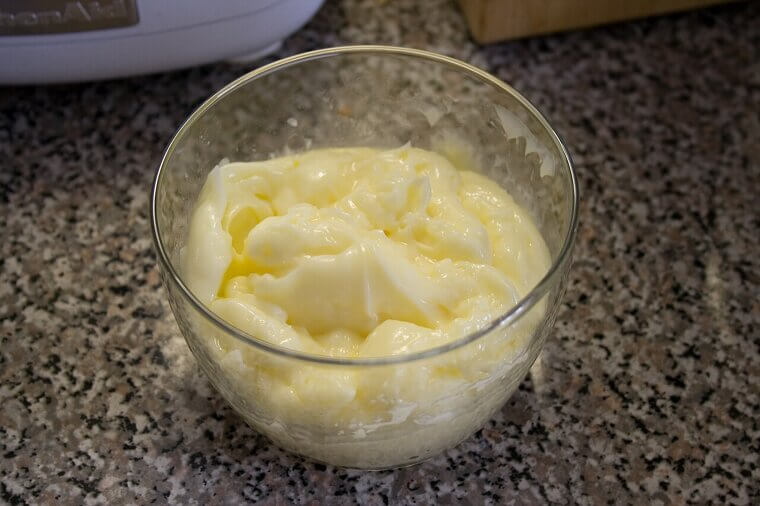
Once you wipe it clean, the ring should be gone, restoring your furniture to its former glory without a costly repair bill.
Aluminum Foil for Silver Sparkle
Polishing silver can be a tedious and messy chore involving smelly chemicals. Instead, line a bowl with aluminum foil, fill it with hot water, and add a tablespoon of baking soda. Drop your tarnished silverware or jewelry in, making sure the silver touches the foil. A chemical reaction called ion transfer pulls the tarnish off the silver and onto the foil in seconds.
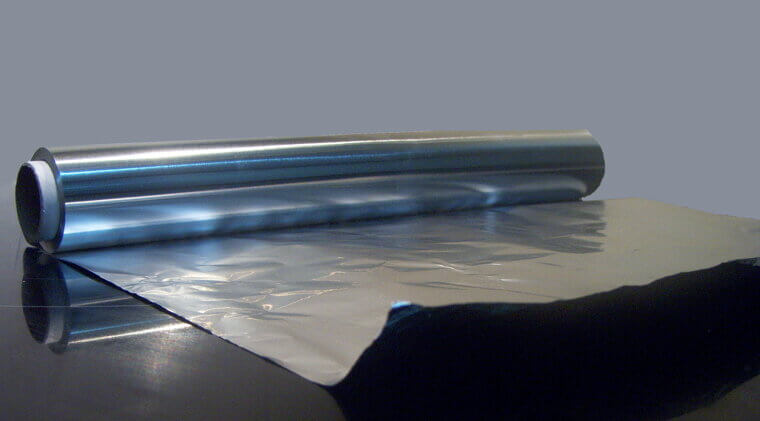
It is a fascinating, hands-off way to restore your valuables to a mirror-like finish for the price of a few kitchen staples you already own.
Coffee Grounds as Fridge Deodorizers
Expensive charcoal filters and boxed baking soda aren't the only ways to keep your refrigerator smelling fresh. After brewing your morning pot, save the dried coffee grounds and place them in a small bowl on a shelf. The nitrogen in the grounds acts as a powerful odor absorber, neutralizing the scents from pungent leftovers or ripening produce. This trick is a double win.
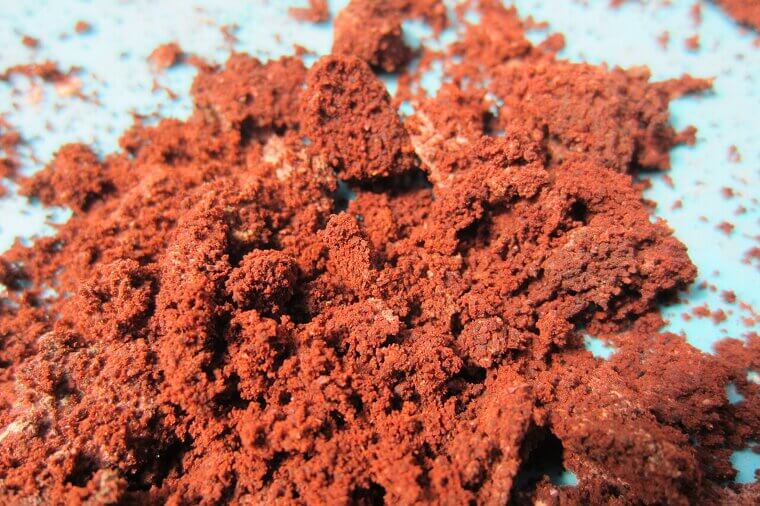
It gives a second life to your waste and saves you from purchasing recurring deodorizing products, keeping your kitchen smelling clean and inviting for zero extra cost.
Cooking Spray for Squeaky Hinges
A squeaky door can be incredibly annoying, but you don't need to run to the garage for industrial lubricants to fix it. A quick spritz of non-stick cooking spray on the hinge pins will do the trick instantly. The oils provide enough lubrication to stop the metal-on-metal friction that causes that high-pitched screech. It is a food-safe, convenient alternative to specialized sprays, and since most of us keep a can in the pantry, it's convenient, too.

It provides an immediate, cost-free solution to a nagging household problem that might otherwise drive you crazy.
Baby Powder for Tangled Chains
Trying to untangle a delicate gold necklace can be a test of patience that often results in broken jewelry. To make the process stress-free, sprinkle a little bit of baby powder or cornstarch over the knot. The fine powder acts as a dry lubricant, allowing the metal links to slide past each other with ease. Use a needle to gently pull the knot apart, and you will find it unravels almost effortlessly.
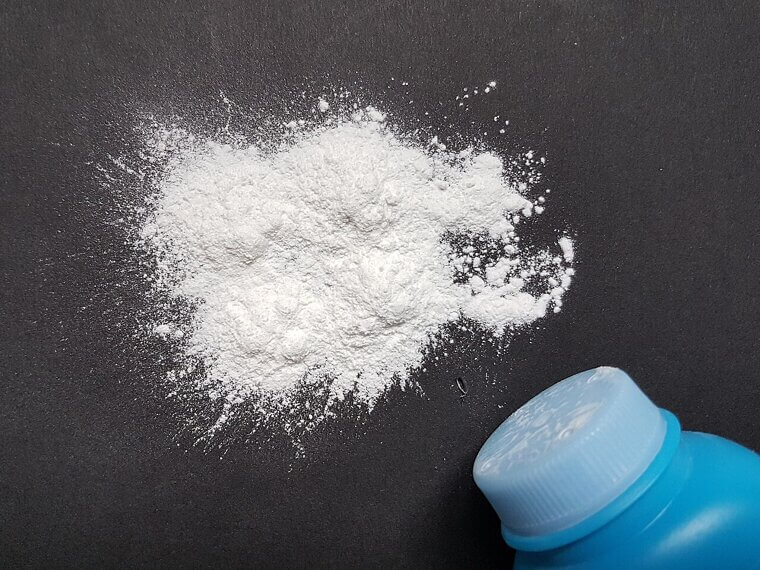
This saves you the high cost of a professional jeweler’s repair and preserves your precious sentimental pieces.
Rice for Narrow Vase Cleaning
We all have those beautiful, narrow-necked vases or decanters that are impossible to reach inside with a brush. To get them sparkling clean, pour in a handful of uncooked rice, a little warm water, and a drop of dish soap. Swirl the mixture vigorously for a few minutes. The hard grains of rice act as tiny scrubbers, scouring away mineral deposits and grime from the hard-to-reach bottom and sides.
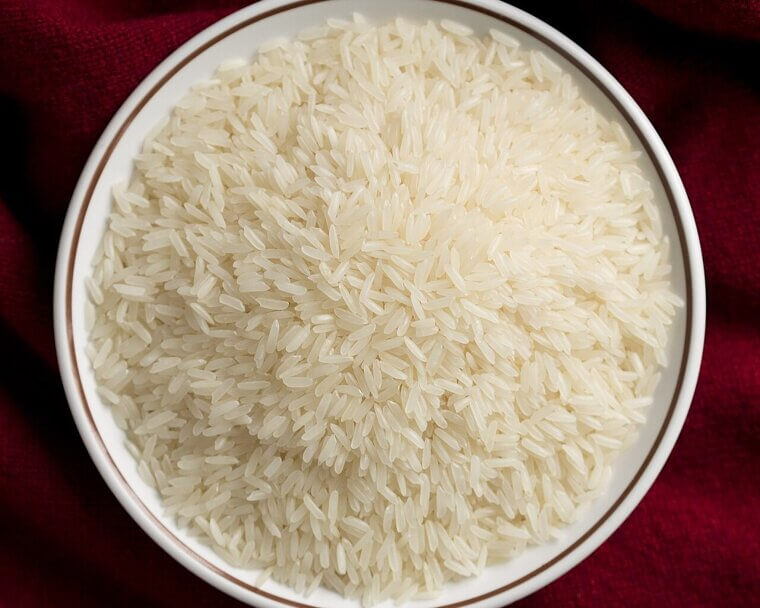
It is a simple, effective technique that ensures your decorative glassware stays pristine without having to buy specialized cleaning equipment.
Chalk for Greasy Fabric Stains
A grease splatter on your favorite blouse can feel like a permanent disaster, but a simple piece of white chalkboard chalk can save the day. Rub the chalk generously over the grease spot before putting the garment in the wash. The porous calcium carbonate in the chalk is highly absorbent and will pull the oils right out of the fabric fibers. This prevents the stain from setting during the drying cycle.
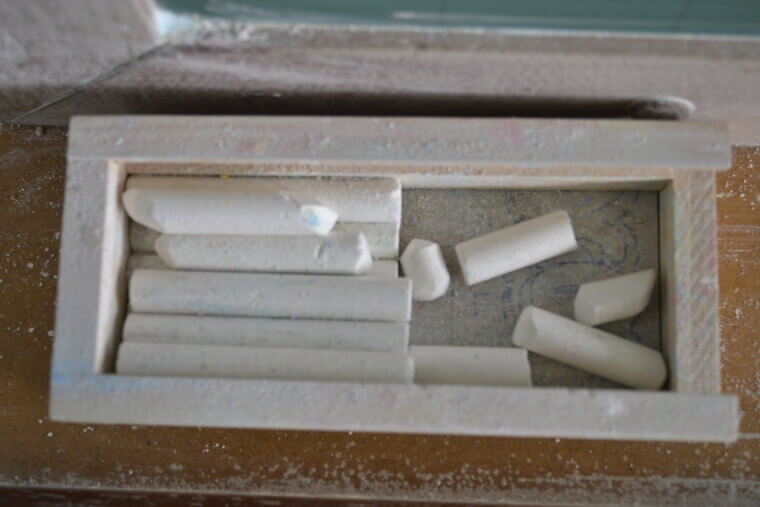
It saves your wardrobe and spares you the expense of professional dry cleaning or the need to replace ruined clothing.
Hair Dryer for Sticker Residue
Peeling a price tag off a new purchase often leaves behind a sticky, stubborn residue that attracts dirt. Instead of buying chemical adhesive removers, point your hair dryer at the label for about thirty seconds. The heat softens the glue, allowing the sticker to peel away cleanly without leaving a mess. If some residue remains, another quick blast of heat and a wipe with a cloth will finish the job.
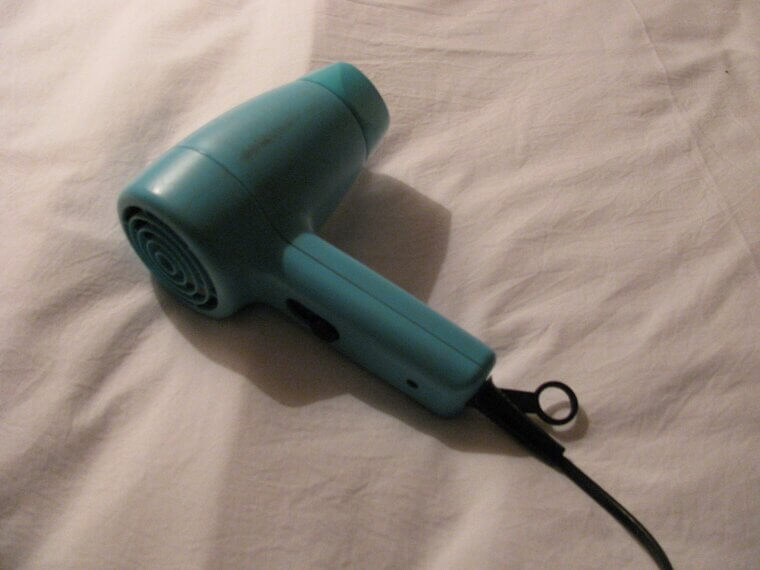
It is a clean, non-toxic way to keep your new items looking perfect without spending extra on "goo" removing products.
Newspaper for Streak-Free Windows
Paper towels are expensive and often leave behind annoying bits of lint on your glass surfaces. For a professional, streak-free finish, use old black-and-white newspapers to dry your windows after cleaning. The dense fibers of the newsprint don’t break down like soft paper, and the ink reportedly acts as a very mild abrasive that helps buff the glass to a high shine.

It is an eco-friendly way to recycle your morning paper while achieving a level of clarity that pricey cleaning cloths often struggle to match in your home.
Rubber Gloves for Pet Hair Removal
If your vacuum struggles to pick up stubborn pet hair from upholstered furniture, try putting on a pair of standard rubber dishwashing gloves. Lightly dampen the gloves and run your hands over the fabric. The static electricity and the friction created by the rubber cause the hair to clump together into easy-to-grab rolls. It is significantly more effective than many expensive lint rollers and doesn't require the constant purchase of adhesive refills.
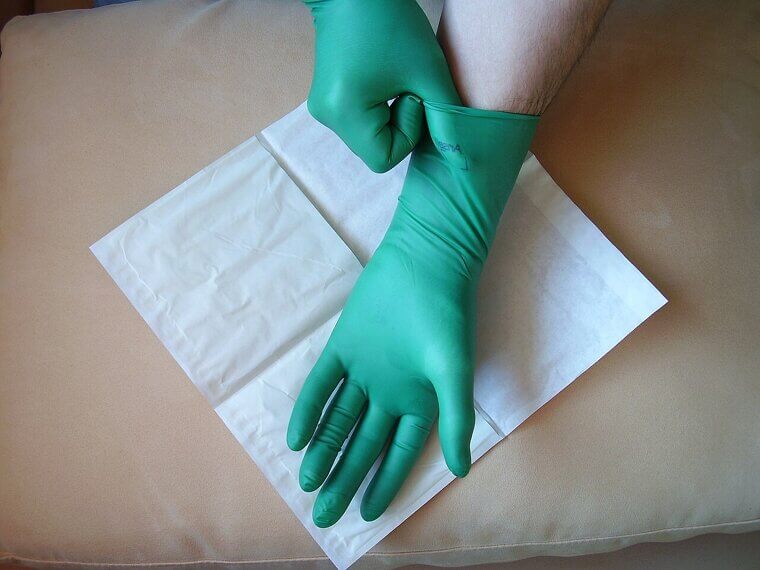
This simple hack keeps your living room looking tidy and guest-ready for just pennies a day.
Baking Soda for Carpet Freshness
Commercial carpet fresheners are often filled with heavy perfumes that merely mask odors. For a deep, clean scent that actually neutralizes smells, sprinkle a generous layer of baking soda over your rugs. Let it sit for at least thirty minutes—or even longer if you have pets—to allow the powder to absorb trapped odors and moisture. When you vacuum it up, you’ll be removing the scent at the source.
This inexpensive pantry staple keeps your home smelling fresh and clean without the high price tag of specialized floor deodorizing products.
Lemon Juice for Microwave Gunk
Cleaning a microwave filled with dried-on food splatters is a dreaded chore. To make it effortless, place a bowl of water with several lemon slices inside and microwave it on high for five minutes. The steam will loosen the stuck-on bits, while the citric acid acts as a natural degreaser. Once the timer goes off, let it sit for a few minutes to let the steam work its magic, then simply wipe the interior clean with a sponge.

You’ll save on elbow grease and expensive chemical cleaners, leaving behind a fresh citrus scent.
Salt for Cast Iron Care
You should never use soap on a well-seasoned cast iron skillet, but how do you get rid of stuck-on food? The answer is coarse kosher salt. Pour a small amount of salt into the pan while it’s still warm and scrub with a paper towel or a soft cloth. The abrasive texture of the salt scours away burnt-on debris without stripping away the precious non-stick seasoning you’ve worked so hard to build.
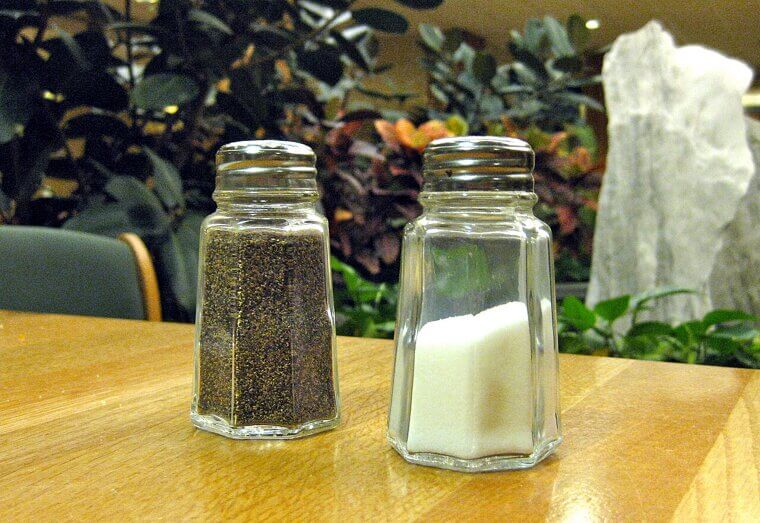
This traditional method keeps your cookware in top shape for decades, ensuring you never have to replace your favorite frying pan.
Essential Oils for Trash Can Odors
Even after the bag is taken out, trash cans can retain a lingering, unpleasant scent. To combat this without buying expensive scented bags, soak a cotton ball in your favorite essential oil—like lemon, eucalyptus, or lavender—and drop it at the bottom of the bin before inserting a new liner. The scent will slowly diffuse, keeping the area smelling wonderful for days. It is a cost-effective way to customize your home’s fragrance.

And it keeps things economical by utilizing the items you already have on hand, making a mundane chore feel a little more pleasant.
Banana Peels for Leather Luster
Before you toss that banana peel into the compost, use the inside of it to buff your leather shoes or handbags. Banana peels contain potassium, which is a key ingredient in many commercial shoe polishes. Rub the inner part of the peel over the leather, then buff it with a soft cloth to achieve a natural, healthy glow. It is a fantastic, organic way to maintain your leather goods and extend their lifespan.
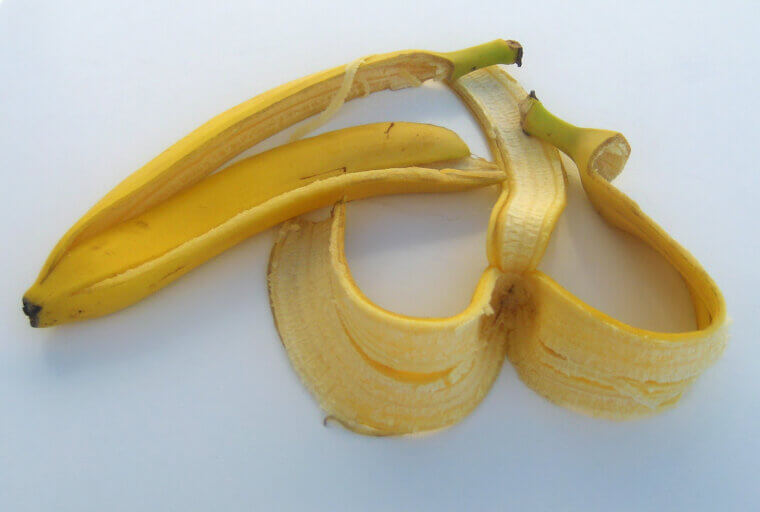
This "waste not, want not" trick saves you from purchasing chemical-laden polishes and keeps your accessories looking sharp.
Cinnamon as an Ant Deterrent
When ants start marching into your kitchen, you don't always need to reach for harsh pesticides. Ants reportedly have a strong dislike for the smell of cinnamon. By sprinkling ground cinnamon or placing cinnamon sticks near entry points like windowsills and doorways, you create a natural barrier that they are unlikely to cross. It is a safe, non-toxic, and wonderfully fragrant way to protect your home from tiny intruders.
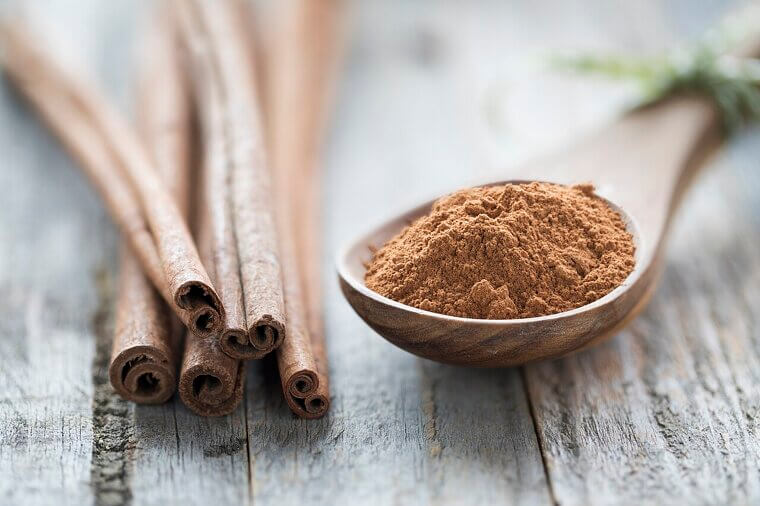
This simple kitchen spice saves you the cost of a professional exterminator and keeps your pantry safe and chemical-free.
Tea Bags for Puffy Eyes
After you’ve enjoyed a soothing cup of green or black tea, don't throw away the used bags. Place them in the refrigerator to cool, then rest them over your eyes for ten minutes. The caffeine and tannins in the tea help to constrict blood vessels and reduce swelling and puffiness. It is a natural, spa-like treatment that rivals expensive eye creams and cooling gels.
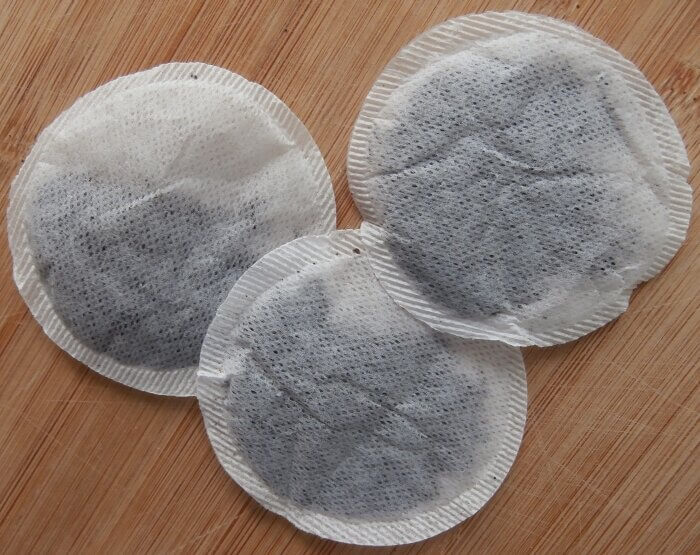
This easy beauty hack allows you to pamper yourself for free, using an item that was headed for the trash, while providing immediate, refreshing results.
Vaseline for Stuck Zippers
A stuck zipper can render a jacket or bag completely useless, but a tiny dab of petroleum jelly can save the day. Use a cotton swab to apply a small amount of Vaseline to the teeth of the zipper around the jam. Gently wiggle the slider back and forth to distribute the lubricant. The grease helps the metal or plastic parts glide smoothly past each other, releasing the snag without damaging the fabric.
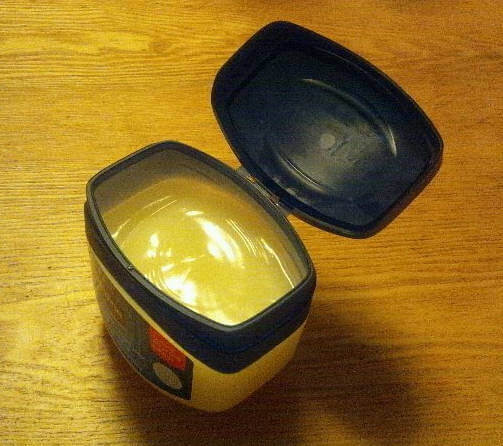
It is a quick and free fix that prevents you from having to pay for professional alterations or replacements.
Dish Soap for Eyeglass Fog
If you’re tired of your glasses fogging up when you come in from the cold or wear a mask, try this simple trick. Apply a tiny drop of clear dish soap to each lens, rub it in gently, and then buff it dry with a clean microfiber cloth. The soap leaves behind a microscopic film that prevents moisture from forming into droplets.
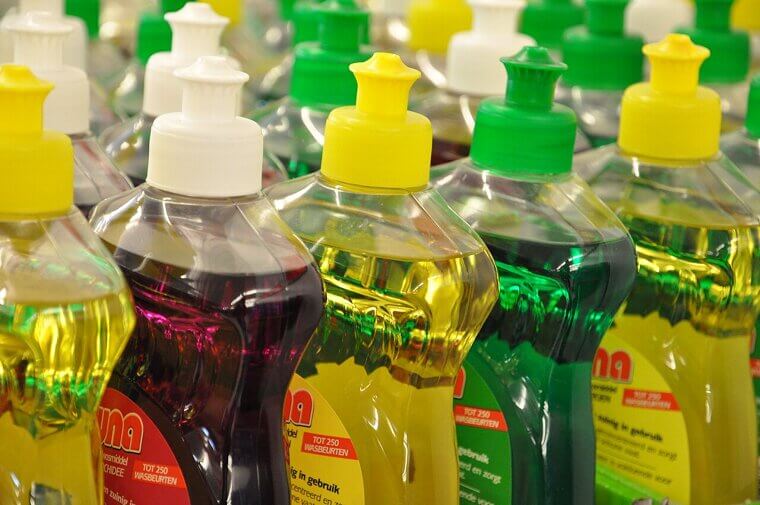
It is an incredibly cheap alternative to specialty anti-fog sprays and wipes, keeping your vision clear and your wallet full while using a product you already have at every sink.
Potatoes for Broken Lightbulbs
Removing a broken lightbulb from a socket is a dangerous task that often leads to frustration. After ensuring the power is completely turned off, cut a raw potato in half and press the flesh firmly into the jagged glass of the broken bulb. Twist the potato counter-clockwise, and the firm vegetable will grip the glass and the base, allowing you to unscrew it safely. It’s a clever, old-fashioned solution.

And one that saves you from potentially cutting your fingers or having to call an electrician for a seemingly minor but tricky household repair.
Vodka for Flower Longevity
To keep your fresh-cut flowers looking vibrant for much longer, add a few drops of vodka and a teaspoon of sugar to the vase water. The alcohol reportedly helps to inhibit the growth of bacteria that causes stems to rot, while the sugar provides essential nutrients to the blooms. This simple addition can extend the life of a bouquet by several days, allowing you to enjoy your floral arrangements longer.
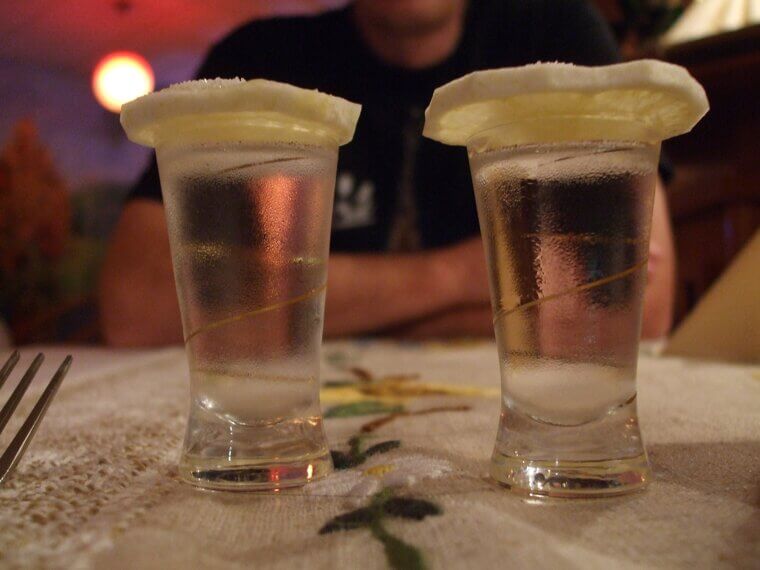
It’s a great way to get more value out of a gift or a grocery store treat without buying flower preservatives.
Mustard for Minor Kitchen Burns
If you accidentally touch a hot pan, immediate relief might be sitting in your condiment drawer. Applying a layer of yellow mustard to a minor, first-degree burn can reportedly help soothe the pain and prevent blistering. The mustard contains turmeric and vinegar, which have cooling and anti-inflammatory properties. Of course, this is only for very minor skin irritations and not for serious injuries.
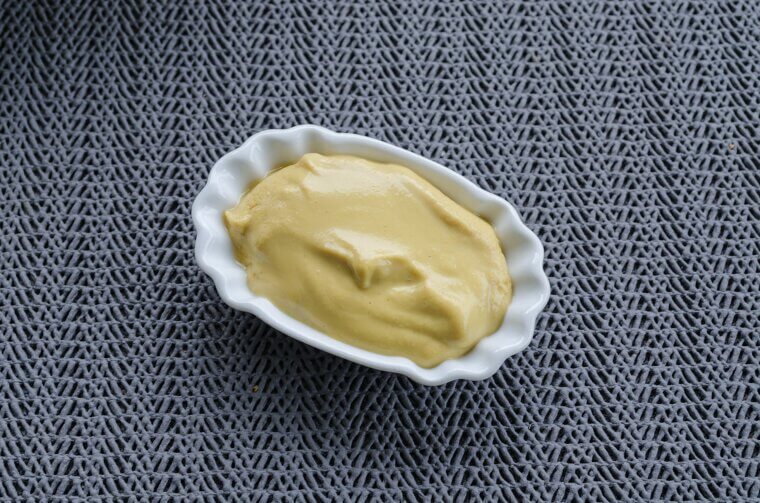
But it is a handy "grandma's secret" that provides quick comfort using a common pantry item when you don't have a specialized burn cream nearby.
Onion for Grill Grate Cleaning
Cleaning the charred remains off a grill is a tough job, but a raw onion can make it much easier. While the grill is still hot, cut an onion in half and rub the cut side down over the grates using a fork. The natural juices and acids in the onion break down the grease and carbonized food, making them slide right off. It also seasons the grill for your next use!

This natural method replaces the need for expensive wire brushes and chemical degreasers, making your next barbecue prep much faster.
Baking Soda for Stinky Shoes
Athletic shoes and work boots can develop a powerful odor over time that is difficult to eliminate. Instead of buying expensive medicated insoles or spray deodorants, pour a generous amount of baking soda into each shoe and let them sit overnight. The powder works to neutralize the acids produced by bacteria and absorbs excess moisture. In the morning, shake out the excess powder, and your shoes will be noticeably fresher.
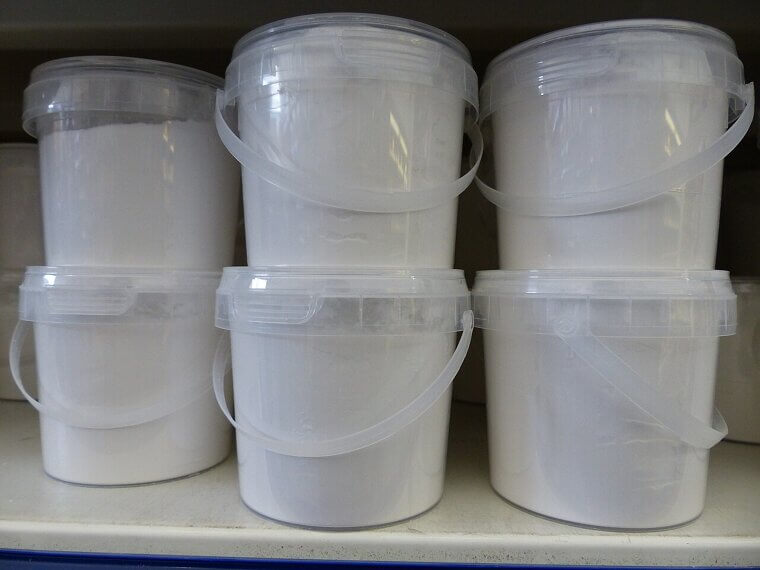
It is a simple, recurring way to keep your footwear pleasant to wear for just a few cents per treatment.
Cornstarch for Squeaky Floors
Old hardwood floors have a lot of character, but the constant squeaking can be a nuisance. To silence a noisy floorboard, sprinkle a bit of cornstarch into the cracks where the noise is coming from. Use a broom to work the fine powder deep into the gaps. The cornstarch acts as a dry lubricant, reducing the friction between the boards that causes the squeak.
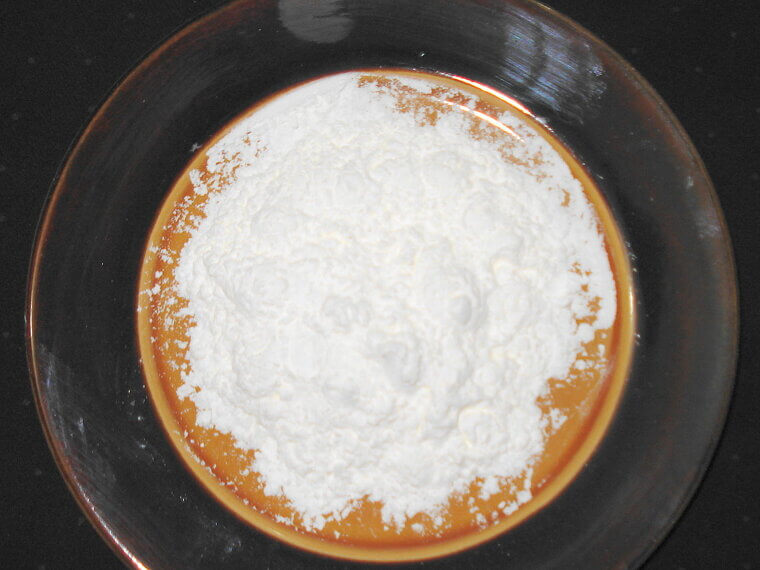
It is a silent, invisible fix that saves you the massive expense of professional floor repair or the hassle of pulling up planks to tighten them.
Olive Oil for Stainless Steel Shine
Stainless steel appliances are notorious for showing every single fingerprint and smudge. After cleaning them with soap and water, put a few drops of olive oil on a soft cloth and buff the surface in the direction of the grain. The oil creates a protective barrier that repels marks and gives the metal a deep, rich luster. It works better than many specialty stainless steel cleaners and is completely food-safe.

You only need a tiny amount, making it a very economical way to keep your kitchen looking like a showroom.
Dryer Lint for Fire Starters
If you have a fireplace or enjoy backyard bonfires, stop throwing away your dryer lint. Stuff the lint into the empty cells of a cardboard egg carton and pour a little melted leftover candle wax over it. Once hardened, these "pods" make incredibly effective fire starters that catch a flame instantly and burn long enough to get your logs going.
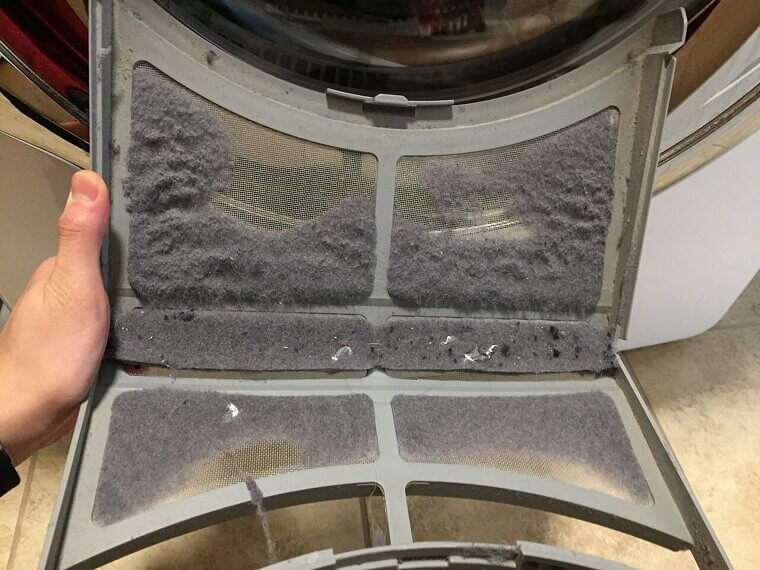
This repurposes two waste items and saves you the cost of buying chemical fire-starter bricks or kindling, making your cozy evenings by the fire much more affordable.
Vinegar for Weed Control
You don't need expensive, toxic herbicides to keep your driveway and sidewalk cracks free of weeds. Plain white vinegar is an effective, natural weed killer. The acetic acid dries out the leaves of the plant, killing it within a day or two, especially when applied in direct sunlight. Adding a little salt and a squirt of dish soap helps the mixture stick to the weeds and penetrate the soil.

It is a safe, pet-friendly, and very cheap way to maintain your home’s curb appeal without the use of industrial chemicals.
Honey for Natural Healing
Honey has been used for centuries as a natural remedy for small scratches and abrasions. Because it is naturally antibacterial and creates a moist healing environment, a small dab on a clean minor cut can reportedly help speed up the recovery process. It acts as a natural barrier against debris while soothing the skin. While you should always keep a first-aid kit handy, honey is a fantastic, shelf-stable backup.
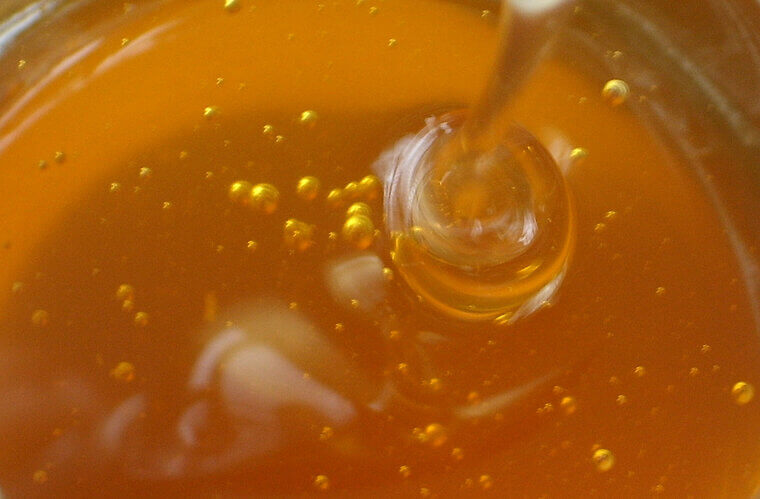
It provides healing benefits for the cost of a teaspoon of your favorite tea sweetener, saving you on specialty ointments.
Old Socks for Dusting Mitts
When a sock loses its partner or develops a hole in the toe, don't toss it in the bin. Slip it over your hand to create the perfect dusting mitt. The soft cotton or wool fibers are excellent at grabbing dust from ceiling fan blades, blinds, and banisters. You can even dampen the sock slightly for extra cleaning power. When you're finished, just toss the sock in the wash and use it again.
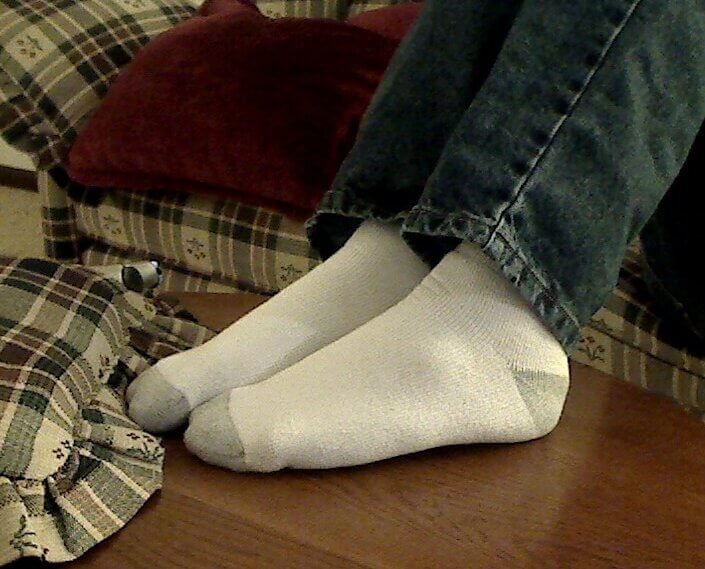
This eliminates the need for disposable dusting cloths and ensures every piece of clothing in your house serves a useful purpose.
Wine Corks for Level Furniture
A wobbly chair or table is a constant annoyance, but the fix is likely in your recycling bin. Slice a thin disc off an old wine cork and glue it to the bottom of the shorter furniture leg. The cork is durable enough to withstand the weight but soft enough not to scratch your floors. It provides a custom, non-slip leveler that costs nothing. This simple trick saves you from the frustration of an uneven surface.
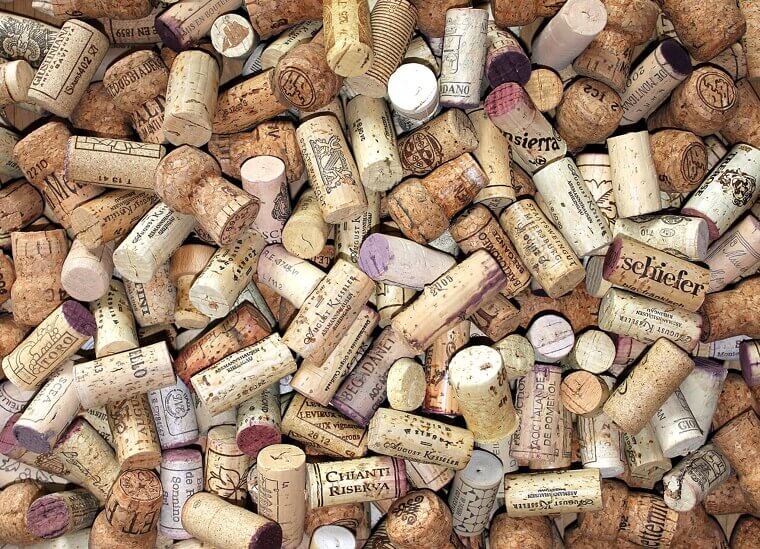
And it saves you the expense of buying adjustable furniture feet or professional repairs for your home's seating.
Plain Yogurt for Sunburn Relief
If you’ve spent a little too much time in the sun, plain, unflavored yogurt can be a lifesaver. Apply a thick layer of cold yogurt to the affected area and let it sit for about fifteen minutes before rinsing with cool water. The probiotics and lactic acid reportedly help to restore the skin's natural barrier and provide instant cooling relief from the sting.
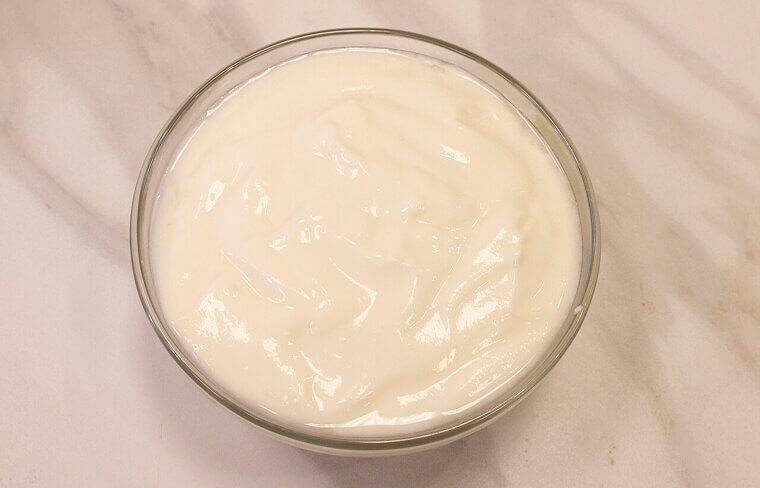
It is a gentle, soothing alternative to expensive after-sun gels and can be found in almost any grocery store, making it a convenient and affordable remedy for summer skin.