Smaller, Smarter Layouts
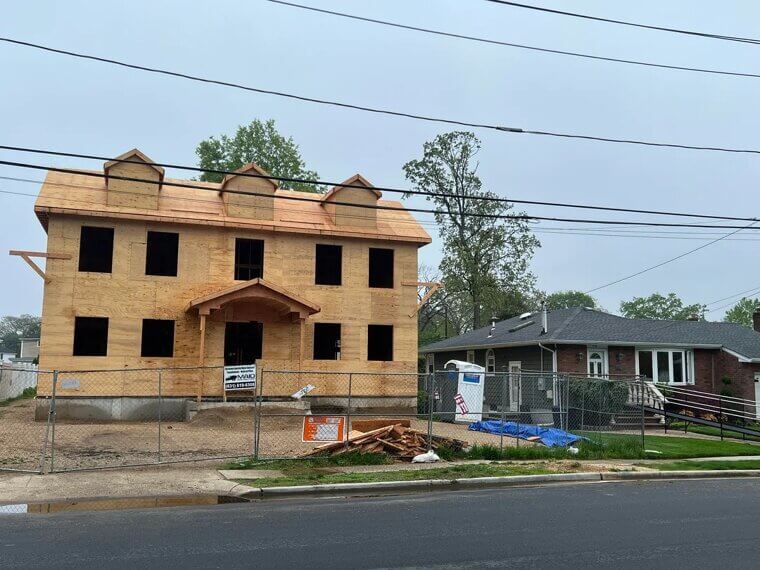
Old homes were usually smaller and more carefully laid out. Rooms had clear purposes, and walls were placed where they actually helped support the structure. These walls carried weight and helped keep the house stable. Because the load was spread out, the building moved less over time. Modern open-plan homes remove many of these supporting walls. While they look open and bright, they rely on fewer beams to carry more weight. That puts extra stress on the structure. Over time, this can cause movement, cracks, and sagging. The result? A house that doesn’t last as long.
Built Like a Brick Bunker
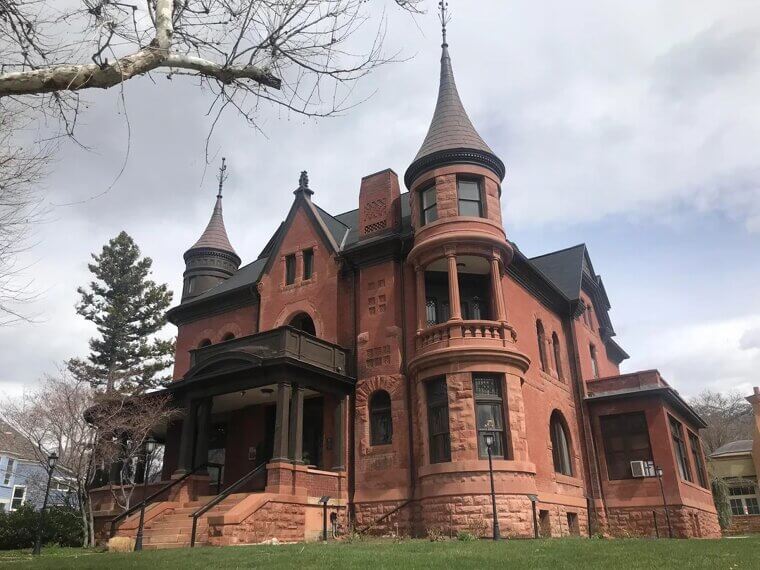
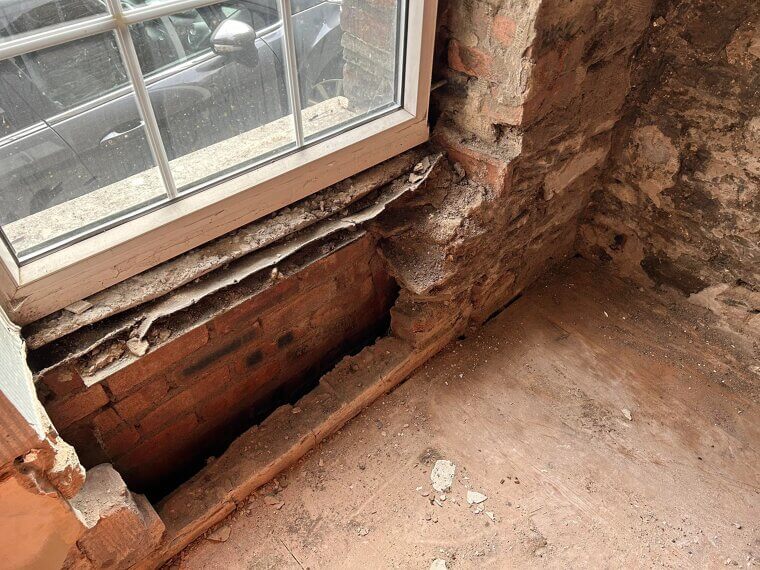
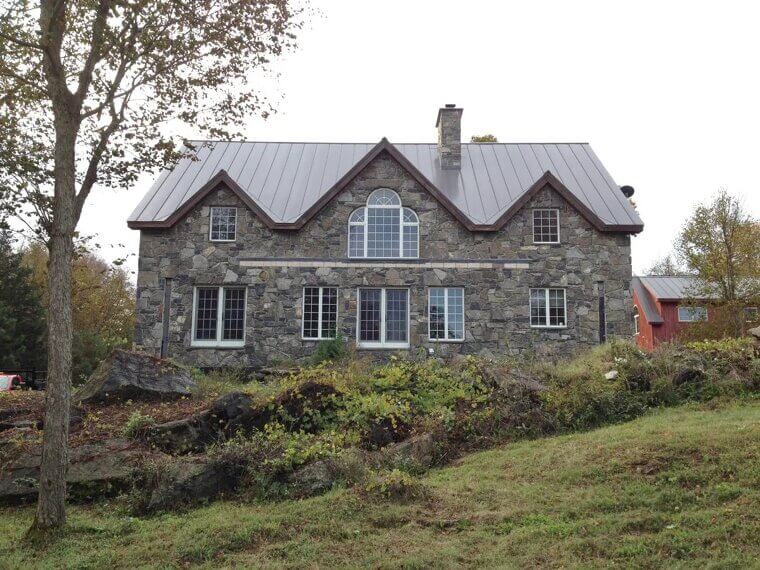
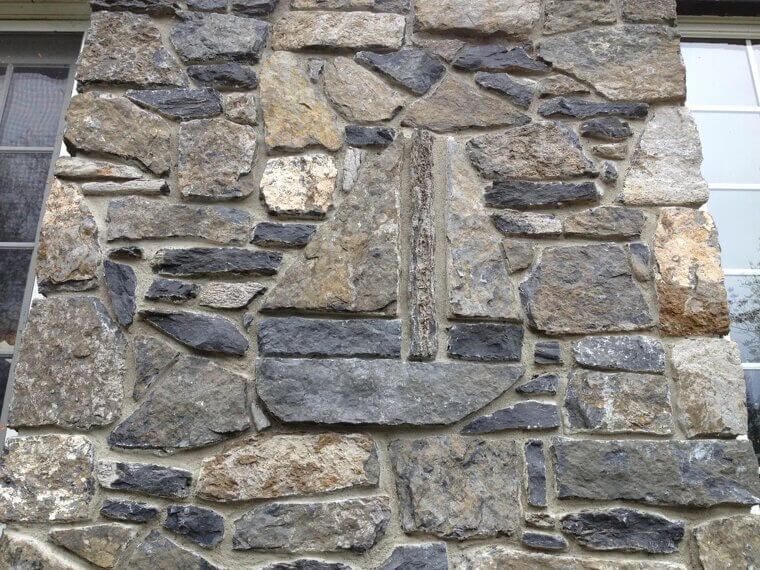
Homes built in the 1920s didn’t mess around when it came to walls. Back then, builders used thick brick, stone, and solid plaster instead of thin drywall. These walls weren’t just there to separate rooms - they helped hold the house together. Thick walls handle weather better, block sound, and don’t dent if you bump into them. Modern drywall, on the other hand, might be quick, easy, and cheap to install, but it’s fragile and easy to damage. Just one knock, and it cracks. Those old walls from the ‘20s have survived a lot.
Timber That Grew Up Slow
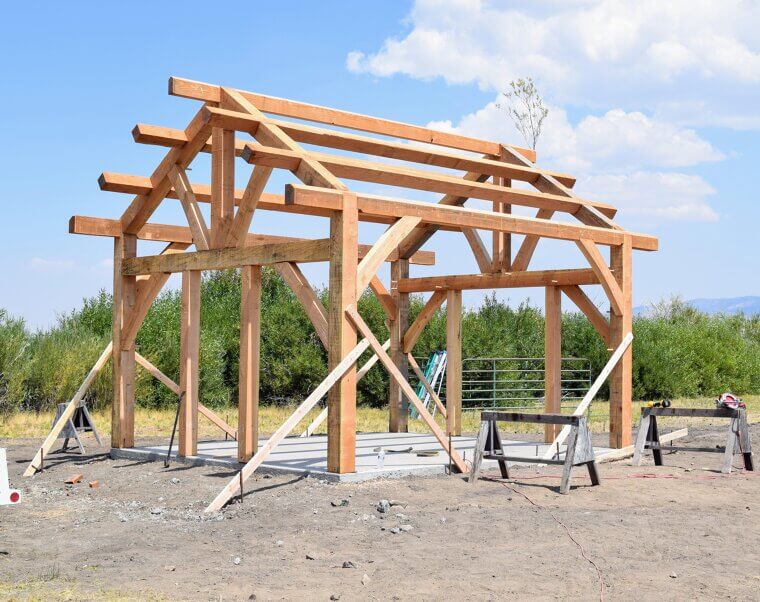
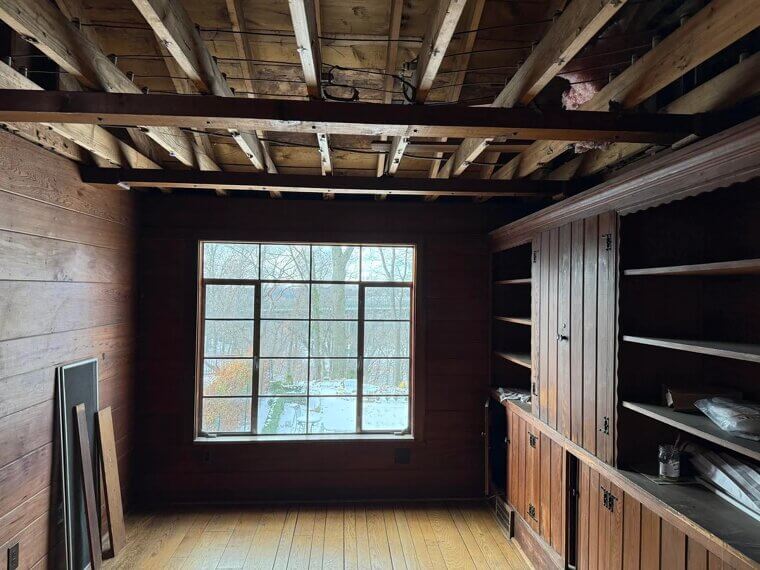
Did you know that older homes were framed with old-growth timber that took decades or even centuries to grow? This slow-growth made the wood dense, heavy, and incredibly strong. It also didn’t shrink, twist, or warp the way modern timber does. Today, timber is grown quickly to meet demand, which makes it lighter and weaker. It’s also definitely not made for longevity. That’s why you can open a 100-year-old wall and still find beams that look surprisingly solid. Old timber also resisted pests and rot naturally because of its density and resin content. Try finding timber like that today - you won’t.
Hands-On Craftmanship
Here’s something you probably didn’t know: houses in the 1920s were built by skilled tradespeople who took pride in their work. There were no shortcuts hidden behind timelines or volume targets. Bricklayers lined things up properly, and carpenters made joints that actually fit. Plasterers also knew their craft, and everything was done by hand and eye - not rushed by machines. If something didn’t look right, they fixed it. Now modern homes rely on speed and repeatable processes. Why? To keep costs down. Mistakes are also covered and not corrected. Makes you wonder, right?
Before Plastic Took Over
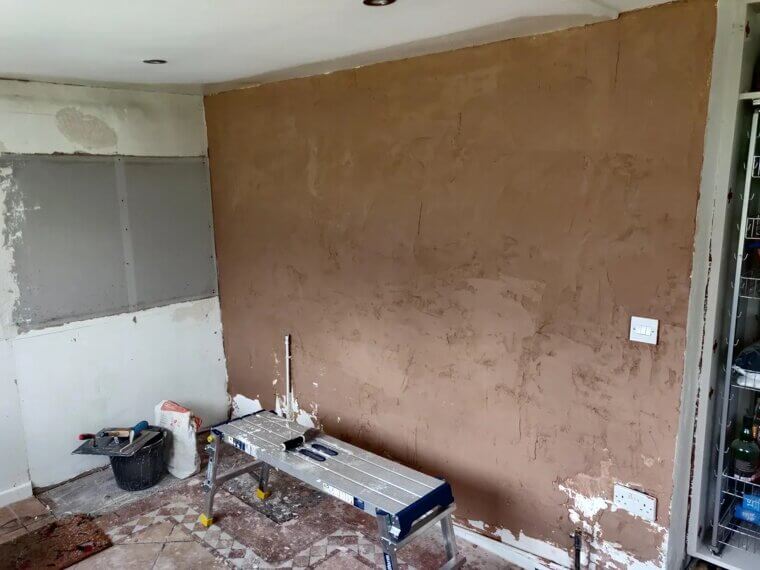
1920s homes were built long before plastic and synthetic materials took over construction. That’s a very big reason why they’ve aged so well. Natural materials like wood, stone, brick, and metal don’t just break down or release chemicals as they age. Today’s modern materials, however, slowly degrade, become brittle, or fail completely once they’ve reached their lifespan. With older homes, there are no glued composites or layered products that separate over time. What you see is what you get. If only everyone used fewer artificial materials with hidden failures.
Let the House Breathe
Back in the day, people believed that a house should breathe. Old homes were designed to work with nature, not fight it. That means high ceilings, large windows, and clever layouts that allowed air to move freely throughout the house. Natural ventilation kept moisture from building up inside walls and roofs. Fast forward a few decades, and modern homes are sealed tightly to improve energy efficiency. But, without perfect ventilation systems, moisture gets trapped. That leads to mold, rot, and hidden damage. Older homes stayed dry simply by breathing, and dry buildings last much longer.
Roofs That Meant Business
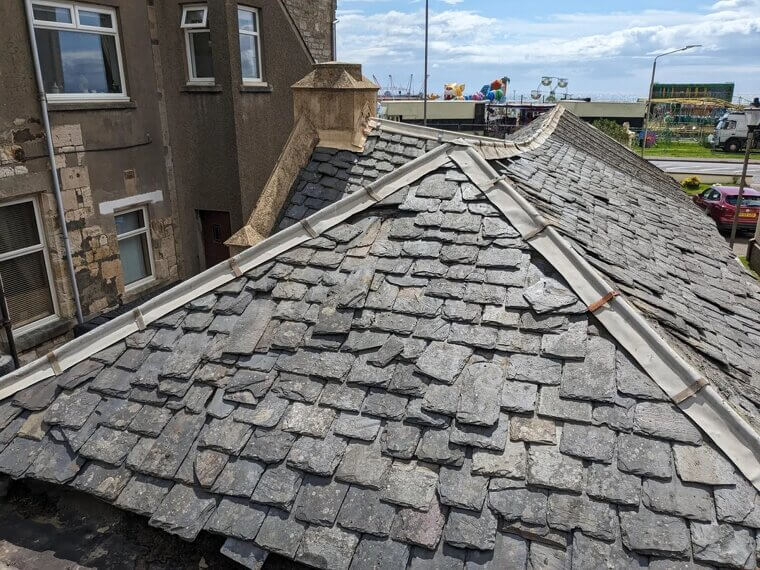
Many 1920s houses were topped with slate, clay tiles, or thick wooden shingles. These materials were heavy, strong, and built to last a lifetime. A slate roof could easily survive 80 to 100 years with just a bit of basic care. Yes, modern asphalt shingles are cheaper and faster to install, but they wear out way faster. Sun, wind, and rain break them down in 20 to 30 years, and sometimes less. The old roofing styles didn’t rely on thin layers or adhesives - they relied on weight and durability, which is why so many are still doing their job today.
Foundations Made to Last
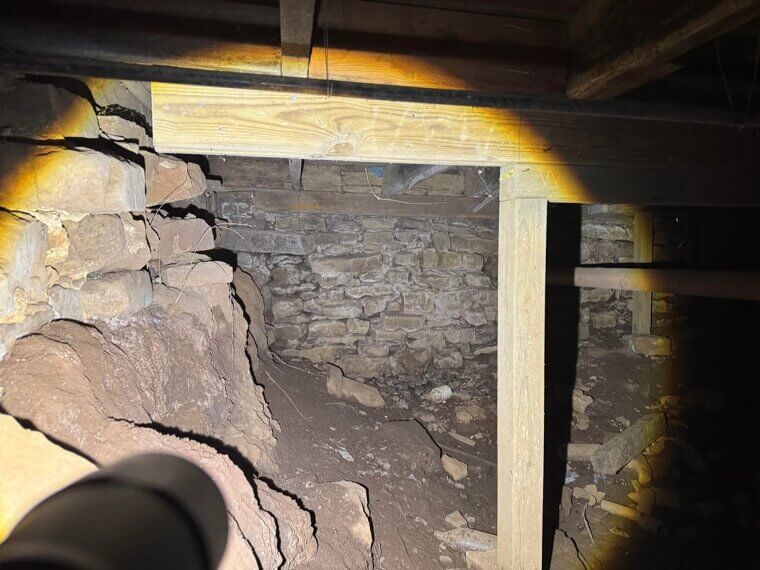
Builders in the 1920s knew what they were doing when they built thick stone or concrete foundations. By today’s standards, they were overbuilt, but they weren’t trying to save every dollar on materials. Instead, they wanted the house to stay put, so they designed foundations that handled shifting soil, heavy loads, and time. Today’s slab foundations are way thinner in comparison and are designed to meet the minimum requirements and not exceed them. They work fine at first, sure, but they have no room for error. Those thicker foundations from the ‘20s stood a way better chance of lasting.
Less Tech, Less Trouble
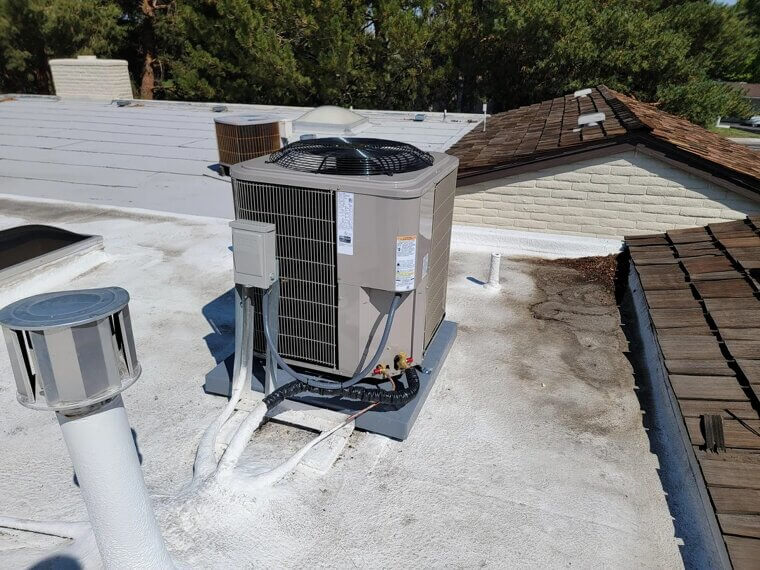
Homes in the 1920s had very simple systems. No complex HVAC networks, no smart wiring, and no hidden electronics behind every wall. Fewer systems meant fewer things could go wrong. When something broke, it was easy to see and easy to fix. Modern homes are packed with technology, which is convenient but also fragile. One failure can affect multiple systems. Repairs often require specialists. Old homes survived because they didn’t rely on complicated parts to function. Simplicity kept them running decade after decade, and they didn’t need thousands of dollars to install, run, and replace.
Hardware That Refused to Quit
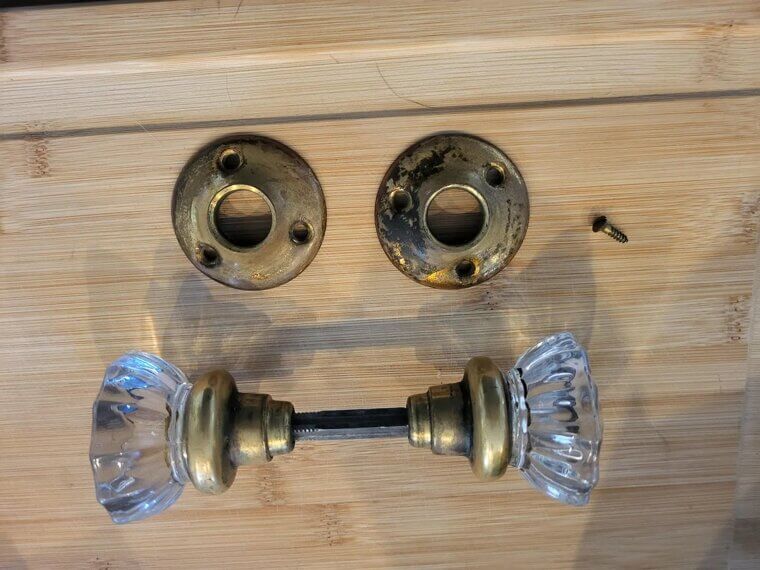
Door handles, hinges, locks, and fixtures in old homes were made from solid brass, iron, or steel. They felt heavy because they were heavy. These materials wear down slowly and can be repaired instead of replaced. Many modern fixtures use thin metals or plastic parts that break, loosen, or corrode quickly. Once they fail, they usually go straight to the bin. Old hardware ages with character instead of falling apart. That small detail adds up when you’re talking about a house lasting 100 years. Looking at the hardware they use today, it’s easy to see why they break so easily.
Walls With Real Armor
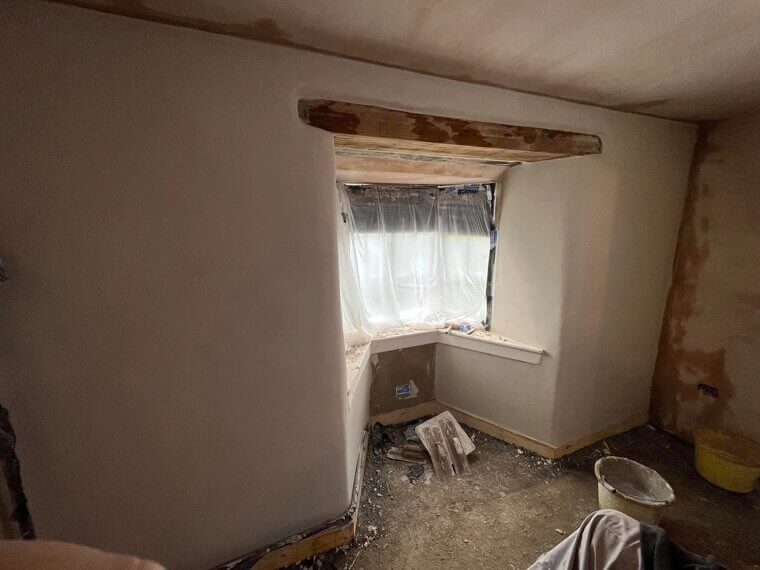
Instead of thin drywall, older homes built in the ‘20s used lime plaster applied in thick layers. This created walls that were hard, durable, and resistant to everyday damage. Multiple coats of paint added even more protection over time. Lime plaster also handled moisture better than modern materials, helping walls dry out instead of trapping dampness. Drywall dents easily, cracks under movement, and hates moisture. Old plaster walls acted like armour, protecting the structure underneath. That extra toughness helped these homes survive decades of use without constant repairs.
Built From the Land Around Them
In the 1920s, builders didn’t order materials from the other side of the country or world. Instead, they used what was nearby. We’re talking local stone, local bricks, and local timber that was easy to get and made sense for the area. The materials had, after all, proved they could handle the local weather. They handled heat, cold, rain, and humidity naturally, and this meant the house worked with the environment rather than working against it. It’s a far cry from the way things are done today. Now, materials come from far away and don’t always suit the local climate.
Meant to Stay in the Family
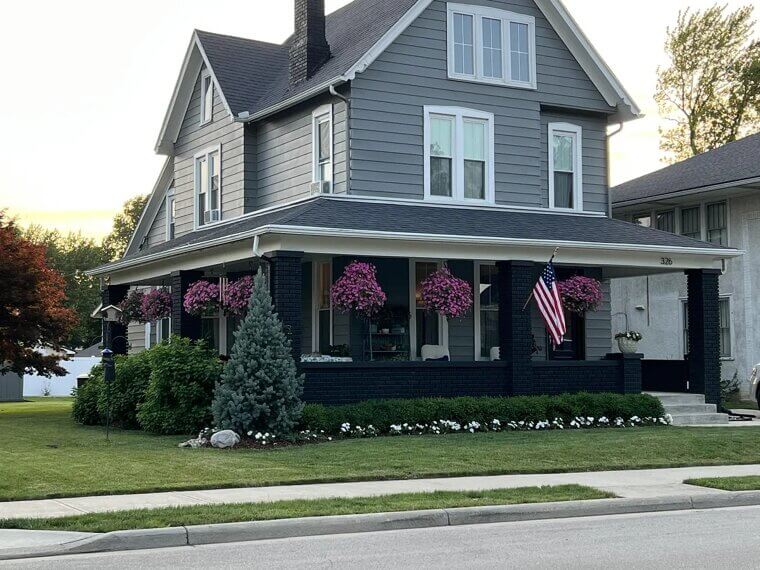
You just don’t hear about people inheriting their family homes anymore, right? Homes in the 1920s weren’t designed to be flipped or sold, and people expected to live in them forever. They also passed them on to their children and grandchildren, so builders focused on strength and quality. Not anymore! Today, houses are built with resale value as the main goal. This means cheaper materials and faster builds. When a home is meant to last for generations, builders don’t cut corners like they do now. That long-term mindset is a big reason so many old homes are still standing strong today.
Fix It, Don’t Toss It
In the past, people fixed things as soon as they broke. If a window cracked, they repaired it. If a door hinge loosened, they tightened it. Maintenance was just part of owning a home. This habit stopped small issues from turning into big, expensive problems. Today, many people replace things instead of repairing them. Sometimes repairs seem too expensive or inconvenient, so problems get ignored. That allows damage to spread. Old homes survived because owners looked after them year after year. Regular repairs kept water out, structures sound, and made the building last longer.
Profit Wasn’t King
Builders in the 1920s weren’t under pressure to maximise profit at every step like they are today. They also didn’t constantly downgrade materials to save money, rush labour just to finish faster, or use subpar materials. Quality usually mattered more than speed. Today, construction is highly competitive. Today, developers work with tight margins and strict deadlines. This leads to thinner materials, cheaper components, and faster builds. Each small shortcut may seem harmless, but together they reduce durability. Older homes last because they were built with fewer compromises.