
The Magic Shimmer: Buffing Scratched Plates With Baking Soda
It is truly frustrating when your favorite dinnerware starts to show those grey, metallic-looking scuff marks from years of fork and knife usage. Instead of replacing the whole set, reach for the baking soda. When you mix this pantry staple with just enough water to form a gritty paste, it acts as a very gentle abrasive. By rubbing the paste onto the scratches with a soft cloth, you can reportedly lift those unsightly marks right off the ceramic glaze.
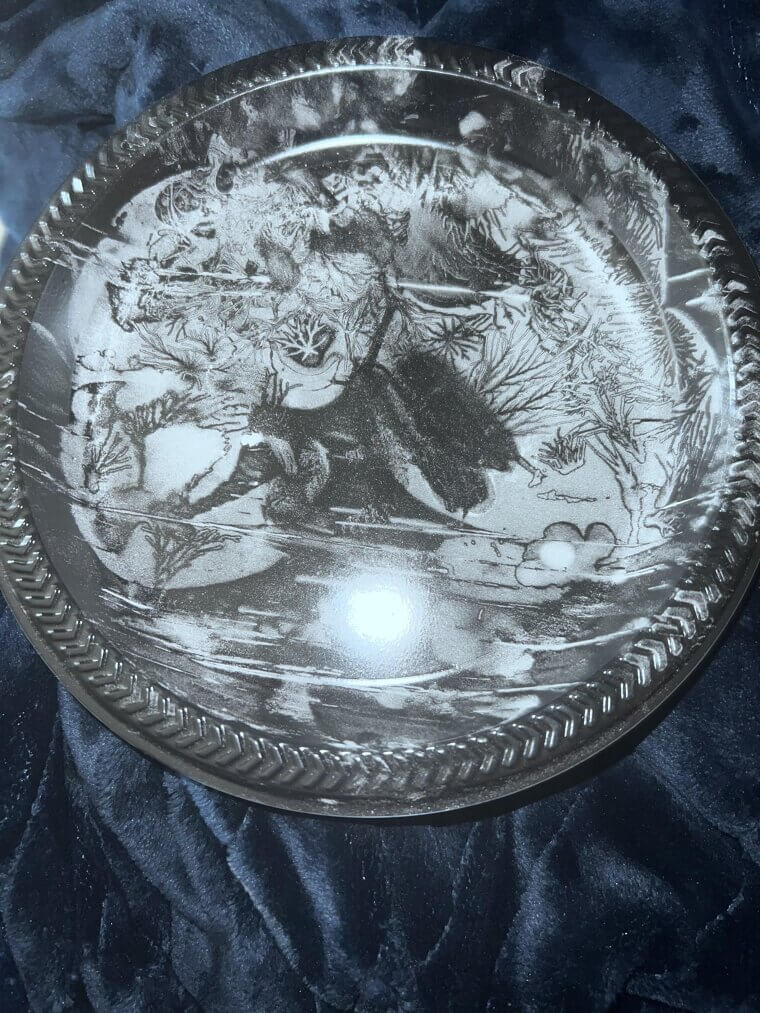
It’s a wonderful way to rejuvenate your heirloom dishes without using any aggressive industrial scouring powders.
The Transparent Fix: Clearing Foggy Headlights With Toothpaste
While not strictly a "food" item, most of us keep a spare tube of non-gel toothpaste in the pantry or linen closet. If your car’s headlights have become yellowed or cloudy, preventing a clear view of the road at night, the mild abrasives in toothpaste can save the day. Smear a generous amount over the plastic lens and scrub in circular motions with a rag.

After rinsing with water, you’ll find the clarity is significantly improved. It’s a clever trick that provides a professional-looking result for a fraction of the cost.
The Bread Magnet: Safely Picking Up Tiny Glass Shards
Dropping a glass is a household rite of passage, but finding those microscopic slivers that the broom misses can be dangerous for bare feet and pets. Instead of patting the floor with your hands, grab a single slice of soft white bread. Press the face of the bread firmly onto the area where the glass shattered. The porous, spongy texture of the bread acts as a magnet, trapping even the smallest, invisible shards deep within the dough.
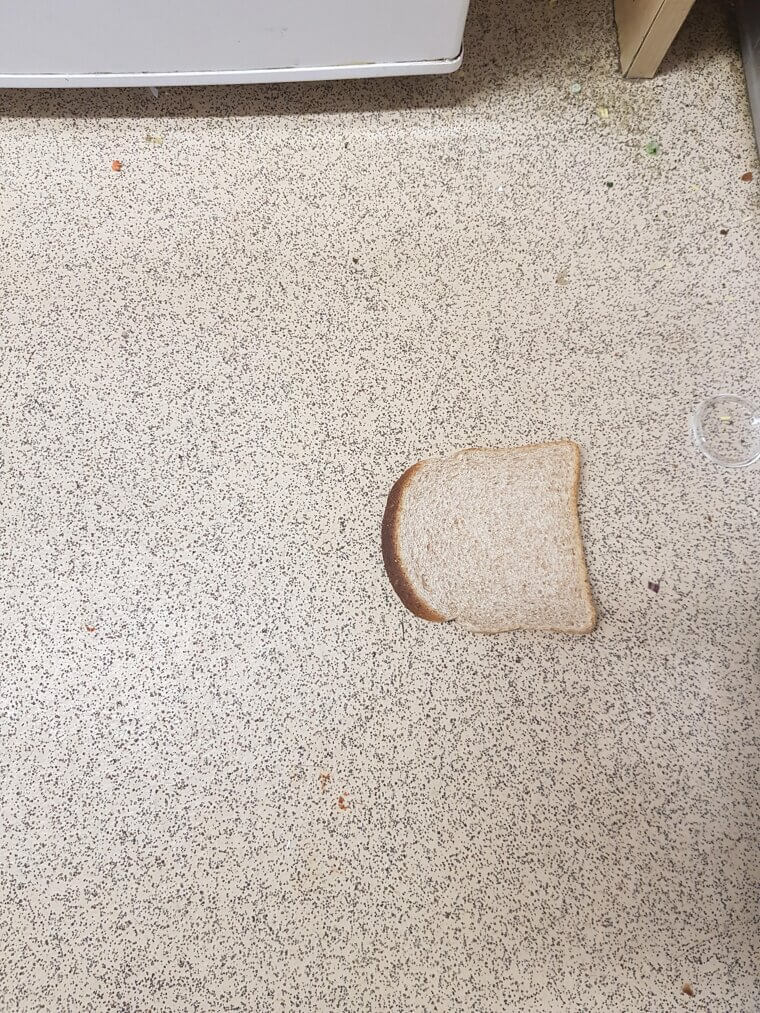
It is a much safer, more effective method than using a damp paper towel. Spread the word - this is one hack that very few know about.
The Ant Barrier: Protecting Your Pantry With Ground Cinnamon
When the weather warms up, ants often find their way into the kitchen looking for a snack. Rather than reaching for a spray bottle full of harsh chemicals, head to your spice rack for the cinnamon. Ants reportedly cannot stand the strong smell of this spice, and it interferes with their scent trails. By sprinkling a fine line of ground cinnamon across doorways or windowsills, you create a natural, aromatic barrier.
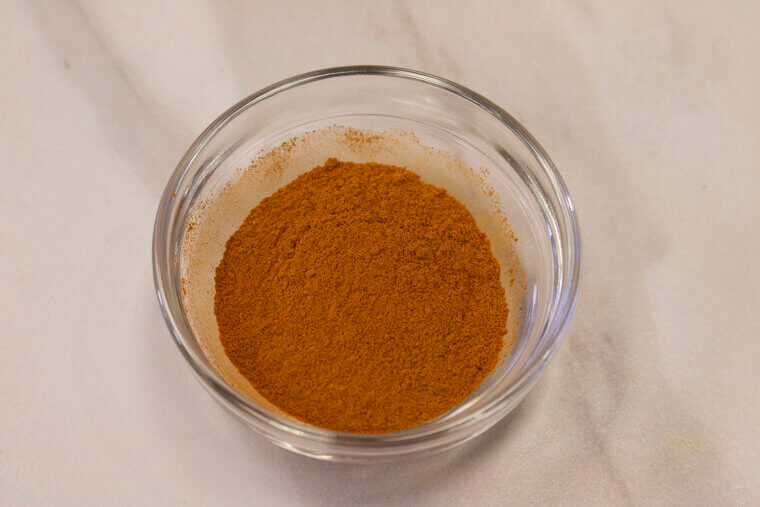
This barrier discourages them from entering. It’s a fragrant way to keep your home pest-free while keeping things food-safe.
The Copper Reviver: Cleaning Metal With Cream of Tartar
Most of us keep a small tin of cream of tartar tucked away in the back of the spice cabinet, usually reserved for stabilizing egg whites in a holiday meringue. However, this mild acid is secretly a miracle worker for tired-looking cookware. By mixing a few teaspoons with a little bit of warm water to create a thick paste, you can buff away those stubborn, burnt-on stains from aluminum pots and stainless steel sinks.
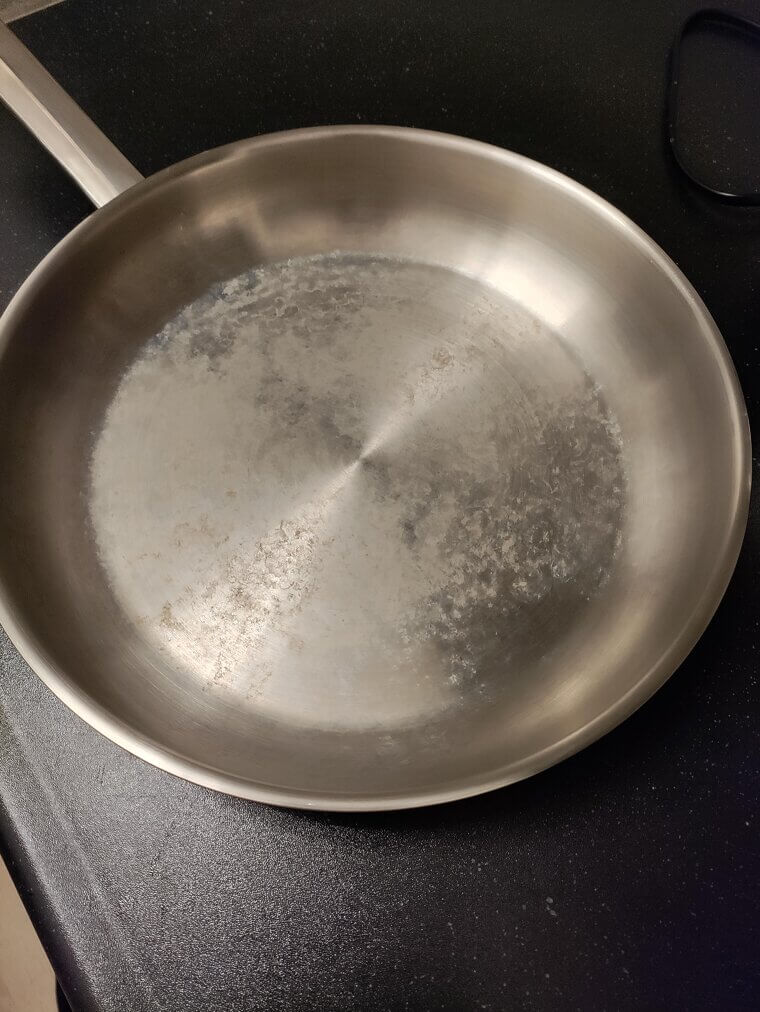
It restores that original showroom shine without the need for harsh, smelly chemical cleaners or expensive specialty polishes.
The Floral Fountain: Reviving Wilted Flowers With a Dash of Sugar
There is nothing sadder than a beautiful bouquet of flowers that begins to droop after just a day or two. To give your blooms a second lease on life, try adding two tablespoons of white sugar to the vase water. The sugar acts as a direct source of carbohydrates for the stems, mimicking the nourishment they would have received from the plant itself. This extra boost of energy can reportedly keep the petals vibrant for longer.
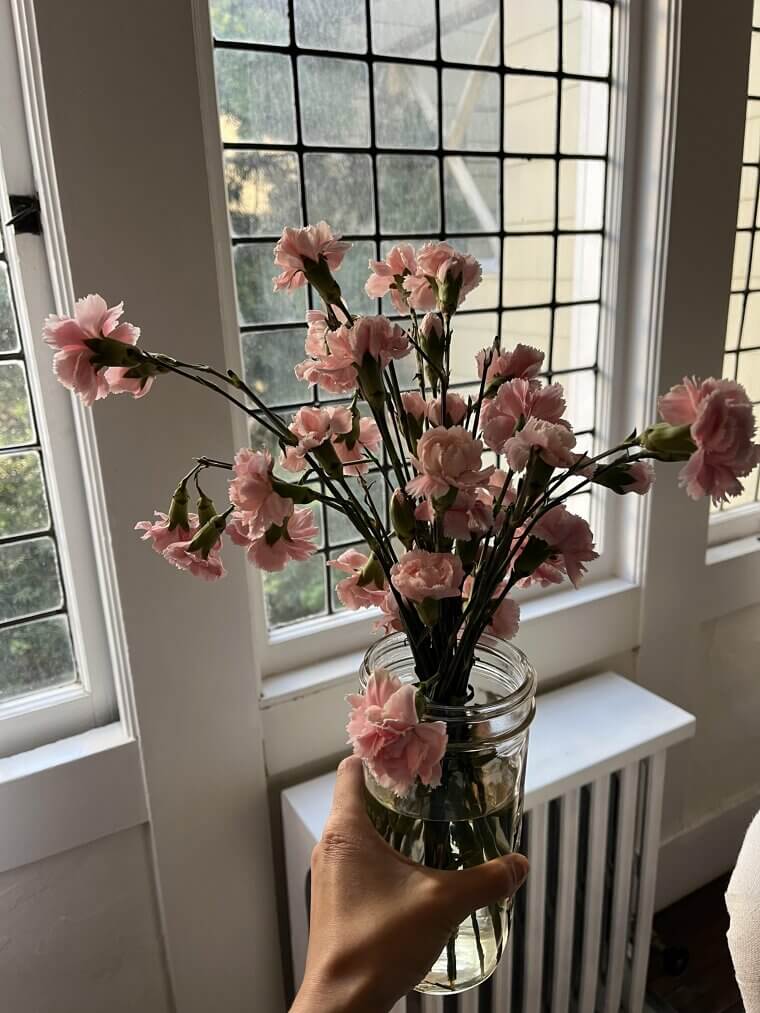
Not only that, but the stems stay upright for much longer, ensuring your centerpiece stays fresh for the entire week.
The Odor Absorber: Neutralizing Fridge Smells With Coffee Grounds
Even a clean refrigerator can occasionally develop a "musty" smell from various leftovers. While baking soda is the traditional go-to, dried, used coffee grounds are allegedly even more effective at neutralizing stubborn odors. The nitrogen in the coffee helps to eliminate sulfur smells from the air. Simply place the dry grounds in a small open bowl on a back shelf. This method does more than rrecycle your morning brew.
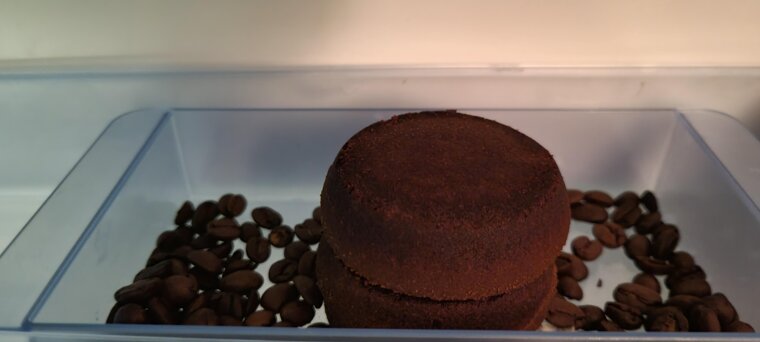
The coffee grounds also leaves a very faint, pleasant roasted aroma behind, rather than a sterile, chemical scent.
The Wood Healer: Hiding Furniture Scratches With a Walnut
If you have dark wood furniture that has suffered a few nicks or light scratches over the years, you don't necessarily need a staining pen. Take a raw walnut meat and rub it diagonally across the scratch several times. The natural oils in the nut soak into the wood, while the brown pigment of the nut helps to "dye" the exposed area. Then you buff it with a soft cloth.
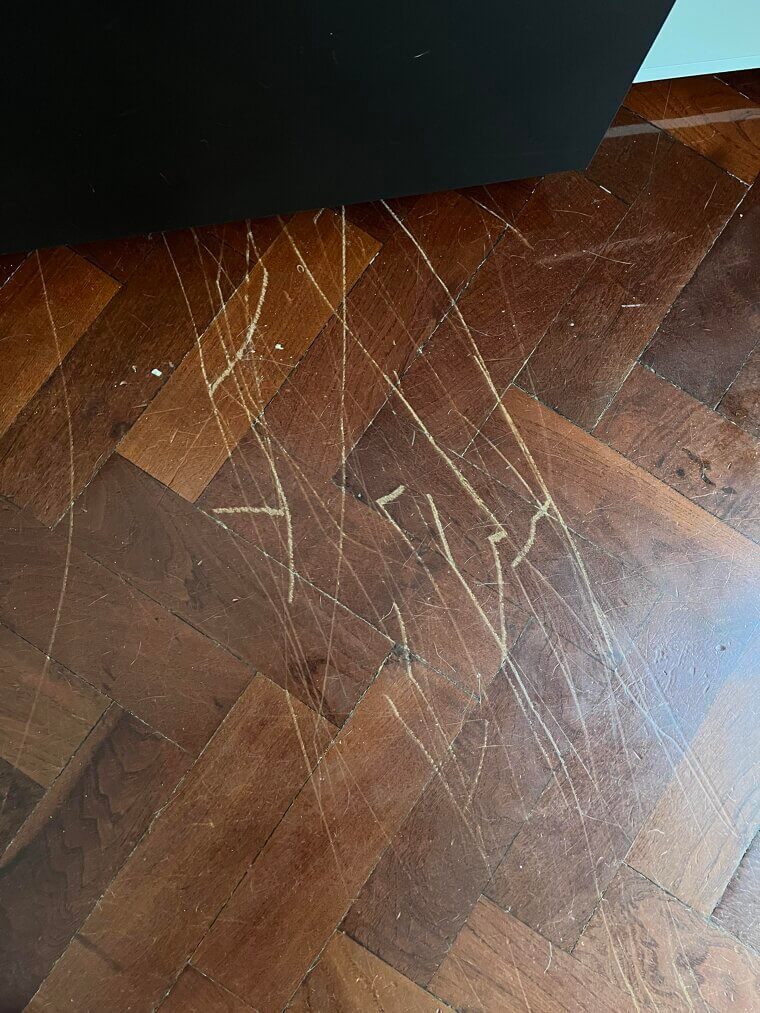
Once you complete the process, the scratch becomes virtually invisible. It’s an old-school carpenter’s trick that works wonders on mahogany, oak, and walnut finishes.
The Cast Iron Cure: Cleaning Skillets With Coarse Salt
Cleaning a seasoned cast iron skillet can be tricky, as you never want to use soap that might strip away the non-stick surface. The best solution is likely sitting in your salt shaker. While the pan is still slightly warm, pour in a handful of coarse kosher salt and use a folded paper towel to scrub. The salt acts as a heavy-duty abrasive that lifts stuck-on food bits without damaging the precious seasoning.
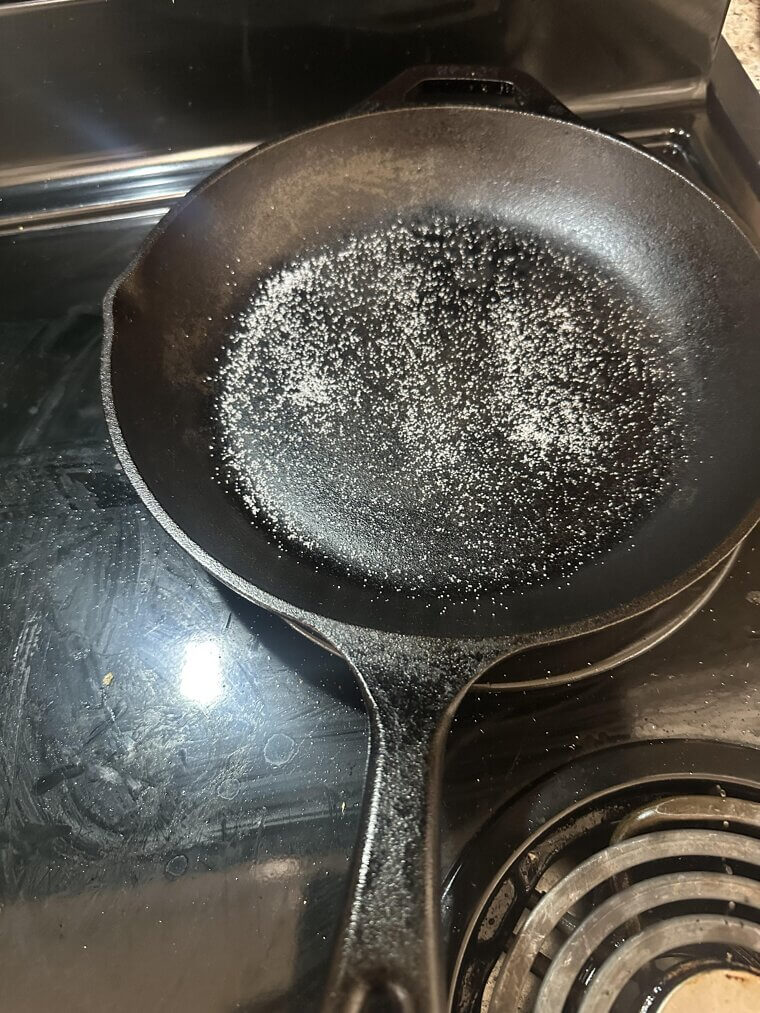
Once finished, just rinse with hot water and dry thoroughly to keep your pan perfect. You can thank us later for this genius hack.
The Silver Polish: Brightening Flatware With Potato Water
The next time you boil potatoes for dinner, do not pour that starchy water down the drain. This leftover liquid is allegedly a fantastic, gentle cleanser for tarnished silver. Simply soak your silver spoons and forks in the potato water for about twenty minutes. The combination of the heat and the released starches helps to loosen the oxidation that causes silver to turn black. The final steps are easy-peasy.
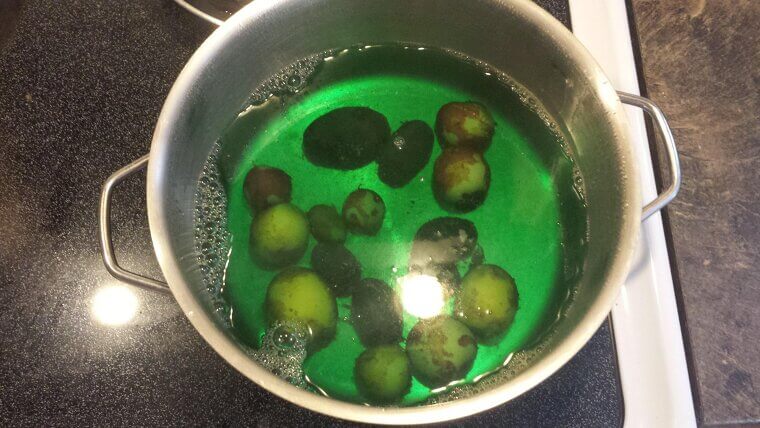
After a quick rinse and a buff with a microfiber cloth, your flatware will look like it was professionally polished for a formal gala.
The Window Wizard: Streak-Free Cleaning With Cornstarch
Achieving a perfectly streak-free window can feel like an impossible task, even with the most expensive blue sprays. The secret weapon used by many professional cleaners is actually cornstarch. By mixing a tablespoon of cornstarch into a quart of warm water and vinegar, you create a solution that breaks down the water’s surface tension. This prevents those annoying beads of liquid from drying into streaks. Your windows will look crystal clear.
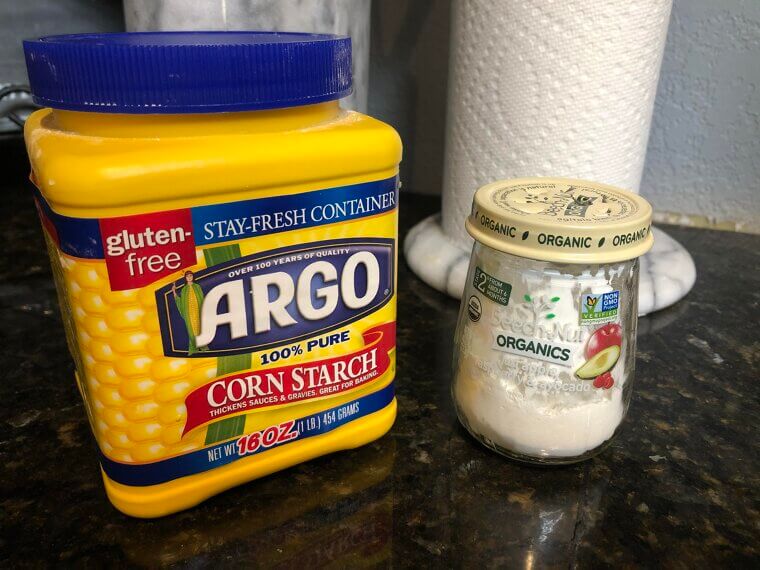
Your neighbors will be wondering how you achieved such cleanliness. Plus, the cornstarch leaves a microscopic coating that allegedly helps to repel future dust and fingerprints.
The Grease Eraser: Removing Oil Stains With White Chalk
Spilling a bit of salad dressing or butter on your favorite blouse can feel like a disaster, but a simple piece of white chalkboard chalk can save the fabric. If you catch the grease stain early, rub the chalk heavily over the spot. The fine powder in the chalk is highly absorbent and will pull the oil out of the fibers of the clothing. The next step is waiting patiently.
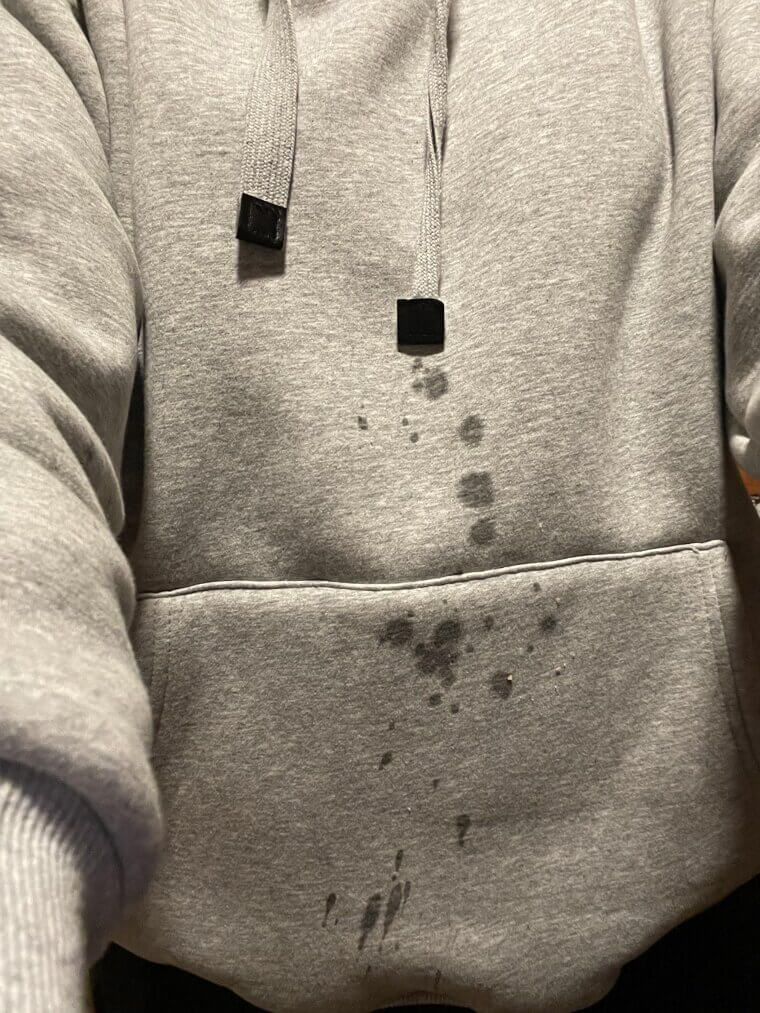
Let it sit for at least ten minutes to work its magic, then brush it off and wash as usual. It’s a lifesaver for delicate materials.
The Scuff Stopper: Cleaning Tennis Shoes With a Pink Eraser
White rubber soles on sneakers tend to get scuffed and dirty the very first time you wear them outside. Instead of using a wet rag that might just smear the dirt, reach for a standard pink pencil eraser. The friction and the rubbery texture of the eraser work together to "lift" the black scuff marks right off the side of the shoe. It’s a dry-cleaning method that doesn't require any water or drying time.
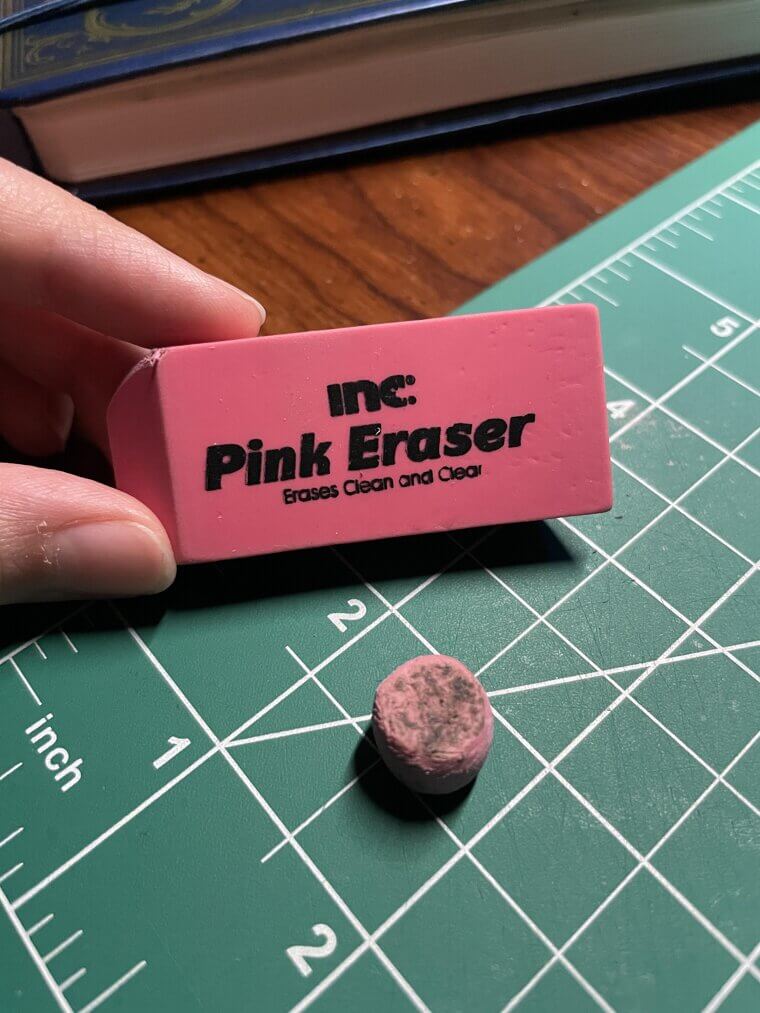
And that's what makes it the perfect quick fix before you head out the door and a hack favorite for the few people who know about it.
The Stainless Savior: Removing Fingerprints With Olive Oil
Stainless steel appliances are beautiful until they are covered in greasy fingerprints and smudges. To get that high-gloss, smudge-resistant finish, use a tiny drop of olive oil on a soft cloth. After cleaning the surface with a damp rag, buff a very thin layer of the oil into the steel, following the direction of the metal’s grain. This creates a protective barrier that makes future fingerprints much easier to wipe away.

It’s a natural alternative to the oily, aerosol sprays found in the cleaning aisle. It'll do just as good of a job but smell ten times better.
The Dust Deflector: Keeping Screens Clean With Coffee Filters
Using a paper towel to clean your television or computer screen can often leave behind tiny bits of lint and static electricity that actually attracts more dust. A much better alternative is a paper coffee filter. Because they are designed to be lint-free and very sturdy, they glide over the screen without scratching. They also help to dissipate static charge. Using a dry filter to wipe your screens once a week will keep your electronics looking pristine.
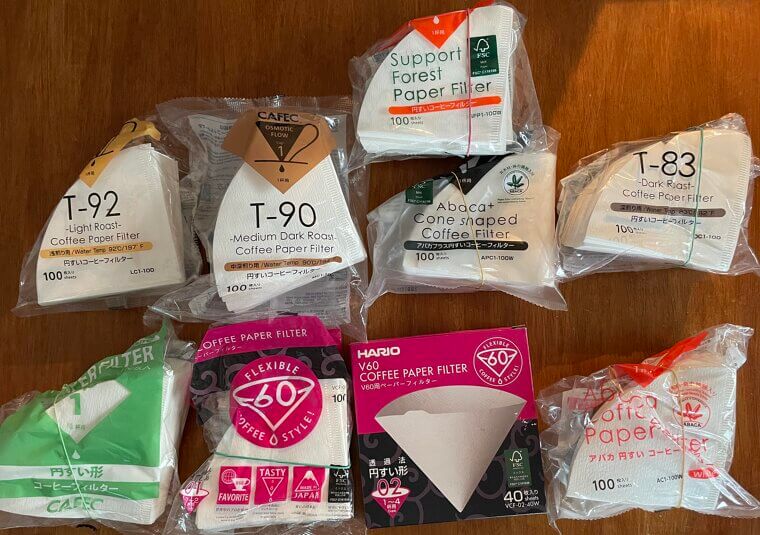
And, perhaps best of all, it will reduce the amount of dusting you have to do overall. Yeah, it's a win-win like no other.
The Rust Remover: Cleaning Garden Tools With Aluminum Foil
If your garden shears or trowels have developed a layer of orange rust over the winter, don’t throw them away. Tear off a small sheet of aluminum foil, crumble it into a ball, and dip it in a little bit of water or white vinegar. Use the foil ball to scrub the rusted areas. A chemical reaction reportedly occurs between the aluminum and the rust that does all the hard work for you.
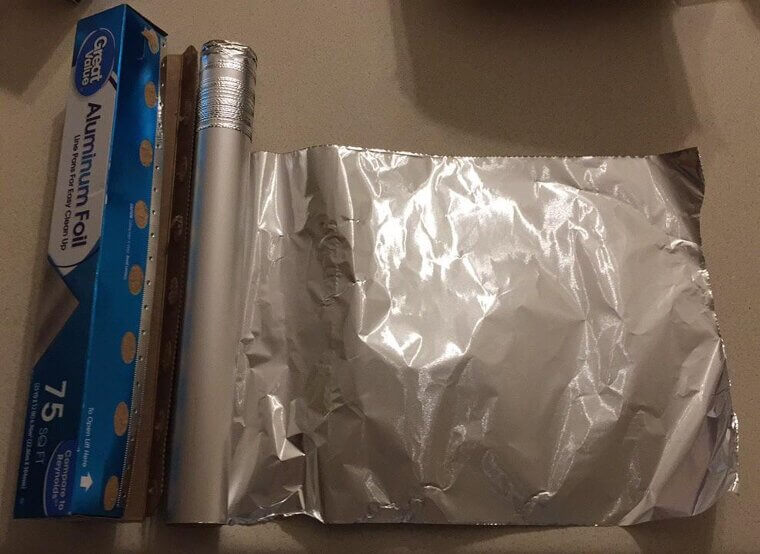
The chemical reaction makes the corrosion much easier to remove than if you used a standard brush. It’s a quick way to restore your tools.
The Berry Secret: Removing Fruit Stains With Boiling Water
Splashing blackberry or strawberry juice on a white tablecloth can be terrifying, but the remedy is surprisingly simple. Instead of reaching for bleach, stretch the stained fabric over a bowl and pour boiling water through the stain from a height of about a foot. The force and the temperature of the water work together to break down the organic pigments in the fruit juice. You can literally watch the magic as it happens.
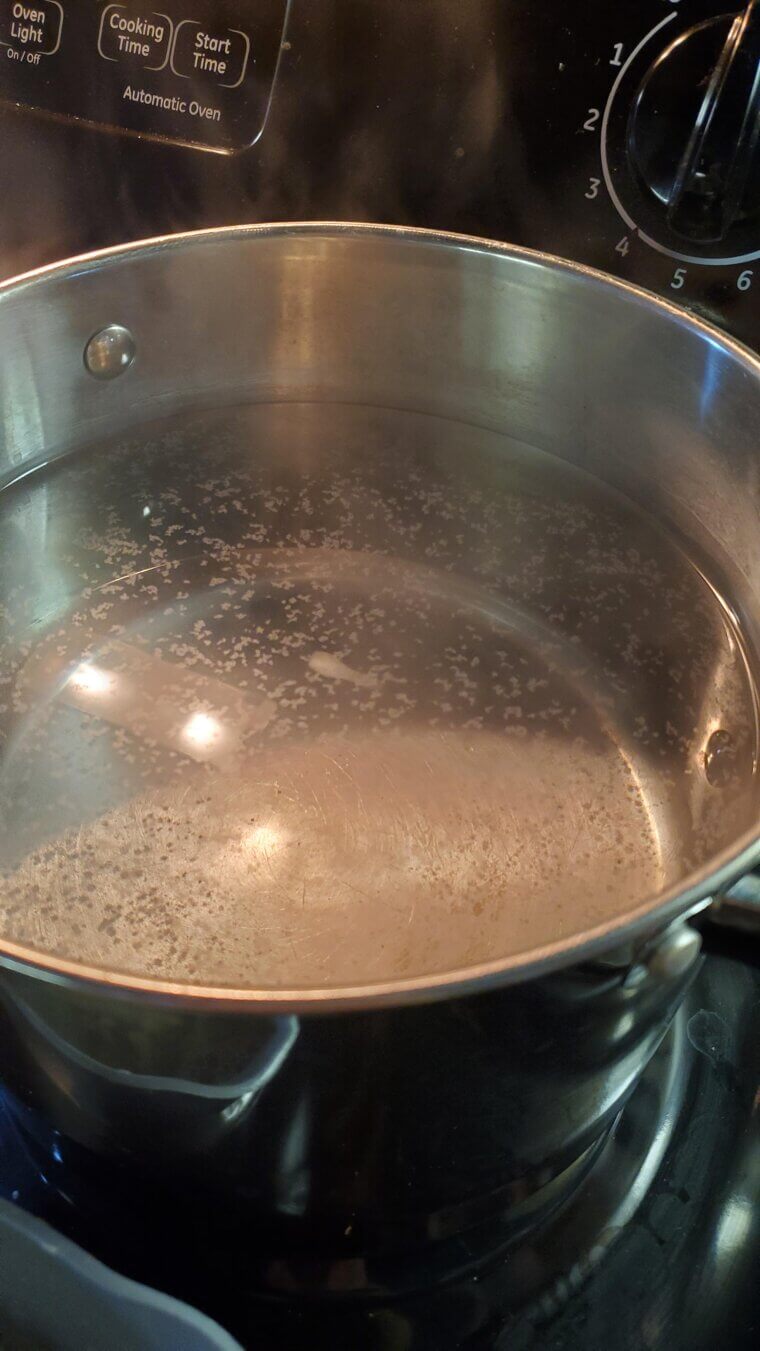
The red and purple colors vanish before your eyes. It is much gentler on the fabric than traditional stain removers.
The Garlic Guard: Keeping Pests Off Houseplants With Cloves
If you notice tiny gnats or bugs buzzing around your indoor potted plants, your spice cabinet has the solution. Garlic is reportedly a natural repellent for many small insects. Take a single clove of garlic, peel it, and push it about an inch down into the soil of the affected plant. The garlic will slowly release its sulfur compounds into the soil, making the environment much less hospitable for larvae and pests.
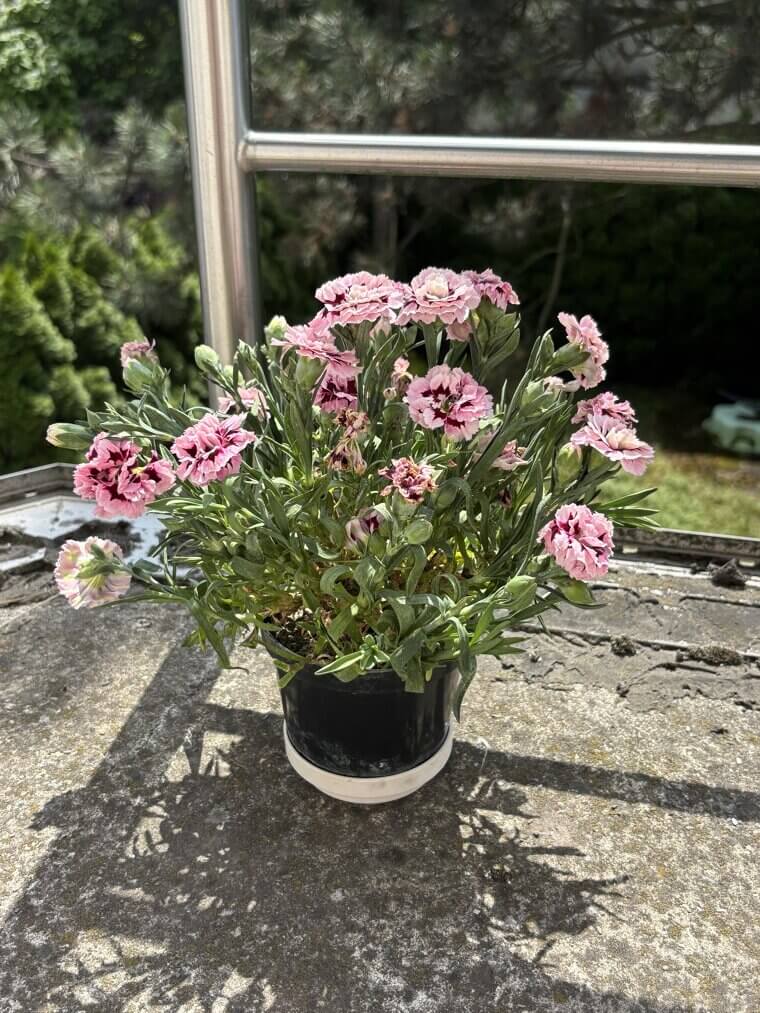
Don’t worry; the smell won't overwhelm your living room, but the bugs will certainly notice it.
The Sticker Stripper: Removing Labels With Peanut Butter
Removing the sticky residue left behind by price tags or jar labels can be a sticky, frustrating mess. The high oil content in creamy peanut butter makes it a fantastic solvent for adhesives. Simply slather a bit of peanut butter over the stubborn "gunk" and let it sit for about ten minutes. The oils will break down the glue, allowing you to wipe the whole mess away with a warm cloth.
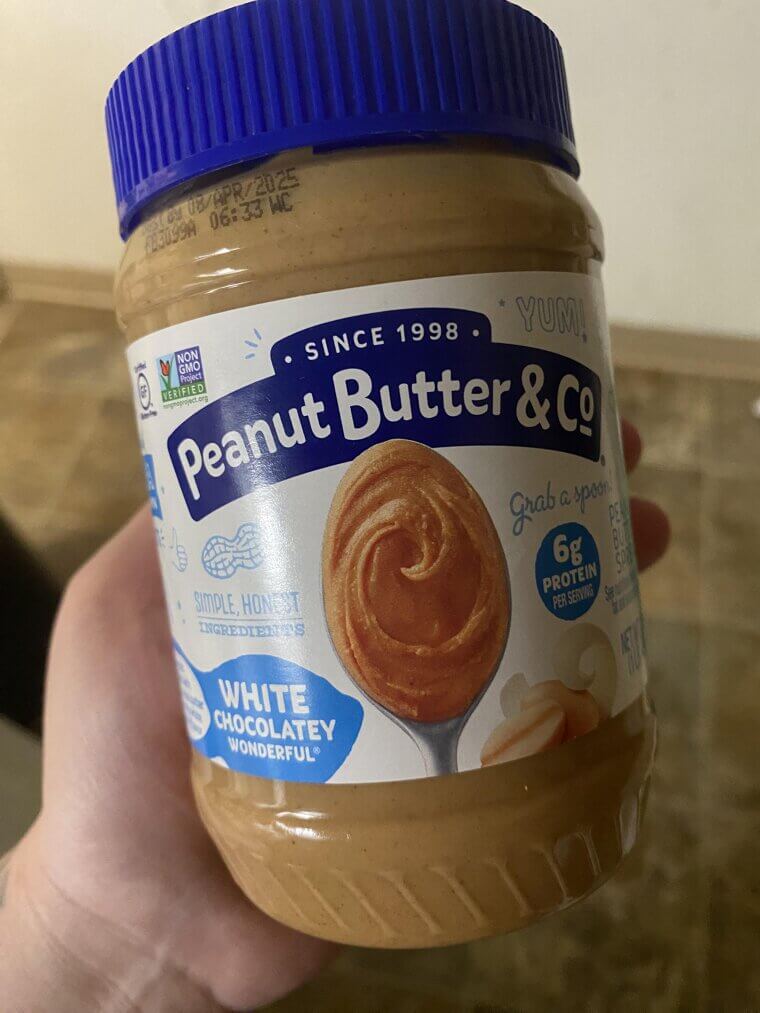
It’s much safer for your skin and the environment than using harsh chemical "goo" removers.
The Fruit Freshener: Keeping Bananas Longer With Plastic Wrap
Bananas are notorious for ripening and turning brown far too quickly. This process is caused by ethylene gas being released from the stems of the fruit. To slow this down and keep your bananas yellow for several extra days, tightly wrap the stems of the bunch in a small piece of plastic wrap. This traps the gas at the source and prevents it from reaching the rest of the fruit.
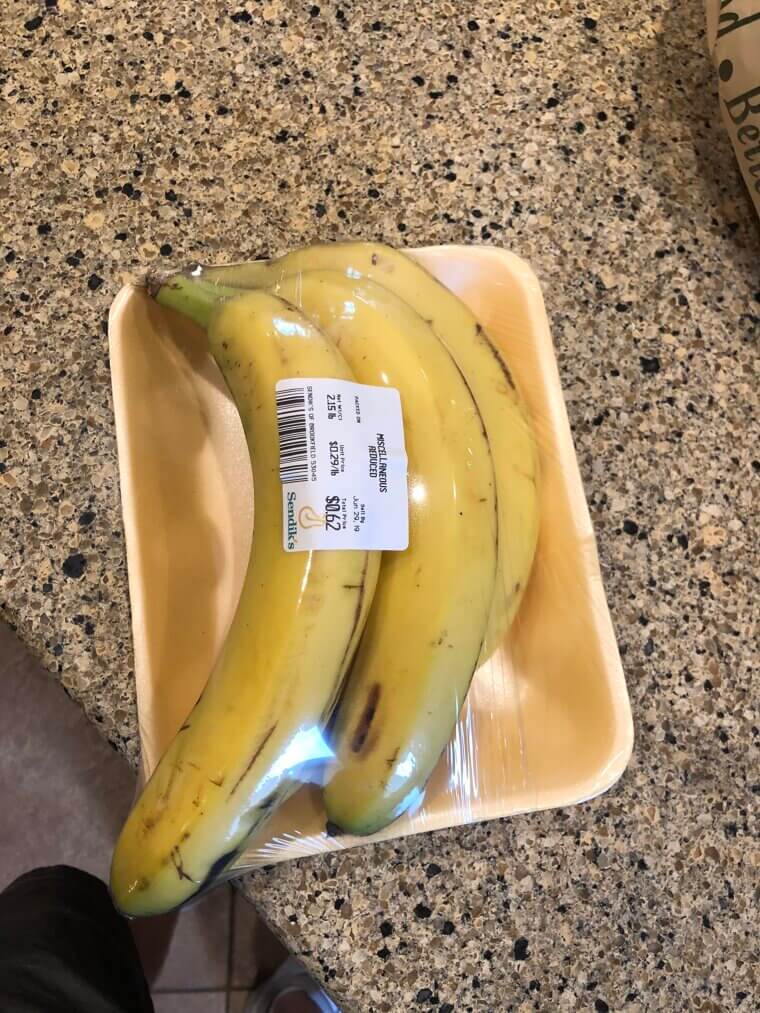
It’s a small, simple habit that can save you money by preventing food waste in the kitchen.
The Vinegar Valve: Deep Cleaning Showerheads With a Baggy
If your showerhead has uneven water pressure or clogged holes, it is likely due to mineral buildup from hard water. You don’t need to take the fixture apart to fix it. Fill a small plastic sandwich bag with white vinegar and use a rubber band to secure it around the showerhead, ensuring the nozzles are completely submerged. Leave it to soak overnight. The acetic acid in the vinegar dissolves the calcium and lime deposits.
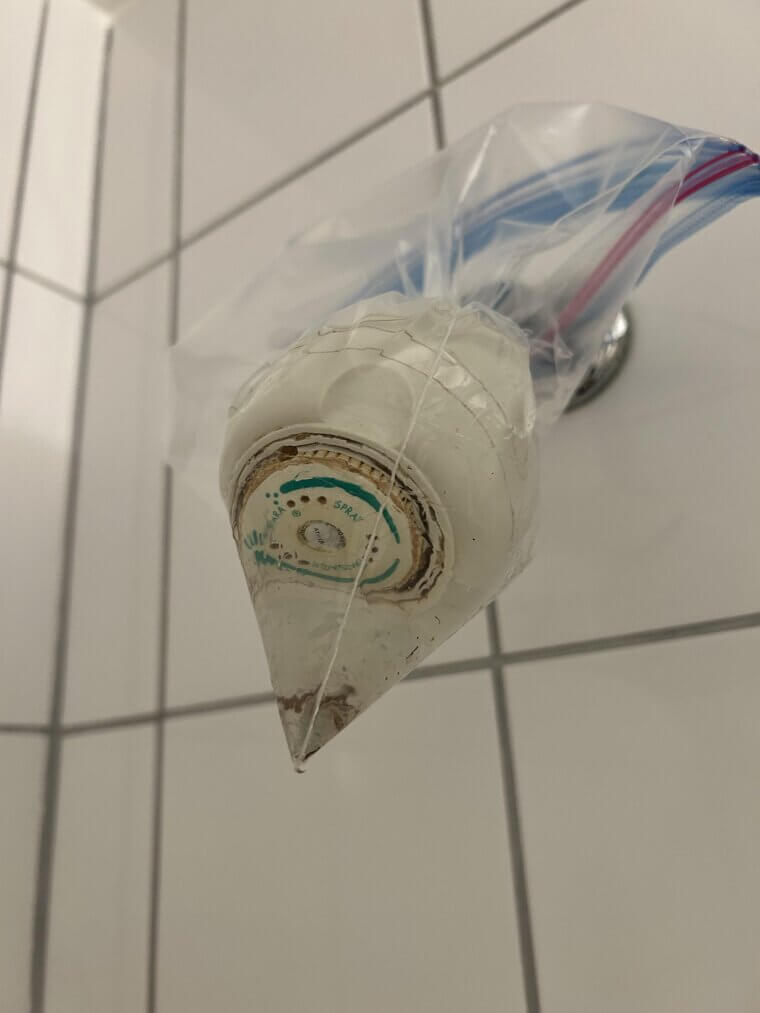
And that chemical reaction leaves you with a powerful, like-new spray the next morning - shiny and clear, ready for use.
The Onion Trick: Cleaning Grill Grates With a Halved Bulb
Cleaning a dirty, charred outdoor grill is a chore that nobody enjoys. For a natural alternative to those wire brushes—which can sometimes leave dangerous metal bristles behind—use half of a white onion. While the grill is still hot, stick the onion on a long fork and rub the cut side firmly across the grates. The natural juices and enzymes in the onion reportedly break down the grease and carbon.
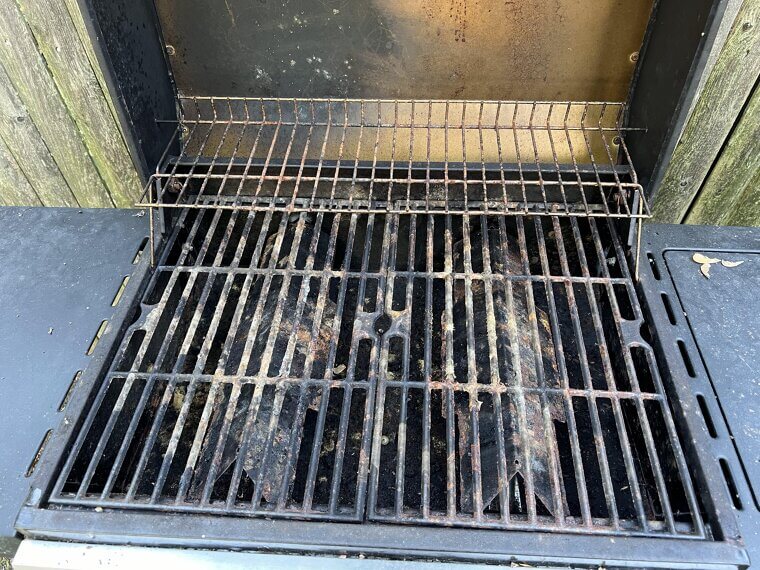
Plus, the onion's antibacterial properties help sanitize the cooking surface for your next big family barbecue.
The Lemon Lift: Cleaning Microwaves With Steam
Exploding soup or splattering sauce can leave a microwave looking like a disaster zone. To make cleaning effortless, slice a lemon in half and place it in a bowl of water. Microwave the bowl on high for three to five minutes until the water is boiling and the window is steamed up. Let it sit for another five minutes without opening the door. The steam loosens the baked-on food.
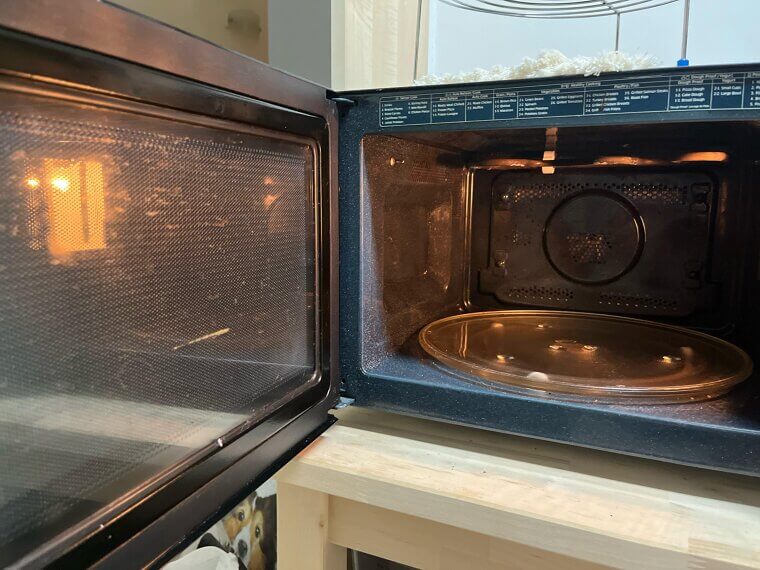
And the citric acid helps cut through grease. You can then simply wipe the interior clean with a single paper towel.
The Eggshell Sharpener: Honing Blender Blades With Scraps
Over time, the blades in your blender or food processor can become dull, leading to chunky smoothies and uneven chopping. An unusual way to keep them sharp is to use dried eggshells. After you’ve made breakfast, rinse out the shells and let them dry. Toss them into the blender with a little bit of water and run it for a minute. The hard, abrasive nature of the shells acts as a whetstone.
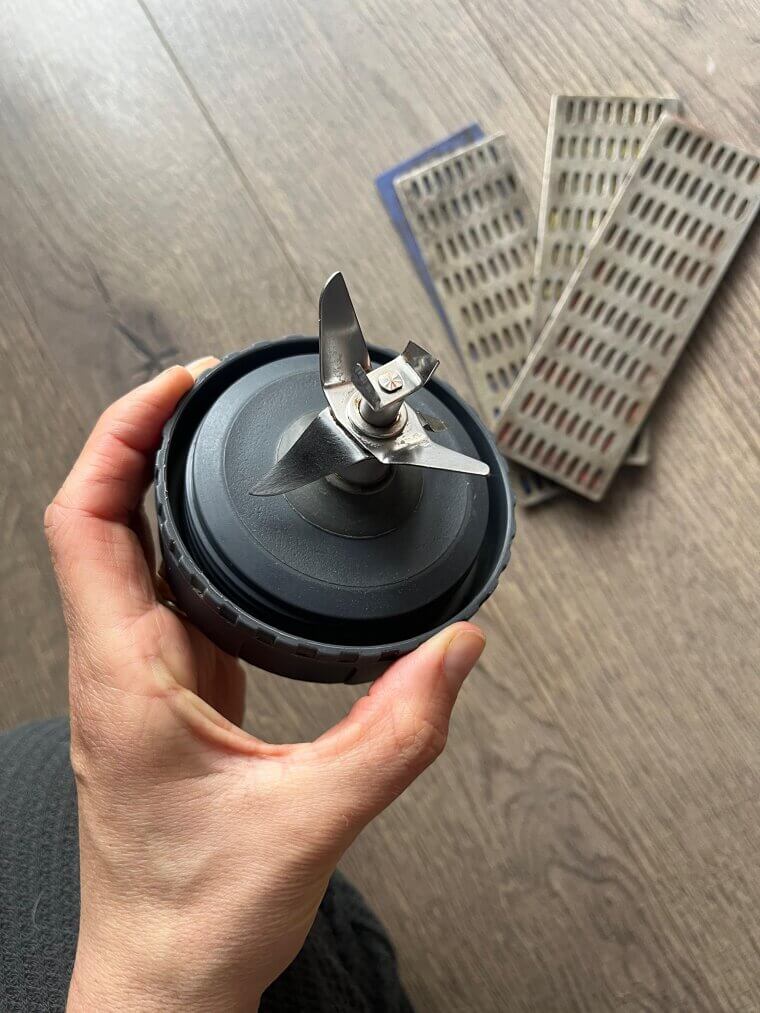
This "whetsone" hones the edges of the blades. It’s a clever way to repurpose kitchen waste while maintaining your appliances.
The Rice Rescue: Drying Out Wet Electronics
We have all heard of the "phone in a bowl of rice" trick, but it truly is a lifesaver for any small electronic device that takes an accidental dip. Uncooked rice is a natural desiccant, meaning it is incredibly efficient at pulling moisture out of the air and nearby objects. If you drop a remote or a watch in water, submerge it completely in a container of dry rice for at least 48 hours.
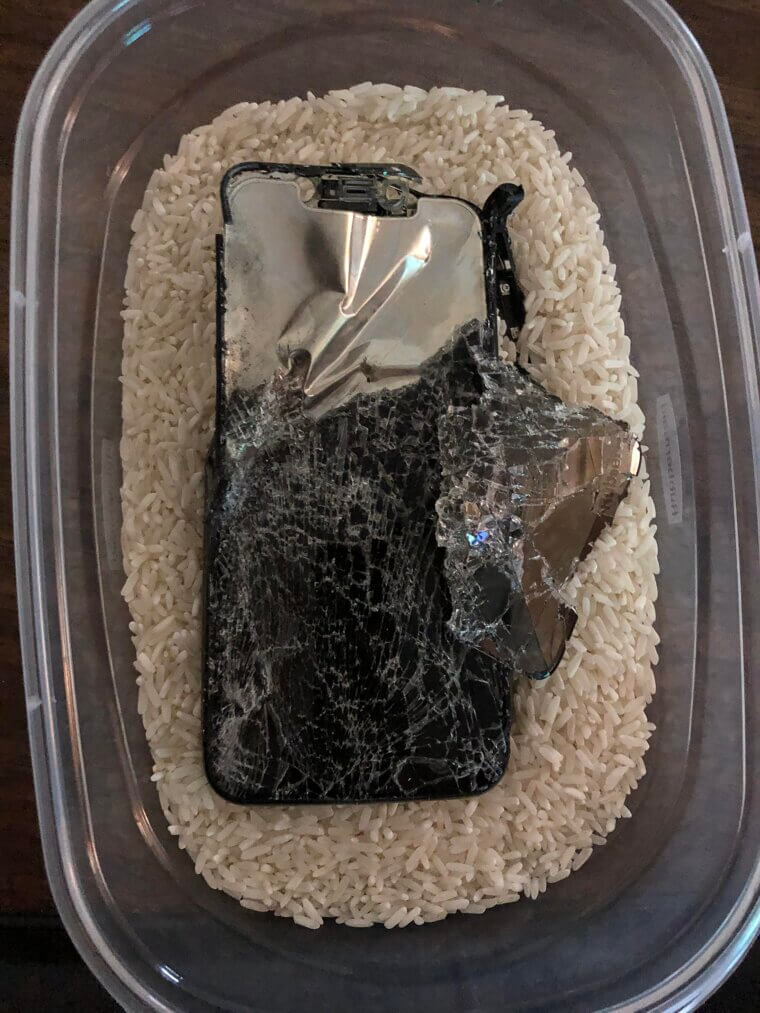
The rice will slowly draw the liquid out of the internal circuits, potentially saving you from an expensive replacement.
The Salt Shaker: Removing Wine Stains From Carpet
A red wine spill on a light-colored carpet can feel like a total emergency. The key is to act fast with the salt shaker. As soon as the spill happens, blot up as much liquid as possible with a clean cloth, then cover the entire area with a thick layer of common table salt. The salt will pull the pigment and moisture up out of the carpet fibers before the stain has a chance to set.
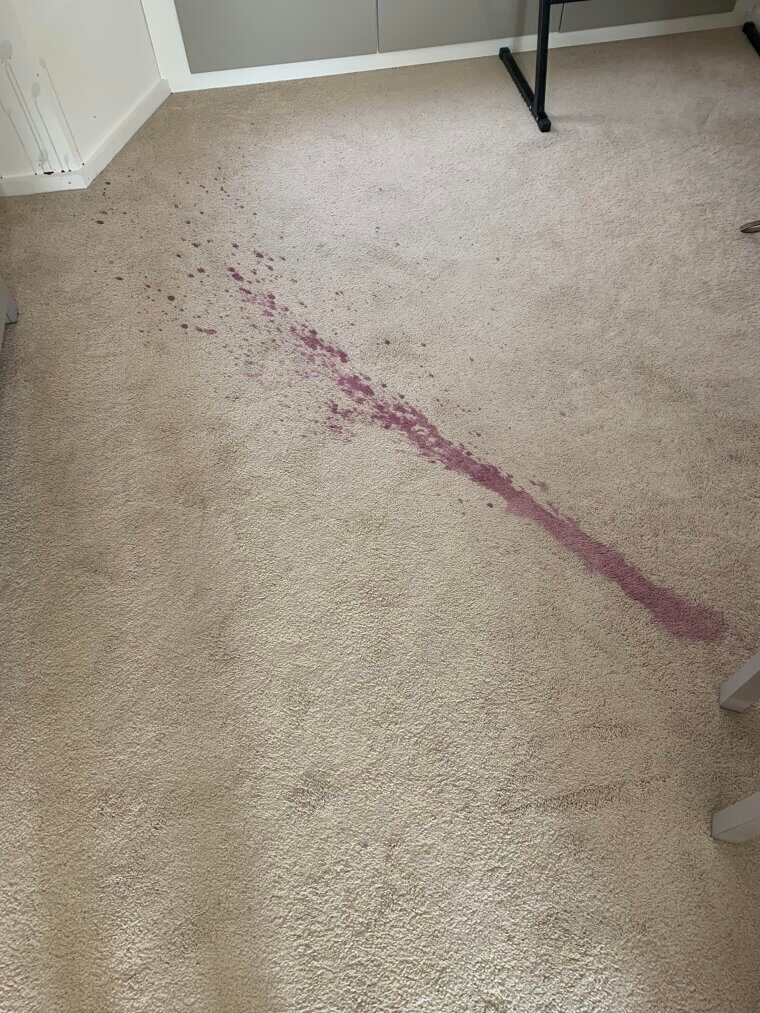
The salt acts fast to lift the stain off. Once the salt is dry and has turned pink, simply vacuum it all up.
The Mayo Miracle: Removing Water Rings From Wood
Leaving a sweaty glass on a wooden coffee table often results in those dreaded white "cloudy" rings. This is actually moisture trapped beneath the finish of the wood. Surprisingly, full-fat mayonnaise can fix this. Dab a small amount of mayo onto the ring and let it sit for about an hour. The oils in the mayonnaise penetrate the wood and displace the trapped moisture, while the fats help restore the wood's luster.
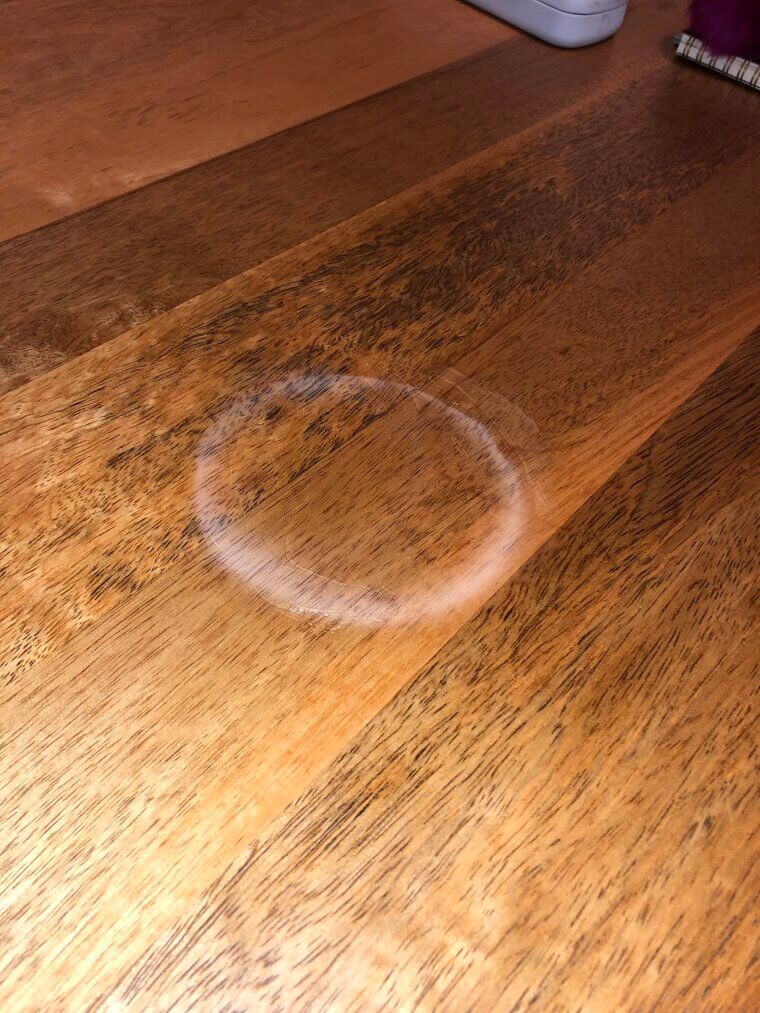
Wipe it away with a soft cloth, and you will see the ring has reportedly vanished into thin air.
The Vodka Spritz: Refreshing Clothes Without a Wash
If you have a sweater or a coat that smells a bit "stale" but isn't actually dirty, reach for the vodka. Cheap, high-proof vodka is an excellent deodorizer because it kills odor-causing bacteria and then evaporates without leaving a scent of its own. Fill a small spray bottle with vodka and lightly mist the garment, focusing on the underarms or any areas with a scent.
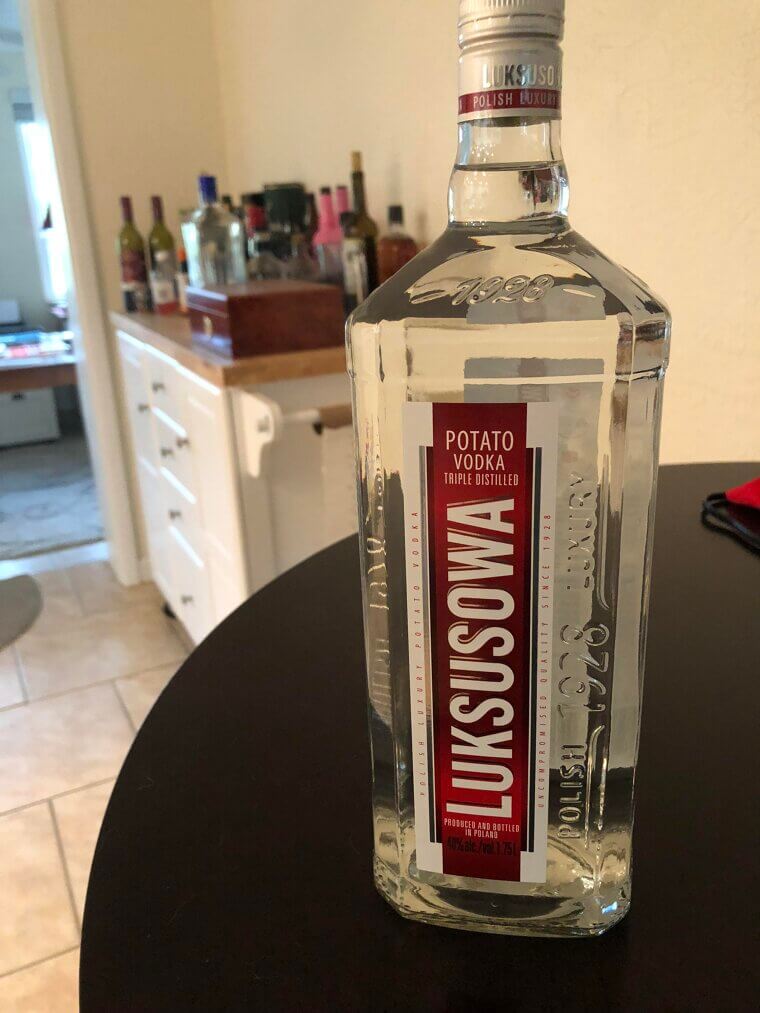
As the alcohol air-dries, it carries away the odors. It leaves the fabric smelling fresh. It’s a secret trick used by theater costume departments worldwide.
The Honey Healer: Keeping Bread Soft With a Natural Humectant
If you find that your homemade bread or muffins go stale too quickly, the secret might be in your honey pot. Honey is a natural humectant, which means it attracts and retains moisture better than white sugar does. By replacing just a portion of the sugar in your recipe with honey, you can extend the shelf life of your baked goods by several days. The moisture-retaining properties of the honey keep the crumb soft.
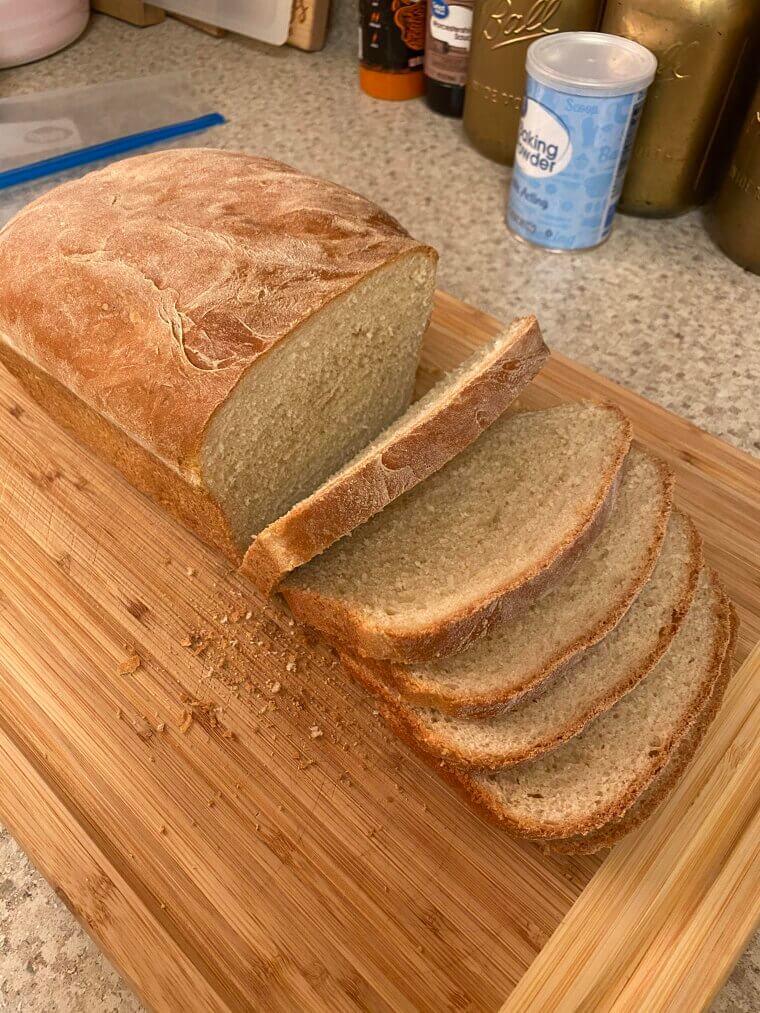
And it prevents it from drying out, ensuring every slice tastes like it just came out of the oven.
The Mustard Mist: Soothing Minor Kitchen Burns
While you should always seek medical attention for serious injuries, a minor "touch-the-rack" kitchen burn can reportedly be soothed with yellow mustard. This common condiment contains turmeric, which has natural anti-inflammatory properties, and vinegar, which can help cool the skin. Applying a thin layer of cold mustard to a small, first-degree burn can take the sting out and may help prevent blistering. It’s a handy trick to remember.

The next time you get a little too close to the oven door while baking your favorite cookies, get the mustard out.
The Tea Treader: Deodorizing Smelly Shoes With Dry Bags
After a long walk, sneakers can sometimes develop an unpleasant odor. Instead of tossing them in the washing machine—which can ruin the glue and structure of the shoe—try using dry tea bags. Place two unused black tea bags inside each shoe and leave them overnight. The tannins in the tea are excellent at absorbing moisture and neutralizing bacteria that cause bad smells. Plus, the tea leaves behind a very subtle, earthy scent.
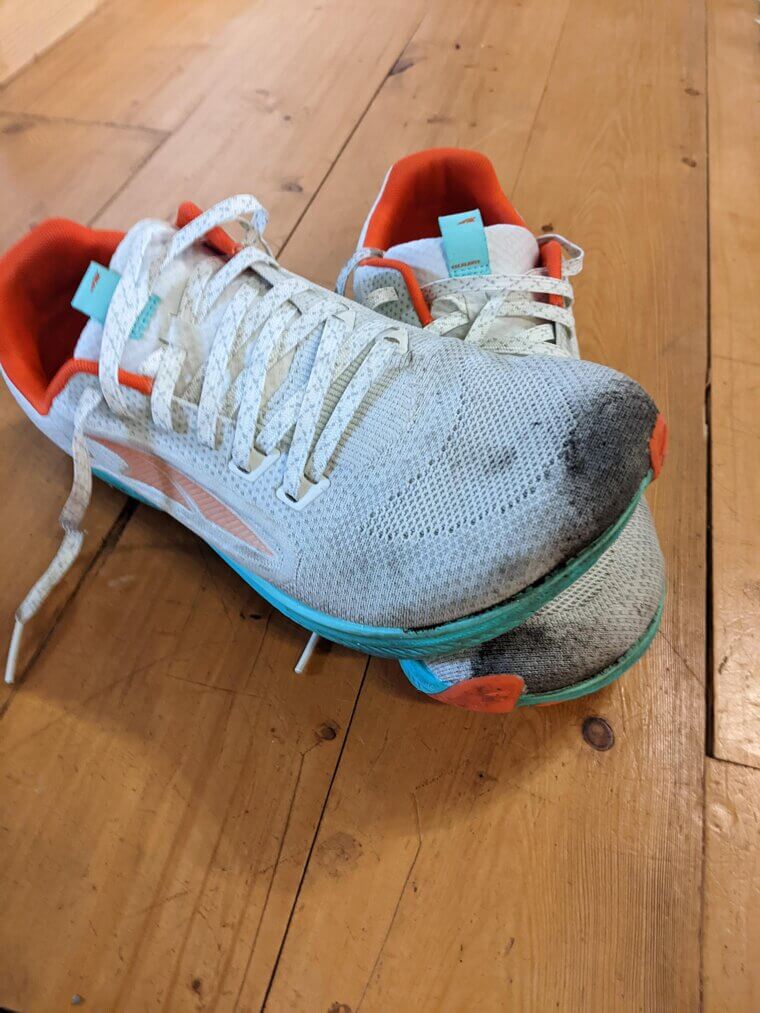
Needless to say, this odor is much more pleasant than a chemical foot spray or a sweaty gym bag.
The Vanilla Vibe: Scenting the Whole House With the Oven
If you are expecting company and want your home to smell like a professional bakery, you don't need expensive candles or plug-ins. Simply pour two teaspoons of pure vanilla extract into a small oven-safe dish or ramekin. Place it in a 300-degree oven for about twenty minutes. As the extract warms up, the scent of warm vanilla will waft through every room in the house. It’s a natural, welcoming aroma.

It makes your home feel cozy and lived-in, without any of the synthetic chemicals found in store-bought air fresheners.
The Potato Power: Removing a Broken Lightbulb
Trying to unscrew a lightbulb that has shattered in the socket is a dangerous and frustrating task. Once you have made absolutely sure the power is turned off at the breaker, cut a raw potato in half. Press the cut end of the potato firmly into the jagged glass remnants of the bulb. The firm flesh of the potato will grip the glass and the metal base.
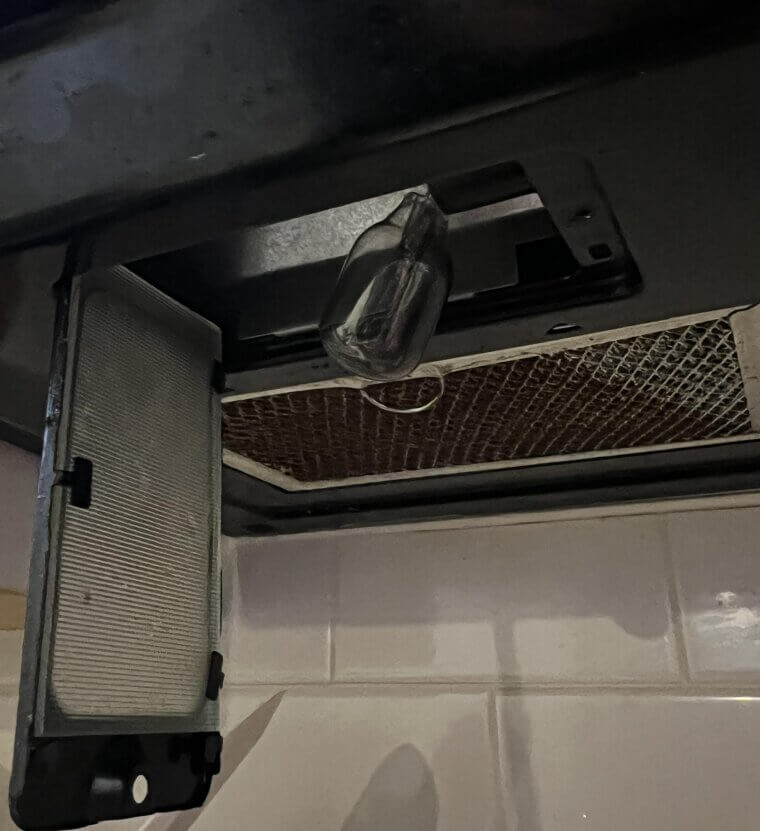
This firm grip allows you to twist the broken piece right out of the socket. It is a much safer alternative to using pliers, which can slip.
The Pepper Trick: Keeping Colors Bright in the Wash
Over time, bright clothes can start to look dull and faded due to soap residue building up in the fibers. To keep your colors popping, add a teaspoon of ground black pepper to your laundry load along with your regular detergent. The grit of the pepper acts as a very mild abrasive that helps scrub away the excess soap film that causes fading. Don't worry about the smell or the flakes.
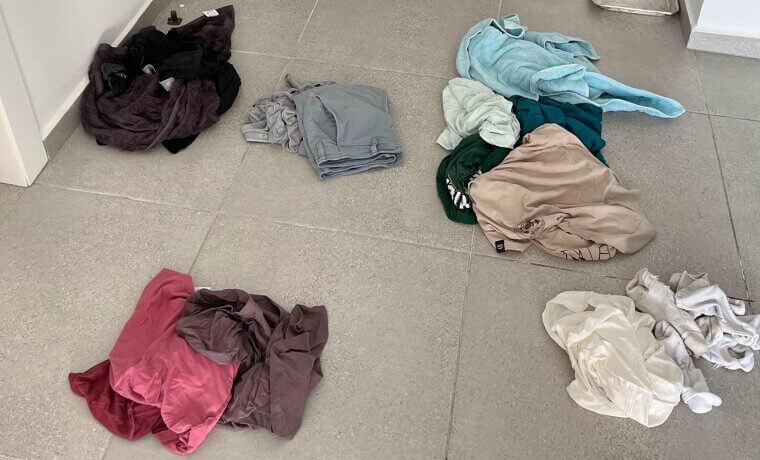
The pepper will wash away completely during the rinse cycle, leaving your clothes looking vibrant and as good as new.
The Soda Soak: Cleaning Toilets With Cola
It may sound strange, but a can of cola is actually a powerful cleaning agent for a stained toilet bowl. The phosphoric and citric acids found in the soda are highly effective at breaking down lime scale and other stubborn mineral deposits. Pour a full can around the rim and let it sit for at least an hour—or even overnight for tough stains. Then, give it a quick scrub with a brush and a flush.
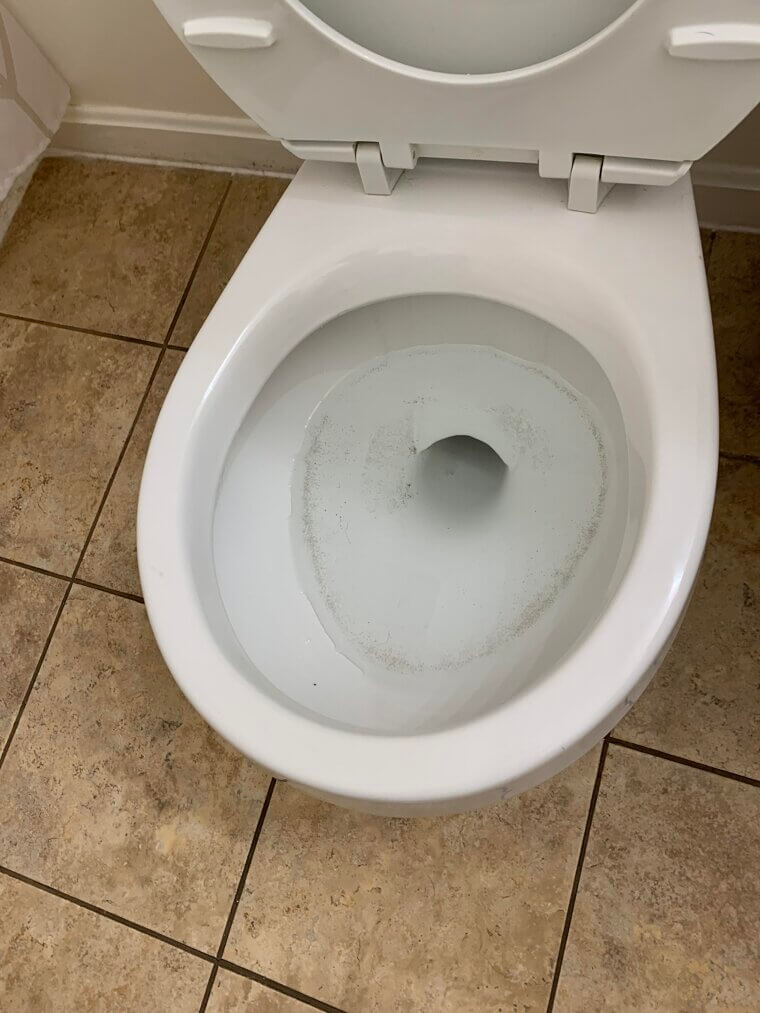
And after that, the bowl will reportedly be sparkling clean. It’s a great way to use up flat soda.
The Flour Finish: Polishing Stainless Steel Sinks
After you’ve cleaned your kitchen sink, it can often look dull or water-spotted. For a professional, high-shine finish, make sure the sink is completely dry, then sprinkle a handful of all-purpose flour over the surface. Use a soft, dry cloth to "buff" the flour into the stainless steel using circular motions. The flour acts as a very fine polishing agent that lifts any remaining residue and leaves the metal gleaming.
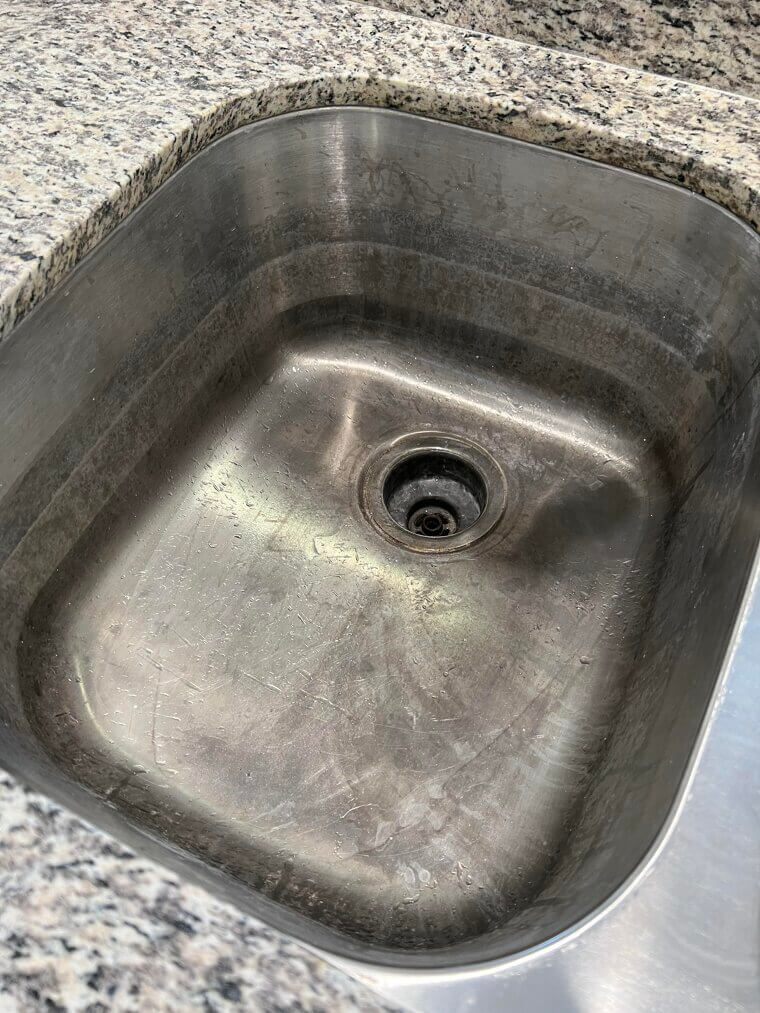
Just remember to wipe away the excess flour afterward so it doesn't turn into paste when you turn the water on.
The Grapefruit Scrub: Cleaning Bathtubs With Citrus and Salt
If your bathtub has developed a ring of soap scum or grime, skip the harsh bleach sprays. Cut a grapefruit in half and sprinkle a generous amount of salt over the cut side. Wet the tub and use the salted grapefruit like a scrubbing sponge. The acidity of the fruit breaks down the grease and grime, while the salt provides the necessary abrasion to lift the dirt.
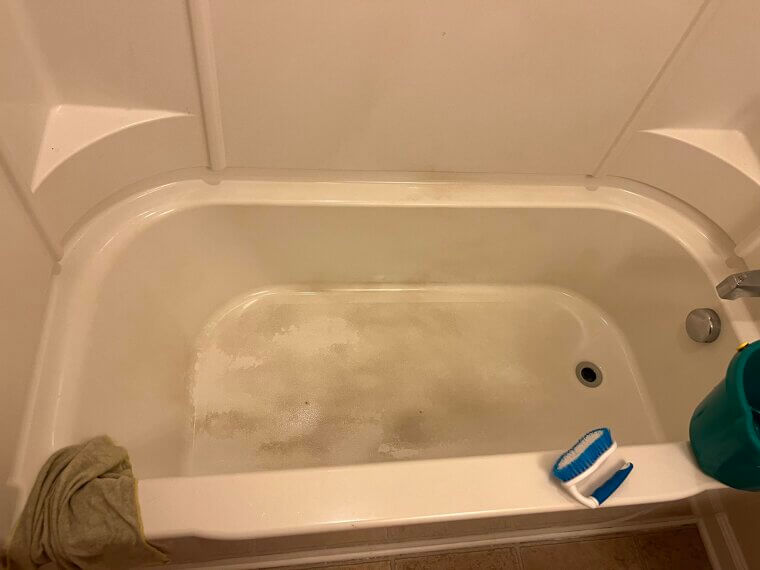
Not only does it work incredibly well, but your bathroom will also smell like a fresh citrus grove rather than a chemical factory.
The Aspirin Assist: Removing Sweat Stains From Whites
Yellow armpit stains on white shirts are notoriously difficult to remove with regular laundry detergent. However, two crushed aspirin tablets dissolved in a half-cup of warm water can reportedly work wonders. Soak the stained area of the shirt in this solution for two to three hours before washing as usual. The salicylic acid in the aspirin helps to break down the proteins and minerals found in perspiration that cause the yellowing.

It’s a simple, pharmaceutical-grade hack for keeping your white clothes looking crisp and professional for much longer.
The Rubber Band Grip: Opening Stubborn Jars
We have all struggled with a jar lid that simply refuses to budge. Instead of straining your wrists or running the lid under hot water, reach for a thick rubber band. Wrap the rubber band around the edge of the lid to provide extra traction for your hand. The rubber creates a non-slip surface that allows you to apply much more torque with less effort. It’s a simple mechanical advantage that makes opening things easier.
Everything from pickles to pasta sauce will be a breeze to open, saving your joints from unnecessary stress and frustration.
The Yogurt Yield: Cleaning Brass and Copper Naturally
If you have brass candlesticks or copper decorative items that have tarnished over time, plain yogurt can restore them. The lactic acid in the yogurt is strong enough to dissolve tarnish but gentle enough not to damage the underlying metal. Apply a thick layer of plain yogurt to the item and let it sit for about fifteen minutes. Once the time is up, wipe it off with a soft cloth and rinse with warm water.
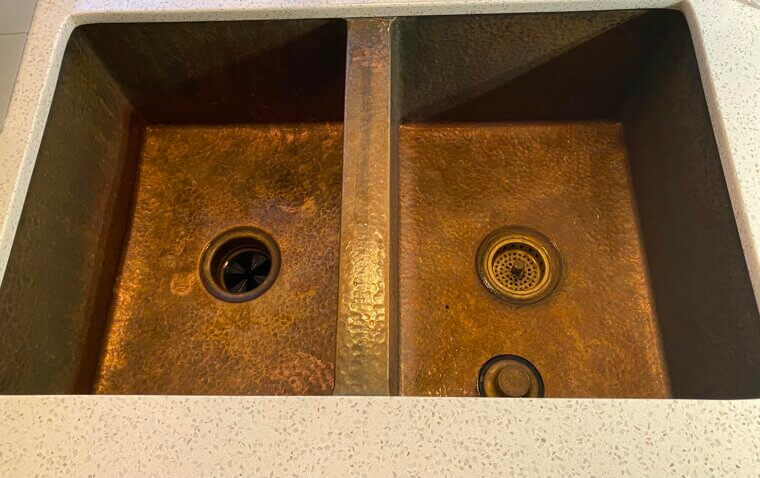
You’ll be amazed at how the original luster returns without any toxic fumes or messy pastes.