Using Too Much Softener
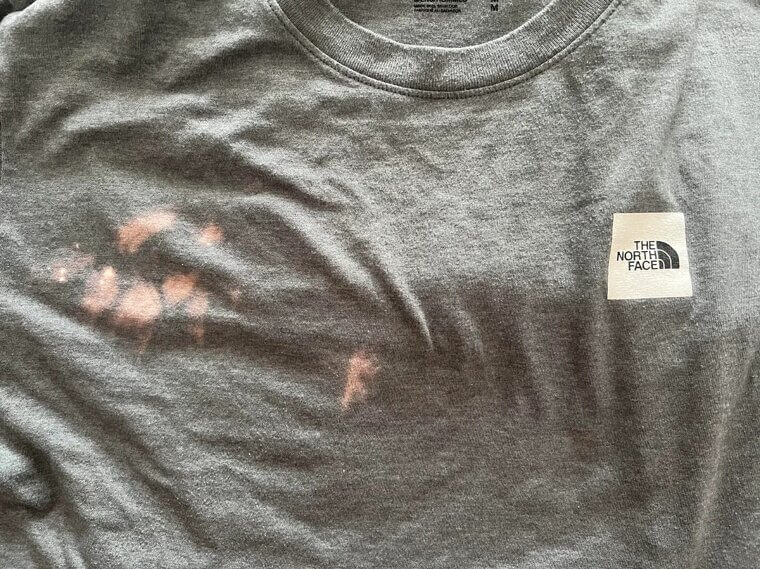
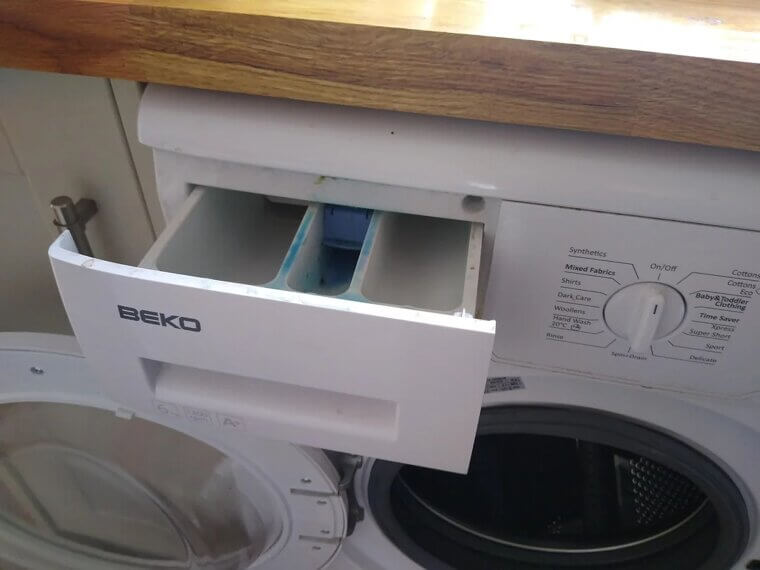
It makes clothes feel soft and smell beautiful, but too much fabric softener can actually ruin a load of laundry. It reduces absorbency and leaves an unpleasant residue on thicker items, like knitwear or activewear, that also causes skin irritation. Bacteria, body odor, and dirt all get trapped by this residue, too.
The younger generation are starting to turn away from softeners completely now, in favor of gentler, less synthetic products. Some people don’t like how it makes clothes feel, especially delicate items. It may even have the opposite effect of softening and make them feel stiffer to wear.
The younger generation are starting to turn away from softeners completely now, in favor of gentler, less synthetic products. Some people don’t like how it makes clothes feel, especially delicate items. It may even have the opposite effect of softening and make them feel stiffer to wear.
Overloading the Machine
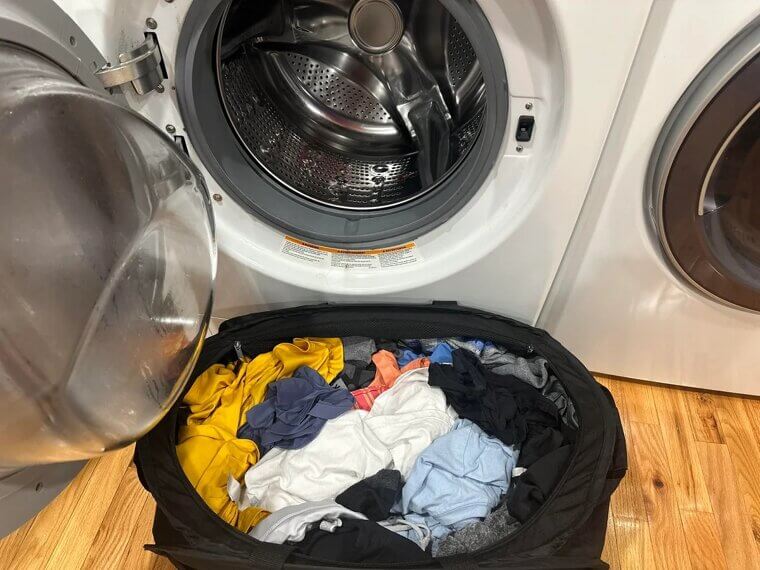
Laundry is most people’s least favorite chore, but that doesn’t mean you should stuff every piece of dirty clothing into the machine at once! Overloading the machine saves time, but it means the clothes won’t move around and fully soak themselves in enough detergent. Those on the inside may not even get sufficiently wet.
Heavy laundry loads may also crush certain items against the door, causing them to pile or snag. If the clothes aren’t properly washed each time, you risk them becoming permanently stained or smelly, which ruins the way they look and feel when you wear them.
Heavy laundry loads may also crush certain items against the door, causing them to pile or snag. If the clothes aren’t properly washed each time, you risk them becoming permanently stained or smelly, which ruins the way they look and feel when you wear them.
Using Too Much Detergent
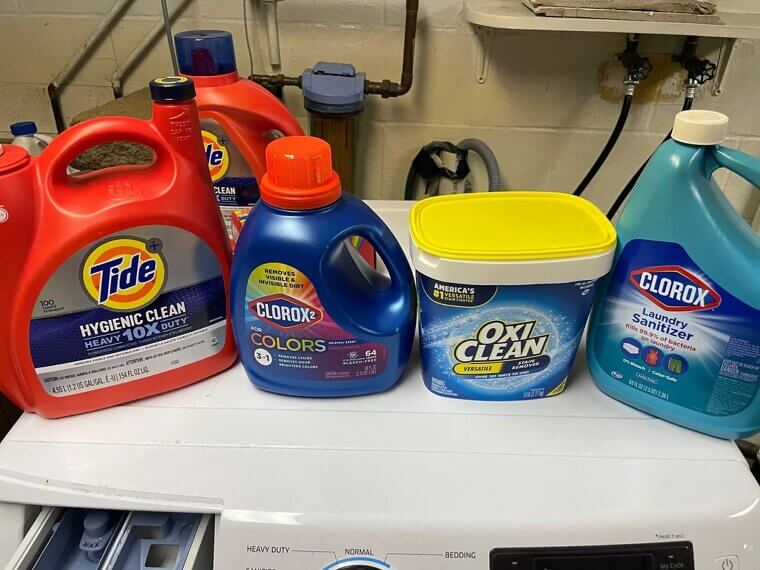
You need to wash your clothes thoroughly to keep them in the best condition, but don’t overdo it! Using too much detergent leaves soapy residue on the clothes that can’t be rinsed off, which affects the color and texture of each garment. The suds may even cause dirt to cling to the clothes even more.
Aside from ruining your clothes, excessive detergents will also trap dirt and bacteria in the machine, risking future loads. The more you wash them with extra detergent, the duller and more faded items will become until they’ve been completely worn out.
Aside from ruining your clothes, excessive detergents will also trap dirt and bacteria in the machine, risking future loads. The more you wash them with extra detergent, the duller and more faded items will become until they’ve been completely worn out.
Ignoring Care Labels
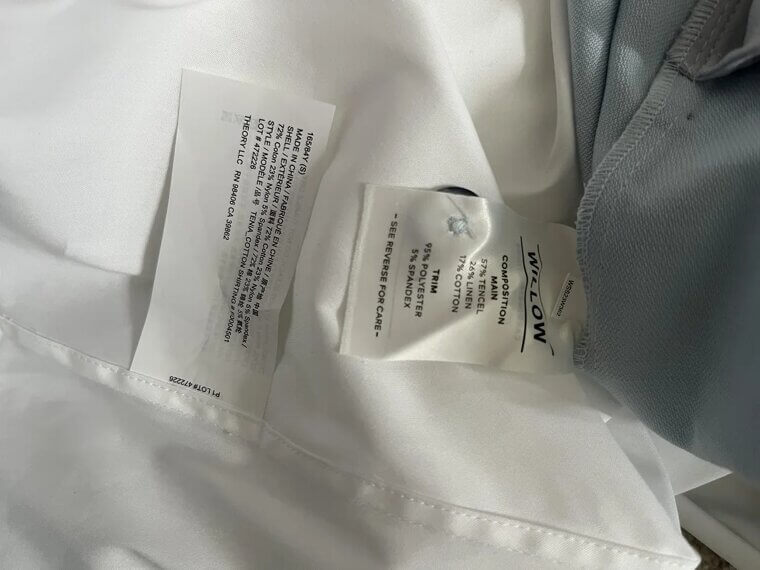
It’s easy to think you know best, but clothes include care labels for a reason. Certain garments may need to be washed in cold water to protect them, whereas others need more heat to get clean. Ignoring a care label could cause an item to shrink, stretch, or fade until it’s unwearable.
Many people cut the labels out of new clothes as soon as they buy them, so they don’t actually know how to care for them. Whether it’s bleach, heat, softener, or a hot iron, one little mistake can completely mess up your clothes. It may take more time and effort, but following care labels is the simplest way to protect them.
Many people cut the labels out of new clothes as soon as they buy them, so they don’t actually know how to care for them. Whether it’s bleach, heat, softener, or a hot iron, one little mistake can completely mess up your clothes. It may take more time and effort, but following care labels is the simplest way to protect them.
Leaving Zippers Undone
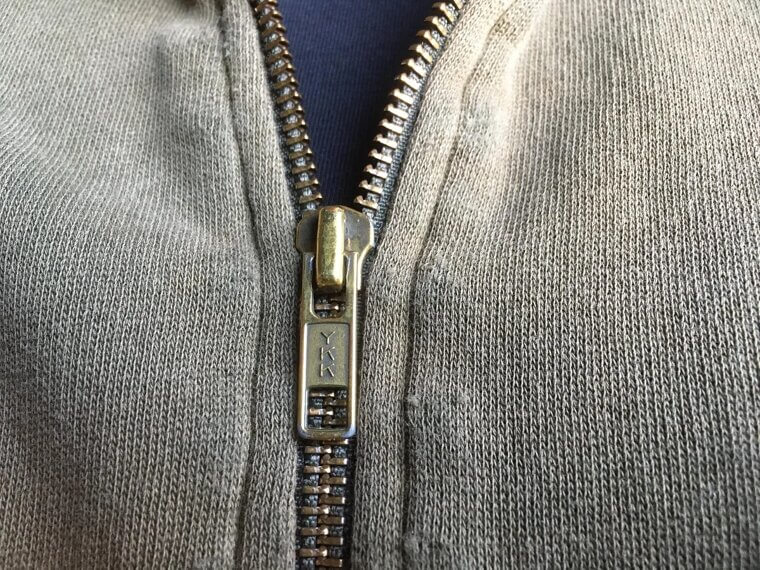
Have you ever had a jean zipper get caught on your shirt? The exact same thing happens inside the laundry machine when you leave zippers undone. Those sharp little teeth snag other clothes during the spin cycle, pulling out threads and causing bobbles or tears. Delicate pieces of clothing are particularly vulnerable to damage.
Keeping the zipper undone may also cause it to bust, or the clothes to stretch because there’s nothing securing them while they’re washed. It’s easy to forget to zip up pants and jackets, but it’ll save you having to replenish your closet multiple times per year.
Keeping the zipper undone may also cause it to bust, or the clothes to stretch because there’s nothing securing them while they’re washed. It’s easy to forget to zip up pants and jackets, but it’ll save you having to replenish your closet multiple times per year.
Not Emptying Pockets
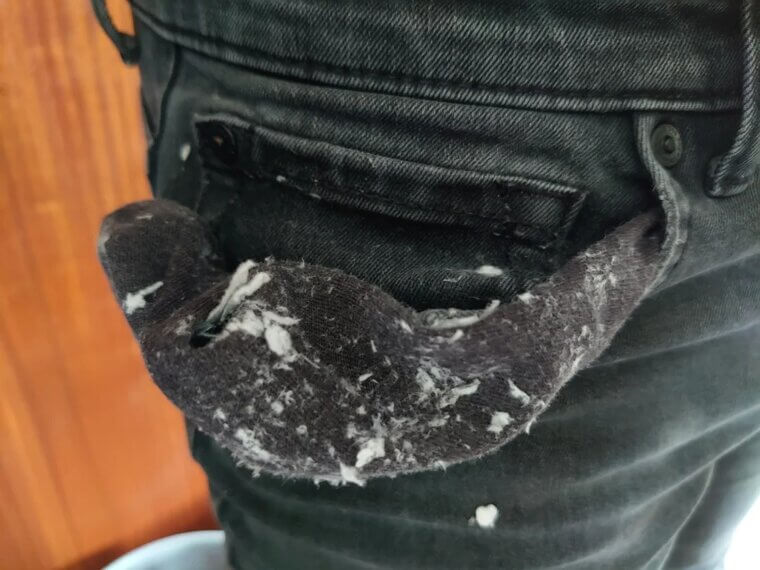
It’s an age-old tip we were all given by our parents, and it’s also one of the foundational rules of doing laundry! Anything left in pockets, like pens, makeup, napkins, or paper, will leave messy residue or stains that can take months to get out of clothes. In some cases, sharp objects may also rip clothes.
There have been many debates online about whose responsibility it is to check pockets before doing laundry, but all that matters is that somebody does! Any loose item can easily destroy a load of laundry, and damage your machine in the process.
There have been many debates online about whose responsibility it is to check pockets before doing laundry, but all that matters is that somebody does! Any loose item can easily destroy a load of laundry, and damage your machine in the process.
Throwing Delicates in Loose
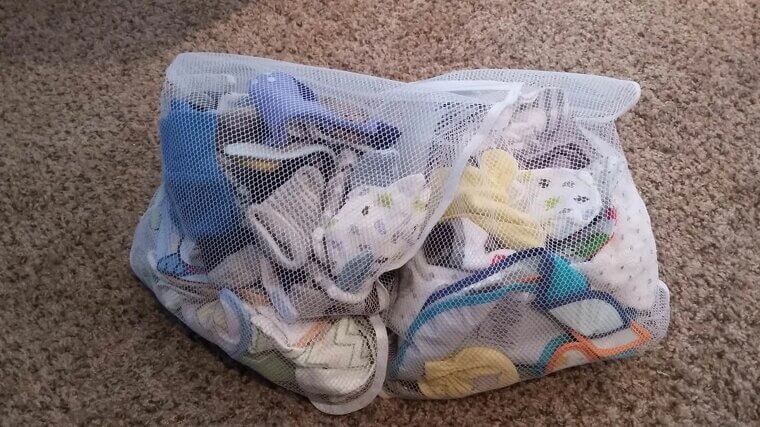
They don’t make those netted laundry bags for no reason, yet many people continue to overestimate how strong their delicate items are. Anything made of silk, lace, satin, cashmere, or even fine linen is extremely susceptible to being caught on a button or zipper and destroyed mid-wash.
It’s best to do an entirely separate delicates wash, but if you can’t, never throw them in loose. Put them in a bag to stop them snagging or tearing, and make sure the temperature is lower than usual. High temperatures and harsh detergents can be just as damaging as motion.
It’s best to do an entirely separate delicates wash, but if you can’t, never throw them in loose. Put them in a bag to stop them snagging or tearing, and make sure the temperature is lower than usual. High temperatures and harsh detergents can be just as damaging as motion.
Not Pre-Treating Stains
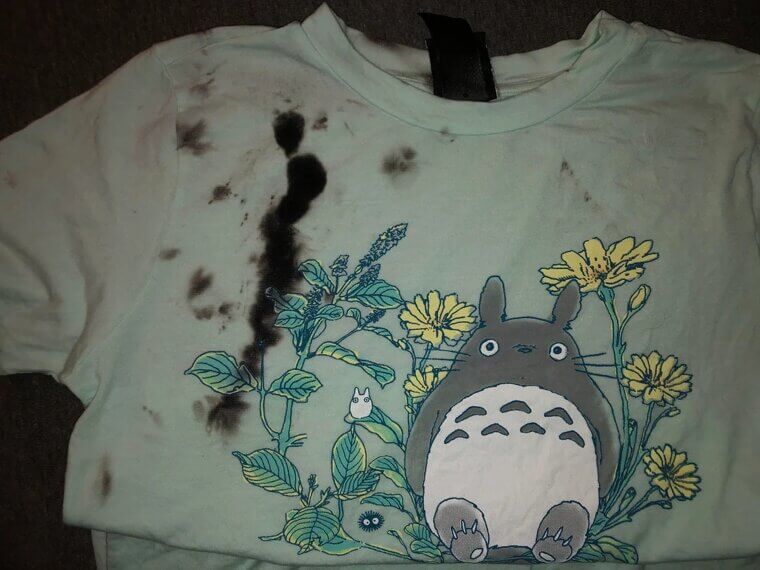
Most people assume that a quick spin in the wash will get rid of any stain, but some are more persistent than others. As soon as the ink, oil, or sauce fully soaks into your clothes, it has started to stain them, and by the time they’re actually washed, they’re permanent.
Pre-treating stains is easy and could save a shirt or dress from being ruined. All you need is to soak it in cold water and blot with baking soda, stain remover, or a gentle detergent. This will lift most of the stain away, ensuring that the hot water inside the machine doesn’t set it while it cleans.
Pre-treating stains is easy and could save a shirt or dress from being ruined. All you need is to soak it in cold water and blot with baking soda, stain remover, or a gentle detergent. This will lift most of the stain away, ensuring that the hot water inside the machine doesn’t set it while it cleans.
Letting Wet Clothes Sit
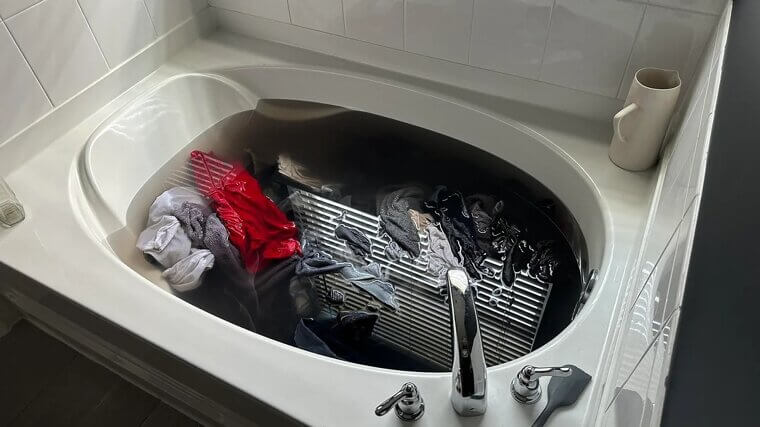
There’s nothing quite as off-putting as the musty smell of wet laundry! But what actually causes that smell? The simple combination of damp and cold keeps clothes soggy and creates the perfect environment for mold and mildew to grow. The moisture and residual detergent left in the load exacerbate this process.
You should aim to move wet laundry to the drying rack as soon as possible, but definitely within eight hours. Some people let it sit for days, then wonder why it smells like old gym socks. Over time, the constant rewashes needed to get rid of the smell will start to ruin your clothes.
You should aim to move wet laundry to the drying rack as soon as possible, but definitely within eight hours. Some people let it sit for days, then wonder why it smells like old gym socks. Over time, the constant rewashes needed to get rid of the smell will start to ruin your clothes.
Putting Everything in the Dryer
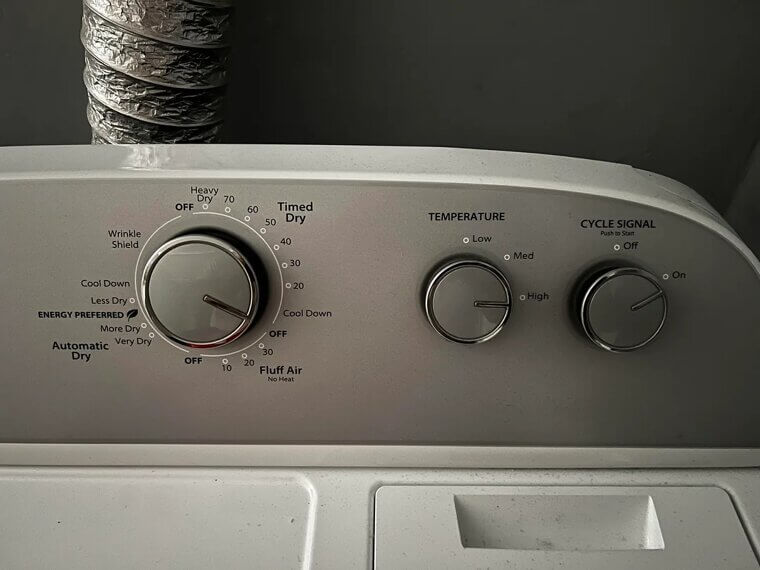
It’s the quickest and most efficient way to dry clothes, but that doesn’t mean you should sacrifice garments for the sake of convenience. Denim, wool, suede, spandex, and silk all get destroyed in the dryer because the heat and tumbling manipulates the fibers until the items no longer fit.
Some might shrink, others may stretch, and anything with an embellishment will probably melt. As soon as clothes have been damaged, it’s almost impossible to restore them. Even a low heat can destroy certain items, so if you’re not sure, stick to air drying.
Some might shrink, others may stretch, and anything with an embellishment will probably melt. As soon as clothes have been damaged, it’s almost impossible to restore them. Even a low heat can destroy certain items, so if you’re not sure, stick to air drying.
Mixing Colors
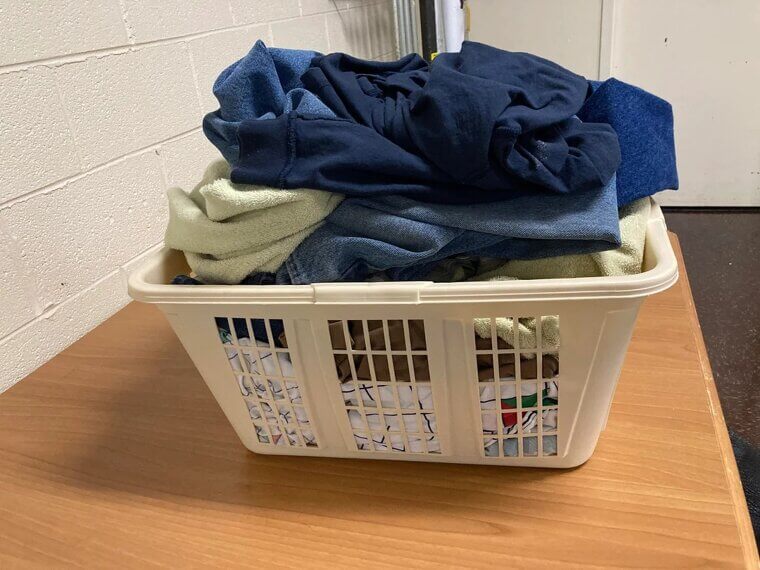
It’s probably the most controversial laundry-based argument, but there’s a reason it exists! Similar colors, like blue and green or pink and red, are usually fine when washed in the same load, but putting darks and lights together is a recipe for disaster. White garments in particular can be stained beyond recognition.
Color transfer doesn’t happen all the time, but it’s much more common if you wash your clothes on a high heat. Separating items also preserves brightness, keeping your whites crisp and your colors vivid for longer. Mixing colors may save time, but is it worth the risk?
Color transfer doesn’t happen all the time, but it’s much more common if you wash your clothes on a high heat. Separating items also preserves brightness, keeping your whites crisp and your colors vivid for longer. Mixing colors may save time, but is it worth the risk?
Not Cleaning the Machine
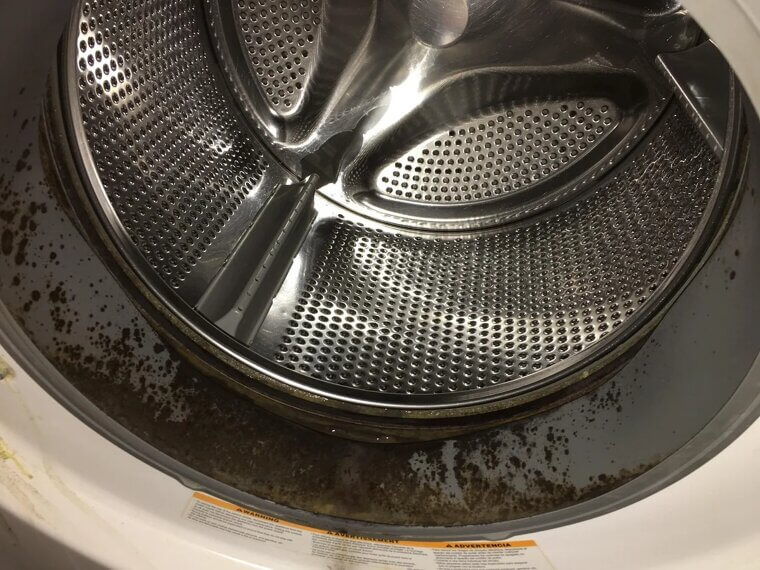
It may wash your clothes, but the inside of your washing machine isn’t as clean as you think. Like a shower, everything you use to clean gets trapped inside, including grime, mold, soap scum, and leftover detergent. Sometimes, you can’t even see it, but every time you wash clothes, it gets mixed up with your laundry.
If your clothes look dirty when they come out of the machine, it could be due to filth building up inside. Your clothes may not be permanently destroyed, but they won’t look or smell as good as they once did. Luckily, it’s an easy problem to solve.
If your clothes look dirty when they come out of the machine, it could be due to filth building up inside. Your clothes may not be permanently destroyed, but they won’t look or smell as good as they once did. Luckily, it’s an easy problem to solve.
Not Turning Clothes Inside-Out
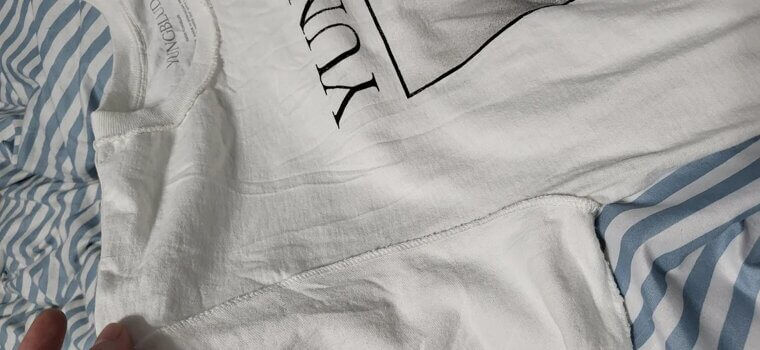
It might seem like a waste of time, but turning certain clothes inside-out when washing them can save many items from being destroyed. Anything with a logo or graphic should be turned inside-out to preserve the dye, embellishment, or embroidery. If any damage is done, it will be to the inner fabric.
The inside of your clothes is also more likely to hold sweat, oils, and body odor, so turning them inside-out will freshen them up. T-shirts, jeans, sportswear, and anything dark should be washed this way to protect the external fabric and reduce any pilling or fading on the outside.
The inside of your clothes is also more likely to hold sweat, oils, and body odor, so turning them inside-out will freshen them up. T-shirts, jeans, sportswear, and anything dark should be washed this way to protect the external fabric and reduce any pilling or fading on the outside.
Overheating the Washer
Most clothes are washed hot, but you shouldn’t have your machine above 110 degrees for mixed loads. Many items can be washed at far lower temperatures too, which is better for keeping their shape and color. It also does great things for your energy bills and carbon footprint!
But as far as your clothes are concerned, too much heat wears out their fibers. This shortens the lifespan of materials like spandex and nylon, ruins elasticity, and causes delicate fabrics to wrinkle. A good rule to follow is if you want it to last, don’t wash it on high heats.
But as far as your clothes are concerned, too much heat wears out their fibers. This shortens the lifespan of materials like spandex and nylon, ruins elasticity, and causes delicate fabrics to wrinkle. A good rule to follow is if you want it to last, don’t wash it on high heats.
Overusing Bleach
To some people, it’s common sense, but others have had positive experiences using bleach to remove stains on their clothes. Unfortunately, it’s still a very strong and abrasive product, with a harsh oxidation process that deteriorates fibers and leaves permanent stains on garments.
There are some gentle bleaches, but adding even a drop too much can destroy the entire laundry load. Bleach harms dyes, causing marks and general color loss. It also weakens the fabric, making it wear out faster. It’s always best to try other cleaning products before resorting to bleach.
There are some gentle bleaches, but adding even a drop too much can destroy the entire laundry load. Bleach harms dyes, causing marks and general color loss. It also weakens the fabric, making it wear out faster. It’s always best to try other cleaning products before resorting to bleach.