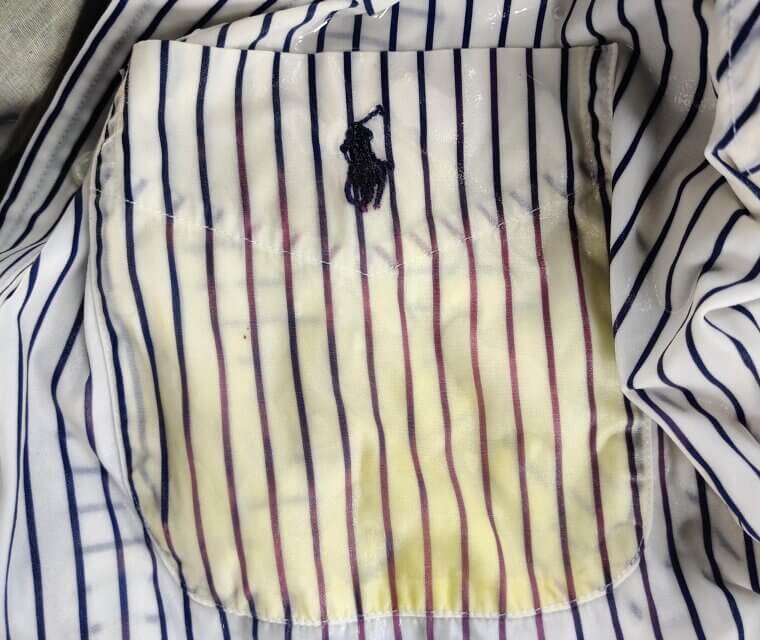
Cold Water Only for Blood and Other Protein Stains
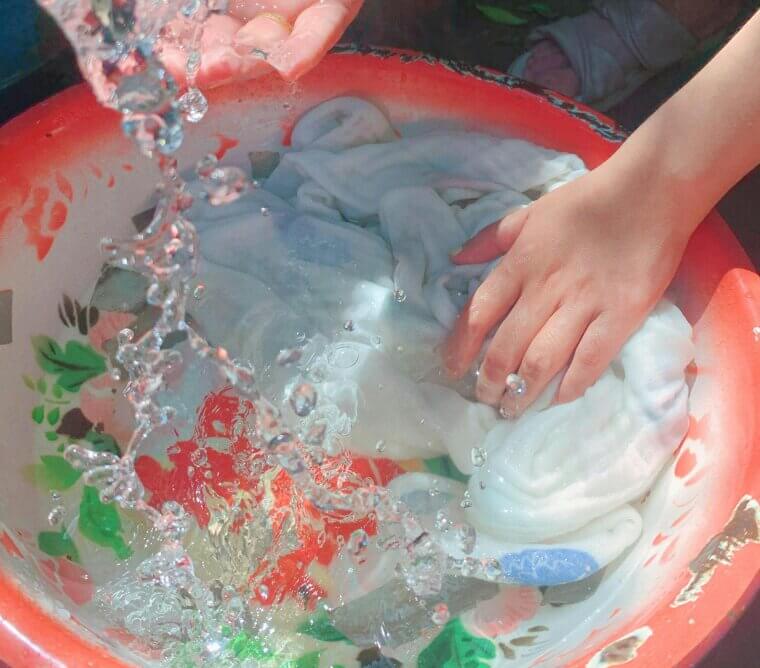
Heat sets protein stains, which makes hot water the villain here. For blood, egg, milk, and many sweat stains, cold water is the only move from start to finish. Rinse right away, then soak for 15 to 30 minutes. Add a little salt or mild detergent if needed and wash on cold.
If a mark is still there after washing, skip the dryer. Dryer heat locks stains in permanently. Let it air-dry, treat it again, and rewash. It takes longer, but it saves the fabric and your sanity. Cold water isn’t very exciting, but it gets the job done.
If a mark is still there after washing, skip the dryer. Dryer heat locks stains in permanently. Let it air-dry, treat it again, and rewash. It takes longer, but it saves the fabric and your sanity. Cold water isn’t very exciting, but it gets the job done.
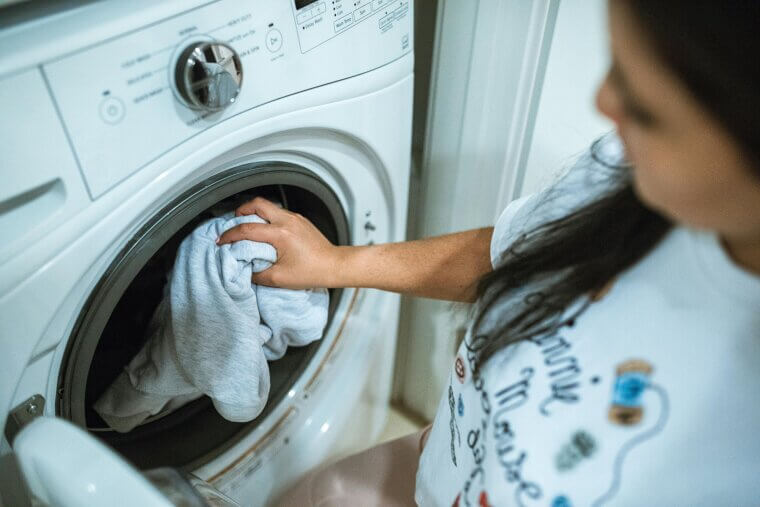
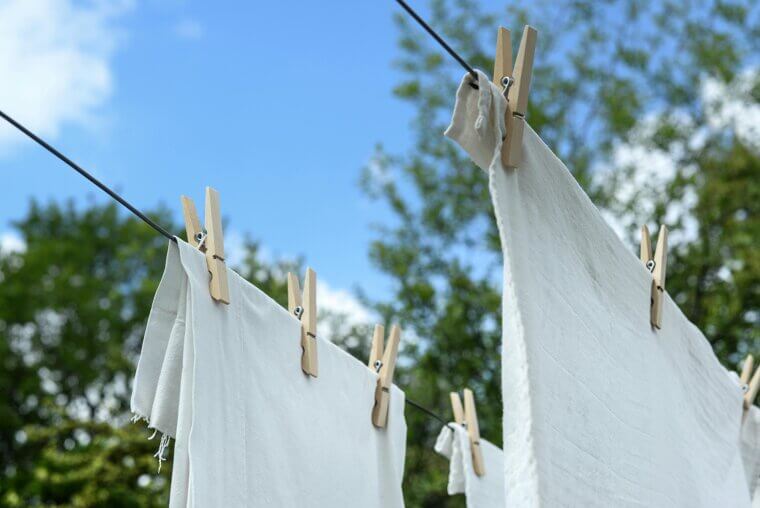
Sun-Drying Whites to Brighten and Lift Stains
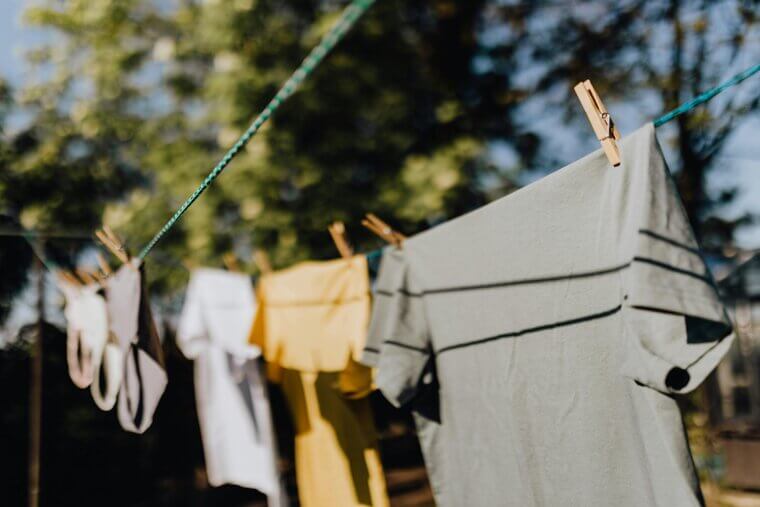
Sunlight is the original whitening hack. Wash the item, then hang it in direct sun while it’s still damp. UV light from the sun helps break down stain pigments, especially sweat, food, and that gray “old towel” look. The hack is to aim the stained area directly at the sun and let it do the work. Flip it once so it dries evenly. This works best on whites and light colors. Skip it for dark fabric unless you enjoy surprise fading.
Bonus: sun-dried sheets feel crisp in a way a dryer can’t copy. And it costs absolutely nothing. If you live in an apartment, a sunny window rack still counts, and it won’t even annoy the neighbors.
Bonus: sun-dried sheets feel crisp in a way a dryer can’t copy. And it costs absolutely nothing. If you live in an apartment, a sunny window rack still counts, and it won’t even annoy the neighbors.
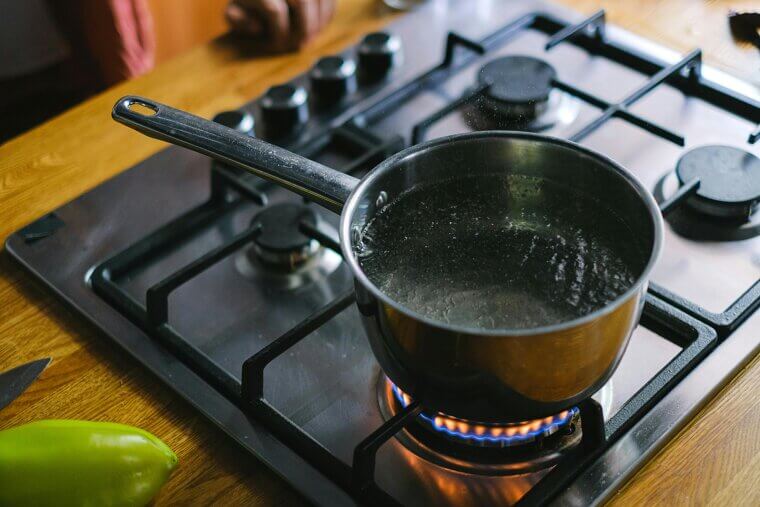
Boiling Water for Sturdy Grease and Oil Stains
Grease clings like it owns the place. For tough cotton items, boil water and carefully pour it through the stain from the back side. The heat melts the oil so it can move out of the fibers. Afterwards, follow with a squirt of dish soap, then wash as usual.
Keep this trick for towels, work shirts, and plain tees. Avoid synthetics and anything labeled “cold only.” Boiling water is aggressive, so only use it on tough fabrics. Wear gloves if you are clumsy with hot water. Also, keep kids and pets far away during the pour.
Keep this trick for towels, work shirts, and plain tees. Avoid synthetics and anything labeled “cold only.” Boiling water is aggressive, so only use it on tough fabrics. Wear gloves if you are clumsy with hot water. Also, keep kids and pets far away during the pour.
Baking Soda Paste for Odor, Deodorant, and Grime
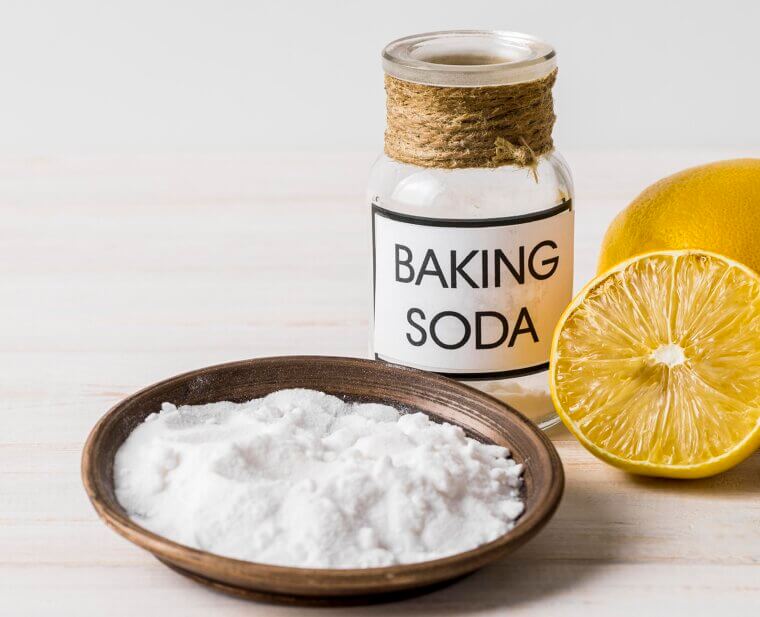
Baking soda is cheap, boring, and brutally effective. Mix it with a little water to make a paste, then rub it into armpit stains, deodorant buildup, and dull-looking fabric. Let it sit for 20 to 30 minutes. Brush it off and wash thoroughly. Baking soda lifts grime and neutralizes odor without harsh fumes. For towels, toss a half cup into the wash drum to cut that “wet dog” smell. If your laundry has an attitude, baking soda will calm it down. Your nose will thank you later.
Lemon Juice and Salt for Yellowing on Light Fabrics
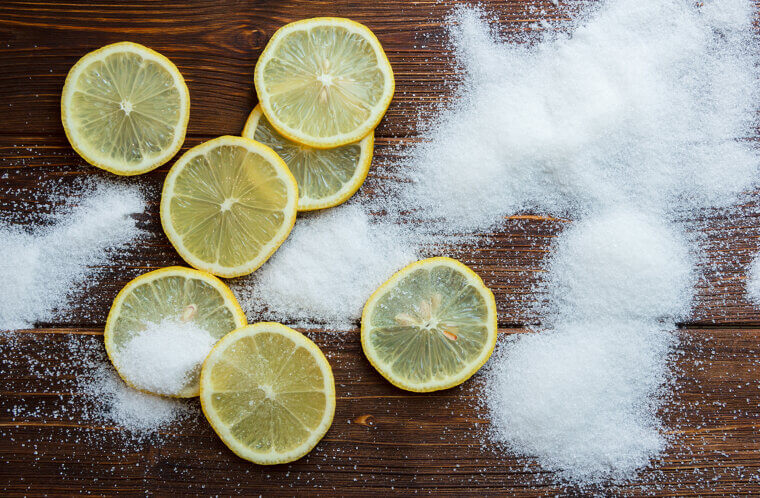
Lemon juice is a mild natural bleach. Squeeze it onto yellow sweat marks, add a pinch of salt, and rub gently. Let it sit for 15 minutes, then rinse and wash. If you can, let it sit in the sunlight for an extra lift. This works best on whites and pale colors. Test a hidden spot on anything dyed.
Lemons are friendly, but they can still mess with weak color. The upside: your shirt smells clean, not like you tried to drown it in perfume. It’s like lemonade, but for laundry.
Lemons are friendly, but they can still mess with weak color. The upside: your shirt smells clean, not like you tried to drown it in perfume. It’s like lemonade, but for laundry.
Bar Soap Scrubbing for Collars, Cuffs, and Rings
Collars and cuffs always seem to get dirty first. Sweat, skin oil, and daily wear build up there faster than anywhere else, even when the rest of the shirt looks fine. That’s where plain bar soap comes in.
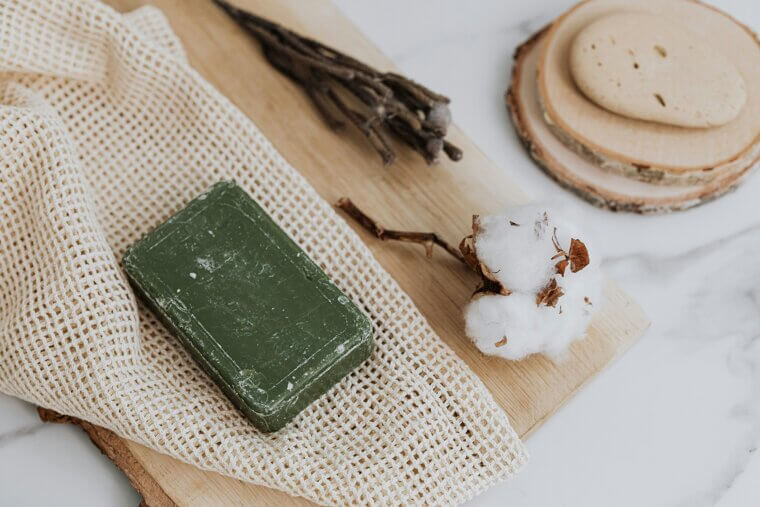
Wet the fabric, then rub the soap directly over the dirty area. Work it in with your fingers or a soft brush. Let it sit for about ten minutes, then wash as usual. It’s an old trick, but it still works. That ring around the collar isn’t a mystery or a curse. It’s just life. Soap and a bit of elbow grease handle it faster than most store-bought sprays. Cheap, boring, and effective. Exactly how laundry should be!
Wet the fabric, then rub the soap directly over the dirty area. Work it in with your fingers or a soft brush. Let it sit for about ten minutes, then wash as usual. It’s an old trick, but it still works. That ring around the collar isn’t a mystery or a curse. It’s just life. Soap and a bit of elbow grease handle it faster than most store-bought sprays. Cheap, boring, and effective. Exactly how laundry should be!
Salt Soaks for Fresh Wine, Blood, and Sweat
Salt is a great first responder when the stain is still fresh. For blood and sweat, soak the item in cold water with a heaping spoon of salt for 30 minutes. For red wine, blot first, then cover the area with salt before soaking. Salt helps pull moisture and pigment out of fibers. After soaking, rinse and wash normally.
This works best on fresh stains, not on the ones that have already settled in. It’s a quick-response fix, not a time machine. The longer you wait, the harder the stain becomes to remove.
This works best on fresh stains, not on the ones that have already settled in. It’s a quick-response fix, not a time machine. The longer you wait, the harder the stain becomes to remove.
White Vinegar Rinses for Musty Towels and Mildew
If towels smell like a basement, vinegar is your reset button. Add one cup of white vinegar to the rinse cycle, or run a hot wash with vinegar and no detergent. It breaks down residue, cuts odor, and helps restore absorbency. Follow with a second wash using detergent only. Do not mix vinegar with bleach. Mixing those two creates fumes you do not want in your house. The vinegar smell fades as it dries. What’s left is a towel that smells like nothing, which is perfect. Clean should smell like nothing at all. If you want scent, add it after, not during the rescue.
Cornstarch as a “Dry Sponge” for Fresh Grease
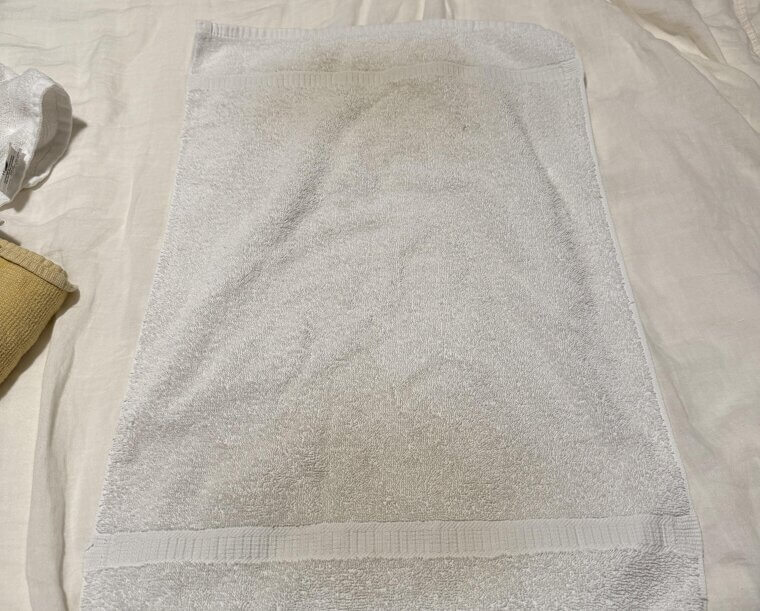
For fresh grease, skip water first. Water and oil team up to make stains harder. Cover the spot with cornstarch and let it sit for 15 minutes. It absorbs the oil like a tiny powdered sponge. Brush it off, then rub dish soap into the area and rinse with warm water. Wash normally after that.
This trick is great for pizza drips, butter accidents, and sleeves that mysteriously meet engine bays. The key is catching it early, before the stain settles in and gets comfortable. Fresh stains fear dry powder.
This trick is great for pizza drips, butter accidents, and sleeves that mysteriously meet engine bays. The key is catching it early, before the stain settles in and gets comfortable. Fresh stains fear dry powder.

Dish Soap Pre-Treat for Cooking Oil and Makeup
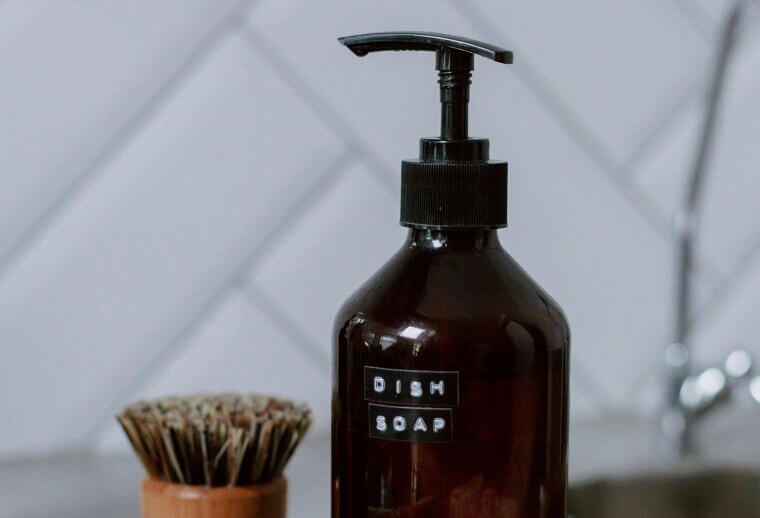
Dish soap is built to cut grease, and that’s exactly what makeup and cooking oil are. Put a drop on the stain, add a few drops of warm water, and work it in with your fingers. Let it sit for five to ten minutes. Rinse, then wash. This is especially useful for foundation on collars, lipstick on cuffs, and salad dressing splatter. Use clear dish soap if you can. Blue dye plus a white shirt is a comedy you don’t need. Keep it simple and let the soap do the heavy lifting. Rinse well so it doesn’t leave any residue.
Hydrogen Peroxide for Whites and Light Colors
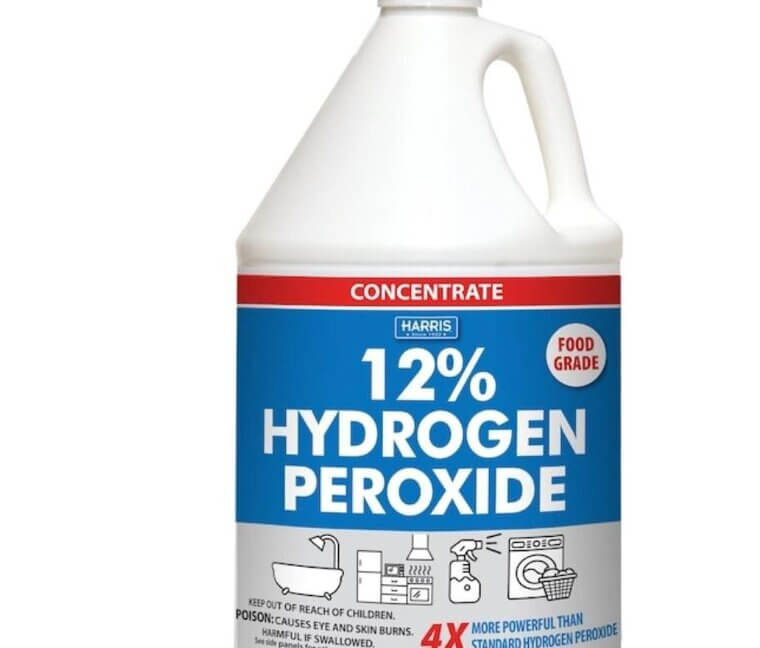
Hydrogen peroxide is one of those boring bottles that quietly saves shirts. For light fabrics, dab a little 3% peroxide on the stain, let it fizz for a minute, then rinse. It’s great on blood, sweat, and a lot of food marks.
Do a quick spot test first, especially if the fabric is dyed. Peroxide can fade color, and it won’t be subtle about it. Skip it on dark clothes unless you are fine with a “sun-faded” look. Use a small amount, check the spot, and repeat if needed.
Do a quick spot test first, especially if the fabric is dyed. Peroxide can fade color, and it won’t be subtle about it. Skip it on dark clothes unless you are fine with a “sun-faded” look. Use a small amount, check the spot, and repeat if needed.
Hand-Scrub the Spot Before the Machine Takes Over
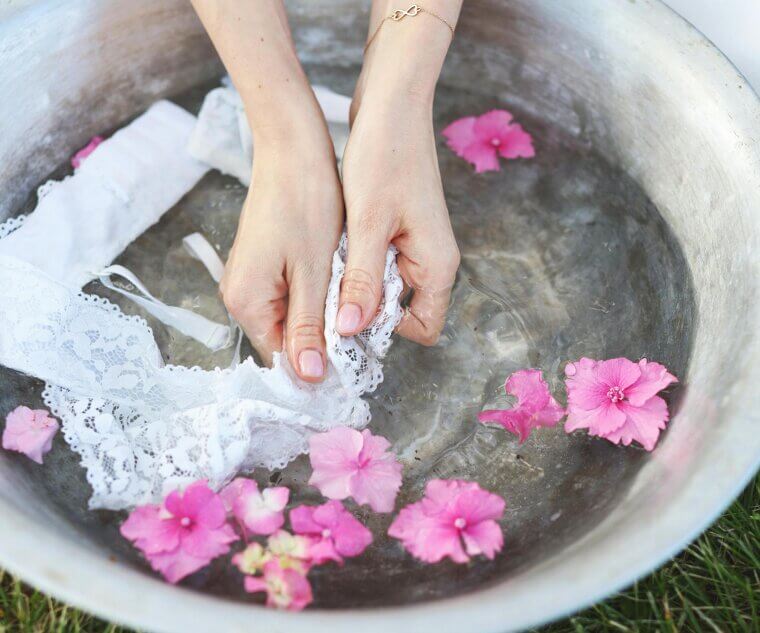
Washing machines are powerful, but they can’t fix a stain you never dealt with. Tossing in a dirty shirt and hoping for the best is a gamble. Before it goes in, wet the spot, add a little detergent or soap, and rub the fabric against itself for about 30 seconds.
For stubborn marks, a toothbrush works better than most sprays. Rinse it out, then wash as usual. This quick step keeps stains from setting during the cycle and saves you from rewashing the same load. A little effort upfront beats doing laundry twice.
For stubborn marks, a toothbrush works better than most sprays. Rinse it out, then wash as usual. This quick step keeps stains from setting during the cycle and saves you from rewashing the same load. A little effort upfront beats doing laundry twice.
Air-Dry First to Confirm the Stain Is Gone
Dryers are efficient, but they are ruthless. If a stain survives the wash, dryer heat can lock it in for good. That’s why the old rule still matters: air-dry stained items the first time. Hang the shirt up and check it in bright light before it goes anywhere near heat.
If you still see a faint shadow, treat it again and rewash. It’s boring, yes, but it works. This quick pause beats the frustration of pulling a freshly folded shirt out later and realizing the stain is now permanent. If sunlight can’t find it, you are in the clear.
If you still see a faint shadow, treat it again and rewash. It’s boring, yes, but it works. This quick pause beats the frustration of pulling a freshly folded shirt out later and realizing the stain is now permanent. If sunlight can’t find it, you are in the clear.
A Toothbrush for Targeted Scrubbing in Tight Areas
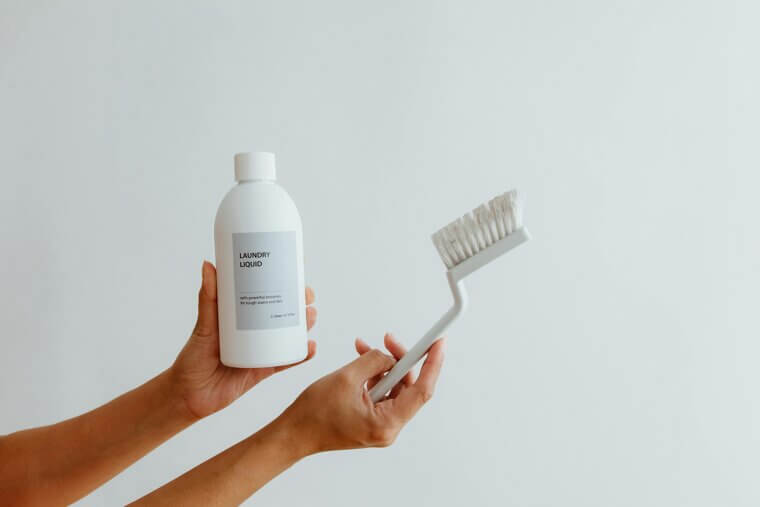
A clean toothbrush is one of the best stain tools you will ever own. It’s small, controlled, and perfect for working soap or baking soda paste into seams, cuffs, and stubborn spots that fingers can’t reach. Scrub in tight circles with steady pressure. You want friction, not shredded fabric. This works especially well on grass stains, ring marks, and grimy shirt edges. Keep it clearly labeled “laundry” so nobody makes a tragic mistake at the sink. It’s a simple trick, but it feels oddly satisfying when it works. Sometimes the smallest tool really does the smartest job.
The Old Rule: Don’t Destroy the Shirt!
Old-school laundry wisdom is simple: don’t try to win a stain war by destroying the fabric. Two gentle rounds usually work better than one aggressive chemical attack, especially on colored clothes. Treat the stain, wash it, check the result, and repeat if needed. Use mild soap and the right water temperature instead of reaching for bleach right away.
Heavy stain removers weaken fibers and fade dye faster than most people realize. Clothes that technically look clean but feel ruined aren’t a win. Stains give up when you stay patient and consistent. Your favorite hoodie will last a lot longer if you treat it like clothing, not an enemy.
Heavy stain removers weaken fibers and fade dye faster than most people realize. Clothes that technically look clean but feel ruined aren’t a win. Stains give up when you stay patient and consistent. Your favorite hoodie will last a lot longer if you treat it like clothing, not an enemy.