You Are Skipping Lawn Cleanup
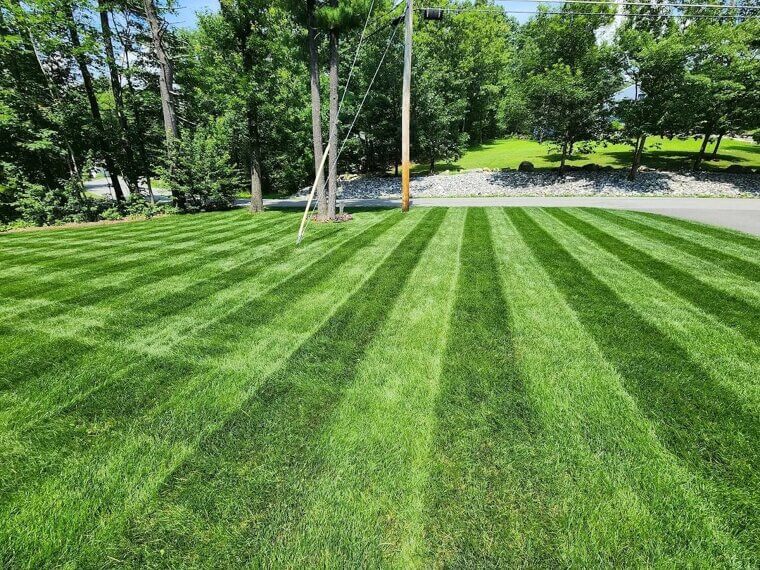
Sticks, debris, and old clippings left on the lawn make it look neglected and inhibit the growth of healthy grass. For a good lawn cleanup, clear away any clutter on your lawn. This will allow our grass to grow evenly while providing an aesthetic appeal. Sometimes the lawn does not need major work, just a good cleanup to look dramatically better.

You Are Cutting the Grass Too Short
Even though scalping your lawn may appear to save time, it is actually more stressful for the grass and invites weeds. Grass that has been cut too short is more likely to dry out quicker and become yellow. One solution to scalping is to raise your mower blade and cut more often. Taller grass has more shade, retains moisture longer than short-cut grass, and within a couple of weeks, will start looking much greener.
You Are Watering at the Wrong Time of Day
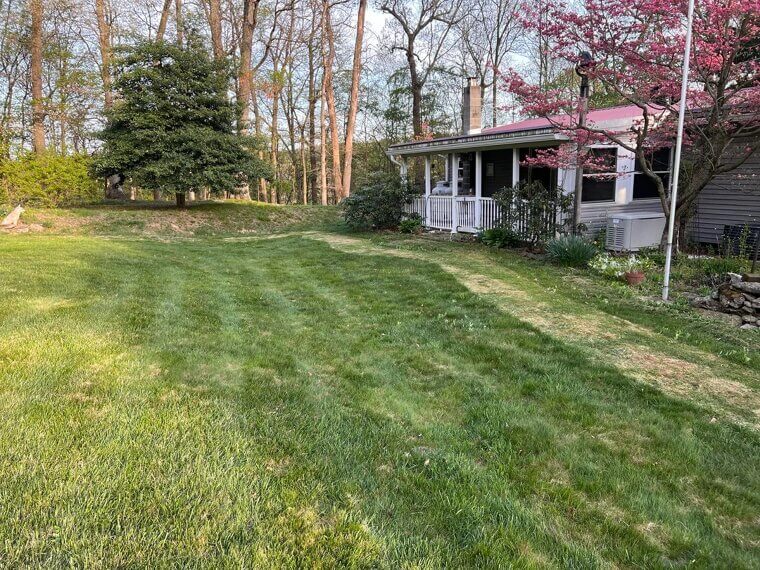
Watering in the middle of the afternoon wastes a lot of moisture to evaporation, while watering late at night can invite disease. The best time to water your lawn is early in the morning. When you water in the early morning hours, it gives your grass' roots adequate time to absorb the moisture before the heat of the day. With regular morning watering, you will see significant improvement in colour and thickness.

Your Soil Is Compacted
If the ground feels hard and water pools on top, you probably have compacted soil. Grass roots struggle to breathe in packed dirt. The quickest way to remedy compacted soils is core aeration, even with a simple rental machine. Once holes are opened up, water and nutrients reach roots again, and the lawn often perks up surprisingly fast.

You Are Using Dull Mower Blades
Dull blades tear grass instead of cutting it cleanly. That leaves brown tips and makes the whole lawn look ragged. Sharpening blades is a quick win that shows results almost immediately. Clean cuts heal faster and reflect light better. Just this small fix can make your lawn look healthier after one or two mows.
You Are Ignoring Fertilizer Timing
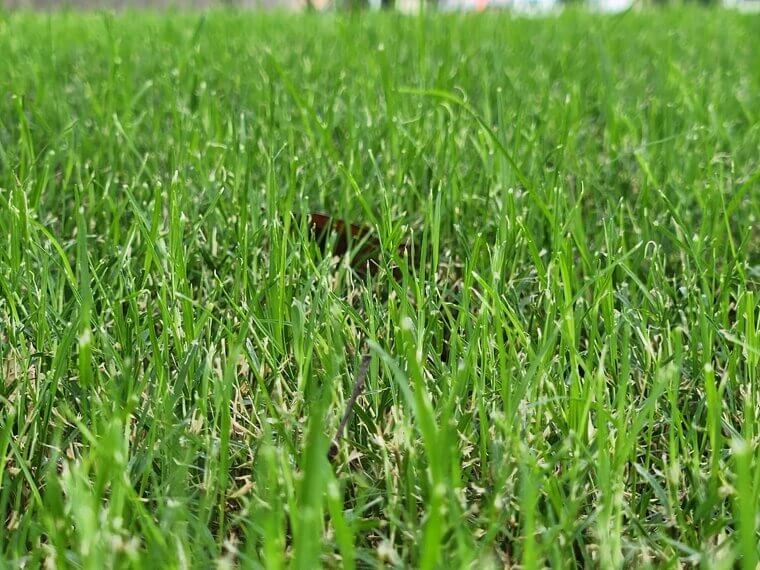
Fertilizer works best when applied at the right time for your grass type. Random feeding can lead to weak growth or burned spots. A fast fix is using a balanced fertilizer during the active growing season. Follow the label closely. Within a couple of weeks, color improves, and bare spots start filling in.
Weeds Are Stealing All the Space
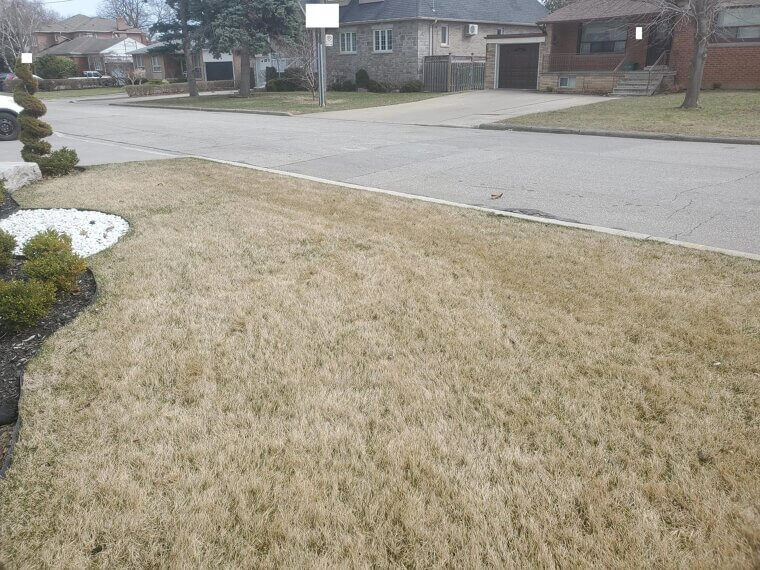
When weeds take over, grass does not stand a chance. They crowd roots and soak up water and nutrients. A quick fix is spot treating with a selective weed killer or pulling them while the soil is moist. Once weeds are gone, grass often rebounds fast, especially if you follow up with proper watering and a light feeding.
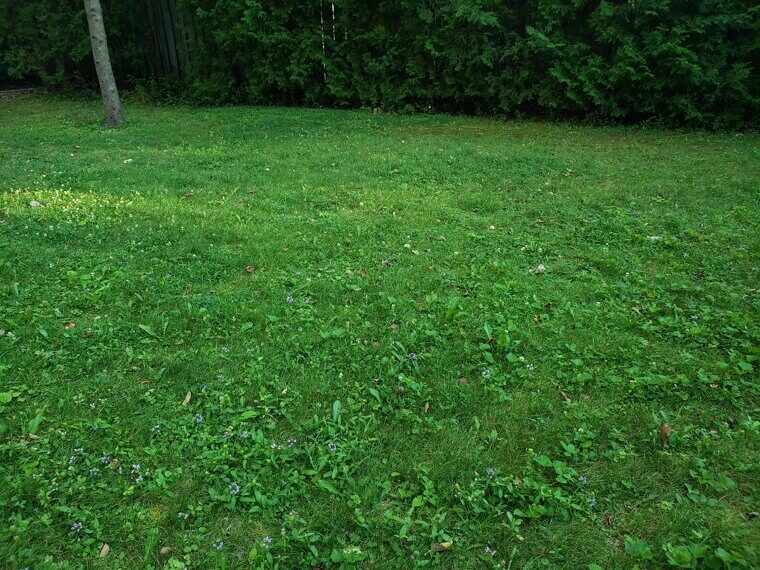
You Are Not Overseeding Bare Spots
Bare patches make a lawn look rough, even if the rest is healthy. Grass does not magically fill in on its own. The fastest fix is overseeding those areas and keeping them lightly moist for a couple of weeks. Fresh seed blends in quickly and can dramatically improve the look of your yard within a single growing season.
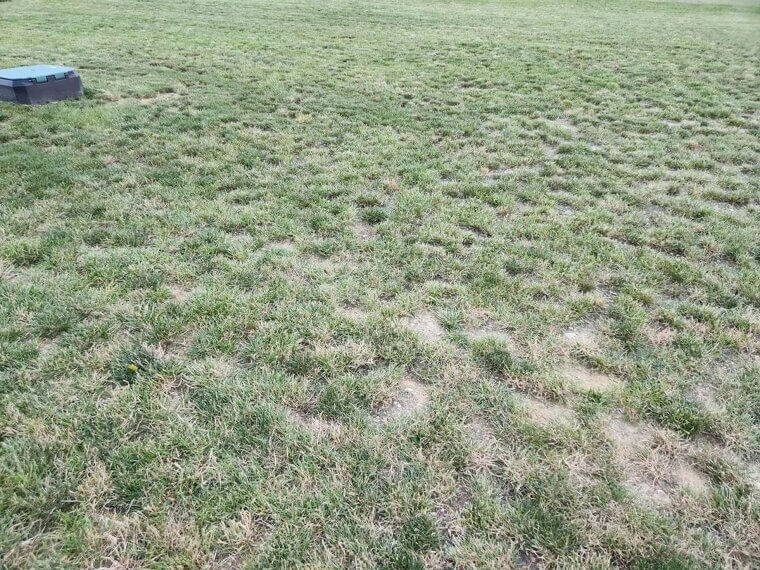
Your Lawn Needs More Sun Than It Gets
Grass struggling in shade turns thin and patchy. If trees or structures block sunlight, the lawn suffers. Consider trimming branches or switching to a shade-tolerant grass seed. Even gaining an extra hour of light can help grass thicken up and regain color faster than most people expect.
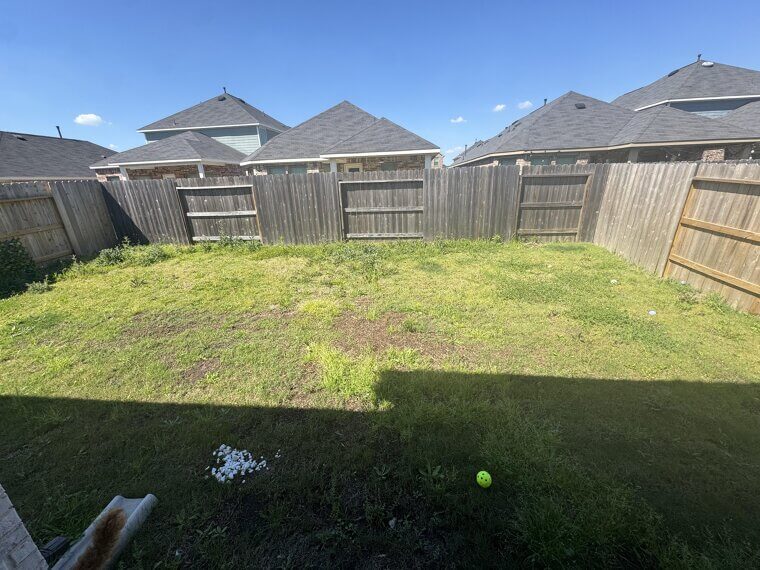
You Are Skipping Regular Feeding
Grass needs nutrients just like any other plant. If it looks pale or thin, it may simply be hungry. A quick fix is applying a slow-release fertilizer designed for lawns. Feed consistently rather than all at once. Within weeks, growth becomes thicker and greener, making the entire lawn look healthier almost overnight.

You Are Letting Thatch Build Up
Too much thatch blocks water and nutrients from reaching the soil. If the lawn feels spongy, thatch may be the issue. You should dethatch with a rake or machine. Once that layer is removed, grass responds quickly.
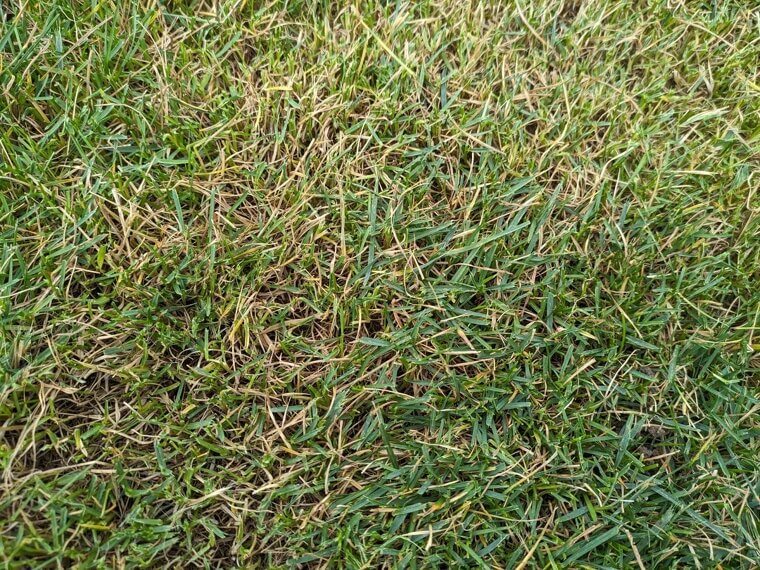
You Are Overwatering Without Realizing It
More water is not always better. Constantly soggy soil can drown roots and invite fungus. If the lawn looks patchy or smells musty, overwatering could be the cause. The fast fix is cutting back and watering deeply but less often. Grass roots grow stronger when they search for moisture, which improves color and thickness pretty quickly.
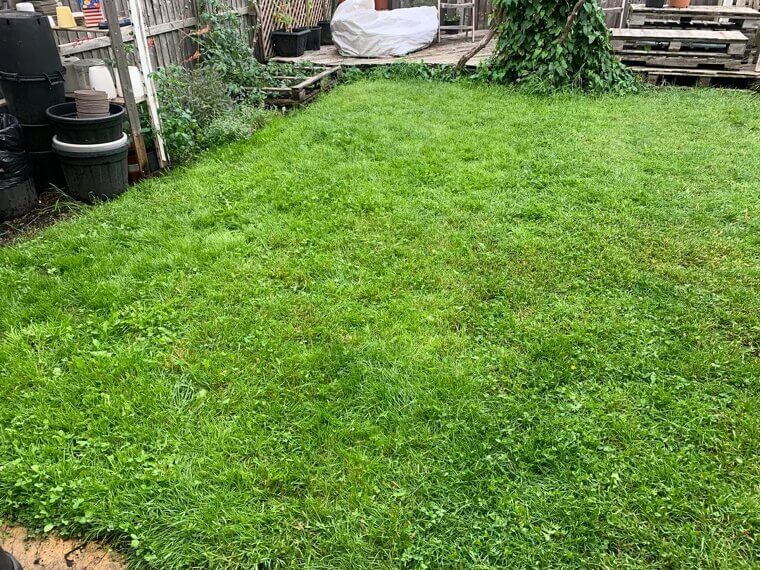
Your Grass Type Is Wrong for Your Climate
Planting the wrong grass for your region makes everything harder. Cool-season grass struggles in extreme heat, while warm-season grass hates cold snaps. If you have the right grass, maintenance gets easier, and the lawn naturally looks healthier with less effort.
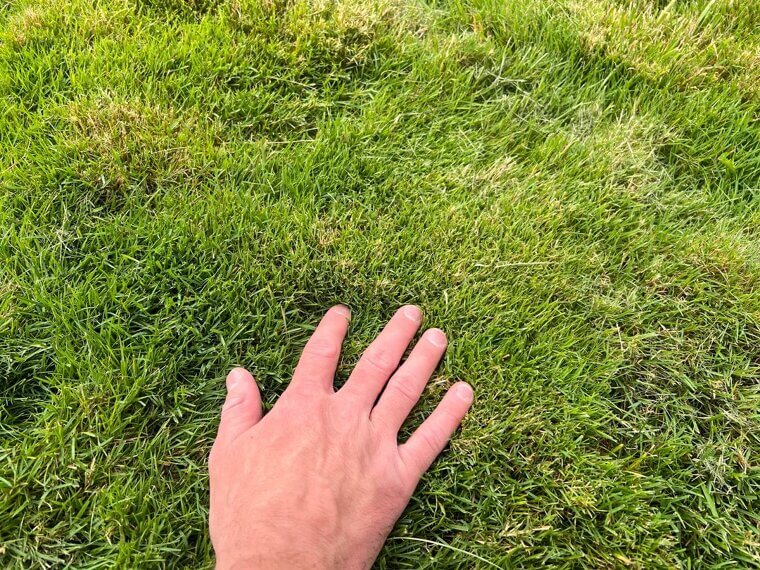
You Are Letting Leaves Smother the Grass
Fallen leaves block sunlight and trap moisture, which can kill grass underneath. Clearing them lets light and air reach the soil again. Grass often bounces back quickly once it can breathe and get proper sunlight again.
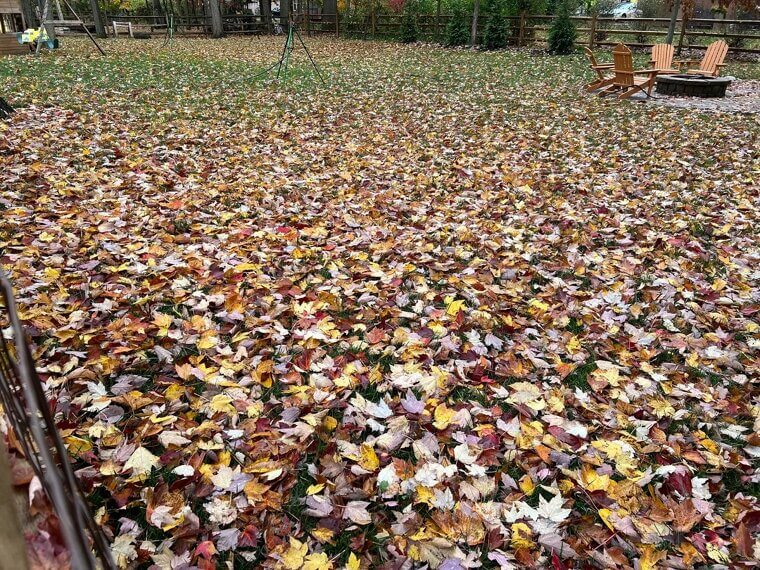
You Are Ignoring Soil PH Problems
Grass cannot absorb nutrients properly if the soil pH is off. Use a simple soil test kit and adjust with lime or sulfur as needed. Once pH improves, grass responds quickly and starts using nutrients efficiently.

You Are Mowing Too Infrequently
Allowing grass to grow too high before mowing can cause unnecessary stress on the lawn when you finally mow. Cutting a large amount of grass at once can harm the plant and cause browning. If you mow more frequently and follow the"one-third rule, the grass will remain in good health.
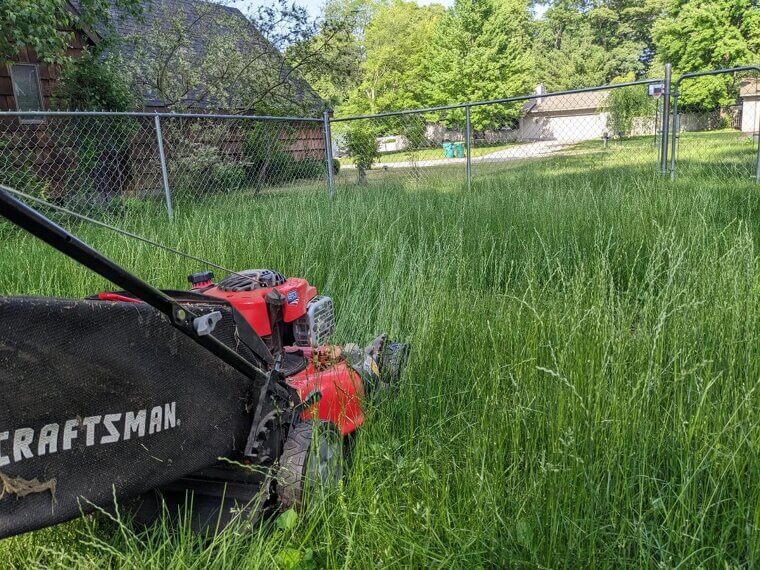
You Are Ignoring Pest Damage
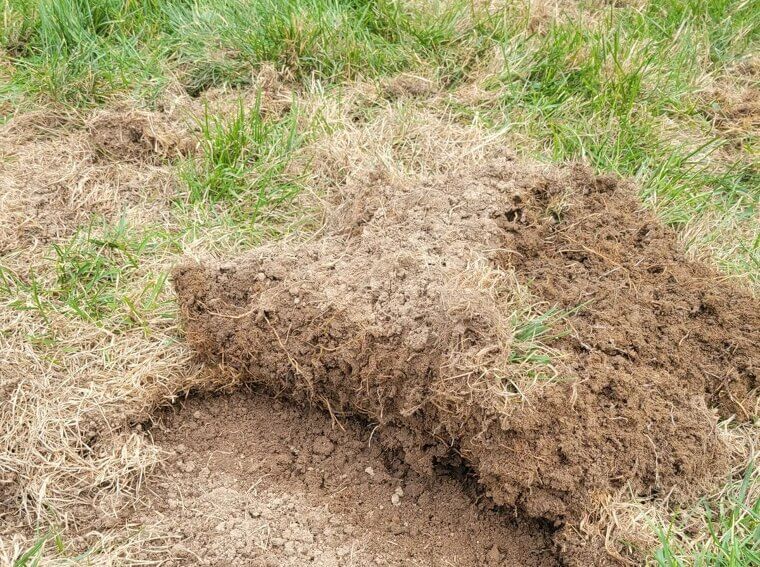
Pests, such as grubs, can quietly destroy roots. If the grass easily pulls away from the soil like carpet, you may have a problem with pests. Simply identify the pest and apply appropriate control measures. Stopping the damage early allows healthy grass to recover and prevents those ugly patches from continuing to spread.
You Are Not Edging Along Walkways
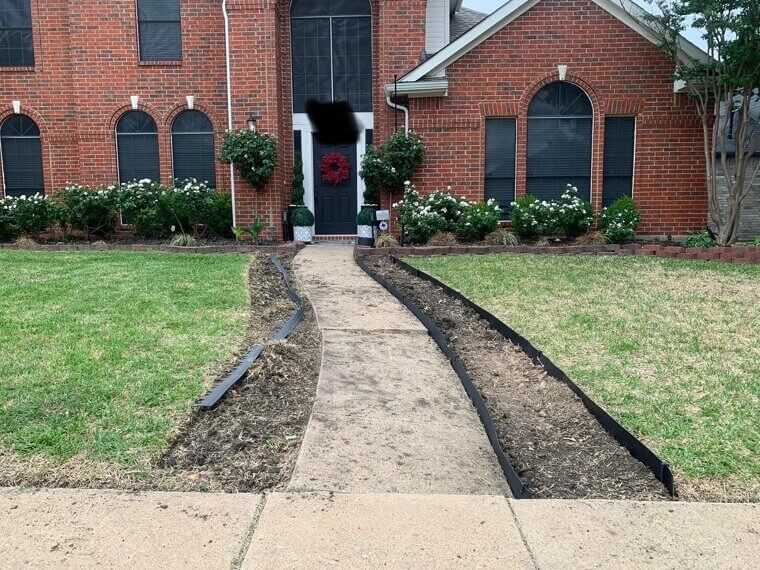
Even if the lawn is healthy, it can look unkempt when the edges aren't trimmed. When grass grows over sidewalks or driveways, everything looks overgrown and unkempt. Trimming the edges using a simple tool or trimmer gives the yard an instant polished appearance with defined edges.
You Are Using the Wrong Mower Height
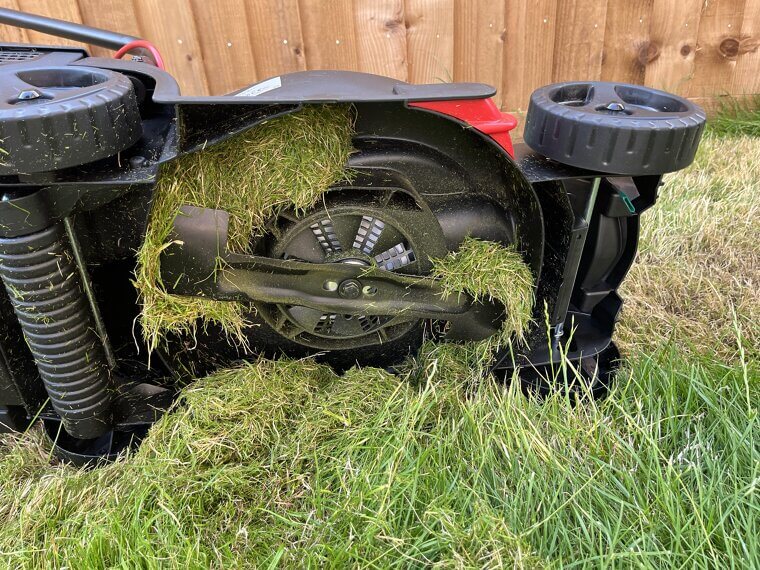
Different types of grass require different mowing heights. If the mower is set too low or too high, grass gets stressed and looks uneven. However, if you set your lawn mower to match your type of grass, it will quickly become even and appear thick and uniform.
You Are Expecting Instant Results
Lawn care takes patience, and being impatient could lead to getting frustrated and overcorrecting. You may end up throwing products at the lawn, which can make things worse. To get positive results, create a reasonable and simple routine for your lawn care, and give it the proper amount of time to work. Most improvements show within a few weeks.