
Seal Drafty Windows and Doors
One major way in which many homeowners spend unnecessary money is via heating and cooling during the winter and summer months. While nobody wants to be overly hot or cold, there are cheaper ways in which you can go about regulating your home's temperature, such as sealing off any drafty windows or doors. This can be done using caulk or weatherstripping.
Install Door Sweeps
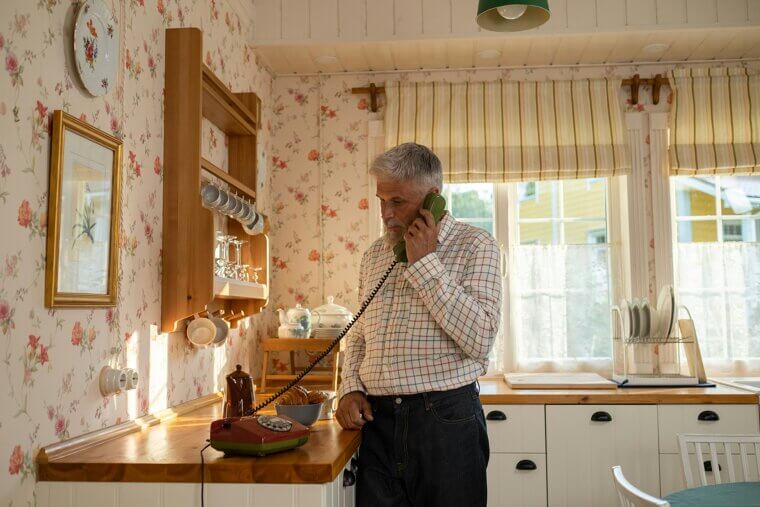
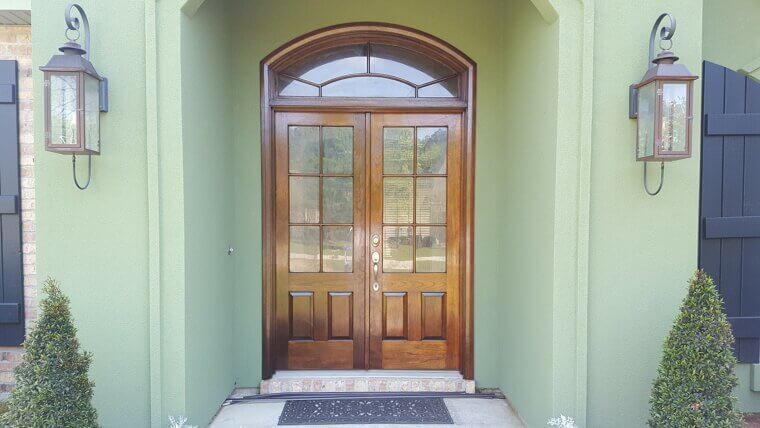
One simple way in which seniors can regulate the temperature of their home during weather extremes is by installing a door sweep on any exterior doors. This will block the cold air from coming in, as well as prevent warmer air from escaping. In the long run, this will be sure to save you an absolute fortune on your monthly electricity bill.

Add Thermal Curtains
Thermal curtains are a must when it comes to keeping your home warm during the night - especially during the colder winter months. They work by reflecting any heat inwards, preventing it from escaping out of any gaps or the glass panels. This way, you will no longer have to spend a fortune to run your heater every night.
Use Draft Stoppers
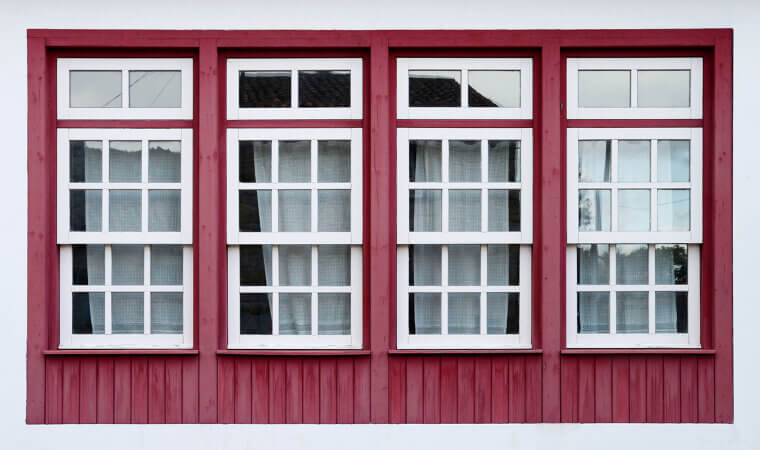
Draft stoppers are incredibly helpful when it comes to retaining warmth at night. They can be placed under window sills, as well as at the bottom of any door frames, and work by keeping the warmer air sealed in the room. The best part? It's completely free - other than the once-off cost of the stoppers, of course.
Insulate Electrical Outlets And Switch Plates
Another simple home fix that can save seniors a small fortune during the winter months is proper insulation - specifically electrical outlets and switch plates. This can be done using foam gaskets and will prevent any unnecessary electricity loss. It's also a relatively simple and budget-friendly, making it an easy money-saver.

Close Unused Rooms
If you have a heating device on, be sure to close all of the doors to the room that you are situated in. This way, you will prevent hot air from escaping to areas of the house where it is not needed. Heating devices use by far the most electricity to run and, by dispersing the air, you are essentially throwing money away.

Reverse Ceiling Fans
Have you ever wondered why you ceiling fan has a 'reverse direction' function? Well, as it turns out, it can be used to change the direction of airflow around the room. So, by changing the direction, you will push warm air down, adding additional heating to the room.

Install Programmable Thermostats
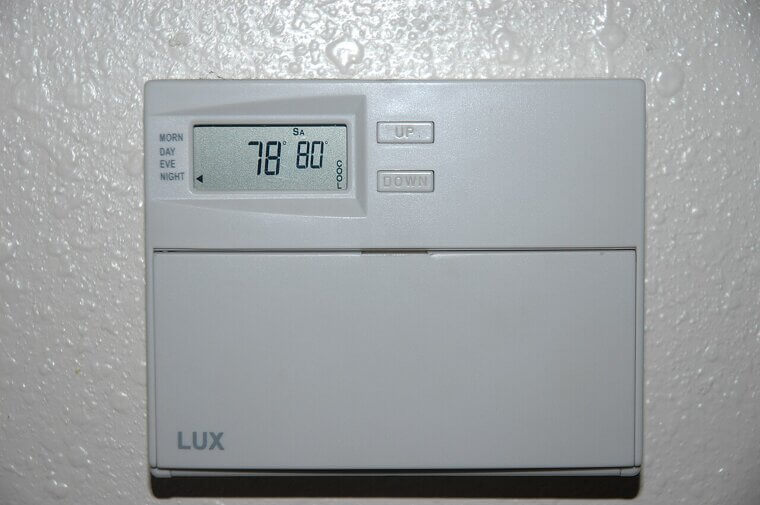
Programmable thermostats are a nifty tool to have when it comes to heating your home. With a regular thermostat, you may end up overheating, which is a massive waste of electricity. Remember that regulating your home's temperature is the biggest energy-user, so be sure to do it cautiously.
Clean and Service the Furnace
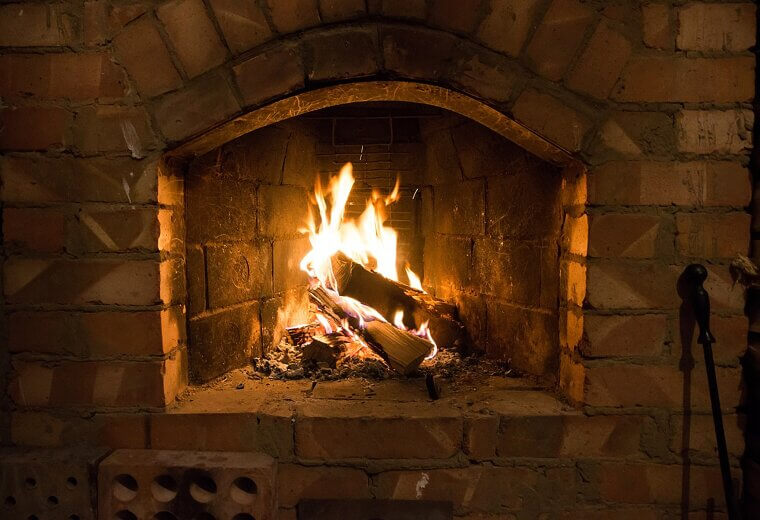
Why use an expensive electrical heating system when you can get the same effect from a fireplace? The best part? Other than the wood or gas used to start the fire, it's completely free! So, in order to ensure that you can start a fire this winter, make sure that your furance is properly cleaned out and serviced.
Bleed Radiators
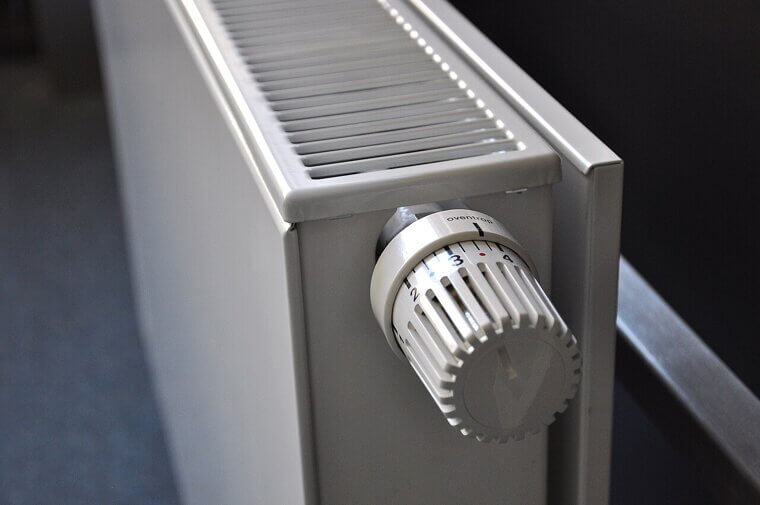
If you have a radiator in your home, it is essential that it is bled prior to the winter months. This will ensure even heating around your home and, in the long run, save you a small fortune on unnecessary electricity usage.
Check Smoke and Carbon Monoxide Detectors
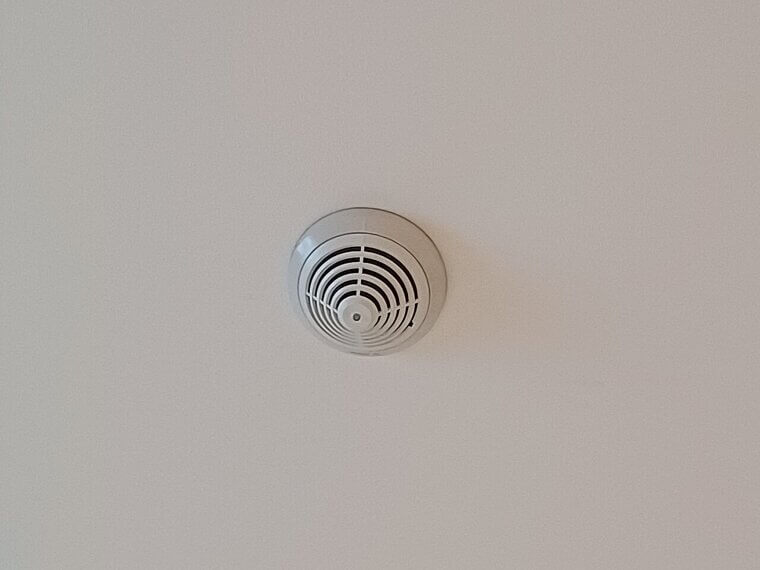
Most house fires occur in the winter months, as people forget to switch off their heating devices. For this reason, it is essential that you check the batteries in your smoke and carbon monoxide detectors - not only for your safety, but also to prevent any costly property damage or loss.
Insulate Exposed Pipes
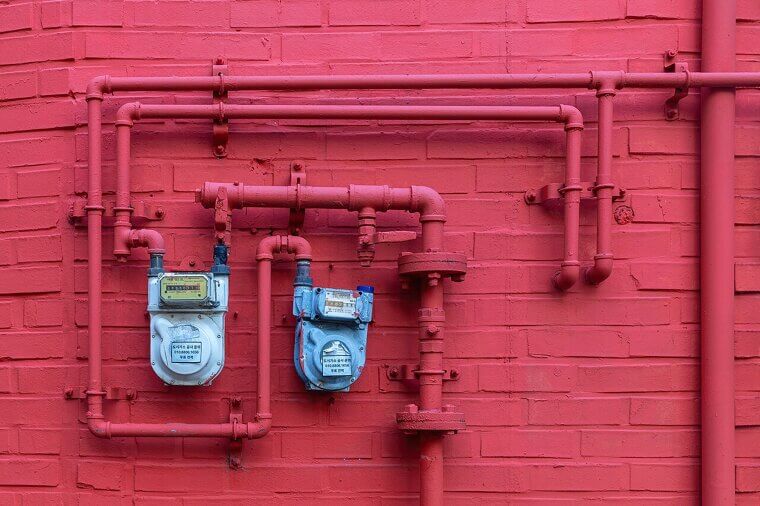
Exposed pipes not only lead to unnecessary heat loss, causing your water heater to work overtime, but they are also at risk of bursting or freezing during the winter months. It's easy enough to cover exposed pipes and, in the long run, it will end up saving you a whole lot of money.
Clear Gutters of Leaves
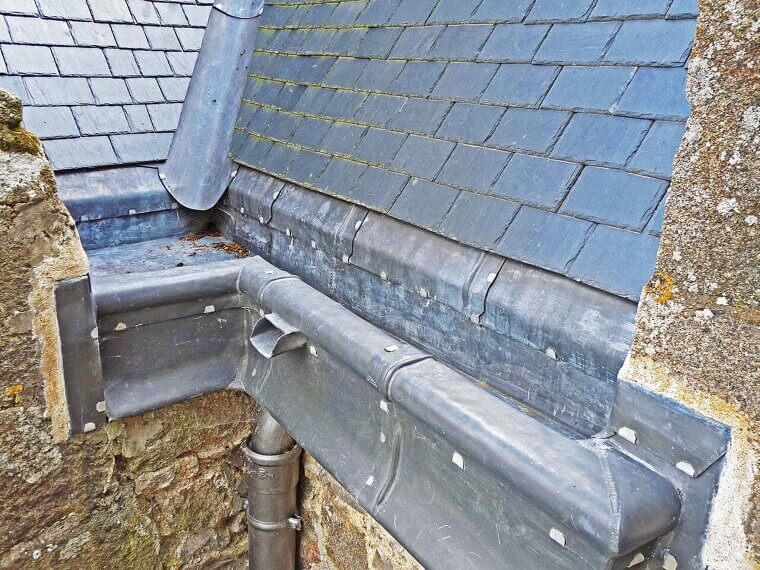
During the winter months, your gutters are likely to get clogged with leaves, ice and other debris. If you collect rain water for your home, having the gutters blocked can be a costly problem. More so, as the weight increases, your gutters may end up damaged and in need of repairs - which cost even more.
Check Roof Shingles
If you have a weak spot on your roof, heavy rain or snow can cause some serious damage. It's much cheaper and easier to fix a few shingles than it is to replace your entire roof! Be sure to solve the problem while it is still minor.
Trim Tree Branches
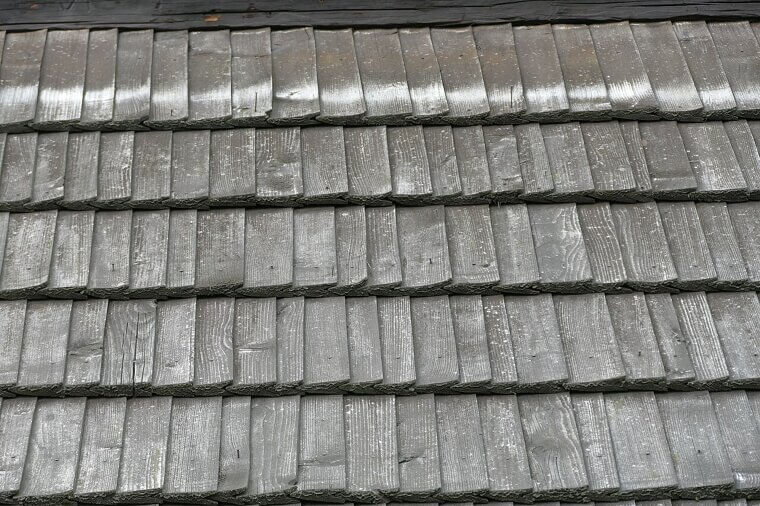
Having large tree branches close to your home can lead to some serious damage during the winter months. Heavy winds often cause the branches to shatter windows or damage parts of the house. In order to avoid this, be sure to trim any stray tree branches that seem a bit too close for comfort.

Use Area Rugs
Carpeted flooring is much better at retaining heat that wood or tiles. So, to help stay warm during the winter, use large area rugs in any room where you spend a ot of time.

Use Space Heaters Wisely
Heating devices use a lot of electricity, making them incredibly expensive to run for long periods of time. If you insist, however, be sure to only use it in occupied rooms.
Switch to LED Bulbs
LED light bulbs use less electricity than traditional ones. However, they still offer the same brightness, making them the obvious choice for seniors looking to cut down on costs this winter.

Cover Your Water Heater With an Insulating Blanket
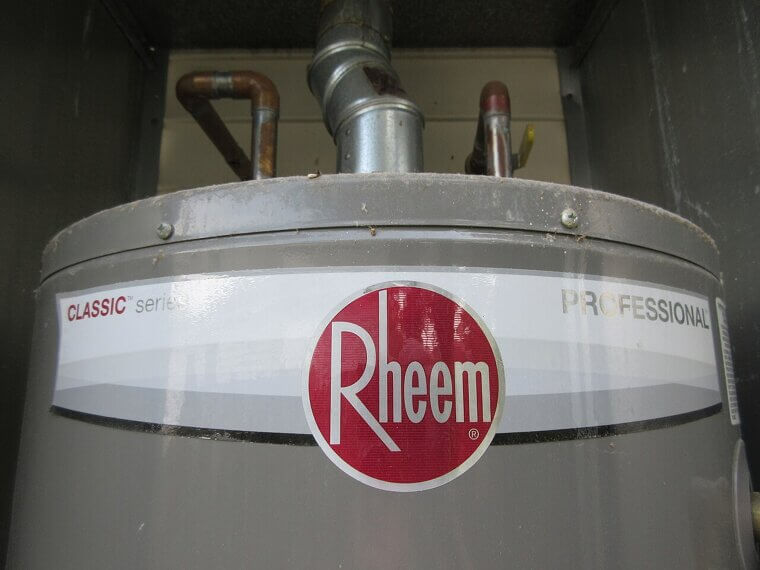
Water heaters lose a lot of heat and energy through convention. In order to prevent this, you can simply place a blanket over the heater to keep the hot air trapped, preventing any unnecessary electricity wastage.
Install Radiator Reflectors
By placing foil panels behind your radiator, the heat will be reflected inwards, preventing any unnecessary energy wastage. This way, the heat won't escape through walls or walls - it will remain trapped in your room, keeping the area nice and cozy during those cold winter months. Additionally, you will save decent money on your electricity bill every month, as your radiator won't have to work overtime.
