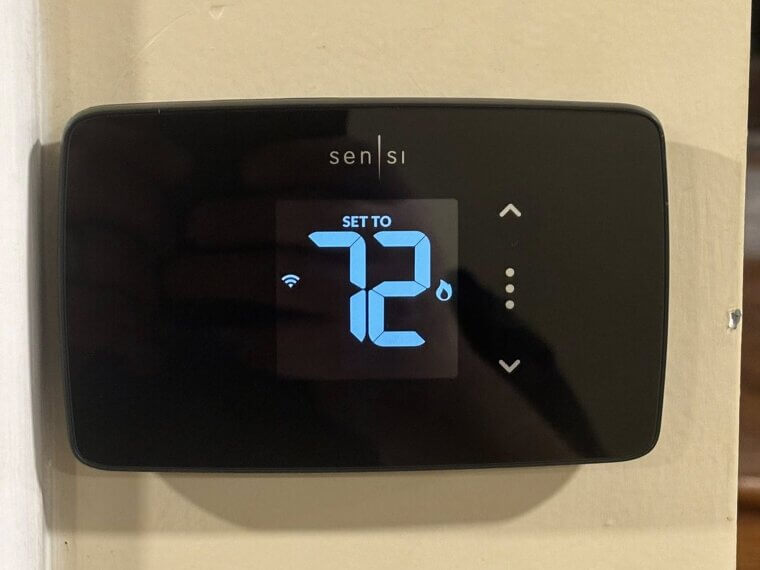
Smart Thermostats With Too Many Features
Professional installers are open to these product options for their client base, yet they regret purchasing them for their own homes. They attempt to program the item to their individual habits, yet they consistently fail to do so correctly. As a result, the house is either too cold at night or too hot during the day. The added menus, learning modes, and automation layers often work against simple comfort instead of supporting it. What should be a quick adjustment turns into scrolling through settings and second guessing the system. Many installers admit that a basic thermostat would have delivered more reliable comfort with far less daily frustration.
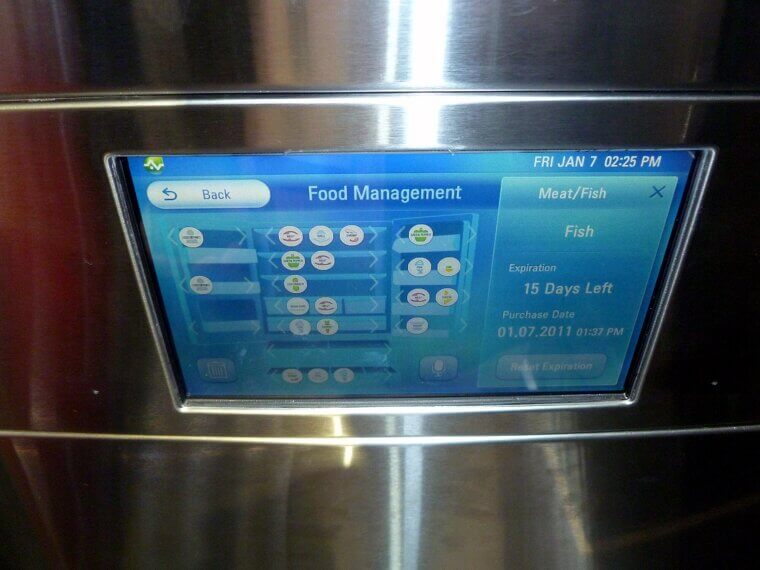
Smart Refrigerators
They look great on paper, but in practice, they're expensive screens that are more prone to damage than to useful operation. Software updates frequently have issues, app support is often discontinued, and a common use for these wifis is not connecting to a WiFi network.
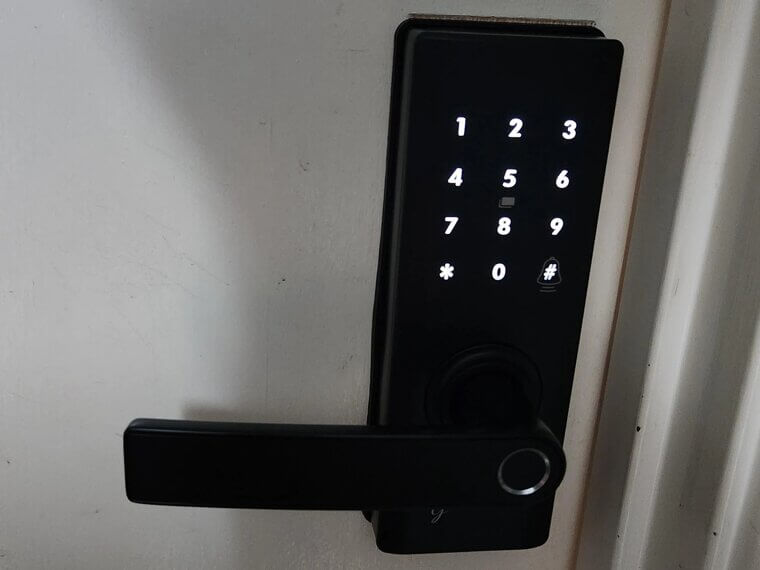
Smart Door Locks
These seem convenient until the battery dies at the worst possible moment. Installers hate them because they have been locked out of their own homes more than once. App glitches, delayed responses, and firmware bugs turn something simple into something stressful.
Smart Light Bulbs Everywhere
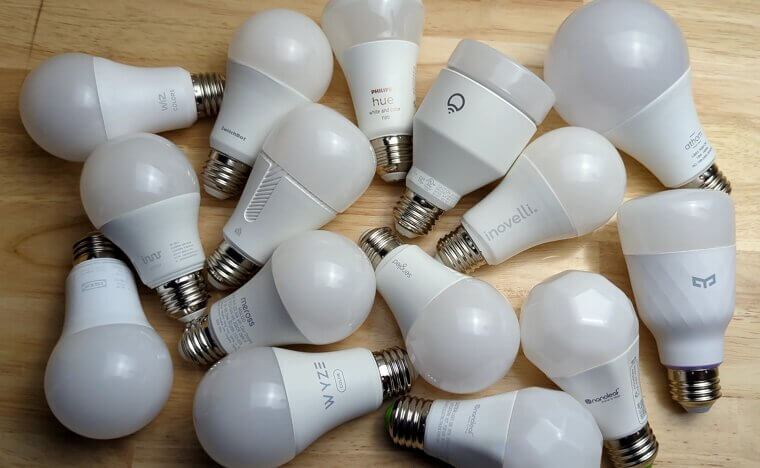
Having a few smart bulbs is great. However, filling your entire home with these devices is when many people come to regret it. The installers always mention the fact that they need to constantly reconnect them, and that the lights frequently go offline. Most guests are left confused when their switches do nothing as well.
Voice Assistants in Every Room
It can be fun to talk to your smart home device at first, but as soon as your device starts responding to things that you didn't say, this could easily get anyone annoyed. Some installers experience issues, such as random activation, privacy, and commands from adjacent rooms.

Smart Security Cameras Indoors
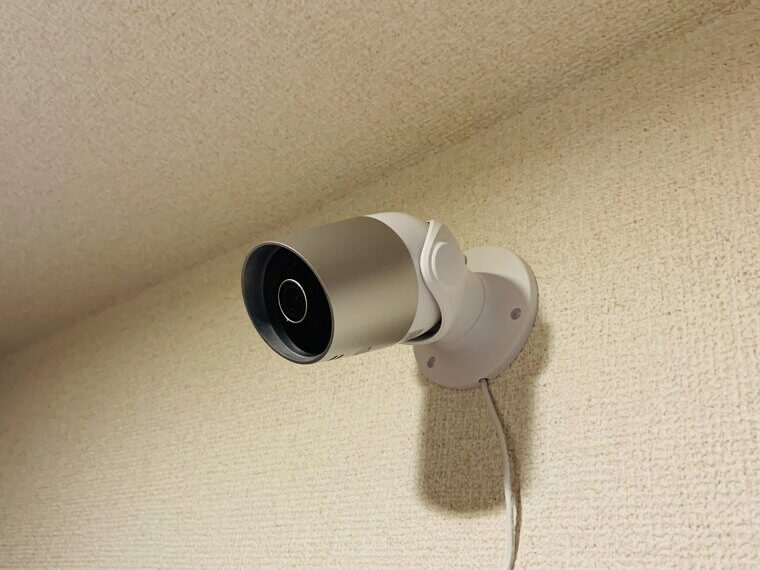
Many people install security cameras and other surveillance devices for peace of mind. However, after a while, the opposite occurs. You begin to feel as though you are being watched at home. You receive constant notifications about false motion detection alerts and worry that the video footage will remain on some server for all time.
Smart Garage Door Openers
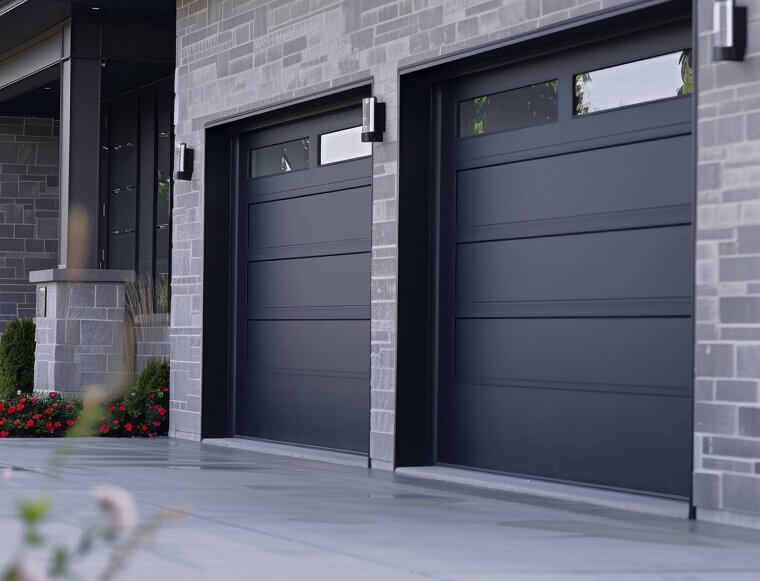
At first, this seems so simple. However, the app might stop working completely at the worst possible time, like when you're running late. Installers report problems with lag time, intermittent connections, and irrelevant notifications, such as the garage opening, even though you are aware that you are the one who opened it.
Smart Plugs on Essential Appliances
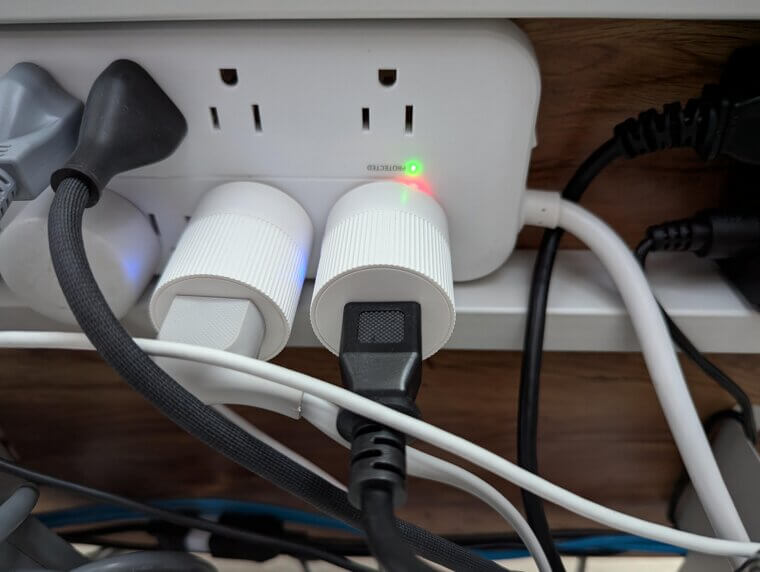
It is acceptable to utilize smart plugs with lamps. The problem occurs when used with household appliances such as refrigerators, routers, and heaters. Installers have learned the hard way that with one unintentional voice command or random glitch, a critical function of those appliances stops.
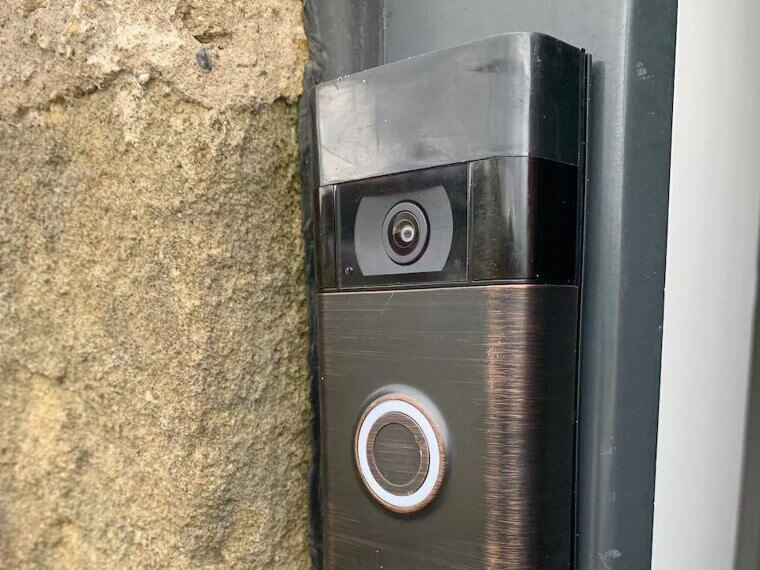
Smart Doorbells With Overactive Alerts
Constant notifications from this will make your phone ring nonstop. Passing cars, shadows, cats, even wind and rain can trigger alerts. This will often lead to you completely ignoring the notifications, which defeats the purpose of getting the notifications.
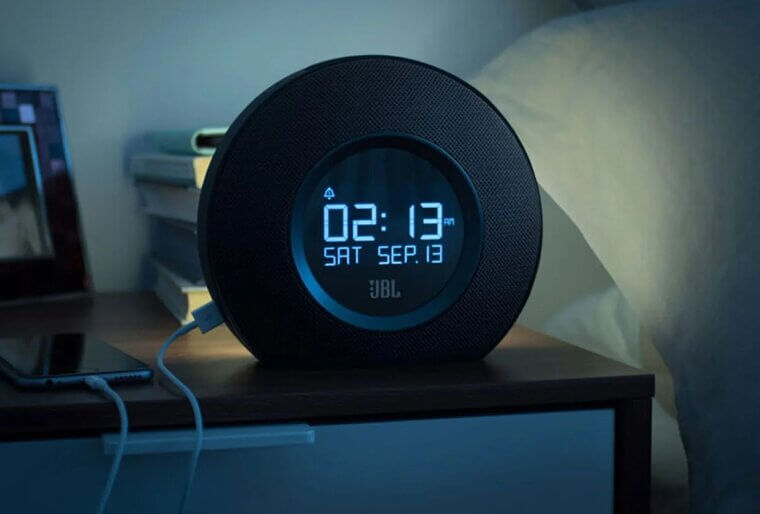
Smart Speakers as Alarm Clocks
Relying solely on a smart speaker as your alarm is great until there is a WiFi outage. Many installers have been late because their smart speakers did not wake them up when they were supposed to. Software updates, missed commands, and volume issues create many issues with these devices.
Smart Smoke Detectors
Even though they're supposed to provide safety and send notifications, many installers hate it when they receive false alarms. For example, you step out of the shower, and the steam causes your device to send out notifications to your phone, spouse, and sometimes even emergency services.

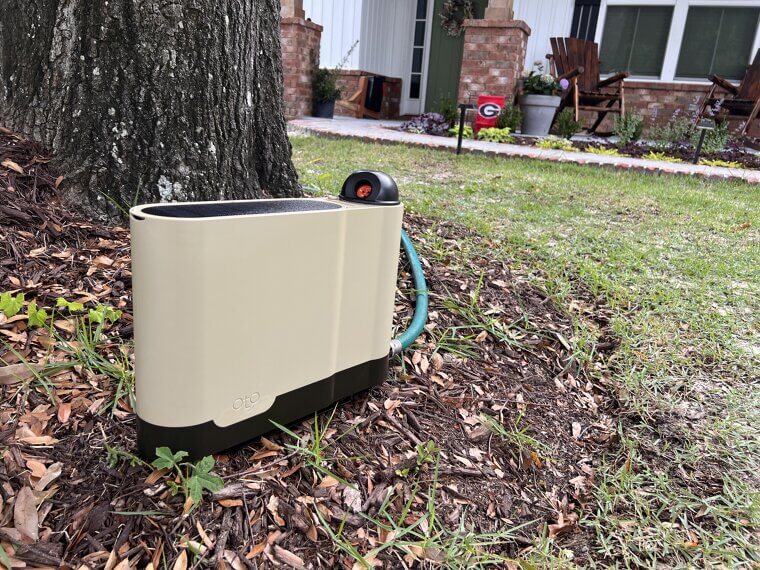
Smart Sprinkler Systems
This setup sounds like a necessary buy until it waters your lawn, even during a heavy downpour. The weather data is sometimes inaccurate or unavailable promptly. Each install also requires constant setting adjustment, and a WiFi drop means your watering schedule will be missed.
Smart TVs With Forced Updates
Smart TVs stop working at the worst times, which can be upsetting. You sit down to relax, and suddenly the TV demands an update. Apps change layouts, ads creep in, and features you are starting to get used to and enjoy could disappear.

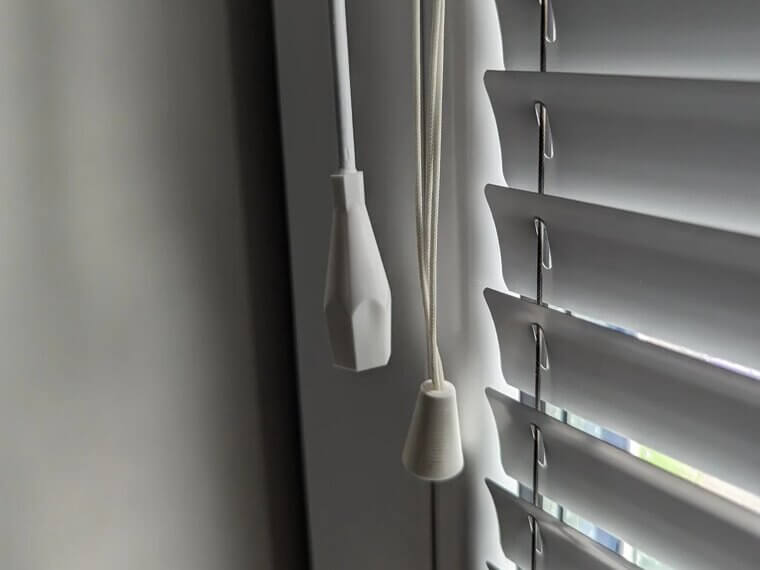
Smart Blinds and Curtains
These are great until the motors break down. Installers deal with noisy functionality, misalignment, and app lag. The worst party pooper is when one is stuck between full open and closed due to a power loss. Manually operating one as opposed to a quick touch of the phone will feel like someone is power struggling with high-end window fashions.
Smart Water Leak Sensors Everywhere
While it makes sense to have one or two, an abundance of them in the home creates alert exhaustion. The installer starts to rue the constant low battery notifications and random moisture detection from ambient humidity levels, causing the user to become desensitized by these alerts and later ignore all notifications, which is a risk.

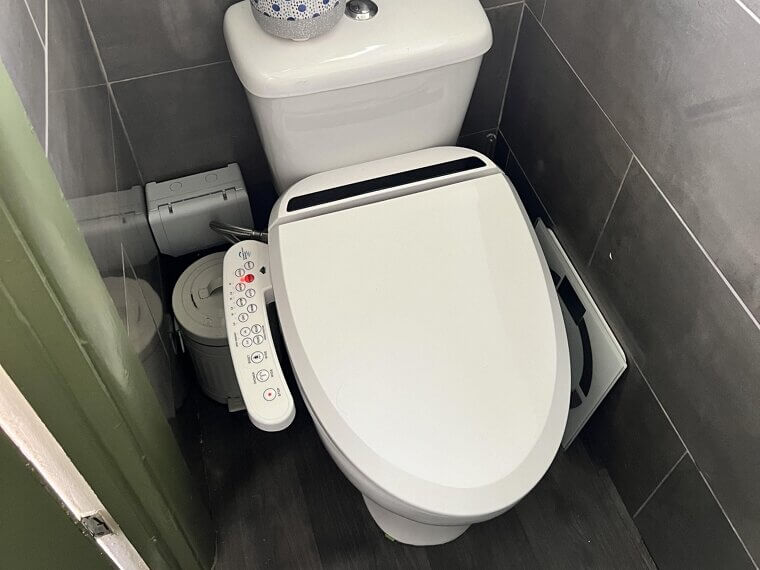
Smart Toilets
These toilets are beautiful right up until the time to repair them. Once you are involved with the actual working of the toilets, you will see how difficult they are when you have sensors that go off randomly, heat seats that quit heating, and plumbing software issues. When they break, the cost and complications of fixing them are overwhelming.
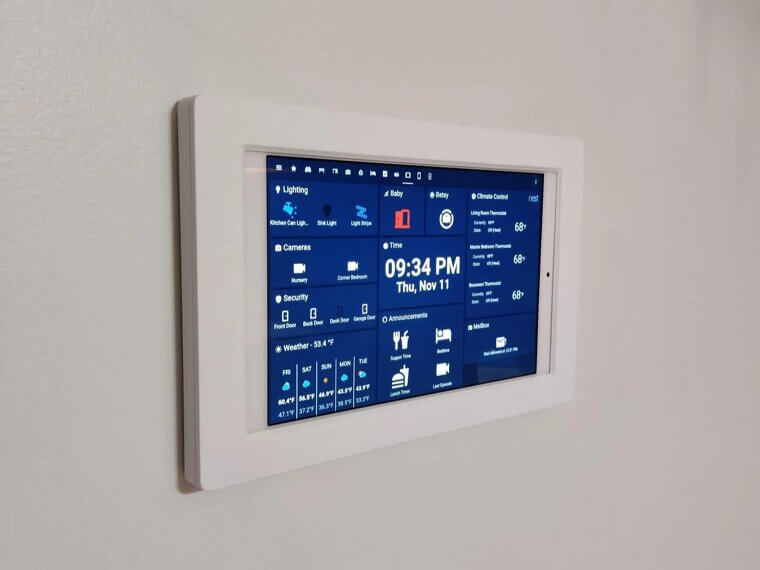
Smart Home Control Panels
Many people see a wall-mounted control screen as a new, futuristic design, when in reality, it can look terrible with time. Most installers regret using these types of screens because their software and support generally end a few years after installation, rendering the screens slow, unresponsive, and displaying outdated layouts.
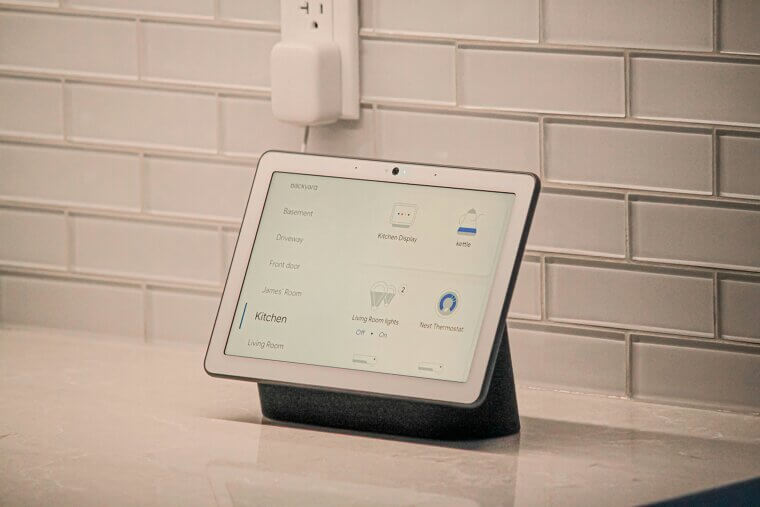
Smart Appliances That Require Subscriptions
Devices that require ongoing monthly charges have caused mostly headaches, as opposed to the solutions they are meant to be. To have to pay in order to access features that you have already purchased seems unreasonable. The loss of function that accompanies both price increases and equipment service suspensions is distressing.
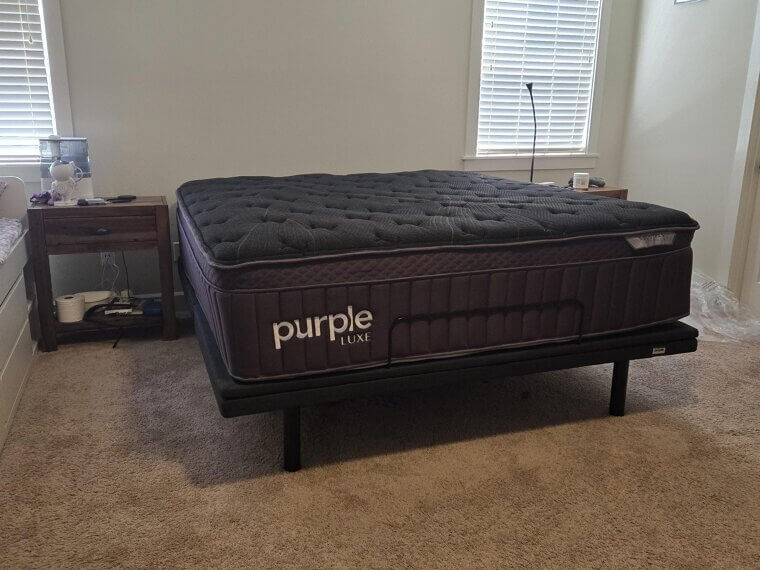
Smart Beds and Sleep Trackers Built In
When sleep becomes a performance review, what is supposed to be a solution becomes the problem. Bad readings cause anxiety, sensors malfunction, and updates change results overnight. You start worrying about scores instead of resting. Sleep is supposed to be relaxing, not another app telling you to do better.
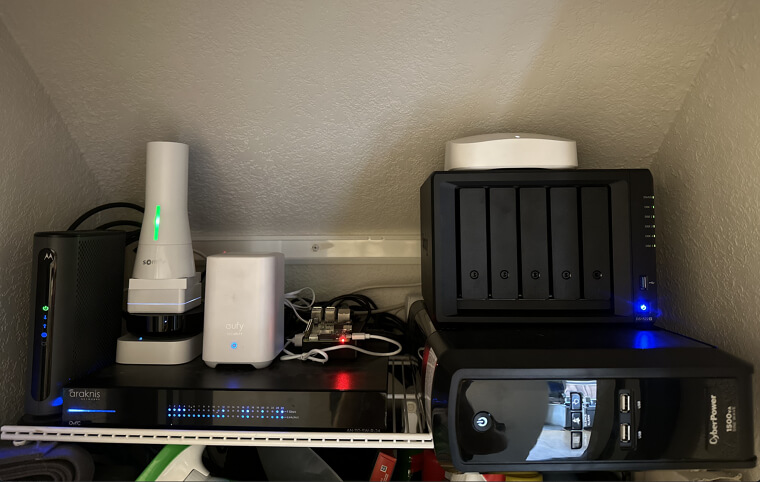
Smart Home Systems That Depend Entirely on the Internet
When the internet goes down, the house falls apart. Installers regret building systems that cannot function locally. Lights fail, locks freeze, and controls stop responding. You realize you traded reliability for convenience. At that moment, a regular switch and a physical key feel incredibly comforting.