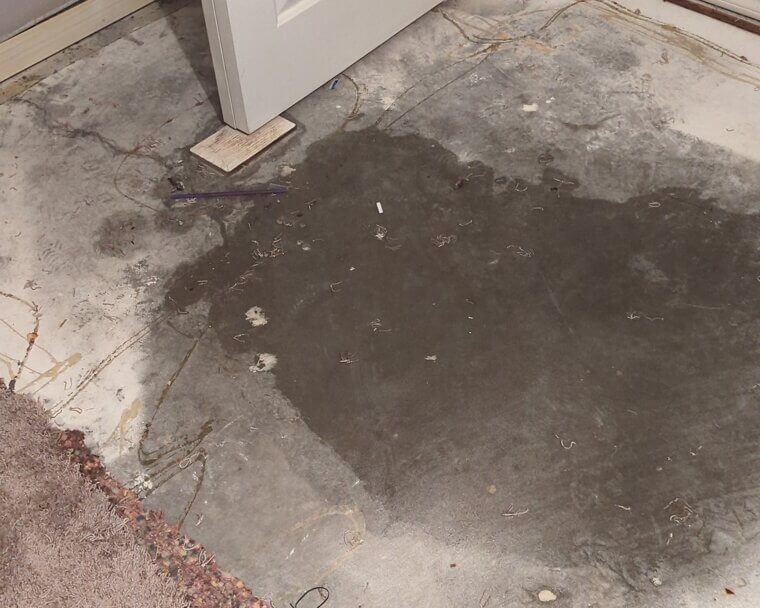
Storing Shoes Without Letting Them Air Out
Shoes can look totally dry and still be full of moisture from sweat. When they go straight into a closet or storage bin, that dampness gets trapped. Dark, closed spaces are exactly what mold loves. Let shoes air out completely first. Open racks or breathable organizers help keep smells away and prevent mold from quietly taking over your footwear.
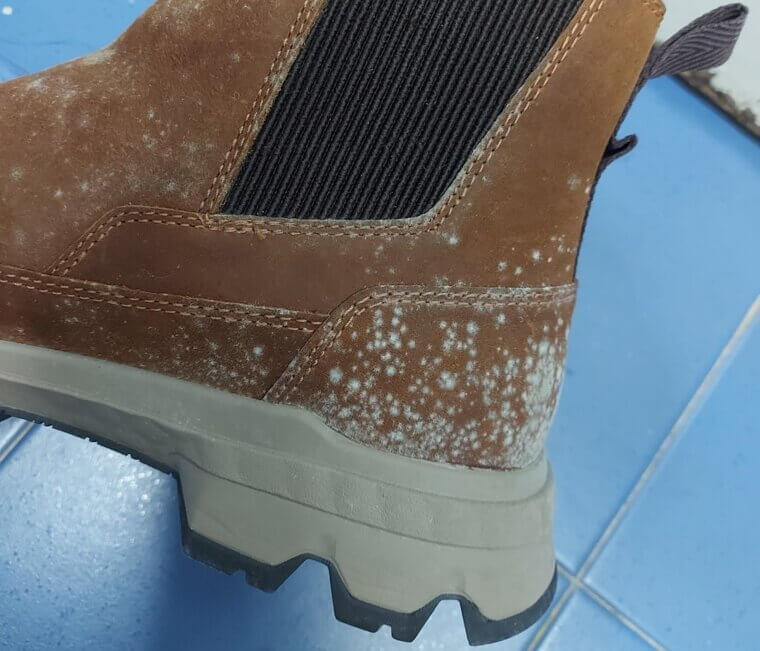
Storing Clothes in Plastic Bags
Although plastic bags are easy to use and help keep dust away, they also trap moisture. Any humidity already in the fabric cannot escape, resulting in moist conditions that attract mold growth over time. When you eventually bring out clothes stored in plastic bags, they usually have a musty smell or worse. Instead of using plastic, it is better to use breathable containers such as fabric bins or garment bags, which help circulate air and keep clothing smelling fresher.
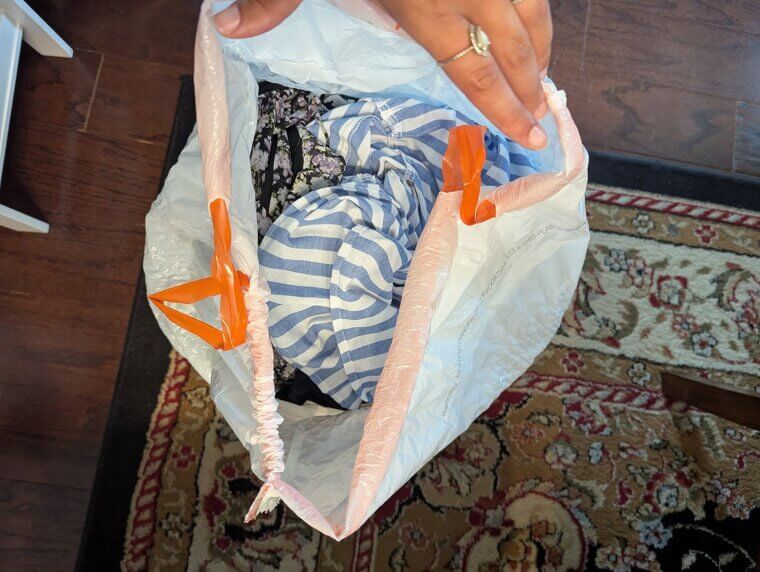
Pushing Furniture Tight Against Walls
Air cannot circulate freely when furniture is pressed against the wall. It is especially hard for moisture to escape from exterior walls where it is trapped in a confined space, and that space becomes an ideal breeding ground for mold. By moving furniture just a few inches away from the wall, airflow can occur, and this can prevent the growth of mold in areas you can’t see.

Storing Items in Damp Basements
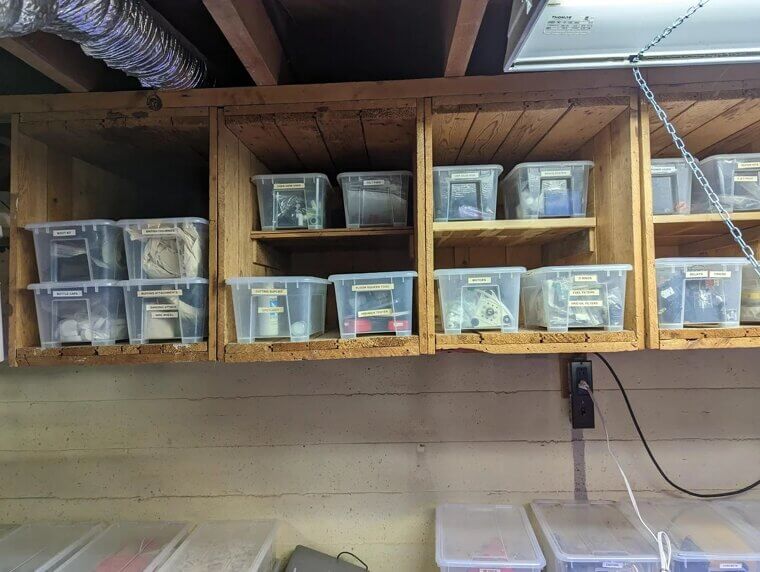
Basements feel harmless, but they hold moisture even when everything looks dry. Cardboard boxes and fabric items slowly soak that humidity up without you noticing. Before long, mold has a perfect place to grow. It is frustrating to discover damage later. Using a dehumidifier, raised shelves, and breathable plastic bins helps keep air moving and protects your stuff from turning musty and ruined.
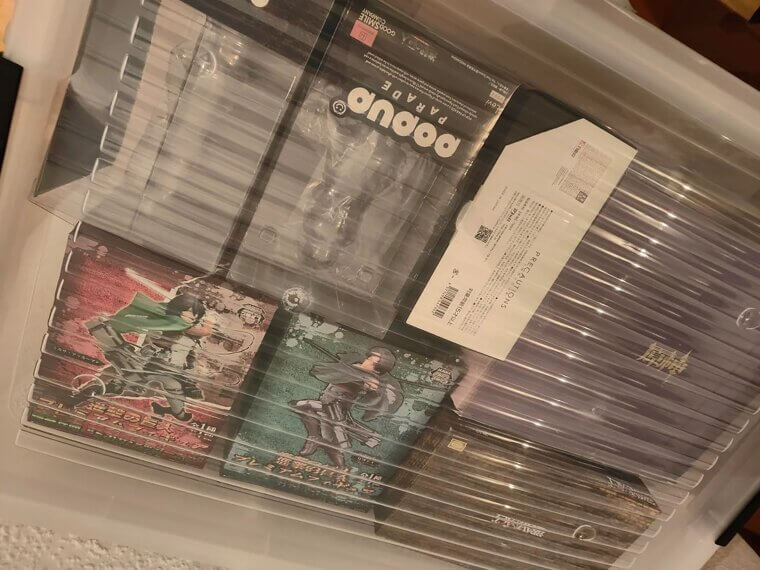
Leaving Wet Items in Storage Bins
Throwing slightly damp towels, shoes, or gear into bins seems harmless. That leftover moisture gets trapped and lingers. Mold loves dark, enclosed spaces like that. Always dry items completely before storing them. It feels tedious, but it saves you from opening a bin later and being hit with that awful smell.
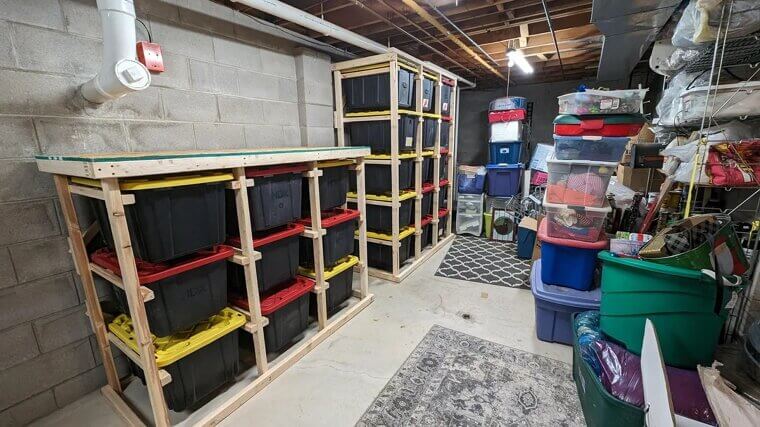
Using Cardboard Boxes for Long-Term Storage
Cardboard absorbs moisture easily and holds onto it. In humid spaces, boxes soften and start growing mold without much warning. Plus, mold feeds on paper. Switching to plastic bins with ventilation or moisture absorbers keeps stored items safer and prevents unpleasant surprises when you finally open them.
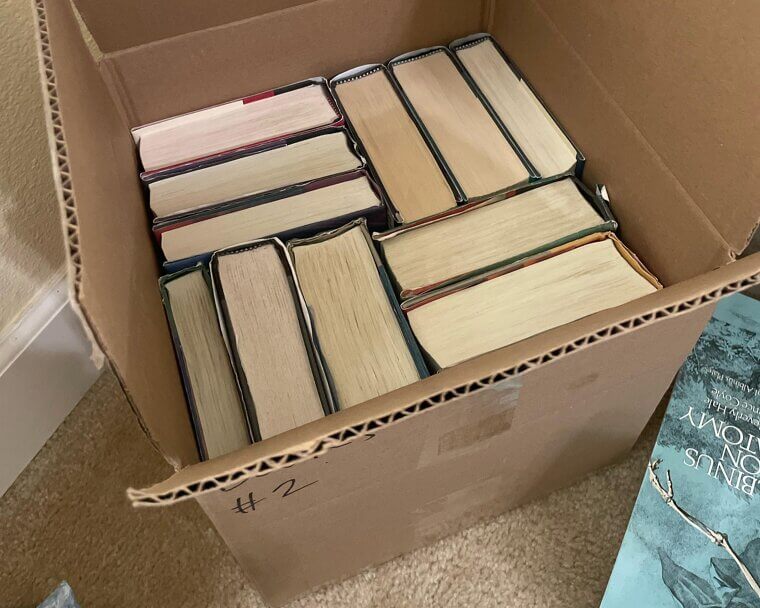
Overstuffing Closets
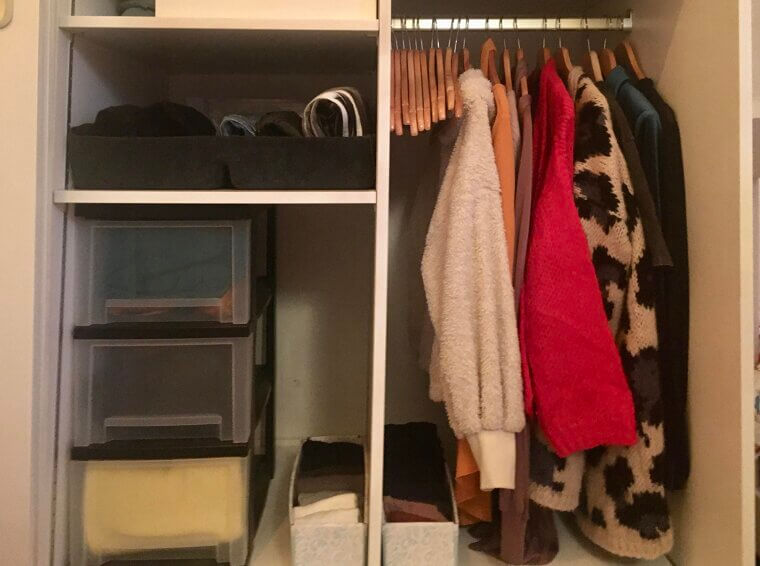
Stuffing every inch of a closet feels efficient, but it causes problems fast. When clothes are packed too tightly, air cannot move between them. Any leftover moisture just hangs around, especially after humid days. That creates a perfect setup for mold. Giving clothes some space and opening the closet now and then helps everything dry properly and smell much fresher.
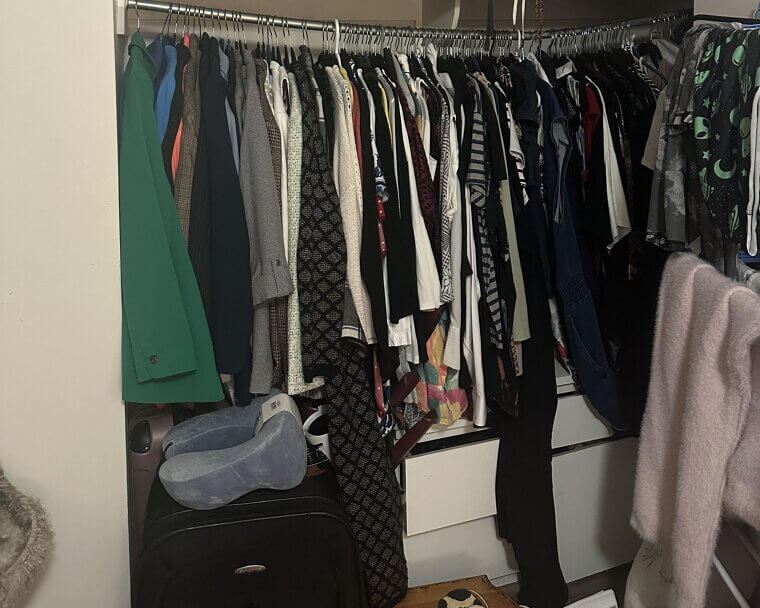
Storing Items Directly on Concrete Floors
Concrete continually releases moisture, although you would not know it by looking at the surface. When boxes or bins are stored directly on a cement floor, the boxes and bins begin absorbing moisture from the concrete, and mold can start growing on the bottom before you notice. Raising items on shelves or pallets helps keep them dry and protects them from hidden moisture.
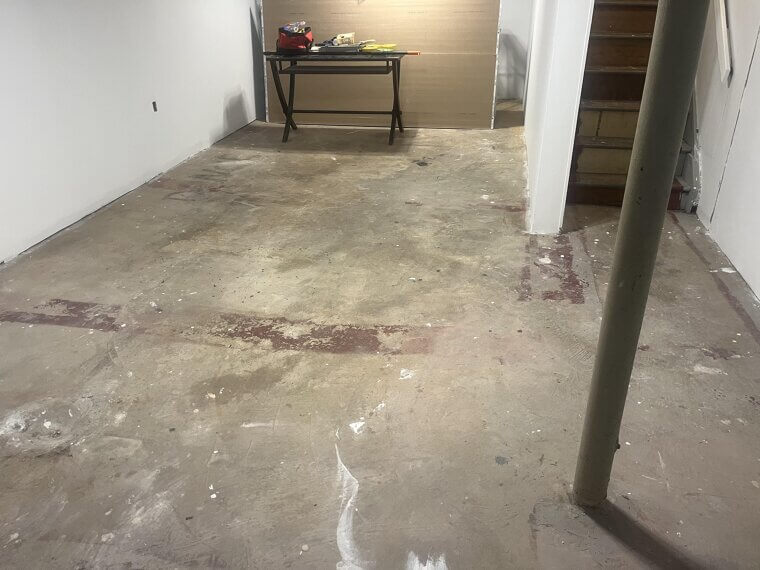
Keeping Storage Bins Sealed Tightly in Humid Rooms
The use of airtight storage bins to store materials in an area with high humidity may seem like a good idea, but it’s not. The humid air cannot escape from the tightly sealed bin, allowing mold to grow. To keep moisture from being trapped in sealed containers, add moisture-absorbing materials or choose bins that provide some form of ventilation.
Storing Books in Non-Climate-Controlled Spaces
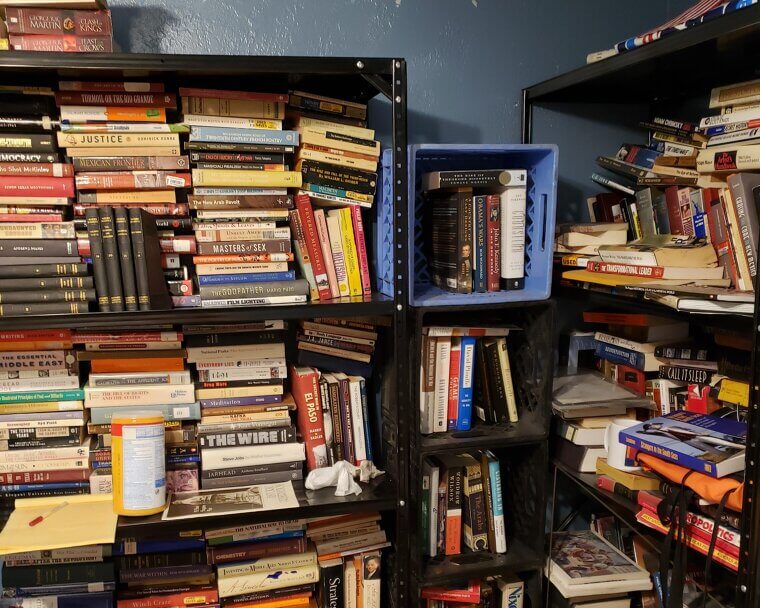
Books soak up moisture from the air quickly. Garages, attics, and basements are risky spots. Pages warp, covers smell, and mold spots appear before you realize it. Keeping books in climate-controlled areas with steady airflow helps preserve them and prevents that musty surprise later.
Storing Seasonal Clothes Without Washing Them
Putting clothes away with even small amounts of sweat or dirt invites mold. Those residues hold moisture and feed growth while items sit untouched. Everything might look fine at first, then come out smelling off. Washing and fully drying clothes before storage makes a huge difference and keeps musty odors from forming.
Using Vacuum Seal Bags in Humid Conditions
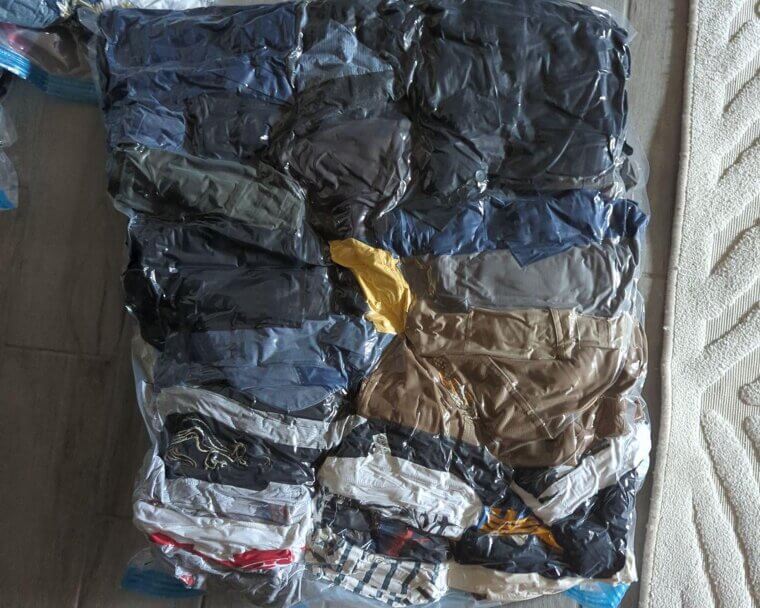
While vacuum-sealed bags compress your items, they also hold any moisture present during the sealing process. If the humidity in your area is high, the moisture that is trapped in your vacuum seal bag creates ideal conditions for mold growth. Clothes can come out with strong odors or stains. For vacuum sealing to be efficient, clothing must be completely dry when sealed and stored in a low-humidity area.
Storing Upholstered Furniture in Garages
Upholstered furniture absorbs moisture from the air very quickly in garages. The swings between high and low temperatures make condensation more likely, creating ideal mold growth conditions. Also, tightly covering your upholstered furniture with plastic or other non-breathable materials worsens the problem even more. Using either a climate-controlled storage unit or breathable cover will reduce the likelihood of moisture build-up and allow you to use your upholstered furniture for a longer period.
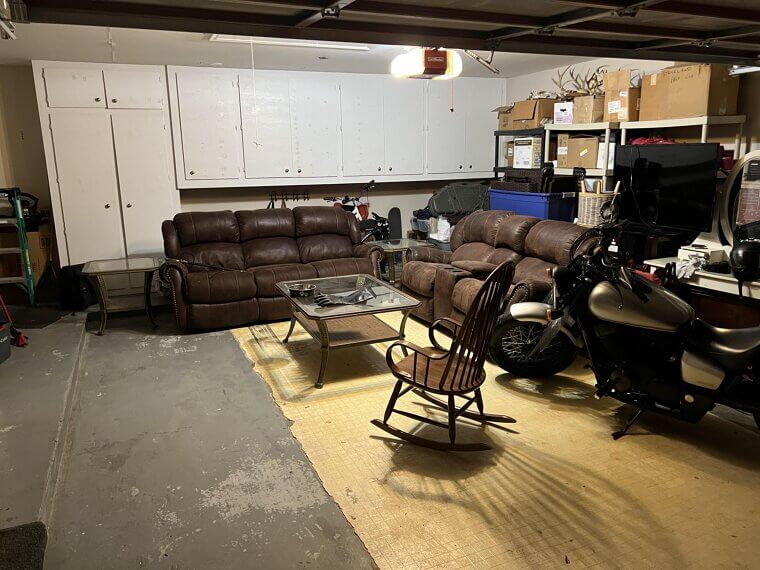
Keeping Storage Units Packed Too Tightly
It feels smart to pack a storage unit as full as possible, but that tight stacking causes real problems. When boxes and furniture are jammed together, air cannot circulate at all. Moisture gets trapped, especially during warm or humid weather. Mold can start growing quietly between items without any obvious signs. Leaving small gaps between things allows airflow, helps moisture escape, and keeps your stored belongings from slowly turning musty and damaged.
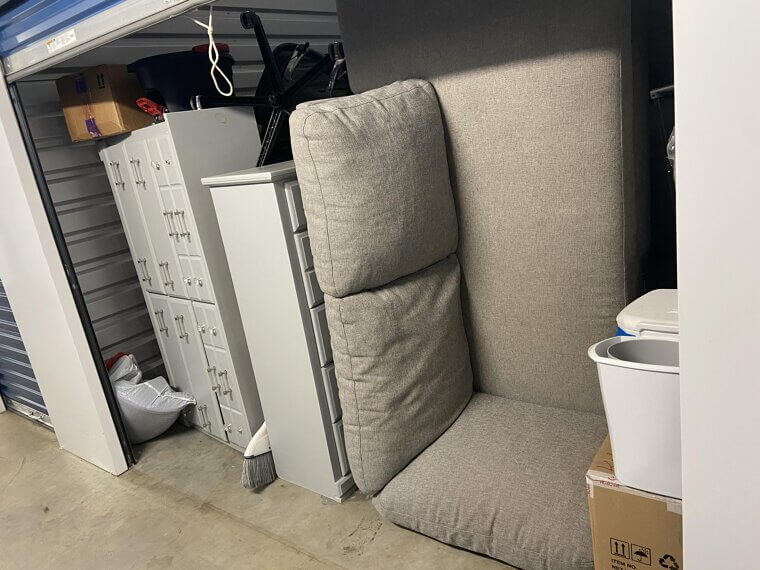
Forgetting to Check Stored Items Regularly
Storage tends to become out of sight and completely out of mind. The problem is moisture issues usually start small and grow quietly. By the time you notice a smell, mold may already be established. Taking a few minutes every couple of months to open bins, move items, and let things air out can save you from major cleanup and replacing things you thought were safely stored.
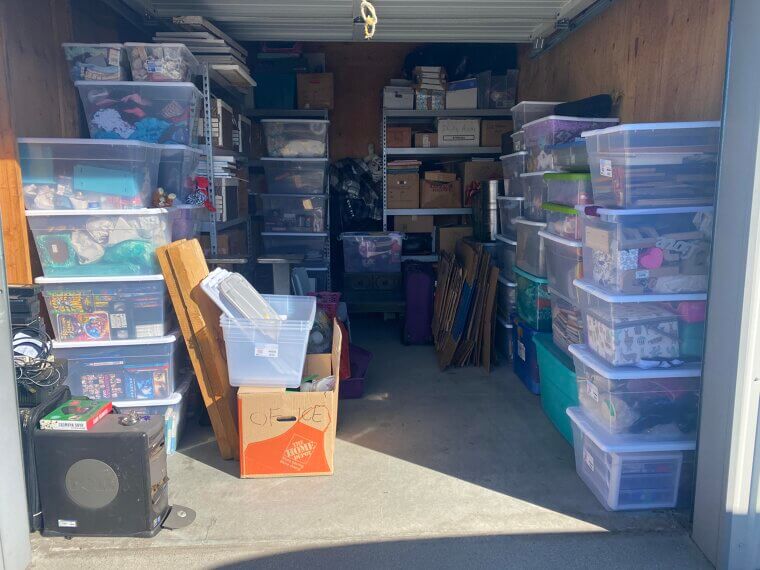
Storing Mattresses Flat on the Floor
Placing a mattress directly on the floor traps moisture underneath it. Heat and humidity from the room and your body get stuck underneath with nowhere to escape. Mold can start growing on the bottom without you realizing it. By the time you notice a smell, the damage is done. Storing mattresses upright or on slats lets air move around and keeps them dry and usable.
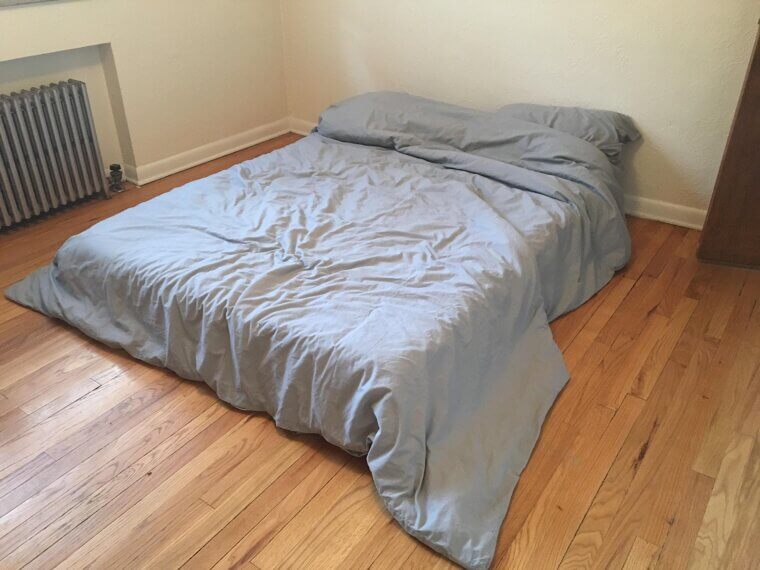
Using Scented Storage Products to Mask Moisture
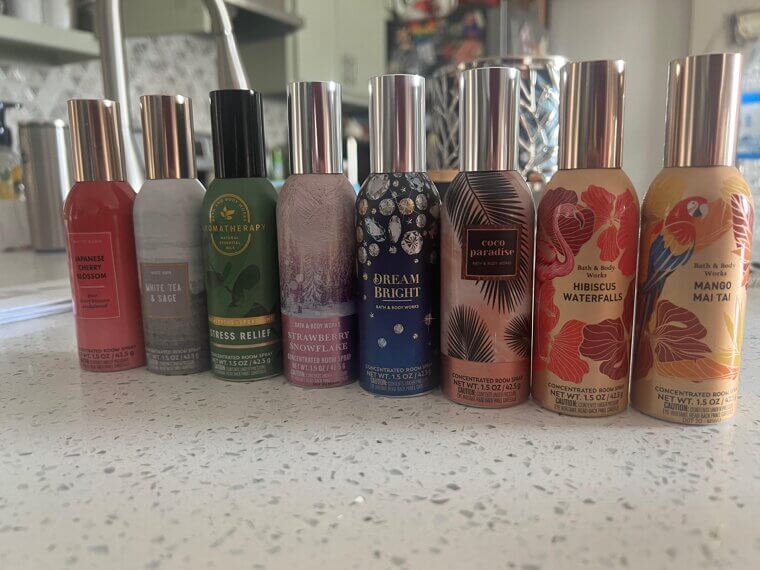
Scented sachets and sprays feel like an easy fix when things start smelling musty. The problem is they only cover up the odor, not the moisture causing it. Mold keeps growing quietly under that fresh scent. It can actually get worse without you noticing. Instead of relying on fragrance, focus on airflow, drying things properly, and reducing humidity so the problem gets solved at the source.
Storing Camping Gear While Still Dirty or Damp
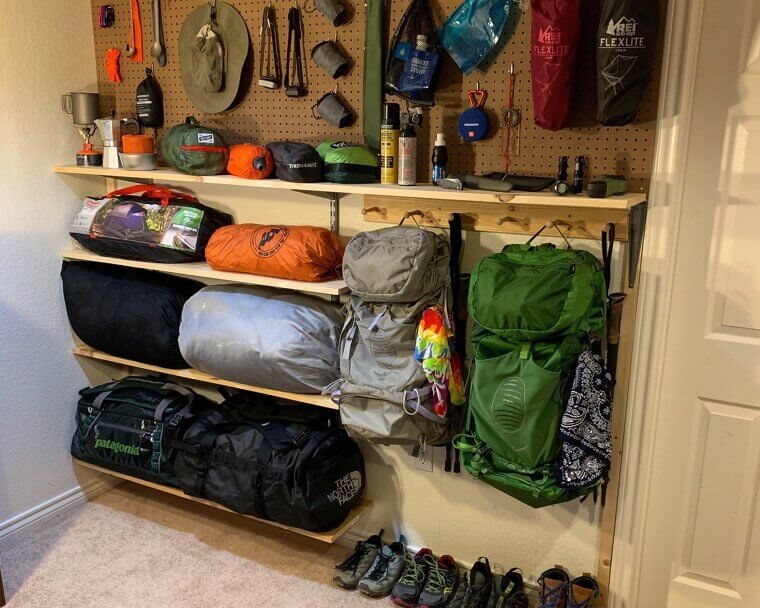
Some camping equipment, such as tents, sleeping bags, and tarps, might not have dried out completely or been cleaned before being put into storage. Even a small damp area can create a mold issue. When such gear is taken out for use at the start of the next camping season, it’s usually sticky and smelly. It’s important to dry every piece of gear completely and clean it before putting it into storage to avoid ruining costly outdoor equipment.
Keeping Storage Spaces Closed All the Time
Closets, sheds, and storage rooms that have little or no ventilation trap humidity, which causes a build-up of moisture. When moisture builds up, it results in stagnant air, which is the perfect breeding condition for mold. Opening storage area doors frequently and providing ventilation will help reduce dampness and prevent stored items from smelling musty.
Ignoring Small Leaks Near Storage Areas
Tiny leaks from pipes or walls often go unnoticed near storage spaces. The moisture that seeps into boxes and furniture encourages mold to grow quietly, and you may not even notice until the damage is done. Fixing small leaks once you notice them and keeping all stored items as far away as possible from potential sources of water prevents major problems later.