Don't Use It on Door Hinges
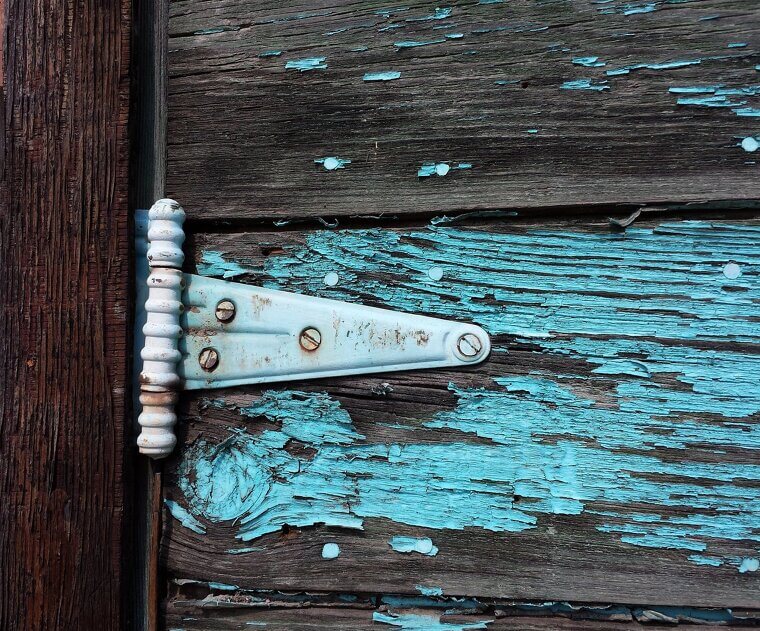
WD-40 will stop a squeaky hinge for about a week, and then the noise comes back worse than before. That's because WD-40 isn't actually a lubricant. It's a solvent and water displacer designed to loosen stuck parts and clean off gunk. Once it evaporates, the hinge is left drier than it was before you sprayed it. Even worse, the residue attracts dust and dirt that gums up the hinge over time. For door hinges that stay quiet, use a proper lubricant like white lithium grease or silicone spray. Those products stay in place and keep working for months instead of days.
Keep It Away From Bike Chains
Spraying WD-40 on a bike chain feels like the right move when it's squeaking or looking grimy. But it actually strips away the existing lubricant that's protecting the chain and gears. Once the WD-40 evaporates, you're left with bare metal that attracts dirt and grit like a magnet. That grit acts like sandpaper, wearing down the chain and sprockets faster than normal use ever would. Bike shops sell chain-specific lubricants that penetrate the rollers and stay put through wet and dry conditions. A few dollars spent on the right product saves expensive drivetrain replacements down the road.

Never Spray It on Locks
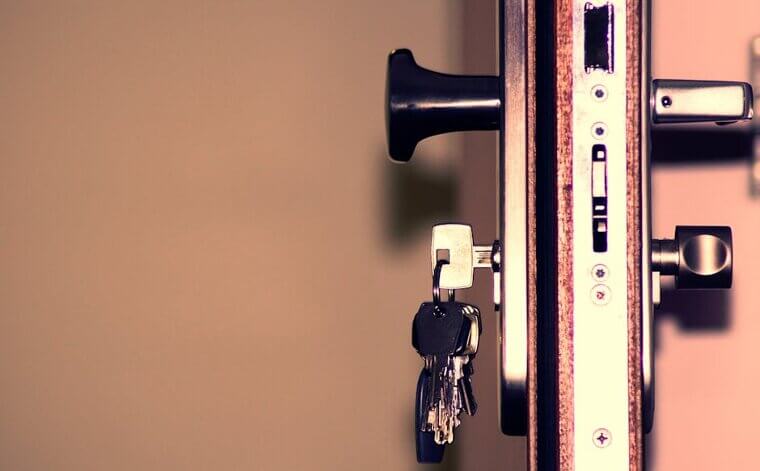
A sticky lock seems like the perfect job for WD-40, and in the short term it works. The lock feels smoother immediately. But here's the problem: WD-40 dissolves the graphite or silicone lubricant that was already inside the lock mechanism. When it evaporates, the lock is actually drier and more prone to sticking than before. Over time, the residue also attracts dust that clogs the tiny pins and springs inside. Locksmiths recommend graphite powder or a Teflon-based lubricant for locks. These products don't evaporate and won't leave behind gunk that makes the problem worse.
Avoid Using It on Painted Surfaces
WD-40 can remove certain stains and sticky residue from painted surfaces, which is why some people reach for it as a cleaner. But depending on the type of paint, it can also soften, discolor, or damage the finish. Automotive paint, furniture finishes, and wall paint all react differently, and there's no way to know for sure how a particular surface will respond until the damage is done. Testing in an inconspicuous spot might save you, but it's safer to use cleaners specifically designed for painted surfaces. The risk isn't worth the convenience when so many better options exist.

Don't Spray Near Open Flames
The propellant in WD-40 is highly flammable, and the fine mist it creates can ignite from sources you might not even think about. Pilot lights on water heaters, sparks from power tools, even a cigarette across the room can set off the spray. Garages and workshops often have ignition sources that aren't immediately obvious. The can itself warns about this, but most people don't read the label closely. Working with WD-40 around heat or flame isn't just risky for the project. It's a genuine fire hazard that has caused serious accidents and injuries in home workshops.

Skip It for Squeaky Wood Floors
When floorboards start creaking, WD-40 seems like an easy fix. Just spray it in the crack and the squeak disappears. The problem is that WD-40 soaks into wood, and once it's in there, it can stain the surface and damage the finish. The oily residue also attracts dirt that gets ground into the wood with every step. Worse, the squeak usually comes back because the real issue is loose boards or subfloor movement that no spray can fix. Proper solutions include screwing boards down tighter, using specialized floor repair kits, or sprinkling talcum powder between boards to reduce friction.

Don't Use It on Garden Tools Long-Term
WD-40 works great for cleaning dirt, sap, and grime off shovels, pruners, and other garden tools. It cuts through the mess quickly and makes the metal shine. But it's not a protectant. Once it evaporates, the bare metal is exposed to moisture and air, which means rust starts forming faster than if you'd used nothing at all. For garden tools that stay rust-free through the wet seasons, clean them with WD-40 if you want, then follow up with a thin coat of machine oil or a rust-preventive product. That extra step makes tools last years longer.

Keep It Off Electrical Panels
Spraying WD-40 around electrical panels, breaker boxes, or wiring is genuinely dangerous. The solvent can damage the insulation on wires, creating potential short circuits or fire hazards. The flammable propellant near electrical components adds another layer of risk. Even if nothing goes wrong immediately, the residue left behind can attract dust and debris that causes problems over time. Electrical connections that need cleaning or maintenance require products specifically designed for that purpose, like electrical contact cleaner. These products evaporate cleanly without leaving residue or damaging insulation. The breaker box is not the place for improvisation.

Don't Use It as a Long-Term Lubricant
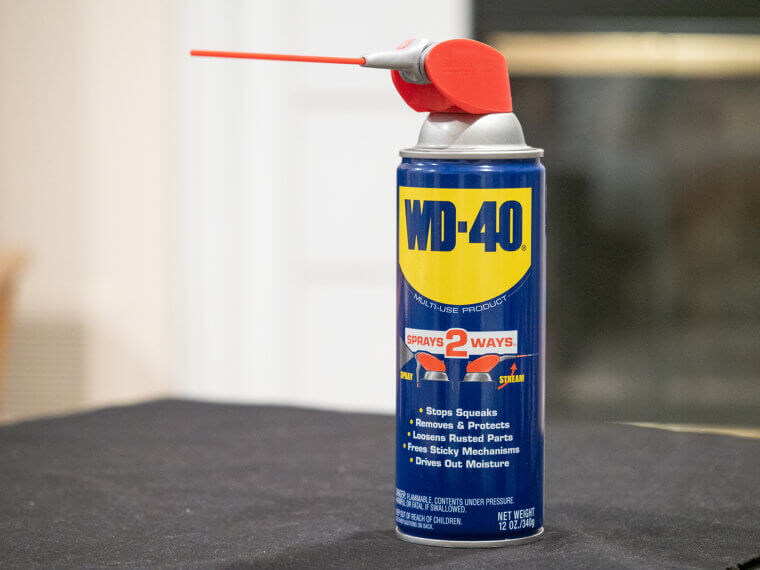
This is the big misunderstanding most people have about WD-40. The name stands for Water Displacement, 40th formula. It was designed to protect missile parts from rust and corrosion by displacing moisture. It loosens stuck bolts, cleans off grime, and frees up frozen mechanisms beautifully. But once it does that job and evaporates, there's no lasting lubrication left behind. Moving parts that need ongoing protection require actual lubricants like grease, oil, or silicone. WD-40 is the first step for freeing something up, not the final step for keeping it moving smoothly.
Avoid Spraying on Rubber and Plastic
WD-40's solvents can react badly with certain types of rubber and plastic. Seals can swell and lose their shape. Plastic parts can become brittle, discolored, or crack over time. The damage isn't always immediate, which makes it tricky to connect the cause and effect. Gaskets, O-rings, weatherstripping, and plastic housings on tools and appliances are all potentially vulnerable. Some rubbers and plastics handle WD-40 fine, but there's no easy way to know which ones without testing or checking manufacturer recommendations. When in doubt, use a product specifically labeled as safe for rubber and plastic.
Not for Stuck Bolts You'll Reuse
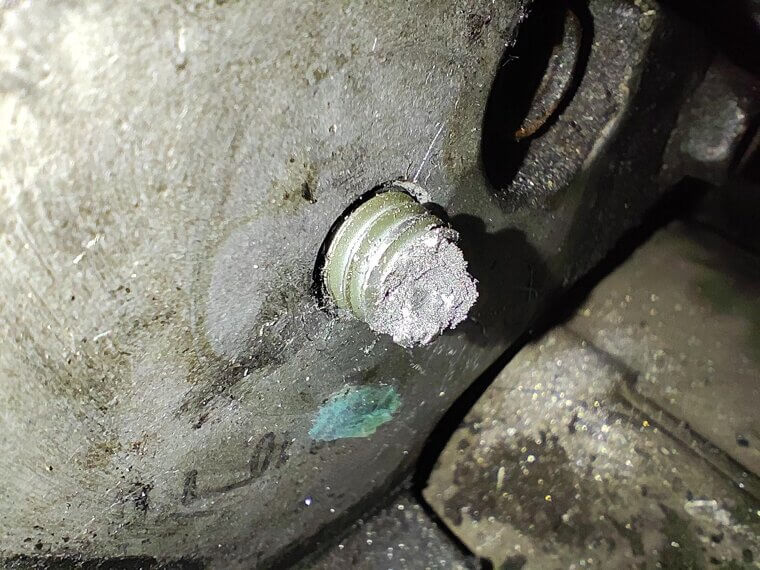
WD-40 excels at loosening stuck, rusted, or frozen bolts. That's exactly what it was made for. But if you plan to reuse those bolts, WD-40 alone isn't enough. It penetrates and frees the threads but doesn't leave any protection behind. The clean threads will rust again quickly and may even gall or seize when you tighten them back down. After removing a stuck bolt with WD-40, clean the threads properly and apply anti-seize compound or grease before reinstalling. That extra step prevents the same bolt from becoming the same problem six months later.
Keep It Away From Touchscreens and Electronics
Phones, tablets, laptops, and TV screens should never see WD-40. The solvents damage the oleophobic coatings that make screens resist fingerprints and smudges. They can seep into seams and openings, getting inside the device where they cause corrosion and short circuits. Even a quick spray to clean a sticky button can ruin expensive electronics permanently. Screens need microfiber cloths and cleaners specifically designed for electronics. Sticky buttons might need professional cleaning or a tiny amount of isopropyl alcohol applied carefully with a cotton swab. WD-40 has no business anywhere near your devices.

Skip It on Fishing Reels
Fishing reels are precision instruments with tiny gears, springs, and seals that require specific lubricants to function properly. WD-40 strips away the factory-applied greases that keep everything running smoothly. It can also damage the rubber seals that keep water out of the internal components. A reel that's been sprayed with WD-40 might feel fine at first but will wear out faster and potentially fail when you're fighting a big catch. Tackle shops sell reel oil and grease designed specifically for fishing equipment. Spending a few dollars on the right products protects reels that cost hundreds.

The Manufacturer Makes Products for All These Jobs
Here's something most people don't realize: WD-40 the company makes far more than just the classic blue and yellow can. They sell a whole line of specialist products designed for the exact jobs where the original formula falls short. There's a silicone lubricant for rubber and plastic. A white lithium grease for hinges and heavy-duty applications. A contact cleaner safe for electronics. A rust-release penetrant stronger than the original. A long-term corrosion inhibitor that actually sticks around. The company knows better than anyone what their flagship product can and can't do, which is exactly why they developed alternatives. Check the lubricant aisle next time you're at the hardware store.