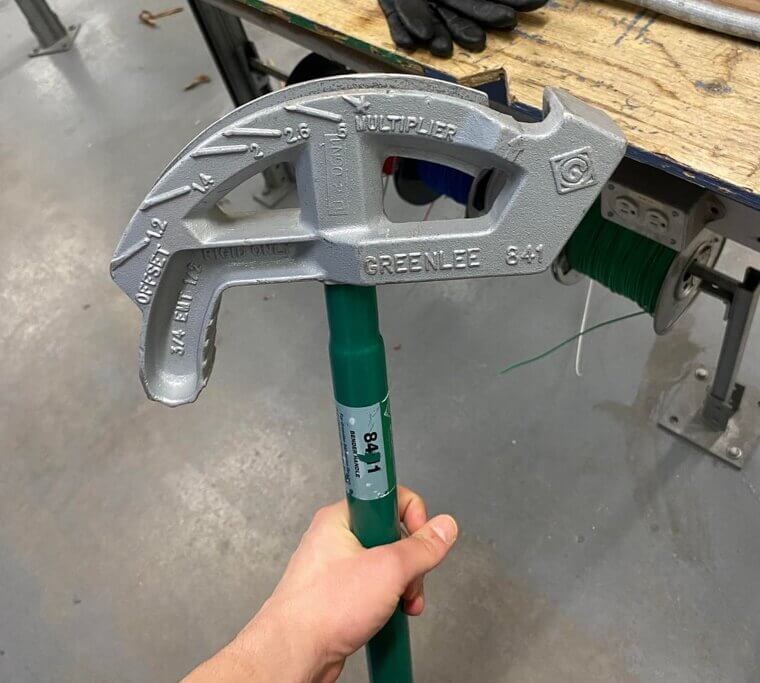
The Plaster Mixer
Before drywall became dominant, plaster walls were common in suburban homes. Plaster mixers allowed builders to prepare large batches of material efficiently on site. This helped speed up interior finishing while maintaining consistent texture and strength. Plaster required skill and timing, and the mixer made it easier to keep work moving across multiple houses. As suburbs expanded rapidly, interior finishing needed to keep pace with framing and roofing. The plaster mixer supported this rhythm. Though later replaced by simpler methods, it played a key role in early suburban interiors, shaping the look and feel of many postwar homes that still stand today.
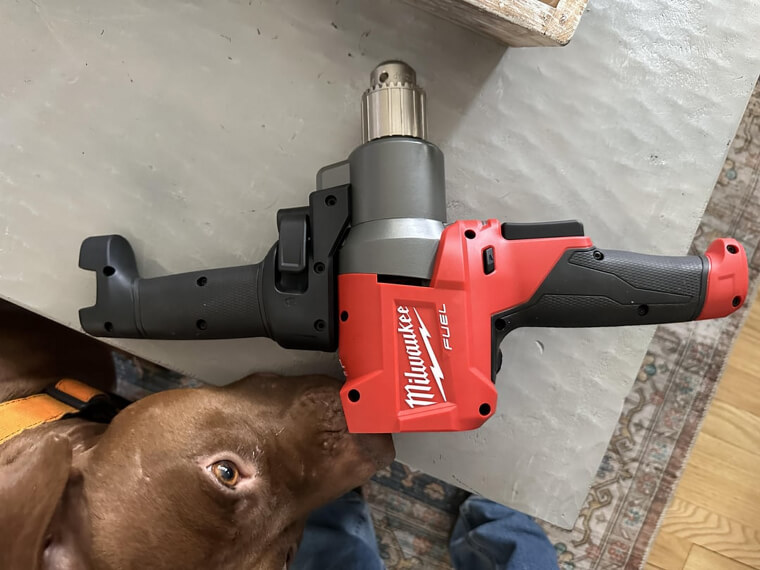
The Circular Saw
The circular saw became one of the most important tools in the rapid expansion of suburban housing. Its ability to make fast, straight cuts through lumber transformed framing from a slow, labor intensive process into something that could be repeated house after house. Before widespread use of power saws, cutting boards by hand took significant time and physical effort. The circular saw allowed builders to work faster, keep measurements consistent, and meet the demand of growing developments. As suburbs expanded after World War II, speed mattered. Builders needed to produce reliable homes quickly, and this tool made that possible. Its portability also allowed crews to move easily from one lot to the next, keeping construction schedules tight. The circular saw did not just save time, it helped standardize home construction in a way that made large scale suburban growth realistic.
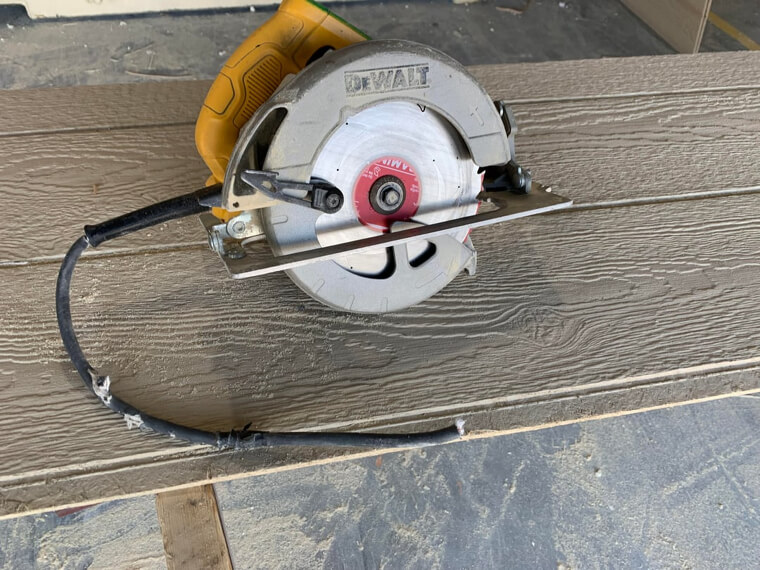
The Power Drill
The power drill changed how homes were assembled and repaired across suburban neighborhoods. Instead of relying on hand driven screws and braces, builders could fasten materials quickly and with less fatigue. This made it easier to install framing, cabinetry, and fixtures efficiently. As suburbs grew, the power drill also became a staple in home garages, encouraging a culture of do it yourself maintenance and improvement. Homeowners could hang shelves, build decks, and tackle small repairs without calling a professional. This sense of independence became part of suburban identity. The drill supported both professional construction and personal home projects, reinforcing the idea that suburban houses were meant to be customized and cared for over time. Its versatility and ease of use made it one of the most influential tools in shaping suburban living.
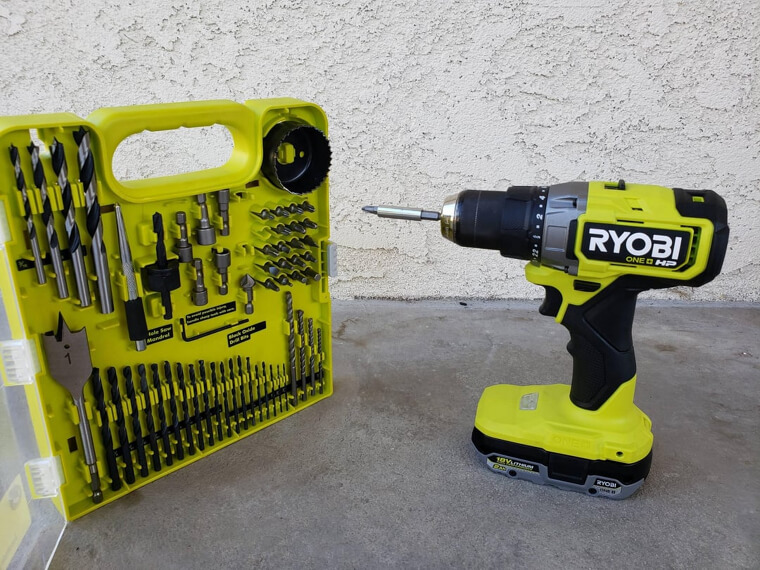
The Framing Hammer
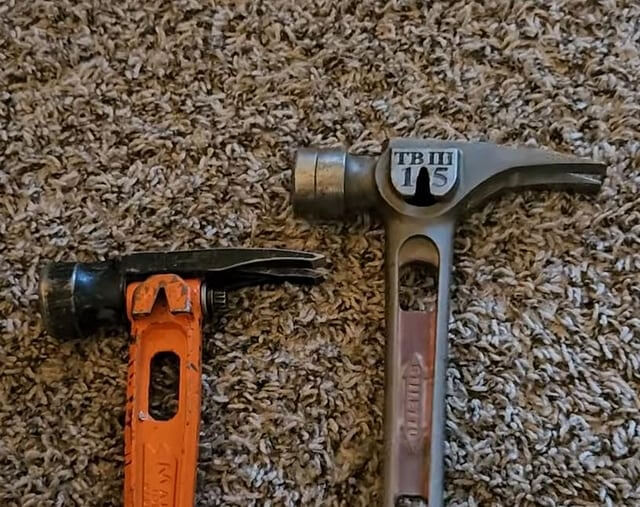
The framing hammer played a central role in the physical act of building suburban homes. Designed for durability and efficiency, it allowed builders to drive large nails quickly while also pulling them out when mistakes happened. The familiar sound of hammering became part of the suburban construction landscape as neighborhoods rose from open land. Even as power tools advanced, the hammer remained essential for precision work and adjustments. It required skill and endurance, especially during long building days. Beyond construction sites, the hammer also symbolized home ownership itself. Nearly every suburban household kept one on hand, reinforcing the expectation that homeowners would handle basic repairs themselves. This simple tool helped connect professional builders and everyday residents through shared familiarity and use.
The Table Saw
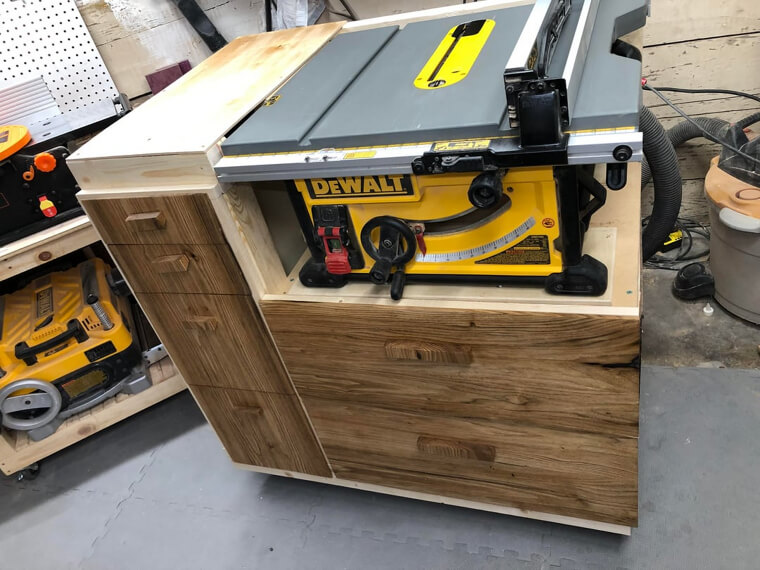
The table saw brought accuracy and repeatability to suburban construction. Unlike handheld tools, it allowed builders to produce identical cuts again and again, which was critical when constructing large numbers of similar homes. Trim, flooring, and cabinetry all benefited from this level of precision. The table saw supported the standardized designs that defined many suburban developments, where consistency helped control costs and speed up timelines. It also found a place in home workshops as suburbs matured. Hobbyists and homeowners used it to build furniture, shelves, and additions. This tool helped blur the line between professional building and personal craftsmanship, reinforcing the suburban ideal of improving and expanding one’s own home over time.
The Level
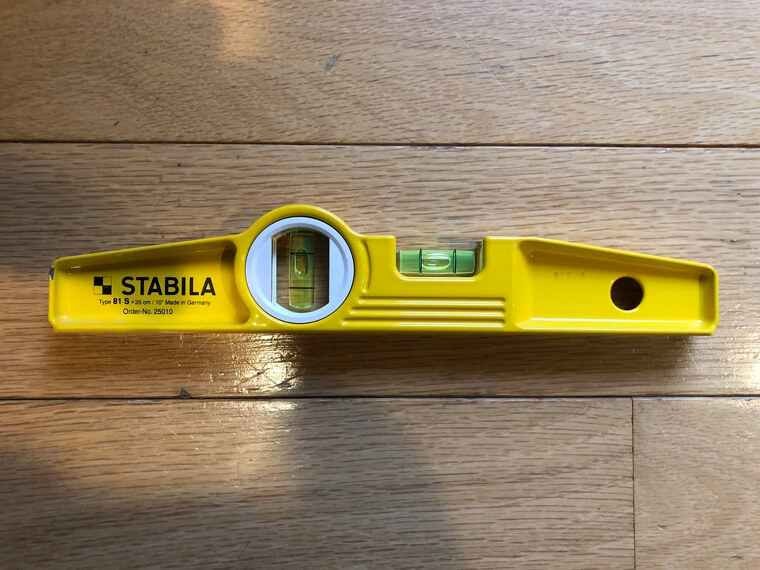
The level may seem simple, but it was essential to building stable and comfortable suburban homes. Ensuring walls were straight, floors were flat, and cabinets were aligned helped maintain structural integrity and visual appeal. As suburban construction moved quickly, the level served as a basic checkpoint against sloppy work. It was inexpensive, durable, and easy to use, making it a constant presence on job sites. Like many tools, it also became common in household toolboxes. Homeowners relied on it for hanging pictures, installing shelves, and making small improvements. The level supported both the professional standards of suburban construction and the everyday maintenance that kept neighborhoods looking neat and orderly.
The Transit Level
Before laser levels became standard, transit levels were essential for laying out entire suburban developments. These tripod mounted optical tools helped builders establish accurate elevations for foundations, roads, and drainage. In large tracts of new housing, consistency mattered. A small grading mistake could affect multiple homes, leading to water problems and uneven foundations. Transit levels allowed surveyors and builders to coordinate work across wide areas, ensuring that streets lined up and houses sat properly on their lots. While rarely noticed by homeowners, this tool played a critical role in making large scale suburban construction possible. It supported speed without sacrificing accuracy and helped turn open land into orderly neighborhoods. Though it required training to use correctly, the transit level quietly influenced how suburbs were planned and built, long before walls and roofs appeared.

The Pipe Threading Machine
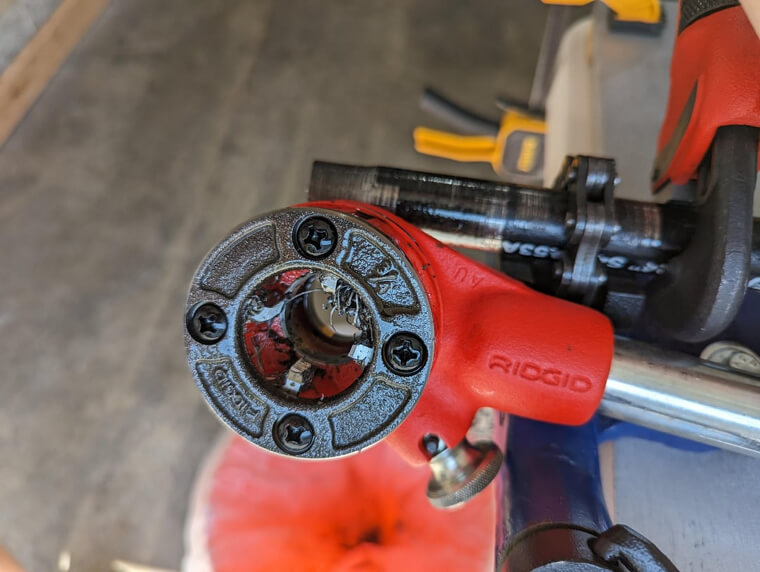
Plumbing infrastructure was a major challenge in early suburban expansion, and pipe threading machines helped solve it. These heavy, specialized tools allowed workers to cut and thread steel pipes on site, making it easier to assemble water and gas lines quickly. Without them, pipes would have needed more customization off site, slowing construction. As suburbs expanded, reliable plumbing became a selling point for modern living. The pipe threading machine helped ensure consistent connections and fewer leaks across entire developments. Though it was not a household tool, its impact reached every kitchen and bathroom. By speeding up utility installation, it helped builders meet tight timelines and deliver fully functional homes to growing families.
The Soil Compactor
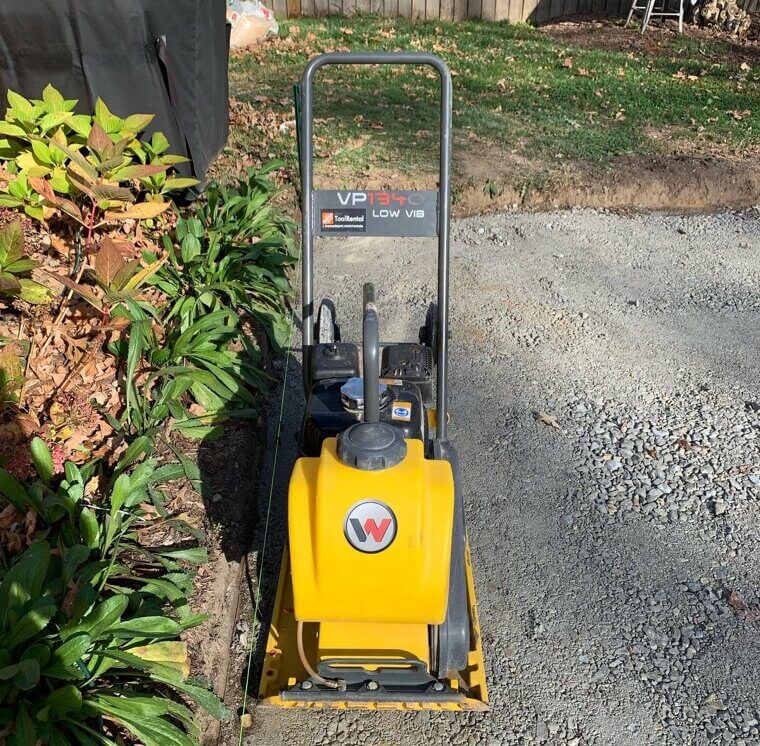
Before foundations could be poured, the ground itself had to be prepared properly. Soil compactors played a crucial role in stabilizing land for suburban homes. These machines compressed soil to reduce settling, which helped prevent cracks in foundations and driveways later on. In developments built quickly on previously unused land, soil conditions varied widely. Compactors allowed builders to create a more uniform base across multiple lots. While rarely seen by future homeowners, this tool influenced long term durability. Proper compaction helped homes age more evenly and reduced costly structural problems. The soil compactor was an unglamorous but essential part of turning open fields into lasting neighborhoods.
The Conduit Bender
Electrical systems in new suburban homes relied on metal conduit for protection and organization. Conduit benders allowed electricians to shape rigid tubing precisely, routing wires safely through walls and ceilings. This tool helped standardize electrical layouts and improve safety during a time when household electricity was becoming more complex. Each bend had to be accurate to avoid stress on wires and fittings. While invisible once walls were closed, conduit bending shaped the reliability of suburban electrical systems. It supported the growing number of outlets, appliances, and lighting fixtures that defined modern suburban life.