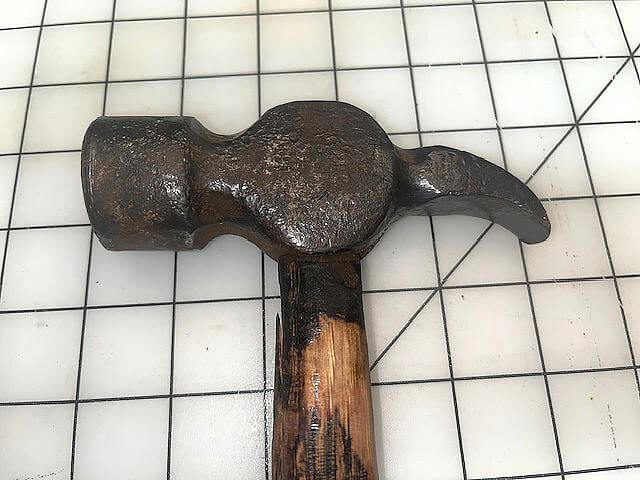
Claw Hammer
The claw hammer is the Swiss Army knife of blunt persuasion. One end drives nails with confidence; the other undoes your mistakes with a polite tug and a little shame. It’s ideal for hanging pictures, assembling furniture or reminding unruly boards who’s in charge. It’s ideal for basic repairs where medium weight, good grip, and a balanced swing matter more than raw power. If a job involves wood and stubbornness, this tool earns first billing. It remains a permanent fixture in every household junk drawer because it is simply too useful to ever leave behind. Even as power tools become more common, the simple feel of a wooden or steel handle in your palm provides a sense of control that a machine just cannot match for quick fixes around the house.
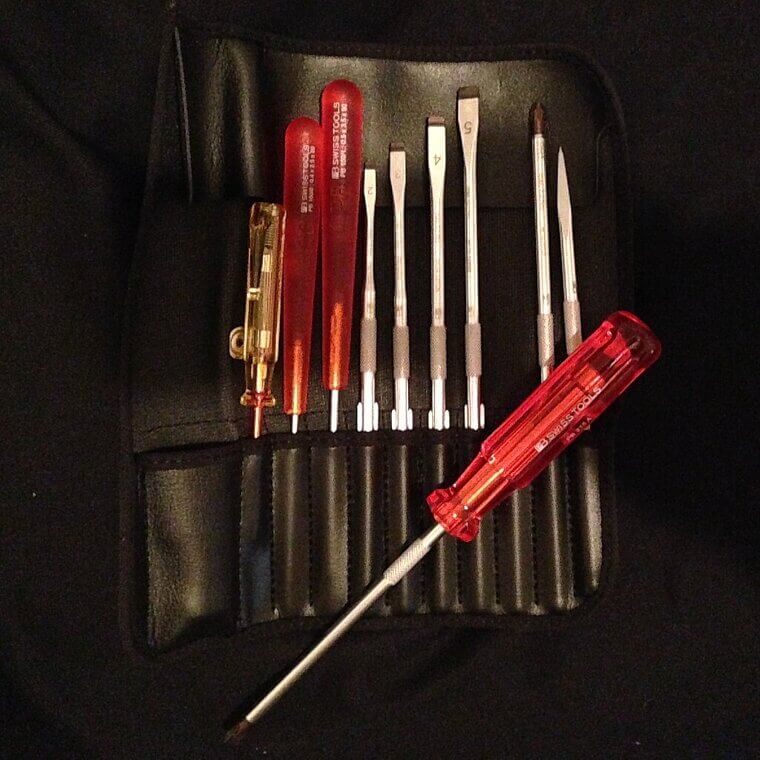
Screwdriver Set (flathead and Phillips)
If a screw exists, it’s already plotting against you but a basic screwdriver set shuts down that rebellion fast! Flathead and Phillips cover most household fasteners, from light switches to cabinet hinges to toys that mysteriously need batteries at midnight. Skip novelty handles and focus on comfort and hardened tips - stripped screws are how small tasks turn into long afternoons. Manual screwdrivers also give better feel than drills for delicate work.
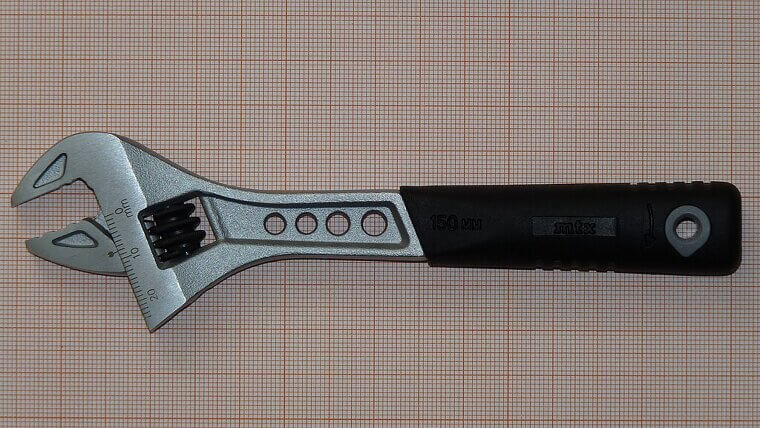
Adjustable Wrench
An adjustable wrench is the diplomat of the toolbox, capable of negotiating with bolts and nuts of many sizes without demanding exact measurements. It’s perfect for plumbing fixtures, furniture hardware and anything that rattles when it shouldn’t. The trick is keeping the jaw tight; sloppy adjustments lead to rounded edges and regret. While it won’t replace a full wrench set, one good adjustable wrench handles most basic jobs and saves you toolbox space.
Tape Measure
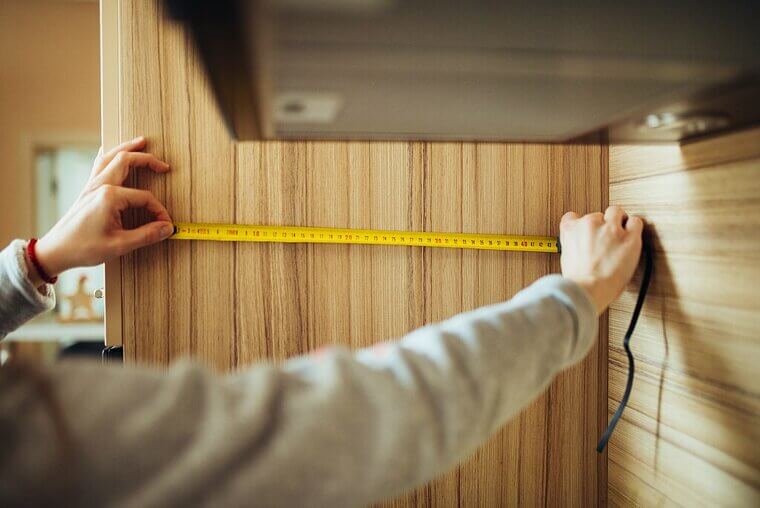
Eyeballing measurements is how shelves end up crooked and rugs don’t quite fit the room they were promised to love. A tape measure brings truth, numbers and mild humility into the equation. It’s essential for hanging art, buying furniture, cutting materials, and proving that yes, the space really is smaller than you remembered. Look for one with clear markings and a locking mechanism; it’s even better if it retracts smoothly instead of snapping back like it’s angry at you.
Utility Knife
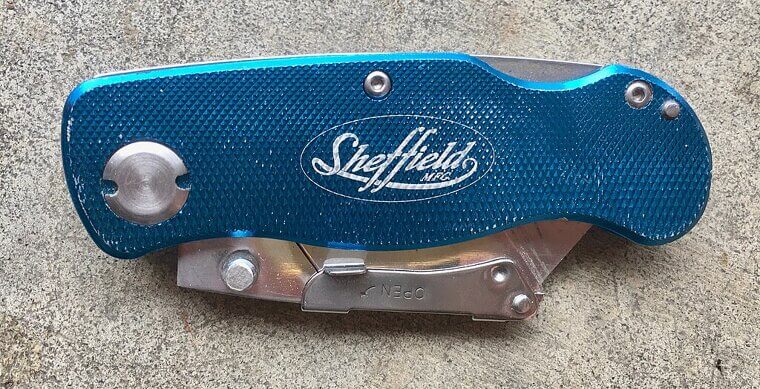
The utility knife is small, sharp, and wildly useful - your pocket-sized problem solver with a blade. It handles opening boxes, trimming drywall, cutting carpet, slicing caulk and freeing products from packaging designed by sadists. Retractable blades add safety, while replaceable ones keep it performing without heroic sharpening attempts. Respect it and store it properly while it quietly does a hundred jobs no one thinks to mention. Misuse will remind you why caution exists.
Pliers (needle-Nose or Combination)
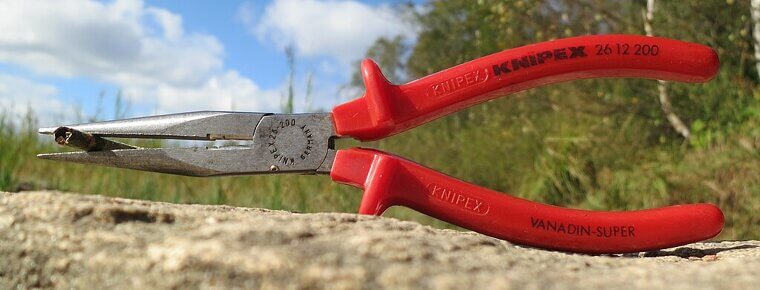
When fingers are simply not enough, you reach for pliers! They grip, twist, pull, bend, and occasionally rescue objects that have fallen into deeply inconvenient places. Needle-nose pliers excel at tight spaces and delicate work, while combination pliers handle general muscle tasks with ease. They’re indispensable for electrical work, removing stubborn nails, or persuading warped hardware to cooperate. A good pair feels solid in the hand and closes cleanly—no wobble, no drama.
Level
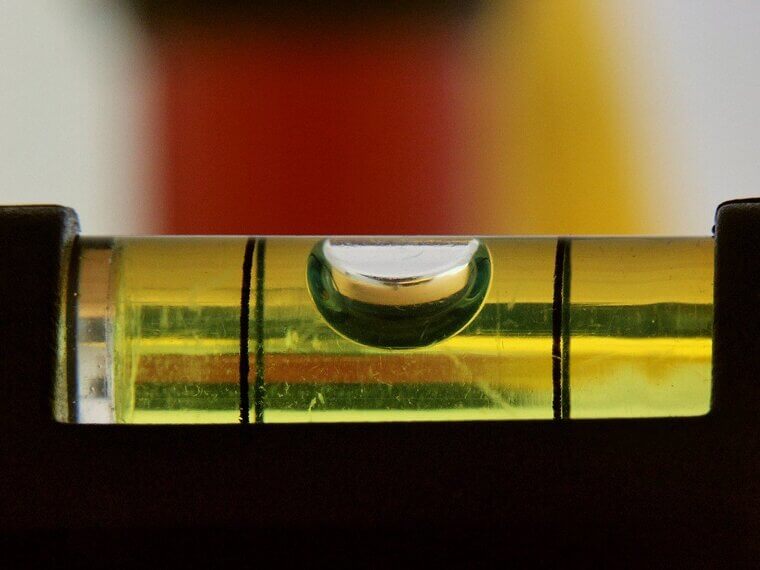
A level exists to save you from the slow psychological damage of noticing things are slightly crooked. Shelves, frames, mirrors, and curtain rods all look fine until gravity exposes the lie. This simple tool uses bubbles and physics to tell the truth without emotion, and even a small level can prevent years of mild annoyance. Magnetic versions are especially helpful when working with metal surfaces, but any level that’s straight and accurate will be an upgrade.
Cordless Drill
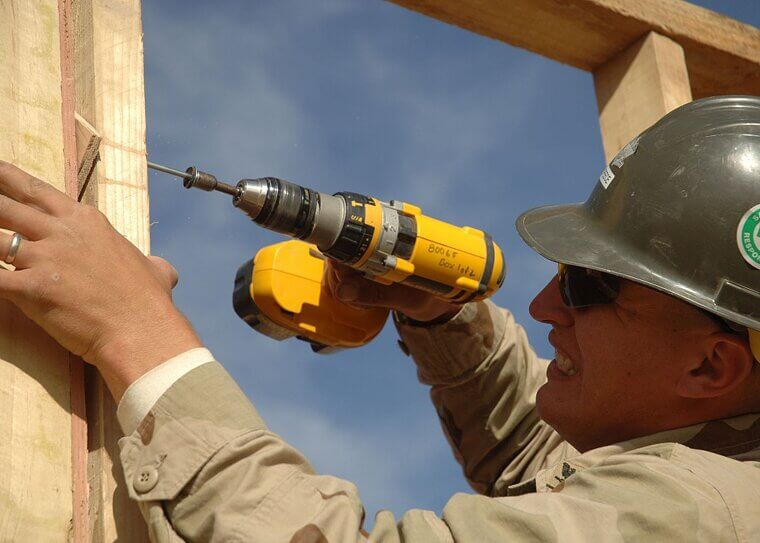
The cordless drill is where home repair starts to feel powerful. It drills holes, drives screws and dramatically shortens the time between “idea” and “done.” For basic repairs, you don’t need industrial torque - just reliable speed control, a comfortable grip and a battery that lasts longer than your patience. Adjustable clutch settings prevent stripped screws and accidental overconfidence. Once you own one, manual screwdrivers become a choice rather than a necessity.
Drill Bit Set
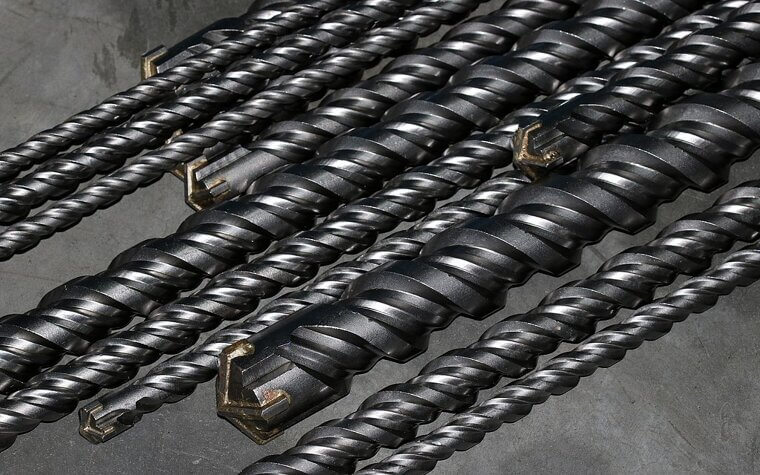
A drill without bits is just a loud paperweight. A basic drill bit set unlocks its full potential, letting you work with wood, drywall, plastic, and light masonry. Sizes matter more than quantity, so covering common diameters beats owning a hundred rarely used bits. Sharpness is also key; dull bits wander, overheat and chew materials instead of cutting them. Store them properly, label them if possible, and replace worn ones without guilt.
Stud Finder
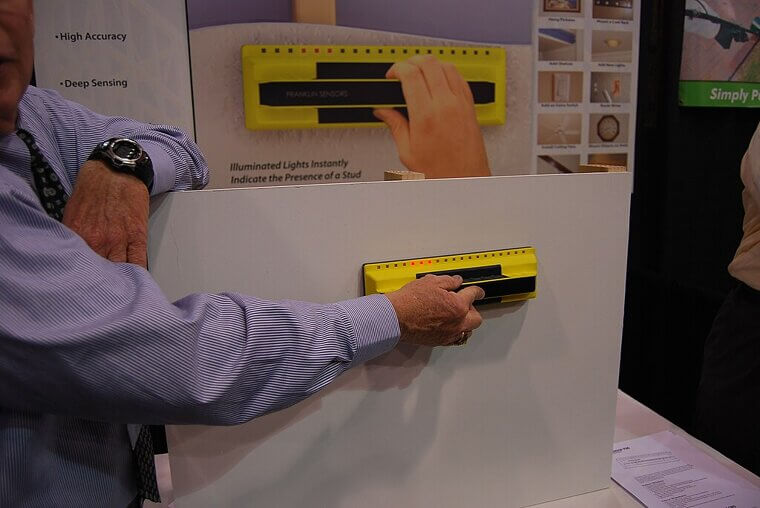
Preventing one of home repair’s most disappointing moments (the confident screw that immediately gives up and falls out) a stud finder locates the wooden or metal framing behind your walls, allowing shelves, TVs and heavy objects to anchor securely. Modern models are simple to use and surprisingly accurate when calibrated properly so while they’re not glamorous, stud finders save time, drywall damage, and mild existential doubt. It’s x-ray vision for your walls… minus the supervillain origin story.
Allen (hex) Key Set
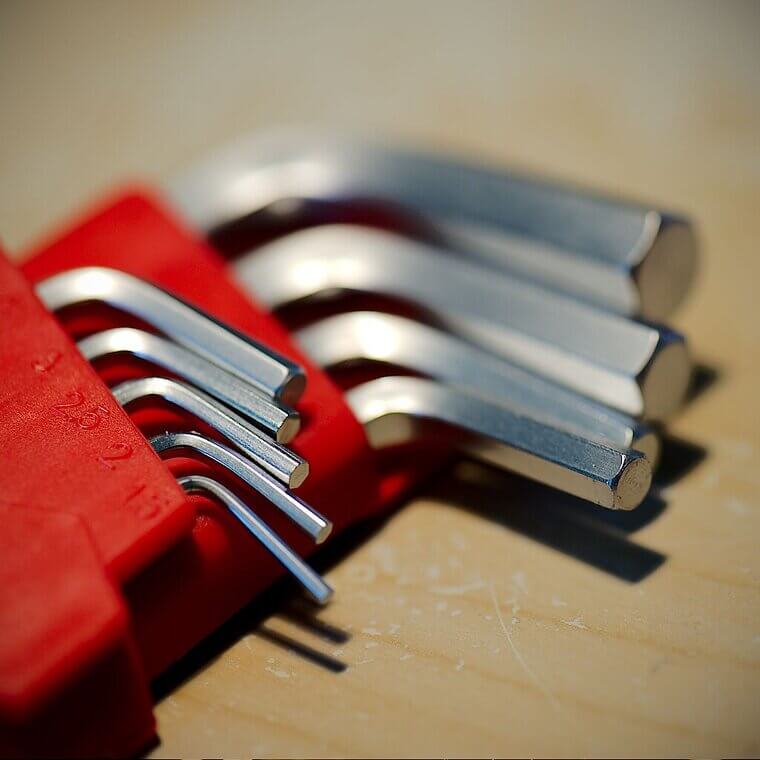
Allen keys exist almost exclusively because modern furniture enjoys a sense of humor! These L-shaped bits of metal are essential for assembling beds, desks, chairs or anything that arrived in a flat box with ambition. A full set of keys ensures you’re never stalled by a missing size halfway through a build. Folding sets are convenient, loose keys offer better leverage, but either way, they’re small, cheap, and indispensable.
Handsaw
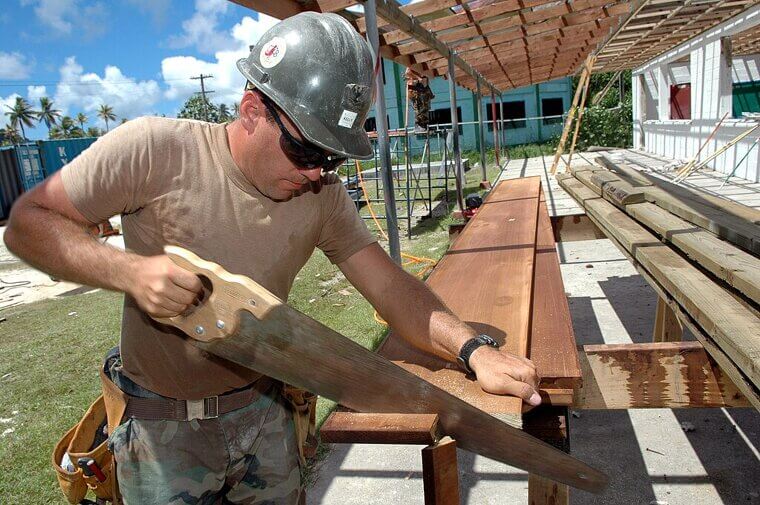
A handsaw is refreshingly honest: it has no batteries or settings, just teeth and effort working out its disagreements with wood. It’s perfect for trimming boards, cutting small pieces or making quick adjustments when power tools feel like overkill. For basic repairs, a general-purpose crosscut saw does the job well; look for a comfortable handle and sharp teeth - when it comes to saws, technique matters less than control. They’re simple and oddly satisfying to use.
Flashlight
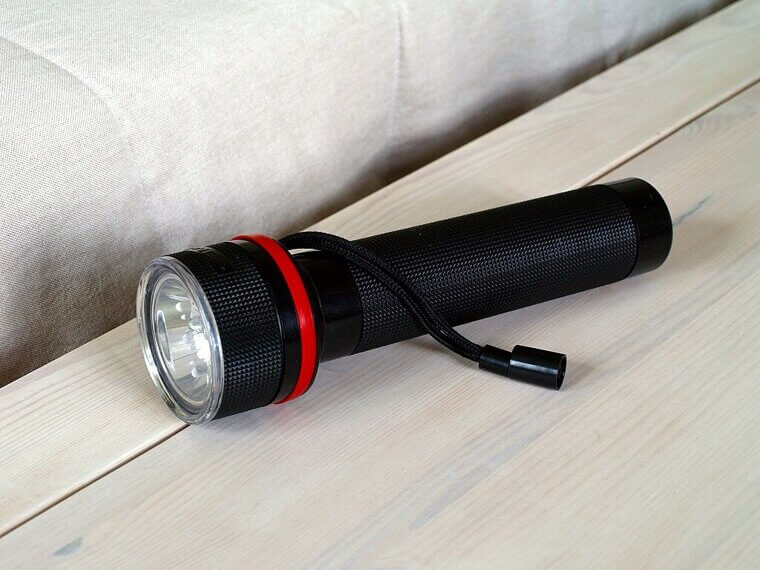
Home repairs love poorly lit corners, shadowy cabinets and power outages timed for maximum inconvenience, but a reliable flashlight turns all that guesswork into certainty. It’s essential for plumbing checks, electrical work, attic adventures and finding the thing you dropped the moment it mattered. LED models are bright, efficient, and mercifully long-lasting and compact models are preferable to bulky alternatives; you want it to fit anywhere your hand goes.
Safety Glasses
Safety glasses are the unsung heroes of avoiding emergency rooms! Sawdust, metal shards, drywall dust and mysterious flying debris all aim for your eyes with unsettling enthusiasm, and a basic pair of safety glasses are lightweight, affordable and infinitely preferable to explaining how you “almost finished the job.” Clear lenses work for most tasks, and wraparound styles offer extra protection without discomfort. You only need them occasionally, but when you need them, nothing else will do.

Work Gloves
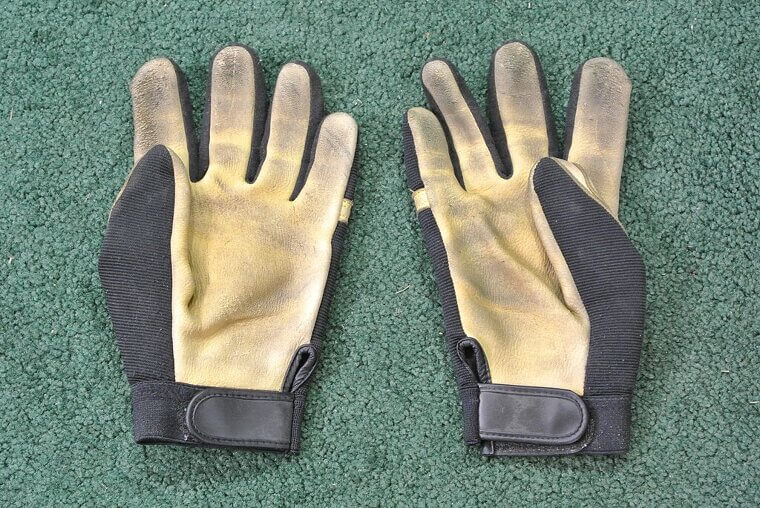
Work gloves let you handle rough materials without hesitation, protecting your hands from splinters, sharp edges and that one screw determined to draw blood. But they also improve grip, and reduce fatigue which makes a pair of flexible gloves with reinforced palms perfect for home repairs (you want to feel what you’re doing, not wrestle fabric). They’re easy to underestimate, but once you’ve worked without them and paid the price, gloves quickly become non-negotiable.
Putty Knife
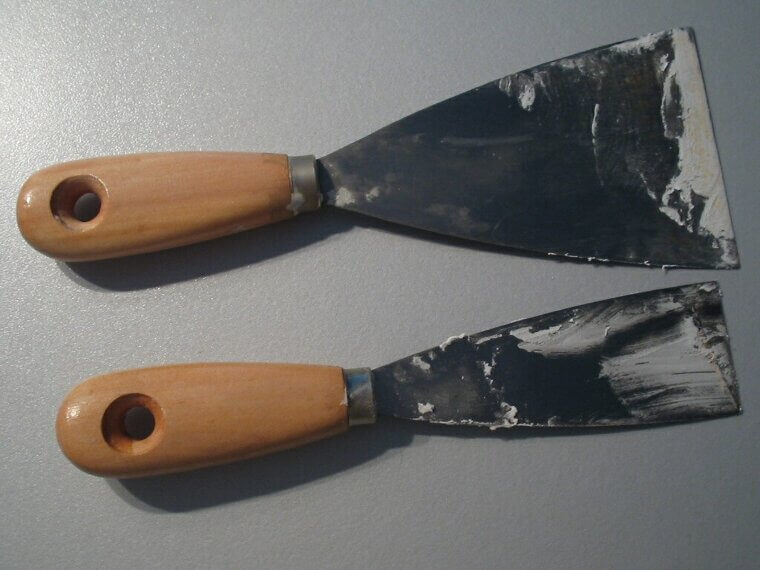
The putty knife is a master of quiet corrections - it fills holes, smooths spackle, scrapes paint, removes old caulk and generally makes surfaces behave themselves. Flexible blades are great for spreading; stiffer ones excel at scraping and prying. For basic repairs, a medium-width knife covers most needs without fuss. It’s not flashy, but it’s deeply satisfying - like erasing a mistake without anyone knowing it happened. If walls could sigh in relief, when this tool shows up, they would .
Caulking Gun
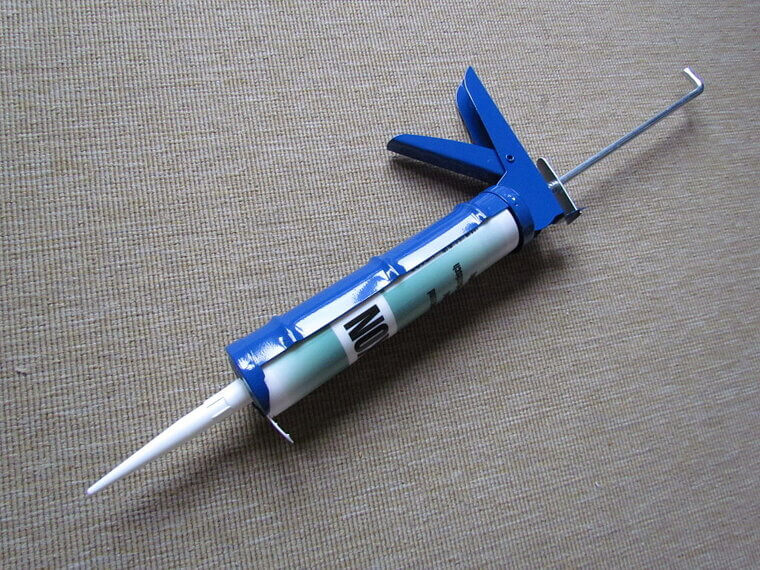
A caulking gun exists to seal the gaps life leaves behind. Around tubs, sinks, windows and baseboards, it applies a smooth bead of caulk that keeps water, air and bugs from sneaking in uninvited. The key is control, not speed: slow pressure, steady movement, and a little patience go a long way. Dripless models are worth an investment unless you enjoy surprise messes. When done well, caulking is nearly invisible. If it’s done poorly, it’s… a conversation piece.
Socket Wrench Set
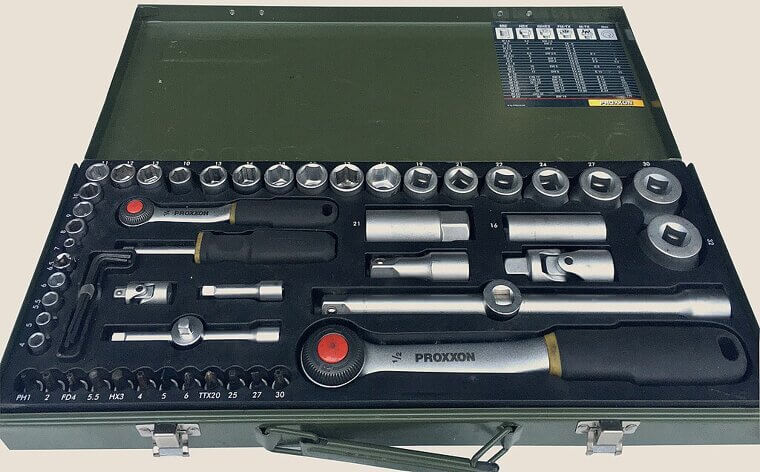
A socket wrench set makes tightening and loosening fasteners feel civilized. Instead of constant repositioning, the ratcheting action lets you work efficiently in tight spaces (which is especially useful for furniture, appliances, and automotive-adjacent tasks). A basic set with common metric and standard sizes is more than enough for home repairs. Extensions add reach; a good grip adds confidence. Once you use one, regular wrenches start to feel oddly prehistoric.
Pry Bar
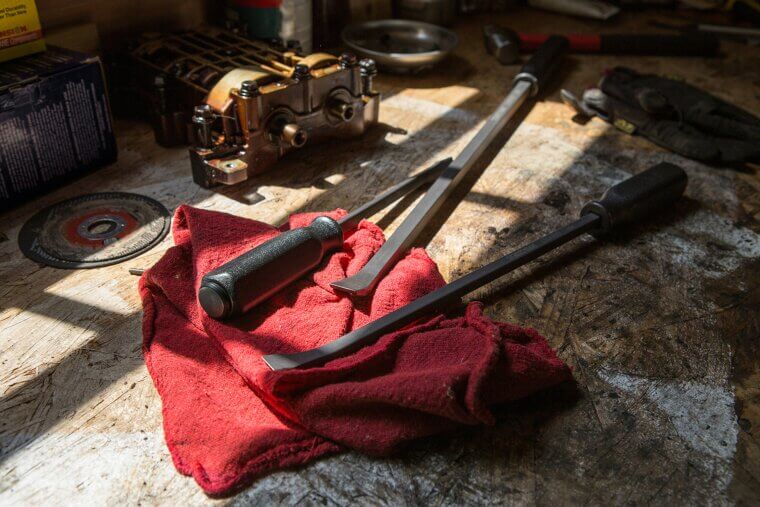
The pry bar is leverage incarnate, pulling nails, lifting boards, separating stubborn materials and gently convincing things to come apart without unnecessary violence. For basic home use, a small to medium pry bar offers control without turning demolition into a lifestyle choice. If you want to reduce surface damage, use a flat end; curved claws provide excellent pulling power. It’s especially handy during repairs that involve undoing old work. Sometimes progress requires taking something apart first, and this tool understands that philosophy deeply.
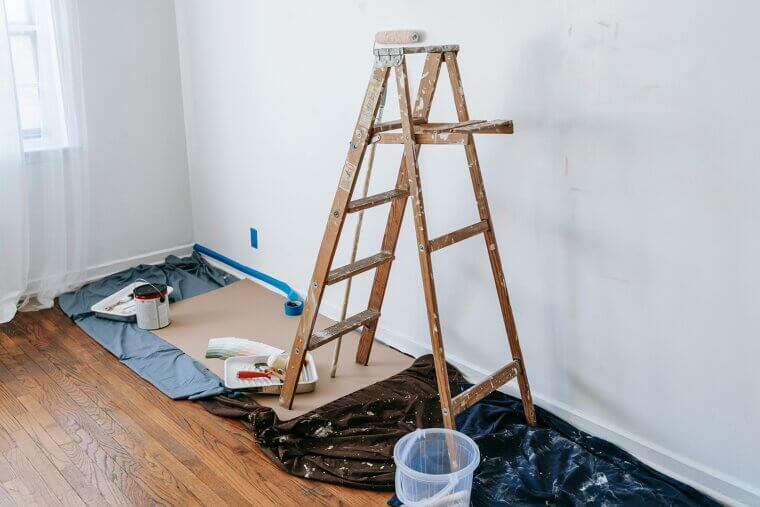
Step Ladder
The step ladder exists to prevent risky acrobatics involving chairs and optimism. It gives you safe access to ceilings, light fixtures, shelves and high corners that otherwise demand questionable balance. A compact, sturdy ladder is ideal for most homes - it’s easy to store, quick to deploy and solid underfoot. Non-slip steps are essential; wobble is not a personality trait you want in furniture. With a ladder, “out of reach” becomes merely “slightly inconvenient” - which is a powerful upgrade!