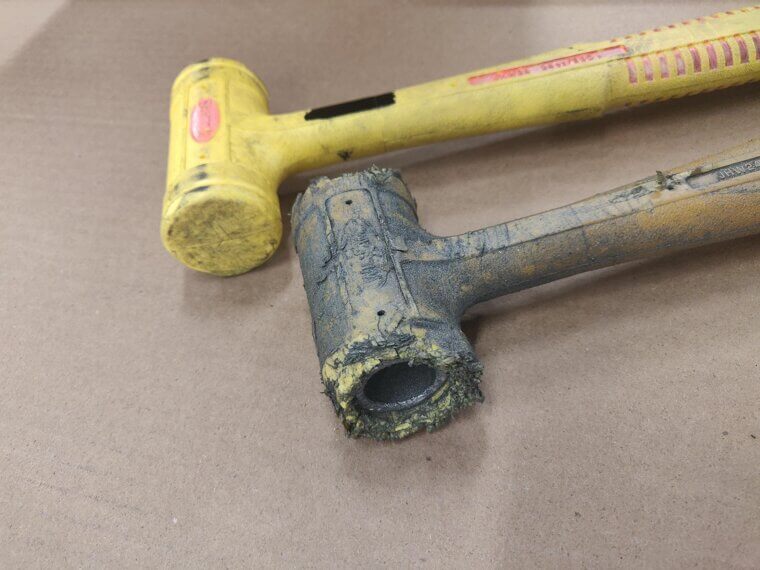
Rubber Mallet
You’ve probably found yourself in a number of situations where you need to strike something, but you do not want to use enough force to cause damage. A rubber mallet is specifically meant for these kinds of situations. With this tool, stubborn parts get persuaded, not punished. It allows you to gently tap items into place without putting dents in metal, cracking wood, or chipping finishes. It provides a safer way to assemble furniture, and wood joints can go together more cleanly.
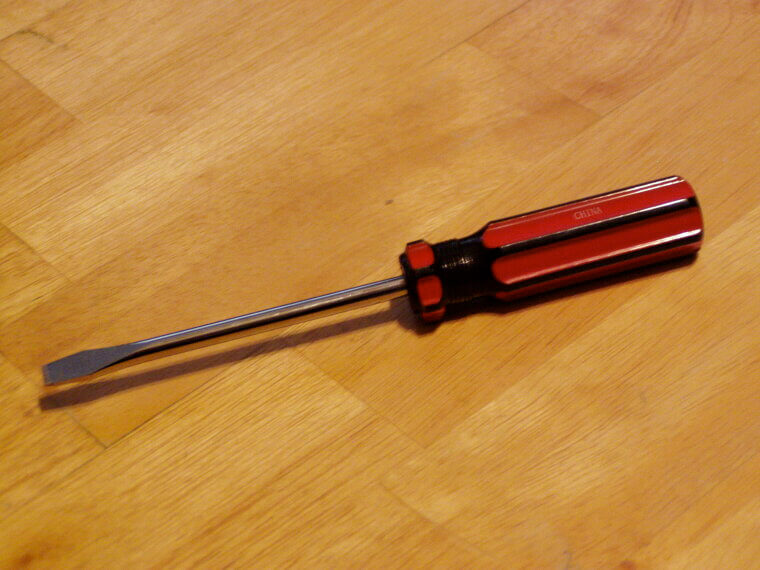
Simple Flathead Screwdriver
The flathead screwdriver may be the least appreciated tool in a toolbox, but it’s the one that somehow gets used the most. Yes, it turns flathead screws, but that’s only scratching the surface of what this tool can do.
A flathead screwdriver is used to pry lids open, remove gunk, reposition items that need to be aligned, and can also be used as a small lever when you need a little extra muscle. It's the first tool you reach for, even if you don’t know what the problem is yet. Every toolbox has one that’s chipped and scratched due to its versatility and frequent usage.
A flathead screwdriver is used to pry lids open, remove gunk, reposition items that need to be aligned, and can also be used as a small lever when you need a little extra muscle. It's the first tool you reach for, even if you don’t know what the problem is yet. Every toolbox has one that’s chipped and scratched due to its versatility and frequent usage.
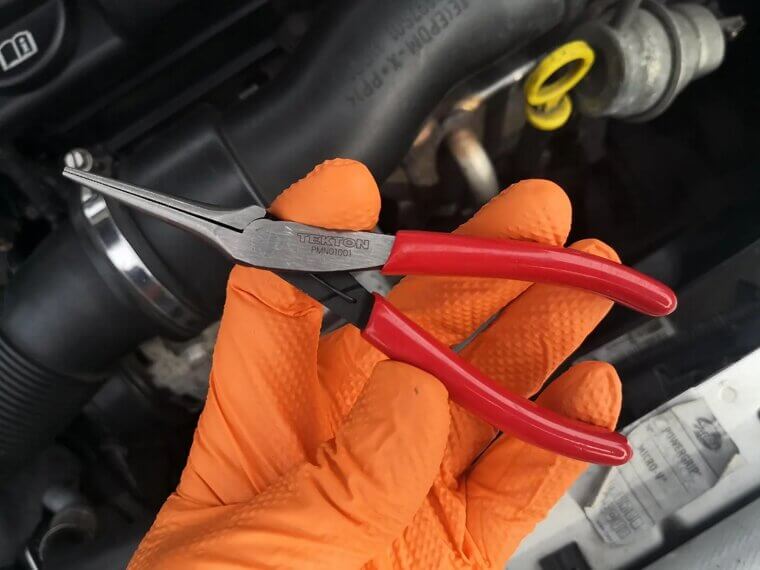
Needle-Nose Pliers
When you first get needle-nose pliers, they may seem too delicate for you to use. However, when you actually need them for some task, they will make perfect sense to you, and sometimes, they’re the only tool that will work in certain situations.
The pliers are long and thin enough to reach into very tight areas to extract small parts. They are also good for holding small objects that your fingers can’t. If you were to drop a screw into a crevice in the wall, or a piece of wire that’s bent out of shape, needle-nose pliers are what you want to use. You might go weeks without touching them, but the moment a job gets fiddly, you’ll appreciate having them.
The pliers are long and thin enough to reach into very tight areas to extract small parts. They are also good for holding small objects that your fingers can’t. If you were to drop a screw into a crevice in the wall, or a piece of wire that’s bent out of shape, needle-nose pliers are what you want to use. You might go weeks without touching them, but the moment a job gets fiddly, you’ll appreciate having them.
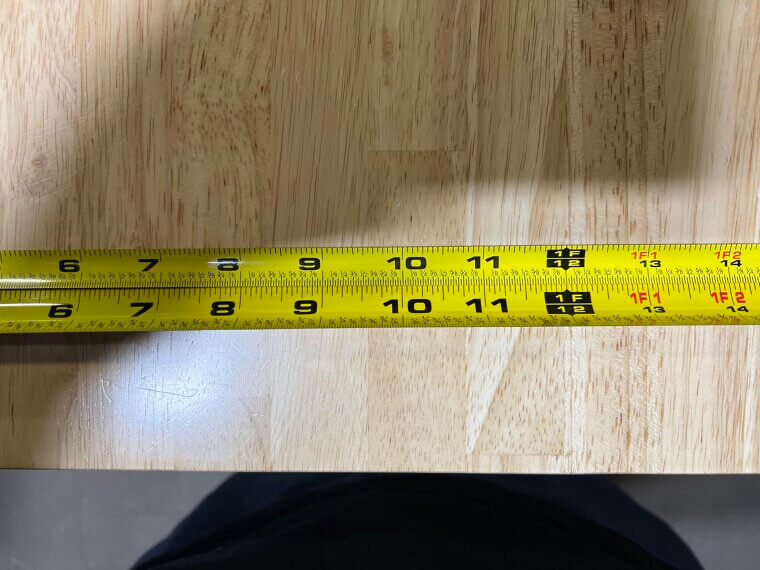
Tape Measure
The tape measure is one of those tools that helps you avoid some of your biggest challenges. While it might seem quicker to guess measurements at first, estimating can become tedious very quickly. The tape measure stops you from making mistakes early in the planning stages of your project. You can use it to confirm that furniture fits, shelves are straight, or that a piece can pass through a doorway. If you get used to measuring first, "eyeballing" things becomes a last resort. Tape measures may not be glamorous, but they save time, cash, and a lot of unnecessary frustration.
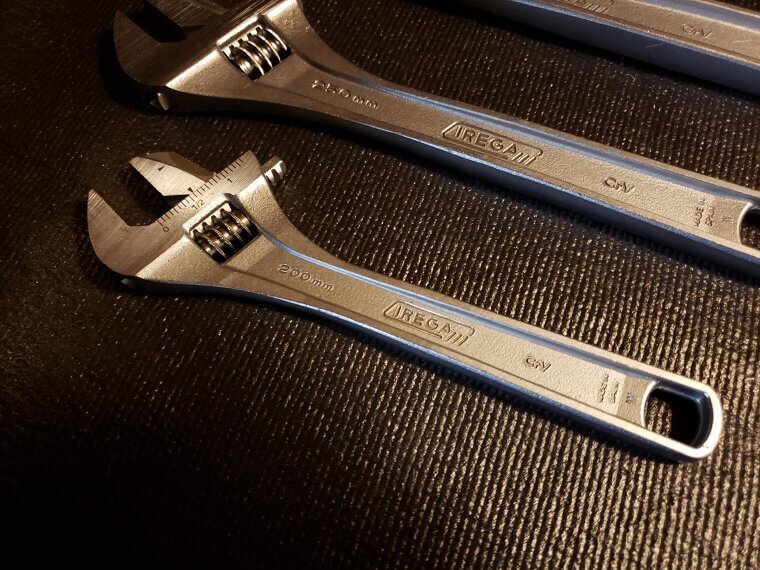
Adjustable Wrench
Adjustable wrenches are the go-to tools when you don’t want to think too hard. Instead of hunting for the exact wrench size, you grab this and move on with your life. It’s perfect for quick fixes, loose bolts, and random household problems that don’t deserve a full setup. From plumbing jobs and furniture assembly to bike adjustments, an adjustable wrench can handle them all. While it may not be perfect for every situation, it’s very flexible, and that makes it incredibly useful.
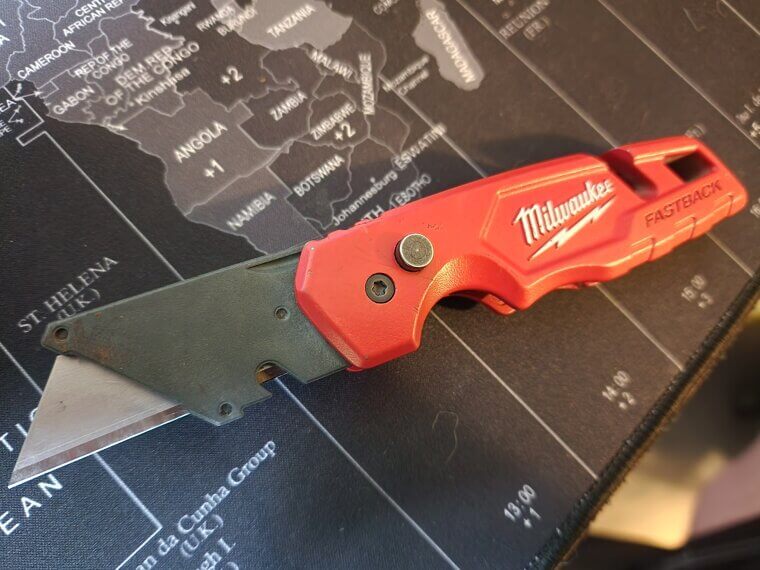
Utility Knife
Most people think this is just for opening boxes, but it does way more than that. It cuts, scores, trims, scrapes, and cleans up messy edges better than most tools in your kit. A sharp blade makes everything easier and cleaner. It’s great for removing old tape, cutting insulation, trimming materials, or fixing small mistakes. Keep the blade fresh, and this thing becomes one of the most reliable problem solvers you own without much effort at all.
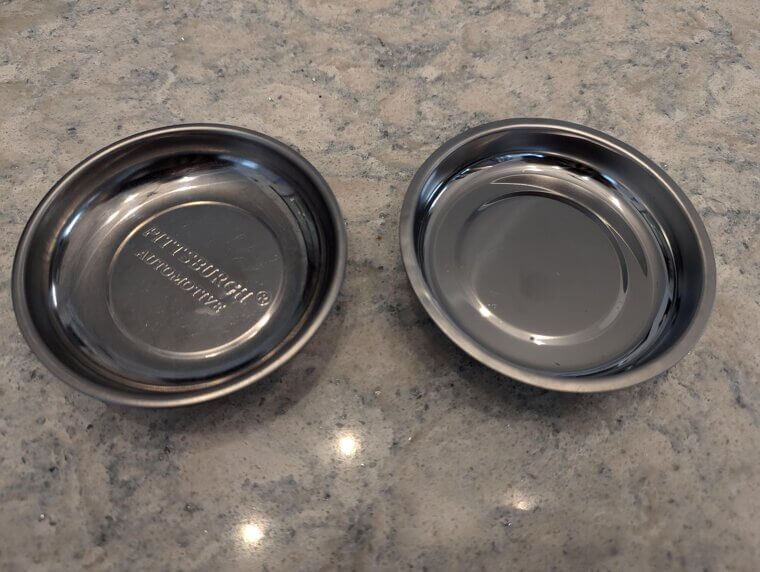
Magnetic Parts Tray
This little tray doesn’t look impressive, but it saves your sanity. Screws, bolts, washers, and tiny clips all love to roll away the second you look away. This tray puts an end to that chaos. You drop everything into it, and it just stays there, even if you bump the table or shift positions. It’s especially helpful when you’re working under a car or on something with way too many fasteners. This tray quietly saves time and frustration, and once you use it, you’ll refuse to work without it.
Allen Key Set
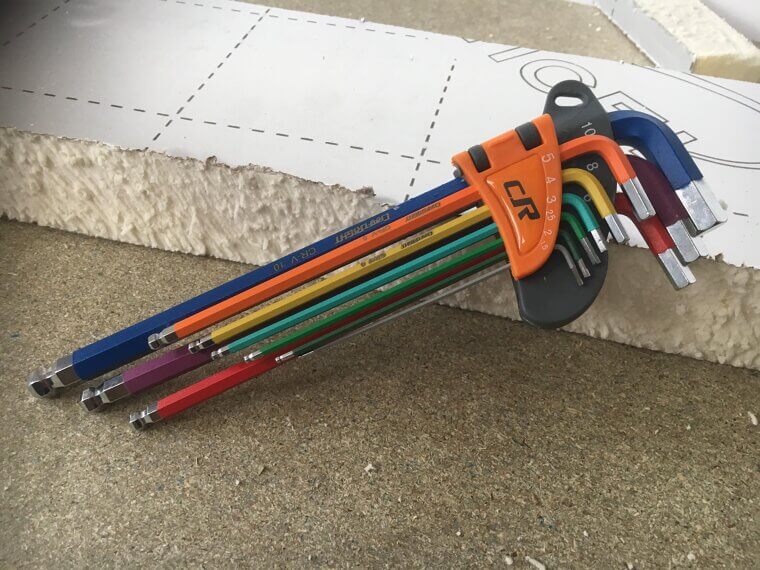
Allen keys don’t get much respect, but they’re holding a shocking amount of modern life together. Furniture, bikes, exercise equipment, grills, and appliances all use hex screws now. A full set means you’re never stuck staring at a loose bolt with no way to fix it. Ball-end keys are especially helpful because they let you work at weird angles when space is tight. You rarely think about these tools until something starts wobbling, then suddenly they’re the heroes of the moment. They’re cheap, small, and ridiculously useful to keep around.
Small Level
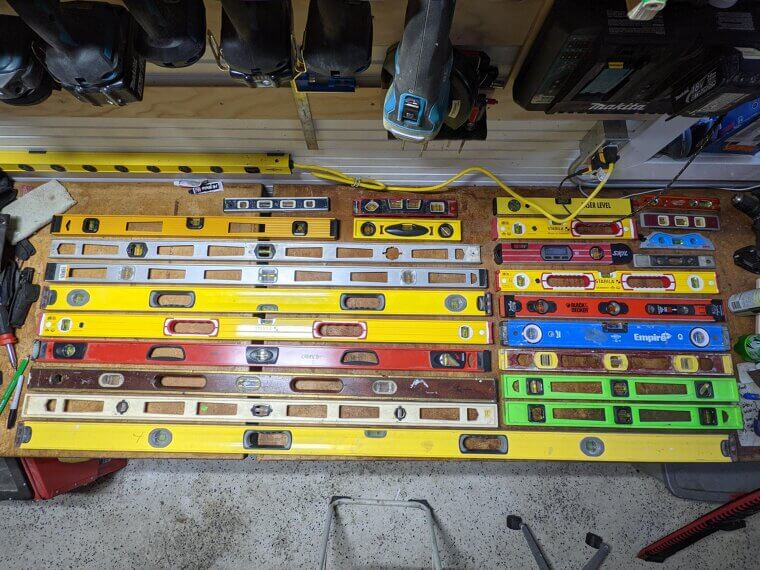
Although big levels look impressive, the small one is the tool you’ll use more. Using a big level to hang pictures or towel bars seems easy until you realize that everything is slightly crooked. A Small levels can fit into places bigger levels can’t, allowing for easier access to the answers you need, with little effort on your part.
With this tool, you won’t have to spend an inordinate amount of time readjusting items and guessing their placement. Once you use one regularly, you start noticing crooked things everywhere. It’s a tiny tool that’s perfect for making your projects look more polished and professional with minimal effort.
With this tool, you won’t have to spend an inordinate amount of time readjusting items and guessing their placement. Once you use one regularly, you start noticing crooked things everywhere. It’s a tiny tool that’s perfect for making your projects look more polished and professional with minimal effort.
Work Light or Headlamp
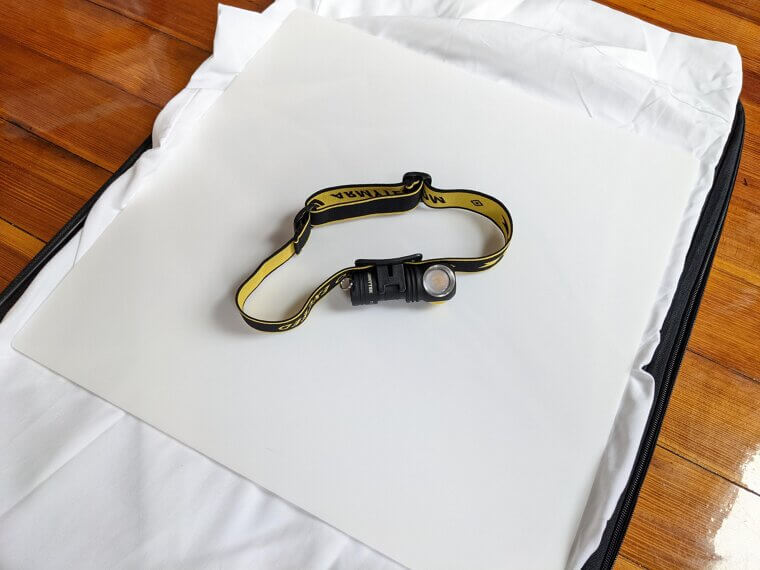
Good lighting changes everything. That one overhead bulb is never enough. A portable work light or headlamp lets you actually see what you’re doing instead of guessing. It’s especially helpful in basements, under sinks, inside engines, or behind furniture. A headlamp keeps both hands free, which feels like cheating once you try it. You’ll make fewer mistakes and work faster simply because you can actually see the problem clearly.
Speed Square
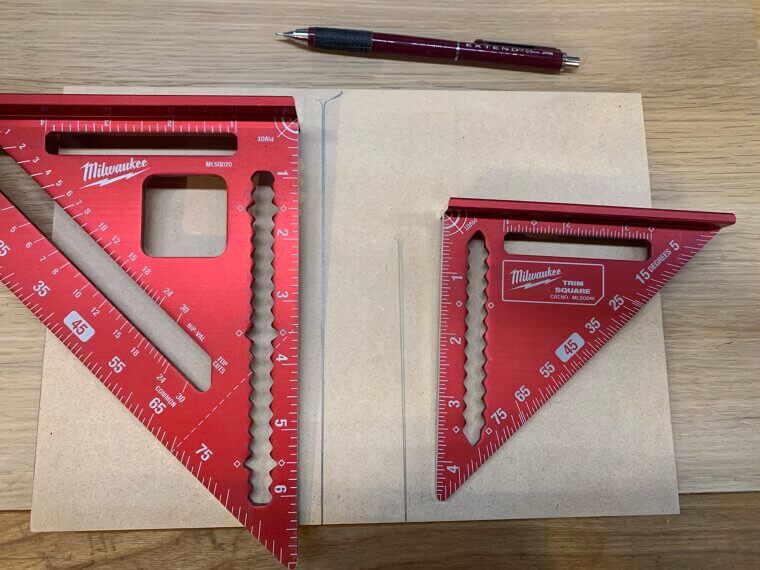
Many people think speed squares are just for serious carpenters. However, they are extremely useful for making fast, accurate markings. They allow you to easily draw straight lines, check for correct angles, and mark your cuts without the need to measure three times.
Speed squares are an excellent guide when cutting wood, and you can even just use them to check if something is square. Once you begin using one, you will realise how helpful and valuable it can be. It’s faster than pulling out a big framing square and way more precise than guessing.
Speed squares are an excellent guide when cutting wood, and you can even just use them to check if something is square. Once you begin using one, you will realise how helpful and valuable it can be. It’s faster than pulling out a big framing square and way more precise than guessing.
Clamps
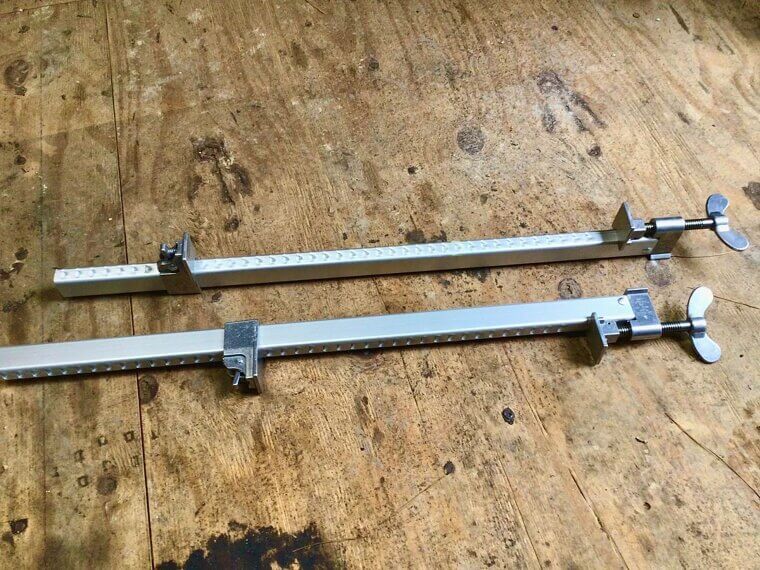
Clamps never get enough respect. They act like extra hands when you don’t have enough hands. Holding things together while glue dries, stabilizing materials while cutting, or keeping something steady while you work. You don’t realize how often you need them until you start using them regularly. Even cheap clamps get the job done. Once you stop trying to hold everything manually, projects suddenly feel less frustrating and a lot safer.
Putty Knife
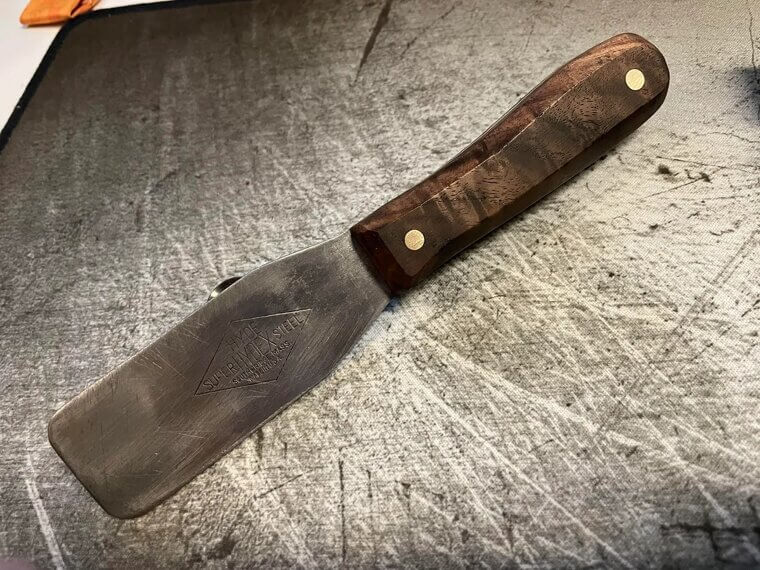
This tool does a lot more than people give it credit for. It scrapes, spreads, pries, and smooths without requiring much energy from you at all. It’s especially handy when you need to fill holes, remove old caulk, scrape paint, or clean surfaces. You can also use it when you need something flat and firm but not sharp. While using a putty knife, you don’t have to worry about damaging things the way you would with a blade.
Stud Finder
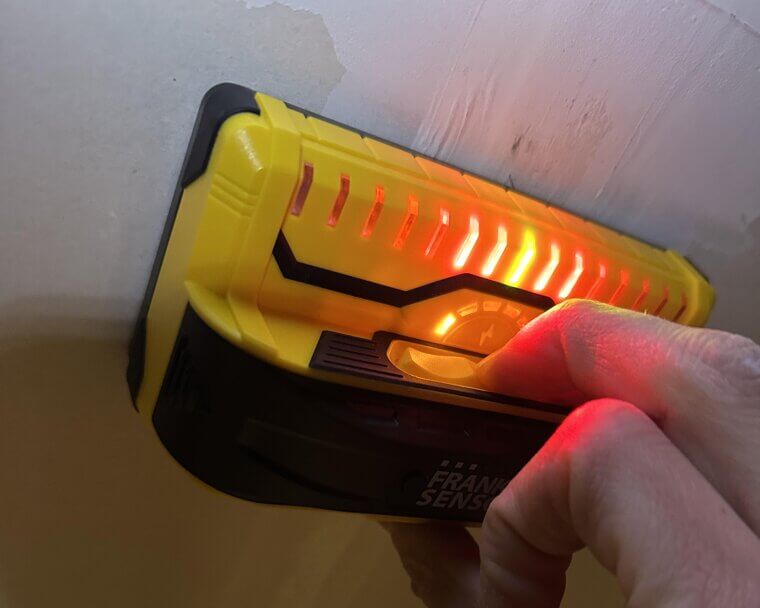
It can be difficult to know where to drill holes when trying to hang things on your walls without a stud finder. By using this tool, you will know exactly where to drill into your wall safely and where not to drill. The latest stud finders are easy to use and very accurate. The additional advantage of this tool is that it helps you avoid accidentally hitting electric wiring or plumbing while hanging something on your wall. After you use one a few times, drilling into a wall blindly feels reckless.
Feeler Gauge
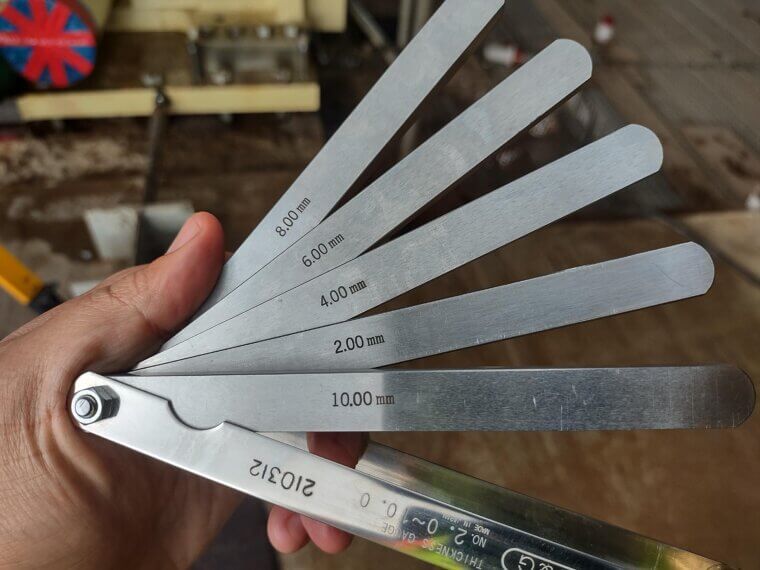
Feeler gauges are small, thin strips of metal that seem to be specifically designed for a specific purpose. Because of this, most people tend to overlook them. However, they provide a huge benefit in matters of spacing. Whether it's checking spark plug gaps, setting small clearances, or figuring out why two parts are rubbing when they shouldn’t, a feeler gauge takes all the guesswork out of it. Over time, a feeler gauge will help you understand how often tiny gaps matter. It’s one of those tools that quietly improves precision without making a big deal about it.