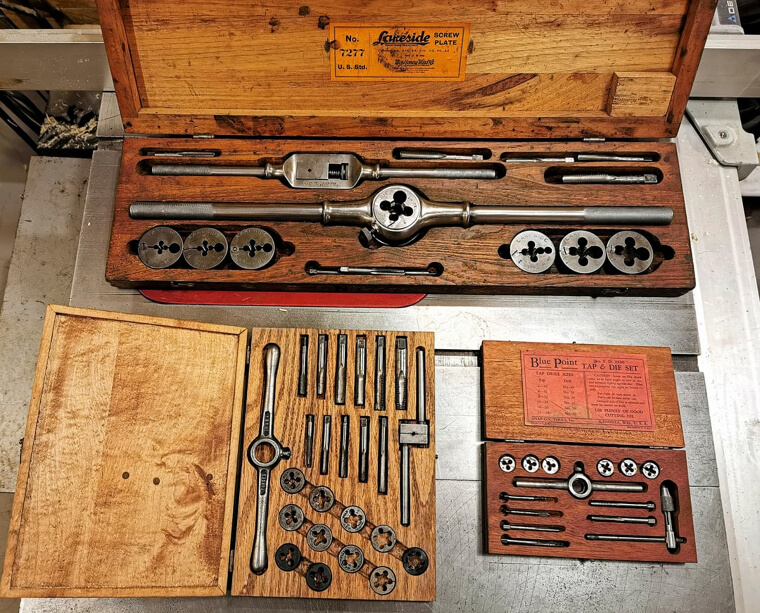
Old Tap and Die Sets in Wooden or Metal Cases
Vintage tap and die sets were made with hardened steel that produces clean, consistent threads with less wear than many modern budget sets. People often sold them because the cases looked old or the pieces appeared outdated. Later, they discover that newer sets strip easily, break under pressure, or create rough threads that damage fasteners. Vintage sets usually come in sturdy wooden or metal cases that protect the pieces well. DIYers regret selling them once they realize that restoring an older set is easier and more reliable than buying a cheap new one. Collectors also value complete vintage sets, adding to the regret of letting them go for almost nothing.
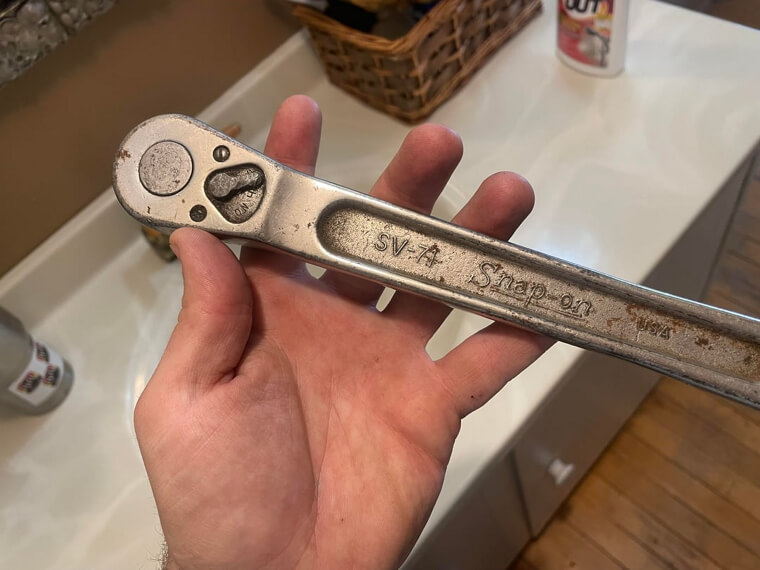
Old Snap on Wrenches and Ratchets
Older Snap on wrenches and ratchets were produced with extremely high quality steel and machining that still feels smooth decades later. Many people sold them without realizing that vintage Snap on tools hold strong resale value and are prized by mechanics for their longevity. These tools often feature serviceable internals, meaning the ratchets can be taken apart, cleaned, and restored to near perfect condition. Modern versions are still good, but many enthusiasts argue the older ones have a sturdier feel and tighter operation. Those who sold them for a few dollars regret it when they learn that certain discontinued Snap on pieces now sell for far more online. Their durability and collectibility make them tools that should never have left the toolbox.
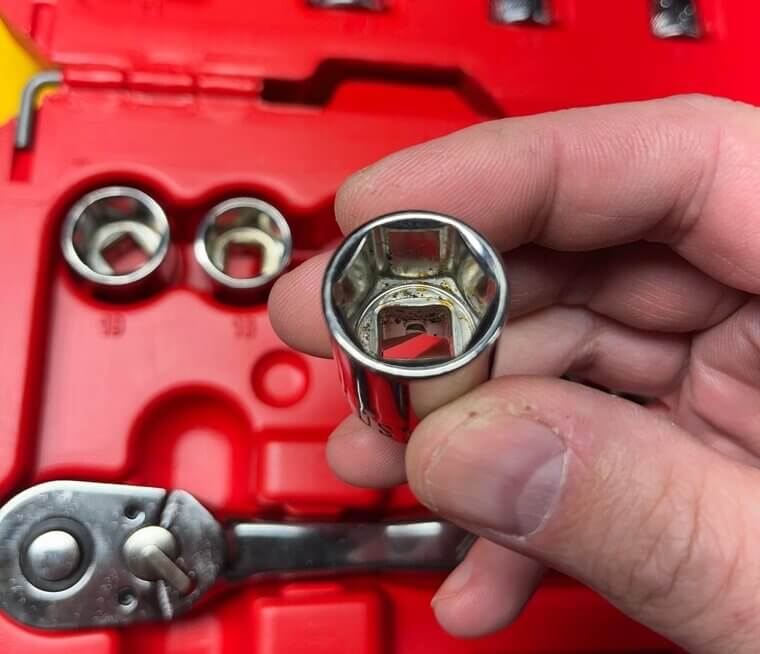
Craftsman USA Made Sockets and Wrench Sets
Many people parted with older Craftsman socket and wrench sets because they assumed new tools would offer similar performance. The original USA made Craftsman tools were built with hardened steel and manufacturing standards that are difficult to match today at an affordable price. These sockets grip fasteners well, resist rounding bolts, and maintain their integrity even after decades of heavy use. Sellers often learn too late that collectors value the older stamping and production quality. Replacing a vintage Craftsman set often requires paying high resale prices, and the newer versions sometimes feel lighter or less precise. This creates lasting regret among DIYers who did not realize they were selling high quality tools that could have lasted another lifetime.
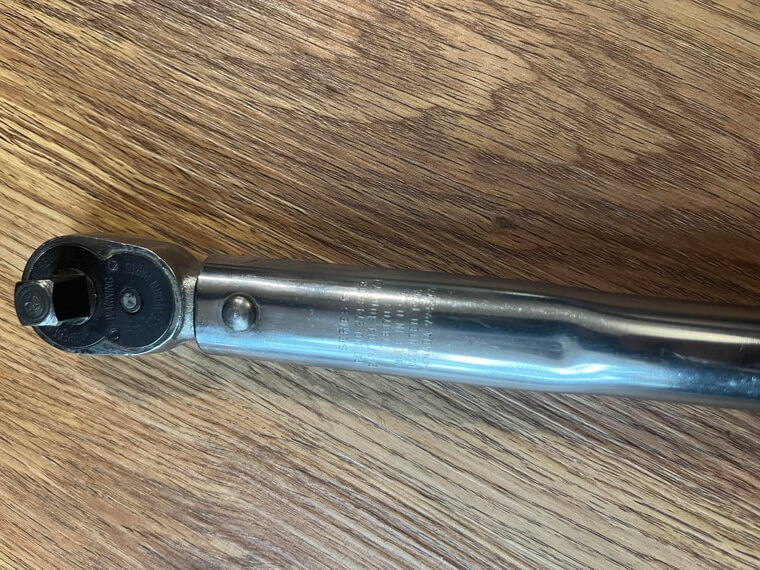
Vintage Torque Wrenches With Metal Housings
Older torque wrenches with metal housings were built for accuracy and durability. Many people sold them cheaply when digital models became popular, believing the newer technology would be easier. Later, they find digital torque wrenches require batteries, can be more fragile, and may lose calibration quickly. Vintage mechanical torque wrenches are straightforward to recalibrate, easy to maintain, and tolerate years of use without failure. Their metal casings protect internal mechanisms better than many modern plastic designs. DIYers often regret selling them once they realize how reliable and long lasting the older versions are. These tools now command higher prices among mechanics who prefer the feel and consistency of traditional torque mechanisms.
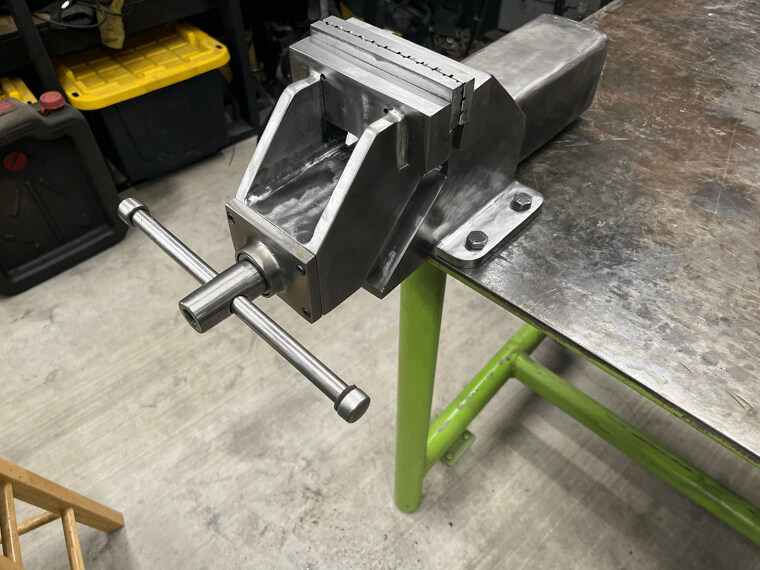
Heavy Duty Bench Vises Made From Cast Steel
Vintage bench vises were built with cast steel bodies that can withstand decades of clamping, pounding, grinding, and twisting. Many people sold older vises during garage cleanouts because they seemed bulky or outdated compared to modern lightweight versions. After replacing them, they discover newer vises often crack, shift, or lack the stability of the older models. Vintage vises hold workpieces securely, resist flexing, and operate smoothly with simple lubrication. Some are now considered collectible, and their resale value has climbed significantly. DIYers frequently regret parting with these robust tools once they see how hard it is to find comparable strength and reliability in current products. A good vintage vise can last generations, making a low sale price particularly regretful.
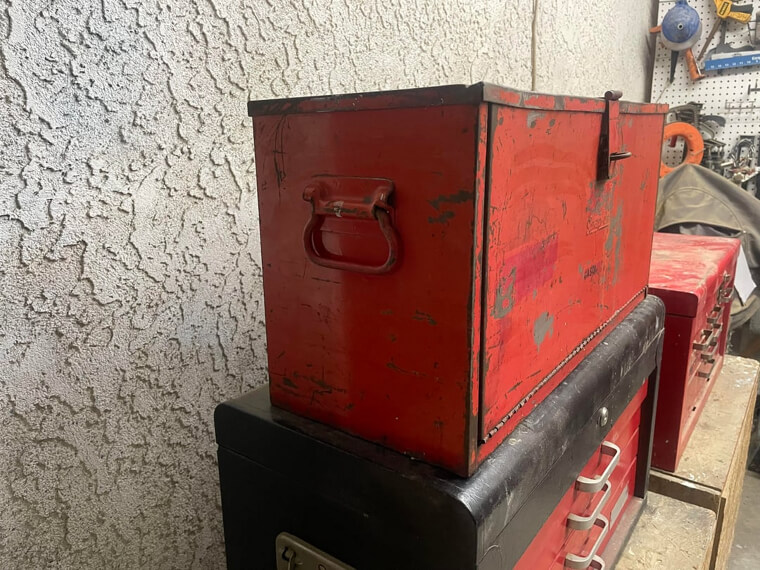
Vintage Metal Toolboxes With Reinforced Hinges
Older metal toolboxes were built with solid steel, reinforced hinges, and tight fitting drawers that hold up under constant use. Many people sold them when lighter plastic boxes became popular. Over time, they discover that plastic models warp, crack, or fail at the corners when heavily loaded. Vintage toolboxes protect tools better, survive drops, and maintain their shape even after years in a workshop. Many models also carry brand history that appeals to collectors. Once people realize how dependable the older versions are, they regret letting them go for just a few dollars. Finding a well preserved vintage toolbox usually costs far more than what they sold theirs for, adding to the disappointment.
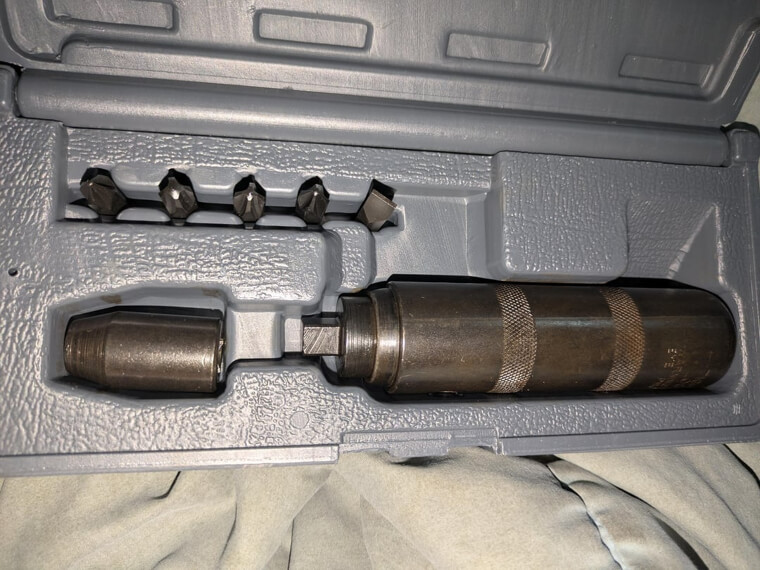
Manual Impact Drivers From Early Tool Lines
Before cordless impact tools became common, manual impact drivers were essential for loosening stubborn screws and bolts. Many people sold them cheaply, assuming modern power tools would replace them entirely. Later, they realize manual impact drivers excel in tight spaces, delicate repairs, and controlled force situations where a power tool may cause damage. Vintage versions were built with heavy steel bodies and strong internal springs that deliver reliable torque with a hammer strike. Their bits are replaceable and often stronger than current alternatives. DIYers regret selling them once they notice modern replacements feel lighter and less reliable. The older models continue to work flawlessly after decades of use.
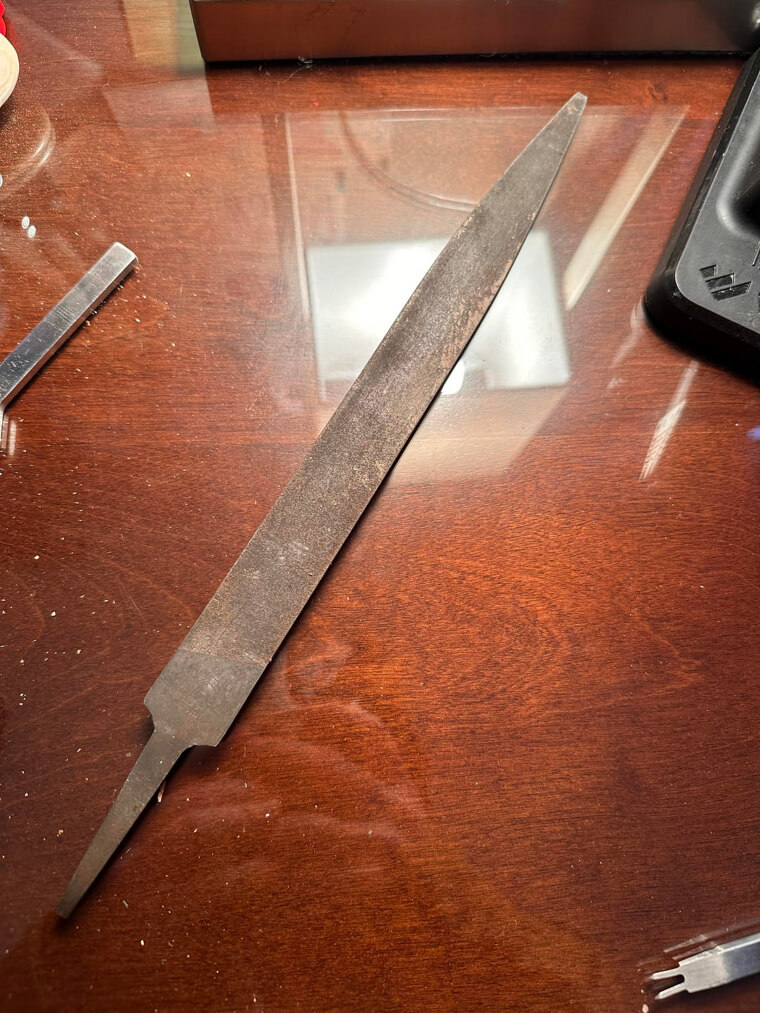
High Grade Metal Files and Rasps
Vintage metal files and rasps were manufactured with superior hardening and cutting processes that allowed them to maintain sharp edges for years. Many people sold them during decluttering, thinking they were ordinary hand tools. After using modern files that dull quickly or feel uneven, sellers often regret parting with the older ones. Vintage files cut smoothly, resist wear, and can be restored with simple cleaning. Woodworkers and mechanics seek them out because of their durability and consistent performance. Once people experience the difference, they realize the older files were far more valuable than the few dollars they sold them for.
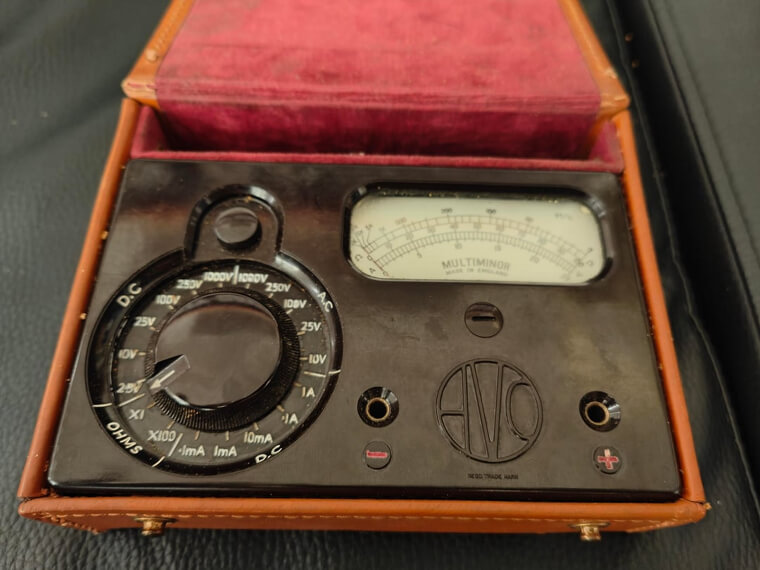
Vintage Multimeters With Analog Dials
Analog multimeters from earlier decades were built with durable internals and precise moving coil mechanisms. Many owners sold them cheaply after switching to digital meters, only to realize later that analog models offer better feedback for fluctuating readings, especially in older automotive systems. These tools handle electrical noise well and are less sensitive to minor variations that confuse digital models. Their solid construction also makes them more resilient in workshop settings. Replacing a reliable analog meter often requires searching through collector markets, which underscores the regret of selling a perfectly functioning tool for very little money.
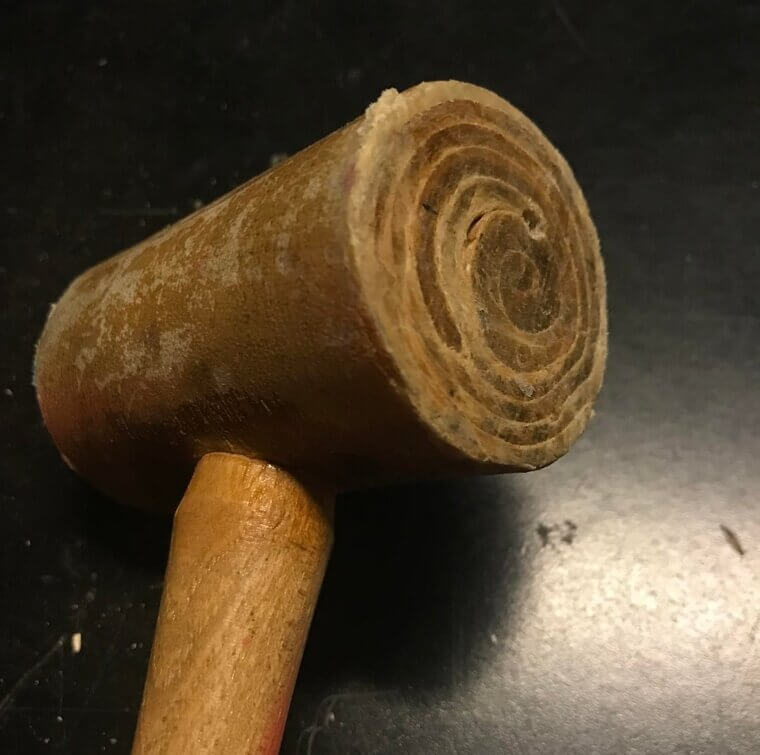
Vintage Mallets, Hammers, and Striking Tools
Older striking tools were commonly made with forged steel heads and hickory handles that absorb shock and last for decades. Many people sold them because they looked worn or outdated, not realizing they were built to be refurbished. Modern budget hammers often have weaker steel, poorer balance, and handles that loosen or crack quickly. Vintage hammers can be restored with simple sanding and oiling, returning them to excellent working condition. Mechanics and carpenters appreciate the weight, balance, and durability of older striking tools. Once people experience the performance difference, they regret selling these classics for a few dollars and struggle to find modern equivalents that match their longevity.