
Mowing Too Short
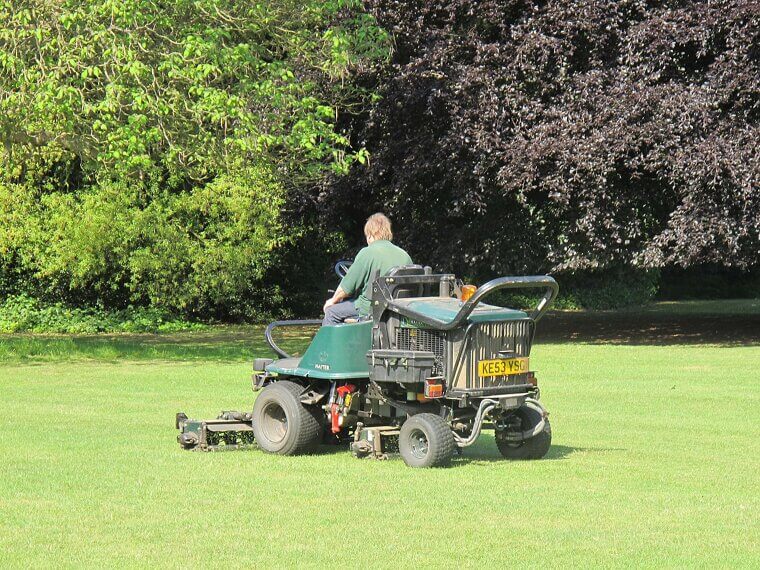
If you cut your grass too short, it can weaken your lawn by exposing the soil to direct sunlight. This makes the soil less fertile, dries out the roots and leaves the grass open to weeds and pests. Letting your grass grow a bit taller helps to shade the soil, lock in moisture and encourages roots to grow deeper. Generally, experts recommend mowwing at a height of 5 to 7 cm and avoid cutting off more than one-third of the blade at a time. By doing this, your lawn will remain healthy and fertile - especially during the summer months.
Overwatering
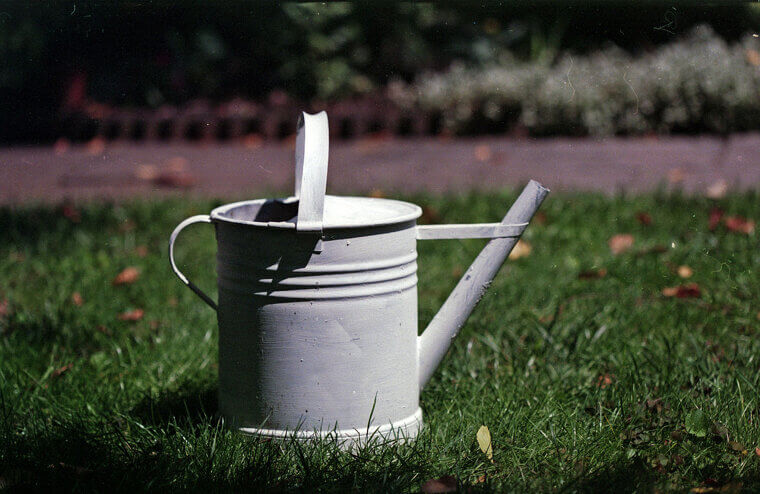
A lot of people believe that watering their lawn more will make the grass greener, but too much water can actually do more harm than good. Overwatering keeps oxygen from reaching the roots, which weakens the grass and can lead to moss or mold. It also wastes water and raises your utility bill. Instead, try watering less often but more deeply. Also, let the soil dry out a bit between waterings. This will help the roots grow deeper and make your grass more immune to dry spells. Most lawns need about 2 to 3 centimeters of water each week - depending on the weather and your soil.
Underwatering
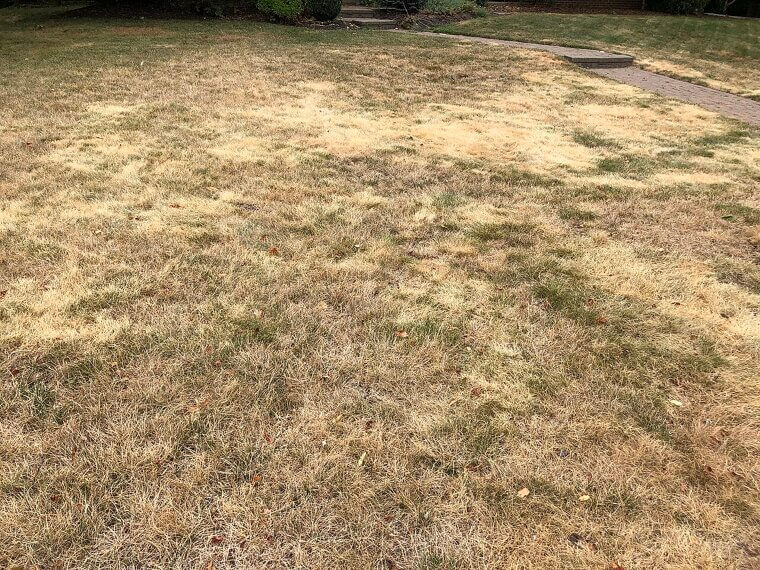
Not watering your lawn enough can also the grass, causing shallow roots and brown spots. If you water only now and then, the grass may wilt, thin out and attract more pests. Try to water on a regular schedule. To be more specific, most lawns need about 2 to 3 centimeters of water every week. Watering deeply helps to promote root growth, making your lawn stronger and more resistant during hot weather. By watering regularly and thoroughly, you can keep your lawn green, thick and healthy year-round.
Watering at the Wrong Time
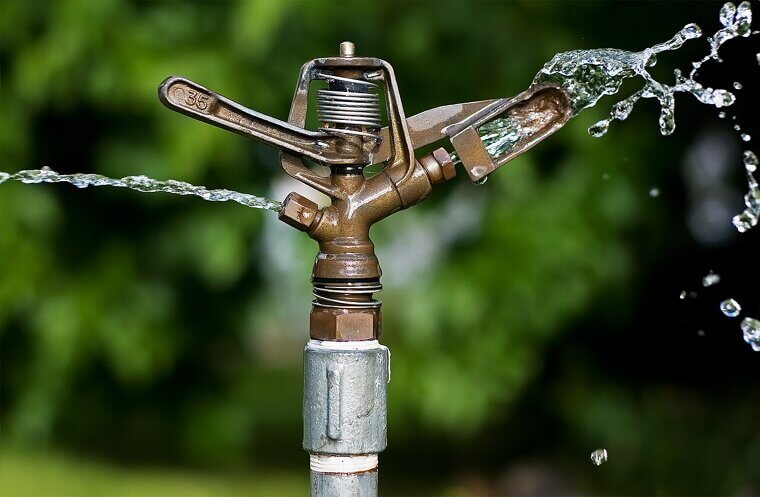
Not many people know this, but timing is extremely important when it comes to watering your lawn. If you water in the middle of the day, much of it will just evaporate before it can actually reach the roots. Watering in the evening keeps the grass wet overnight, which can cause fungus growth. The best time to water is early in the morning - more specifically, between 5 and 9 a.m. Because it is less windy and the sun rays aren't as strong, the water will soak into the soil, reducing evaporation. Watering in the morning also lets the grass dry out during the day, which lowers the risk of disease.
Using Dull Mower Blades
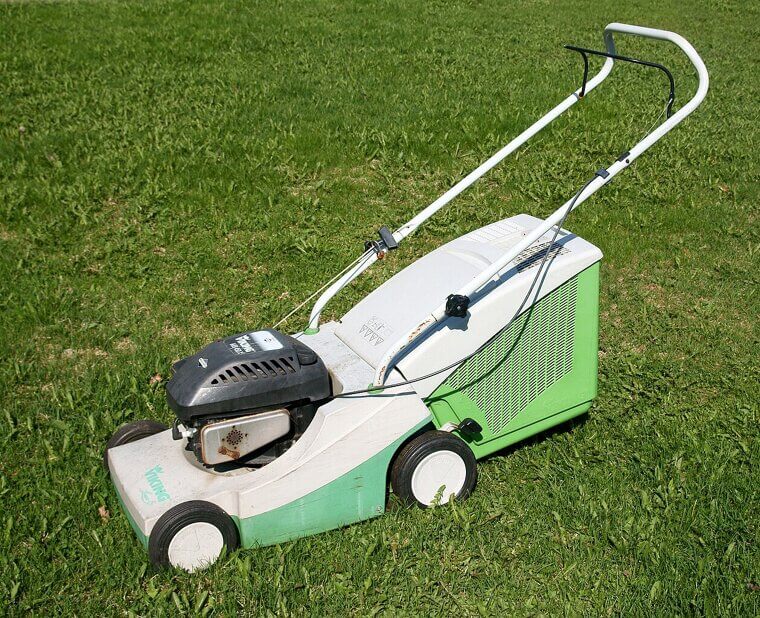
When mower blades are dull, they tear the grass instead of making a clean cut. This leaves jagged edges that turn brown and increase the risk of disease. Grass with torn blades also loses moisture more quickly, which weakens your lawn. To keep your grass healthy, be sure to sharpen your mower blades once or twice each season. Sharp blades make clean cuts, helping grass to heal faster, stay green and resist pests. Additionally, keeping your blades sharp makes your mower work better and saves you time and fuel.
Fertilizing Incorrectly
Using too much fertilizer in the summer can burn your grass and cause yellow streaks. On the other hand, using too little means that your lawn misses out on important nutrients. Timing is also very important. Fertilizing when it’s too hot can put extra stress on your grass. Try using a slow-release fertilizer in moderation and apply it in late spring or early summer. This gives your lawn steady nutrition without harming the roots.
Ignoring Seasonal Adjustments
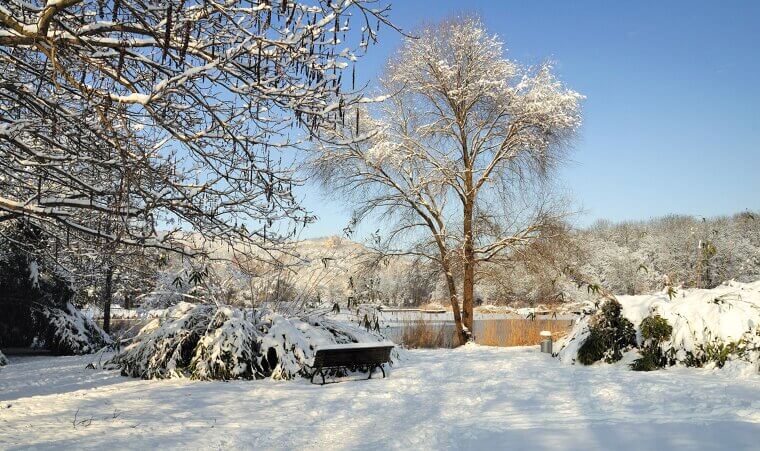
As the seasons change, your approach to caring for your lawn should also. In summer, you should mow at a higher setting, water less often but more deeply and skip heavy fertilizing during the hottest period. If you don’t adjust your routine, the grass can get stressed, making it more likely to suffer from drought or disease. Making small changes each season helps your lawn handle the weather and stay healthy.
Cutting Wet Grass
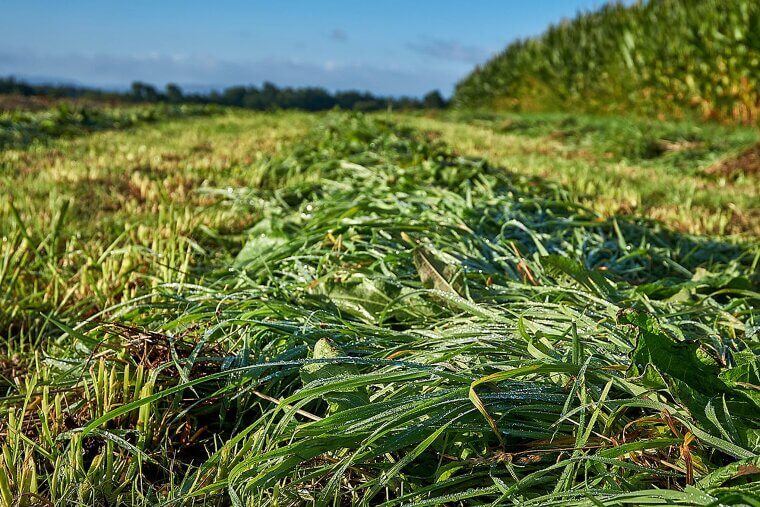
Mowing wet grass can lead to clumping, uneven cuts and compacted soil. On top of this, wet clippings often stick to the mower blades and leave messy piles that can smother healthy grass. There is also a higher risk of slipping and damaging the turf. For this reason, it’s always best to wait until the grass is dry before mowing. This gives you a cleaner cut, spreads the clippings more evenly and lowers the risk of disease. If it rains often, try to mow during dry periods.
Neglecting Soil Health
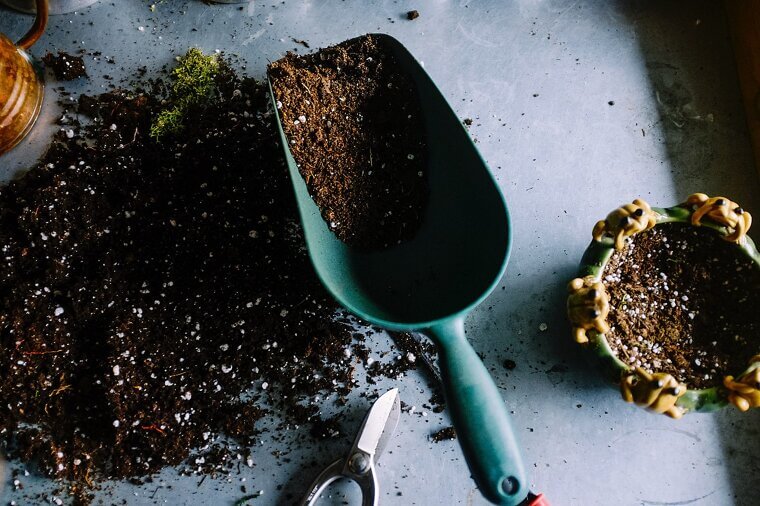
To grow healthy grass, you need healthy soil. When soil gets compacted, roots don't grow well, water doesn’t soak in properly and nutrients are harder to reach. This can make your lawn look thin and patchy over time. Aerating your lawn at least once a year promotes air, water and nutient absorption. Adding compost or other organic matter also improves soil health. Focusing on soil care gives your lawn a strong base so that it stays healthy throughout the year.
Forgetting to Mulch
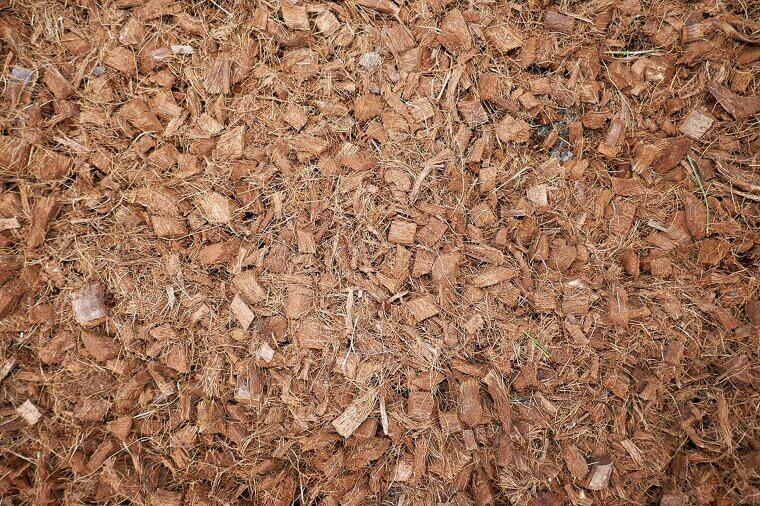
When you bag grass clippings, you take away important nutrients from your lawn. If you leave the clippings to decompose on the lawn, they break down and add nitrogen and organic matter back into the soil. Mulching also helps the soil hold moisture and stay cooler during hot summer days. This simple, eco-friendly habit means that you’ll need less fertilizer and your soil will be healthier. The best part? It's completely free and will even make less work for you.
Allowing Weeds to Spread
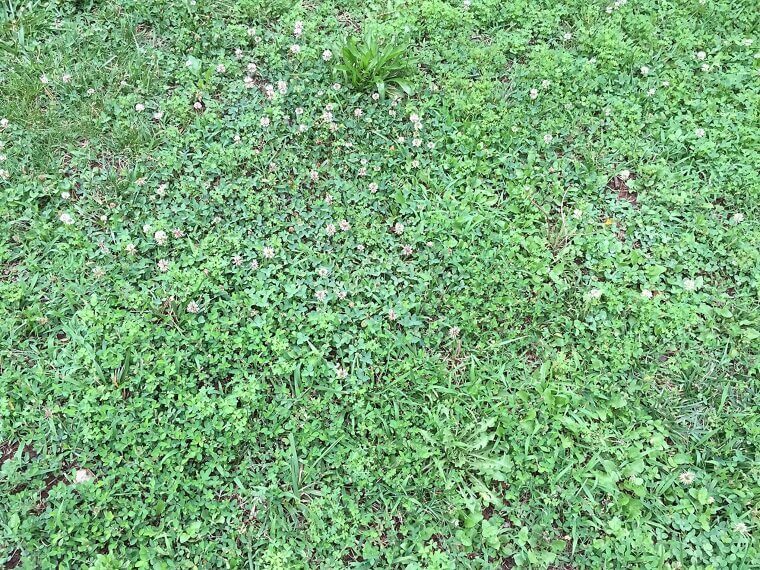
Weeds take water, nutrients and sunlight from your grass, which ultimately weakens your lawn. If you ignore weeds in the summer, they spread quickly and become harder to control. Try to spot and treat weeds early with the right herbicide or by pulling them out before their roots get too deep. Regular mowing and proper fertilizing will also help your grass grow thick, making it harder for weeds to take over. If you let weeds spread, your lawn is likely to end up patchy and uneven.
Ignoring Pests
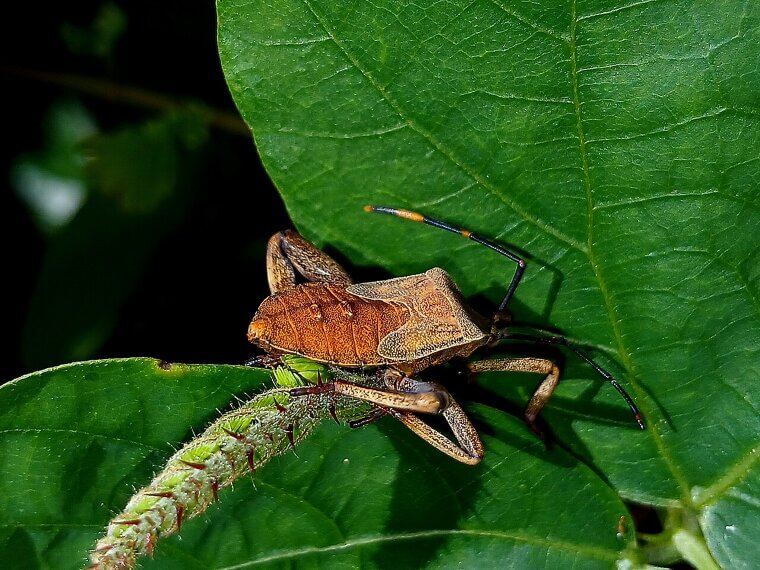
Summer brings out common lawn pests, such as grubs, chinch bugs and armyworms. If you notice early signs of a pest infestation, take action quickly in order to stop it from getting any worse. These pests feed on grass roots and blades, which weakens your lawn and causes visible damage. Check your lawn regularly and treat problems as soon as they appear to avoid bigger issues down the line. Staying alert and acting fast will help keep your lawn green, thick and strong all year-round.
Overusing Chemicals
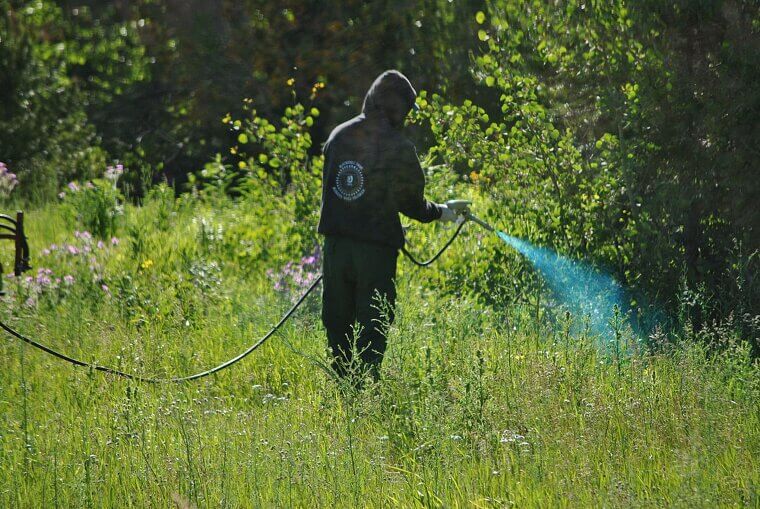
Using too many herbicides and pesticides can harm helpful insects, upset the soil and make your grass weaker in the long run. Additionally, it may lead to chemical runoff, which can pollute nearby water sources. Integrated pest management, which combines cultural, biological and chemical methods, is a much more balanced way to care for your lawn. When your lawn is healthy, it can fight off pests and weeds on its own, so you won’t need as many chemicals. Using chemicals and pesticides responsibly helps to protect your lawn, the environment and even your family.
Not Adjusting for Heatwaves
During a heatwave, your lawn needs extra attention. Sticking to your usual routine can actually put more stress on the grass. Cutting it too short or adding fertilizer in hot weather is likely to make it weaker. Instead, try raising your mower blade to shade the soil, water less often but more deeply and wait to fertilize until it is cooler. Giving your lawn some shade or keeping people off the grass can also make a massive difference. If you skip these steps, your grass may end up dry and brittle. By making these small changes, you will help your lawn to stay healthy and green through the heatwave.
Neglecting Shade Management
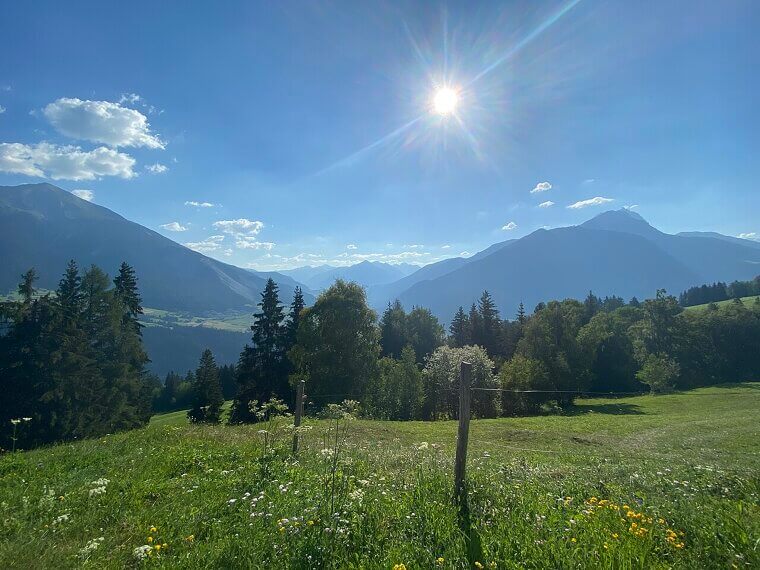
Grass that grows under the shade of trees often has a hard time, as it receives less sunlight and has to compete for water. If you don’t manage the shade, you’ll notice thin and patchy spots. You can help by thinning tree canopies to let in more light and by reseeding with grass that does well in shade. Giving these areas extra water and using fertilizer carefully also makes a huge difference. Taking care of shade issues helps both your trees and grass to stay as healthy as possible.