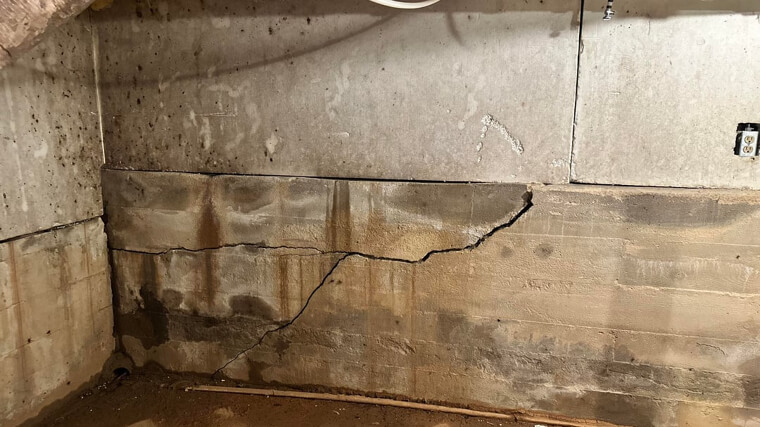
Inconsistent Insulation and Poor Wall Cavity Fill
Older homes, particularly those built before 1970, were often constructed with little to no insulation in the wall cavities, attic, or crawl space. Even if insulation was later added, it may consist of outdated materials like cellulose or vermiculite, which settle over time, leaving large gaps and voids. These voids create pathways for cold air to bypass the insulation entirely, leading to massive heat loss and high utility bills. Furthermore, cold exterior walls allow moisture to condense inside, promoting mold and structural decay.
What You Can Do: Focus on sealing the attic first. Use spray foam to seal all penetrations (pipes, wires, vents) before installing modern, high-R-value fiberglass or blown-in insulation. For exterior walls, consider retrofitting insulation using a dense-pack cellulose or foam injection method, which helps fill voids without requiring a full wall tear-down.
What You Can Do: Focus on sealing the attic first. Use spray foam to seal all penetrations (pipes, wires, vents) before installing modern, high-R-value fiberglass or blown-in insulation. For exterior walls, consider retrofitting insulation using a dense-pack cellulose or foam injection method, which helps fill voids without requiring a full wall tear-down.
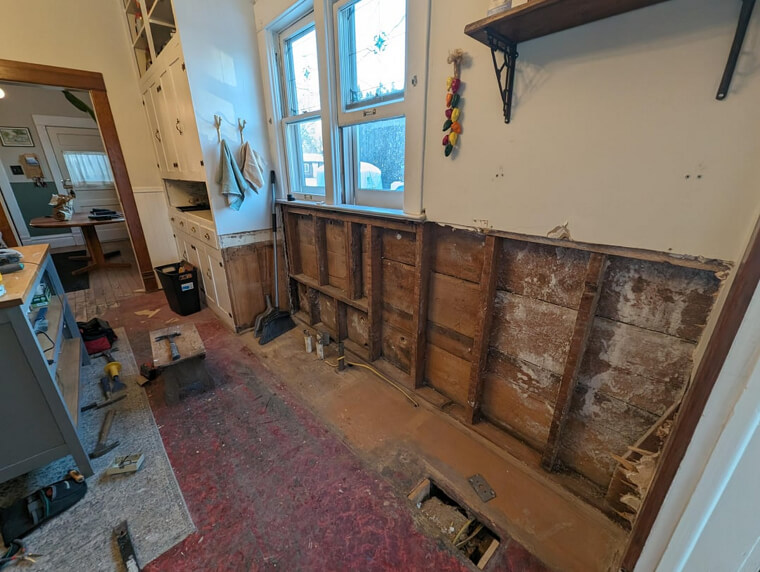
Single-Pane Windows and Original Wood Frames
Original windows are the single biggest energy liability in an old house during winter. Single-pane glass offers almost no thermal barrier against freezing temperatures, and older wood frames, while beautiful, often have failed glazing and degraded putty. The gaps between the sash and the frame allow cold air infiltration, or "drafts," which make rooms feel significantly colder than the thermostat reading suggests. This dramatically increases heating system strain.
What You Can Do: While replacement is costly, a highly effective stopgap measure is using interior window film kits, which create an insulating air gap between the glass and the room. Alternatively, install custom-fit interior storm windows. These are virtually invisible, retain the historic look, and provide the performance benefits of double-pane windows at a fraction of the cost.
What You Can Do: While replacement is costly, a highly effective stopgap measure is using interior window film kits, which create an insulating air gap between the glass and the room. Alternatively, install custom-fit interior storm windows. These are virtually invisible, retain the historic look, and provide the performance benefits of double-pane windows at a fraction of the cost.
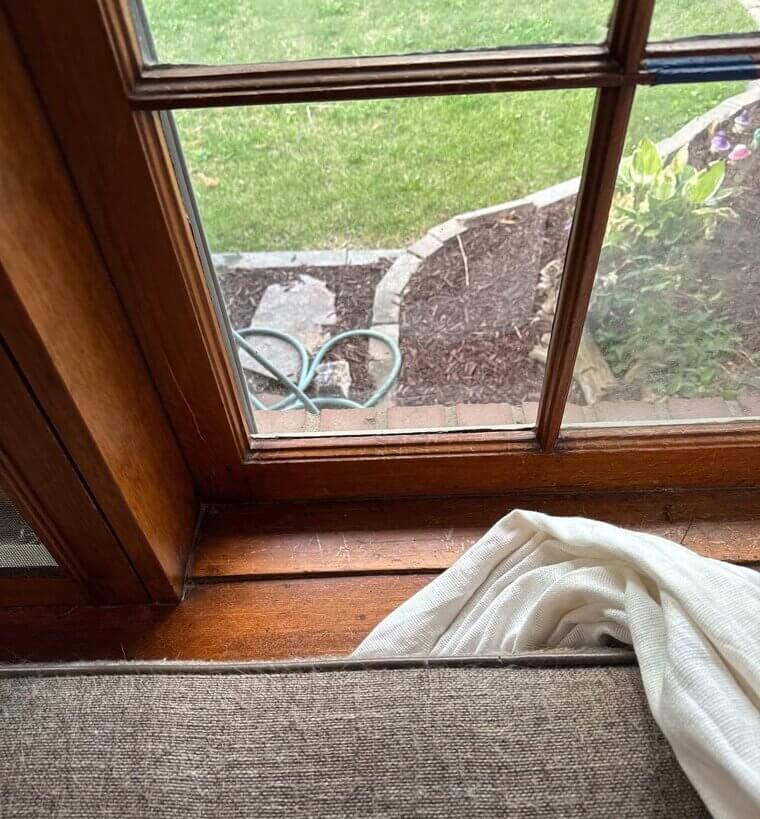
Compromised Roofing and Vulnerable Gutters
The original flashing around chimneys, vents, and valleys in older roofs can break down over decades of expansion and contraction. Winter exposes these weak points. As ice forms and melts, water often penetrates compromised flashing or backs up from clogged gutters, leading to dangerous ice dams. Ice dams force melted snow under the shingles and into the wall structure, causing plaster damage and rot in the soffits.
What You Can Do: Clear all gutters before the first freeze. Ensure downspouts are properly angled away from the foundation. Install heat tape or heating cables along the lowest edge of the roof and inside vulnerable gutters. On warm winter days, use a roof rake to gently clear excessive snow buildup that can lead to ice dam formation.
What You Can Do: Clear all gutters before the first freeze. Ensure downspouts are properly angled away from the foundation. Install heat tape or heating cables along the lowest edge of the roof and inside vulnerable gutters. On warm winter days, use a roof rake to gently clear excessive snow buildup that can lead to ice dam formation.
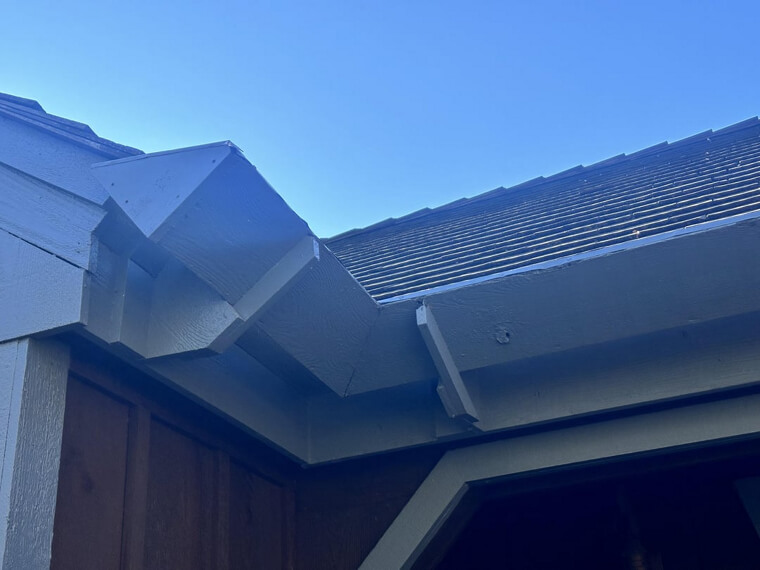
Brittle Pipes and Unprotected Crawl Spaces
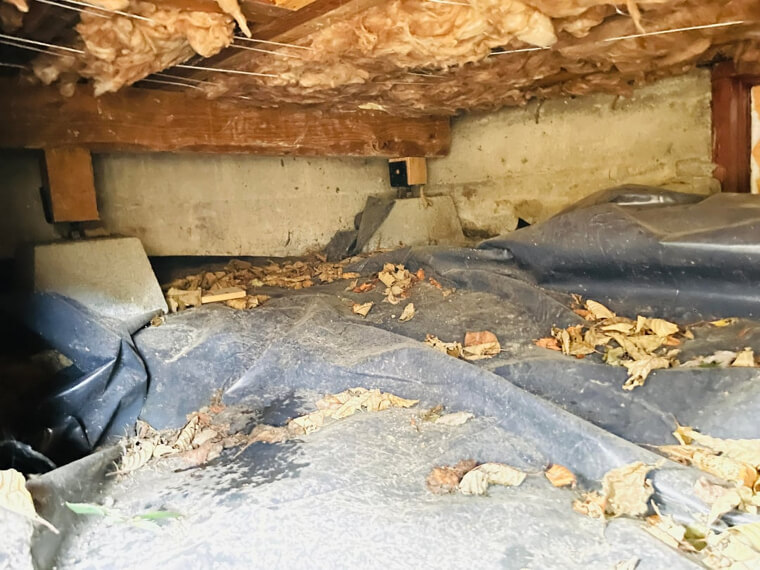
Old houses often feature plumbing runs that are poorly insulated or located too close to exterior walls and in unheated crawl spaces. Older metal pipes are more susceptible to freezing and bursting than modern PEX or PVC lines. The combination of minimal insulation and prolonged sub-freezing temperatures makes a pipe burst a high probability event in original construction, leading to catastrophic water damage.
What You Can Do: In accessible areas, wrap exposed pipes in fiberglass insulation sleeves and secure them with zip ties. If you have a crawl space, inspect it for air leaks and consider insulating the foundation walls or the floor above. During severe cold snaps, let a few interior faucets drip slowly to relieve pressure and keep water moving through vulnerable lines.
What You Can Do: In accessible areas, wrap exposed pipes in fiberglass insulation sleeves and secure them with zip ties. If you have a crawl space, inspect it for air leaks and consider insulating the foundation walls or the floor above. During severe cold snaps, let a few interior faucets drip slowly to relieve pressure and keep water moving through vulnerable lines.
Aging Chimneys and Fireplace Flue Failures
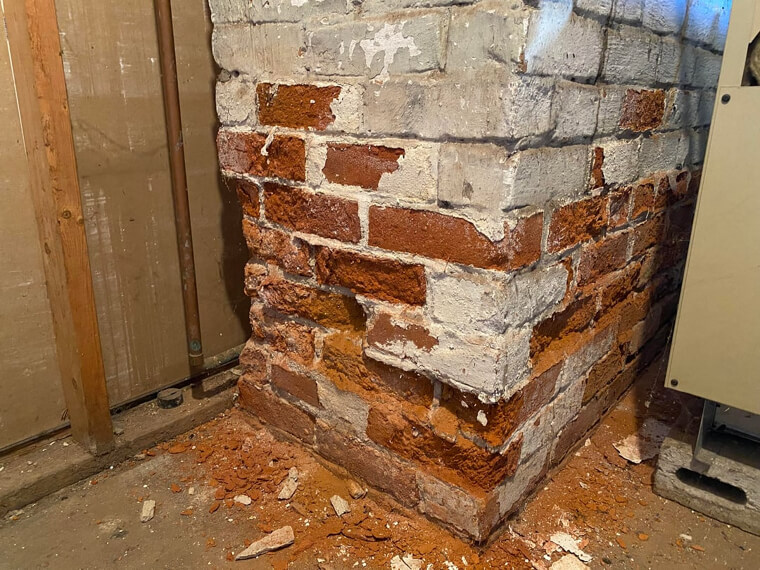
Many older homes rely on masonry chimneys that are past their useful life. Over time, the mortar joints degrade, allowing moisture to seep into the brickwork. In winter, this trapped water freezes, expands, and causes the masonry to crack and crumble. More critically, an aging chimney flue liner can crack, allowing dangerous carbon monoxide into the home when a fireplace or furnace is operating.
What You Can Do: Schedule a chimney sweep and inspection before winter begins. Ask the inspector to check the mortar condition and the integrity of the flue liner. If the liner is compromised, retrofit a stainless steel liner. Ensure your chimney damper seals tightly when the fireplace is not in use to stop massive amounts of warm air escaping the house.
What You Can Do: Schedule a chimney sweep and inspection before winter begins. Ask the inspector to check the mortar condition and the integrity of the flue liner. If the liner is compromised, retrofit a stainless steel liner. Ensure your chimney damper seals tightly when the fireplace is not in use to stop massive amounts of warm air escaping the house.
Foundation Cracks and Basement Water Infiltration
Old foundations were not constructed with the advanced moisture barriers found today. Over time, hydrostatic pressure and the freeze-thaw cycle widen hairline cracks in the basement walls. When the ground freezes, this pressure intensifies. When snow melts, water seeks the path of least resistance, leading to basement leaks, which in turn raise humidity and create a damp, cold environment that is harder and more expensive to heat.
What You Can Do: Before winter, seal visible, non-structural cracks in the basement with hydraulic cement or polyurethane caulk. Check the grade around your house to ensure soil slopes away from the foundation, diverting melting snow and rain. Installing simple window well covers can also prevent snow and debris from accumulating near basement windows, reducing localized water pressure.
What You Can Do: Before winter, seal visible, non-structural cracks in the basement with hydraulic cement or polyurethane caulk. Check the grade around your house to ensure soil slopes away from the foundation, diverting melting snow and rain. Installing simple window well covers can also prevent snow and debris from accumulating near basement windows, reducing localized water pressure.